
Why Some People Prefer 100% Pure, Raw & Unfiltered Honey
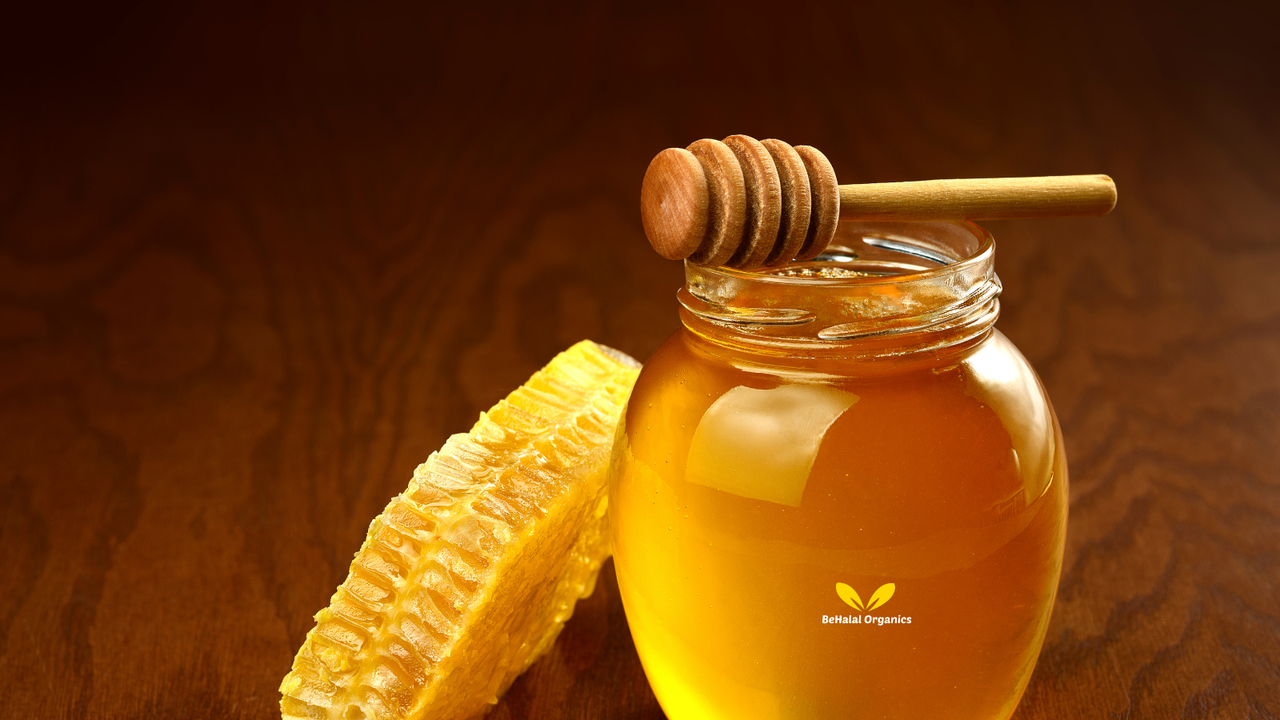
Why Some People Prefer 100% Pure, Raw & Unfiltered Honey
Honey has been enjoyed for thousands of years, but today, many shoppers are taking a closer look at what is actually inside the jar they buy. Is it simply honey, or has it been heavily heated, finely filtered, blended, or altered during processing? For people who prefer a closer-to-nature food experience, 100% pure, raw and unfiltered honey has become an appealing choice. It offers a different relationship with honey—one that values natural character, minimal processing, distinctive flavor and the story behind where the honey came from.
So, why do some people specifically seek out honey labeled 100% pure, raw and unfiltered? The answer is not simply that they want something sweet. Many consumers are becoming more interested in foods that are recognizable, minimally processed and closer to their original form. Raw and unfiltered honey fits into that preference because it is generally handled with less intensive processing than many conventional honey products. Depending on the product and producer, it may retain naturally occurring pollen, fine particles and other components associated with honey as it comes from the hive. Regulatory definitions can vary by location, but the general idea of raw honey is minimal processing without pasteurization, while unfiltered honey is honey that has not undergone fine filtration designed to remove many of its naturally occurring particles.
For many people, that natural quality is the main attraction. They enjoy honey that has its own color, aroma, texture and flavor rather than expecting every jar to look identical. Some prefer the deep taste of a distinctive floral source, while others appreciate the idea of choosing a product that has not been excessively refined for a perfectly clear appearance or extended shelf stability. This is one reason products such as Yemen Sidr Honeycomb – Grade A, 100% Pure, Raw & Unfiltered, Wild Harvested from Yemen appeal to shoppers who want to explore a more traditional honey experience. Available from Behalal Organics, this type of honey offers more than a sweetener; it invites you to appreciate honey as a natural food with a unique origin, character and story.
What Does 100% Pure, Raw and Unfiltered Honey Actually Mean?
The words on a honey label can sound similar, but each one communicates something slightly different. 100% pure generally tells shoppers that the product is intended to be honey without added sweeteners or other ingredients. Raw usually refers to honey that has not been pasteurized or subjected to extensive heat treatment. Unfiltered generally means the honey has not been passed through fine filtration that removes many of the small naturally occurring particles found in honey. These distinctions matter to consumers who want to understand how their food was handled before it reached the jar.
Understanding “100% Pure” Honey
When people look for 100% pure honey, they are usually trying to avoid a product that has been mixed with other sweeteners or ingredients. Honey is naturally sweet, and its flavor can vary depending on the flowers visited by the bees, the environment where the bees forage and the way the honey is harvested and handled. Pure honey should allow those natural characteristics to remain central to the product instead of being diluted by unnecessary additions.
The idea of purity is particularly important because honey is a product that can vary dramatically in quality and character. Two jars may both be labeled honey, yet their taste, color, texture and processing history can be very different. For a consumer who values authenticity, a simple ingredient profile is reassuring. The goal is not necessarily to find a product that looks perfectly uniform; rather, it is to find honey that remains true to what it is supposed to be.
That is why many shoppers pay close attention to the product description, source and producer. A transparent label can help consumers understand whether they are buying a pure honey product and what kind of processing it has undergone. The U.S. Food and Drug Administration has guidance focused on accurate and consistent labeling of honey and honey products, emphasizing the importance of helping consumers make informed choices.
What Makes Honey “Raw”?
The word raw is attractive to people who prefer foods that have undergone minimal processing. In the context of honey, raw generally means that the honey has not been pasteurized. Some definitions describe raw honey as honey that exists in the hive or has been extracted, settled or strained while remaining minimally processed and not pasteurized.
Why does that matter to some people? Think about the difference between a freshly harvested food and a product that has gone through multiple industrial steps before reaching the shelf. While processing can have practical advantages, consumers who choose raw honey often want to preserve more of the product’s original character. They may appreciate the natural aroma, distinctive flavor and texture that can be associated with minimally processed honey.
Raw honey may also look different from highly processed honey. It can be cloudy, thick or naturally crystallized. That variation is often part of the appeal. Instead of seeing every difference as a problem, raw honey enthusiasts may see texture and color as clues that the honey has retained more of its natural individuality.
This does not mean that every claim associated with raw honey should automatically be accepted without question. Honey remains a food, and its composition can vary significantly. However, the preference for raw honey is easy to understand: many people simply want a product that has been handled as gently as possible while preserving its natural identity.
Why “Unfiltered” Matters to Some Honey Lovers
Unfiltered honey appeals to people who want to retain more of the fine natural components associated with honey. Fine filtration can make honey look clearer and more uniform, but it may also remove particles such as pollen and other naturally occurring material. By contrast, unfiltered honey is generally processed less intensively, although the exact handling methods can vary between producers and regions.
This is an important distinction because “unfiltered” does not necessarily mean that every piece of material from the hive remains in the jar. Honey may still be strained to remove larger unwanted particles while avoiding the fine filtration used to create an exceptionally clear product. Some definitions distinguish between straining and fine filtration, with straining allowing pollen grains and certain naturally occurring components to remain.
For shoppers, the appeal is simple: less intervention can mean more natural character. The honey may retain a more authentic appearance, a fuller flavor and a texture that feels closer to its original state. This is especially attractive to consumers who do not want their honey to look or taste exactly like every other jar on the shelf.
Why Some People Prefer Raw and Unfiltered Honey
The preference for raw and unfiltered honey is part of a wider movement toward simpler, more recognizable foods. People are increasingly asking questions about ingredients, processing and sourcing. They want to know not only what they are eating, but also how far that food has moved from its original form.
A More Natural Approach to Sweetness
For many people, choosing raw honey is about more than nutrition. It is about a philosophy of food. Instead of searching for the most processed, uniform and predictable product, they prefer something that still reflects its natural origin.
A jar of raw honey may have a deeper color, a more complex aroma or a thicker consistency. It may gradually crystallize. It may taste slightly different from one harvest to another. To some consumers, those variations make the honey feel more authentic. The product does not seem manufactured to be identical every time; it feels connected to the flowers, climate, bees and region that helped create it.
This is especially appealing to people who enjoy traditional foods. Just as some shoppers seek stone-ground grains, cold-pressed oils or traditionally fermented foods, others prefer honey that has undergone minimal processing. The appeal is not necessarily that “natural” automatically means better in every situation. Rather, it is the desire to keep the food closer to its original form.
The Appeal of Naturally Occurring Compounds
Honey naturally contains a range of components beyond its sugars. Depending on its floral source and handling, honey may contain small amounts of enzymes, organic acids, pollen and other naturally occurring substances. The Codex description of honey recognizes that honey can contain sugars, enzymes, organic acids, pollen and other substances associated with the natural product.
This is one reason some people prefer raw and unfiltered honey. They want to preserve as much of the honey’s original composition as possible rather than removing every fine particle for the sake of clarity. Research and health reporting often discuss differences between raw and more processed honey, including potential differences in antioxidant compounds and pollen content, although the exact composition depends on the honey’s source and processing methods.
The key point is that raw honey should not be viewed as a miracle food. It is still primarily a sweet food, and it should be enjoyed appropriately. But for people who want a more natural version of honey, retaining more of its original components can be an important reason to choose it.
Richer Flavor and More Distinctive Character
Have you ever tasted two honeys side by side and noticed that they were completely different? One might be light, floral and delicate, while another could be dark, rich and intense. Honey is not a one-flavor food.
The floral source plays a major role in the final taste. Geography, climate, flowering plants and harvesting practices can all influence the character of honey. This is why honey from a particular region or floral source can become highly sought after by people who enjoy tasting food with a sense of place.
Raw and unfiltered honey can make that experience feel even more pronounced. Rather than being processed to create a perfectly uniform appearance, the honey may retain more of its natural aroma and texture. For many honey lovers, this makes each jar feel more distinctive.
Raw Honey Compared With More Processed Honey
The difference between raw and more processed honey is often easier to understand when looking at what processing is designed to accomplish. Commercial processing may involve heating and fine filtration to create a clearer, smoother product that remains liquid for longer. These qualities can be convenient for manufacturers, retailers and consumers who prefer a consistent appearance.
Raw and unfiltered honey takes a different approach. Instead of prioritizing maximum clarity and resistance to crystallization, it places greater emphasis on preserving the honey’s natural characteristics. That can mean more variation in texture, color and appearance.
A Simple Comparison
| Feature | 100% Pure, Raw & Unfiltered Honey | More Processed Honey |
|---|---|---|
| Processing | Minimal processing is generally preferred | May involve more extensive heating and filtration |
| Appearance | May be cloudy, textured or naturally varied | Often clearer and more uniform |
| Texture | Can be thick or crystallized | Often smoother and more consistently liquid |
| Natural particles | More may remain depending on processing | Fine filtration may remove more particles |
| Flavor | Can be more distinctive and source-specific | May be more standardized |
| Consumer appeal | Natural, traditional and minimally processed | Convenience, consistency and longer-lasting liquid texture |
Neither style is automatically the right choice for every person. Some people prefer clear, smooth honey that pours easily. Others specifically want honey that has retained more of its natural texture and character. The important thing is understanding the difference and choosing based on personal preference.
Why Honey’s Natural Texture Matters
Texture can be one of the most noticeable differences between raw and highly processed honey. Some raw honey is thick and slow-moving, while other varieties remain relatively fluid. Some crystallize quickly, while others take longer. These differences can surprise people who are accustomed to honey that always looks perfectly clear and liquid.
Crystallization Is Not a Sign of Spoilage
One common misconception is that crystallized honey has gone bad. In reality, natural honey can crystallize over time. The speed and texture of crystallization can depend on factors such as the types of sugars present, pollen particles and storage conditions.
For someone who prefers raw and unfiltered honey, crystallization can actually be part of the natural experience. The honey may become creamy, grainy or firm rather than remaining liquid forever. This does not necessarily mean the product is spoiled. It simply means the honey is changing naturally.
Some consumers even enjoy crystallized honey because of its spreadable texture. It can be used on toast, stirred into warm foods or enjoyed by the spoonful. Others prefer it in its liquid state. The important thing is not to assume that a change in texture automatically indicates poor quality.
The Connection Between Honey and Its Natural Source
One of the most fascinating things about honey is that its identity is closely connected to its origin. Honey is not produced in a factory from a single standardized recipe. Bees collect nectar from plants, and the resulting honey can reflect the environment in which it was produced.
Floral Origin, Geography and Flavor
The same reason people enjoy coffee from different regions or olive oil from different growing areas applies to honey. Origin matters. The plants available to bees, the local environment and the season can all contribute to the final flavor.
This is part of the attraction of Yemen Sidr Honeycomb. Sidr honey is associated with the nectar of the Sidr tree, and Yemen is known for its distinctive honey traditions. For consumers who enjoy exploring specialty foods, the opportunity to experience honey connected to a specific region can make the product feel more meaningful than a generic sweetener.
A product such as Yemen Sidr Honeycomb – Grade A | 100% Pure, Raw & Unfiltered | Wild Harvested from Yemen | 9.5 oz (269g) offers an experience that combines natural honey with the traditional appeal of honeycomb. The honeycomb itself adds another dimension to the experience, allowing consumers to appreciate honey in a form closely connected to the hive.
Why Transparency Matters When Choosing Honey
When buying raw and unfiltered honey, transparency is important. Consumers should be able to understand what the product is, where it comes from and how it has been described. Clear product information helps shoppers make choices that match their expectations.
What to Look for on a Honey Label
Look for information about:
-
The type of honey
-
The country or region of origin
-
Whether it is pure
-
Whether it is raw
-
Whether it is filtered or unfiltered
-
The quantity of the product
-
The producer or seller
A trustworthy product description should not rely only on vague words such as “natural” or “healthy.” Specific information is more useful. For example, describing honey as 100% pure, raw and unfiltered gives consumers a clearer idea of what they are purchasing than simply calling it “premium honey.”
This is especially important because terms related to honey can be interpreted differently depending on the country and regulatory framework. Consumers should always read the product label and product information carefully rather than assuming that one word has exactly the same legal meaning everywhere. Canadian food-labeling guidance, for example, provides specific discussion around raw honey and the need for clear information to avoid misleading consumers.
How to Enjoy 100% Pure, Raw & Unfiltered Honey
One of the best things about honey is how easy it is to enjoy. You do not need a complicated recipe or elaborate preparation. A small amount can add sweetness and character to everyday foods.
Simple Ways to Add Honey to Your Routine
You can enjoy raw honey:
-
Drizzled over toast or pancakes
-
Stirred into oatmeal
-
Added to plain yogurt
-
Paired with fruit
-
Used in homemade dressings
-
Served with cheese
-
Enjoyed as part of a simple breakfast
-
Eaten with honeycomb for a traditional experience
The goal is to appreciate the honey’s natural taste rather than burying it under too many competing flavors. A distinctive honey deserves the opportunity to be tasted on its own.
With a specialty product such as Yemen Sidr Honeycomb, the experience can become even more interesting. The texture of the honeycomb, the rich flavor of the honey and the connection to traditional harvesting can make the product feel like more than an ordinary jar of sweetener.
Is Raw and Unfiltered Honey Right for Everyone?
Raw and unfiltered honey is a personal food preference. Some people love its natural texture and deeper flavor, while others prefer the smooth appearance and easy pouring of more processed honey. There is no single honey experience that everyone must choose.
The important thing is to understand what you are buying. Raw and unfiltered honey may vary in appearance and texture. It may crystallize. It may contain more naturally occurring particles than finely filtered honey. Those characteristics are part of why some consumers choose it.
Important Safety Considerations
Honey should not be given to infants under 12 months of age because of the risk of infant botulism. Adults and older children should also consider their individual dietary needs when consuming honey, since honey is a source of sugar.
People with allergies to bee-related products or pollen should use appropriate caution and seek professional medical guidance if they have concerns. Raw honey should also be purchased from a reputable source and stored according to the product’s instructions.
The fact that honey is natural does not mean that every health claim made about it is automatically proven. It is best to enjoy honey as a food and avoid treating it as a replacement for professional medical care.
Why Some People Choose Yemen Sidr Honeycomb
For some shoppers, the attraction of Yemen Sidr Honeycomb is the combination of origin, tradition and natural presentation. Instead of choosing an anonymous honey product with little information about where it came from, they want to experience a honey associated with a particular region and floral source.
Honeycomb also creates a different sensory experience. The wax structure is part of the hive’s natural storage system, and eating honey from the comb can feel more traditional and authentic. The experience is less about convenience and more about appreciating the product in a form that connects the consumer to the way bees naturally store honey.
This is one reason the product may appeal to people who prefer 100% pure, raw and unfiltered honey. They are not necessarily looking for something that looks perfectly uniform. They may actually appreciate the natural variation, texture and individuality that make specialty honey different from ordinary processed sweeteners.
Shop 100% Pure, Raw & Unfiltered Honey at Behalal Organics
If you have been searching for a more natural honey experience, Yemen Sidr Honeycomb – Grade A | 100% Pure, Raw & Unfiltered | Wild Harvested from Yemen | 9.5 oz (269g) is available at Behalal Organics.
This specialty honey is a great choice for shoppers who appreciate the distinctive qualities of raw and unfiltered honey and want to explore a product connected to the rich honey traditions of Yemen. Whether you enjoy honey with breakfast, pair it with your favorite foods or simply want to experience the unique texture and flavor of honeycomb, it offers a memorable way to enjoy honey in a more natural form.
Ready to taste honey with a story behind it? Shop Yemen Sidr Honeycomb at Behalal Organics and experience the rich, natural character of 100% pure, raw and unfiltered honey.
Conclusion
So, why do some people prefer 100% pure, raw and unfiltered honey? For many, the answer comes down to authenticity. They prefer honey that has undergone minimal processing, retains more of its natural character and reflects the flavor, texture and origin of the product. They appreciate that raw honey may not always look perfectly clear, remain liquid forever or taste exactly the same as every other jar.
The appeal is also connected to a broader desire for transparency. Consumers want to know what they are buying, where it comes from and how it has been handled. Raw and unfiltered honey offers an alternative to highly standardized products by preserving a more distinctive connection to the hive and the environment where the honey was produced.
From the natural texture to the unique flavor of specialty varieties, honey can be much more than a simple sweetener. And for those who want to explore a traditional, premium honey experience, Yemen Sidr Honeycomb from Behalal Organics offers an opportunity to enjoy 100% pure, raw and unfiltered honey with a distinctive origin and character.
Frequently Asked Questions
1. What does 100% pure honey mean?
100% pure honey generally means the product is made entirely from honey without added sweeteners or other ingredients. Consumers should still read the product label and description carefully to understand the specific product and its source.
2. Is raw honey the same as unfiltered honey?
Not necessarily. Raw generally refers to honey that has not been pasteurized or extensively heat-treated, while unfiltered refers to honey that has not undergone fine filtration designed to remove many naturally occurring particles. The exact definitions can vary depending on local regulations and labeling standards.
3. Why does raw honey sometimes crystallize?
Crystallization is a natural process that can occur in honey. The speed and texture of crystallization depend on the honey’s composition, floral source and storage conditions. Crystallized honey is not automatically spoiled.
4. Is raw and unfiltered honey healthier than regular honey?
Raw and unfiltered honey may retain more naturally occurring components than some heavily processed honey products, but honey is still primarily a sugary food. It should be enjoyed as part of a balanced diet, and broad health claims should be considered carefully.
5. Where can I buy 100% pure, raw and unfiltered Yemen Sidr Honeycomb?
Yemen Sidr Honeycomb – Grade A | 100% Pure, Raw & Unfiltered | Wild Harvested from Yemen | 9.5 oz (269g) is available from Behalal Organics for shoppers looking to experience distinctive, specialty honey with a traditional connection to Yemen.
DISCLAIMER
This blog has not been approved by your local health department and is not intended to provide diagnosis, treatment, or medical advice. The content provided on this blog is for informational purposes only. Please consult with a physician or other healthcare professional regarding any medical or health-related diagnosis or treatment options. Information on this blog should not be considered as a substitute for advice from a healthcare professional. The claims made about specific products throughout this blog are not approved to diagnose, treat, cure, or prevent disease.
Explore Popular Articles
-
Soursop Leaves vs Soursop Fruit: Uses and Differences
24th Sep 2026Soursop is one of those tropical plants that seems to have a story attached to almost every part of
-
What Is Sidr Leaves Powder? Benefits, Uses, and Nutrition
23rd Sep 2026Article Outline H1: What Is Sidr Leaves Powder? Benefits, Uses, and Nutrition H2: What Is Sidr Lea
-
Irish Sea Moss Powder: Nutrition Facts, Minerals, and Uses
22nd Sep 2026Sea moss has become one of those marine foods that seems to show up everywhere—from smoothie recipes