
Soursop Leaves vs Soursop Fruit: Uses and Differences
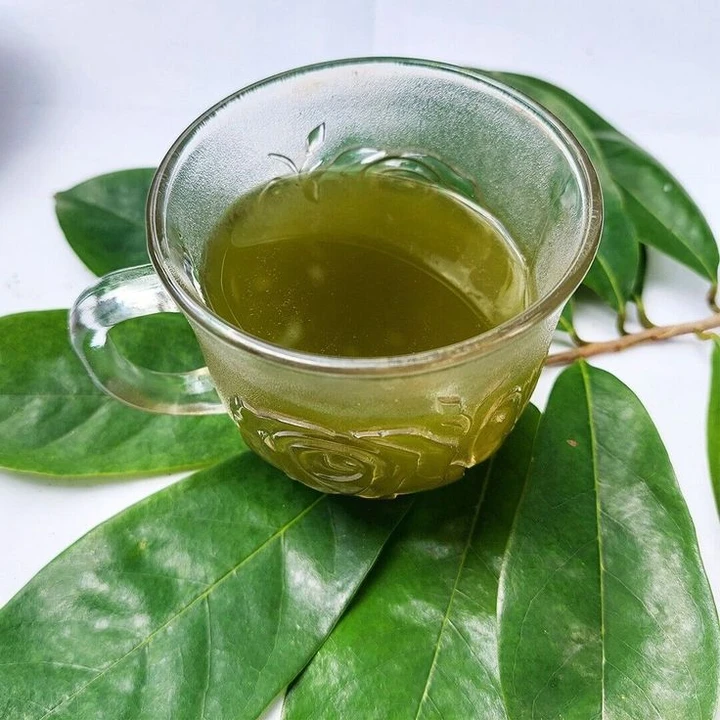
Soursop is one of those tropical plants that seems to have a story attached to almost every part of it. The fruit is familiar to many people because of its creamy white flesh, sweet-tart flavor, and distinctive green skin, while the leaves are often associated with traditional herbal preparations. Both come from the same plant, Annona muricata, but that does not mean they are interchangeable. In fact, comparing soursop leaves vs soursop fruit reveals some interesting differences in how each part is traditionally used, prepared, and discussed in nutrition and herbal wellness.
The easiest way to think about it is this: the soursop fruit is primarily a food, while soursop leaves are more commonly associated with traditional herbal use. That distinction matters. A juicy serving of soursop pulp can be eaten as part of a meal, blended into a smoothie, or turned into a refreshing drink. Leaves, on the other hand, are generally prepared differently and are not normally eaten like the fruit.
Soursop has been used traditionally across tropical regions, including parts of Africa, Central and South America, and Southeast Asia. Research has identified a wide range of naturally occurring compounds in different parts of the plant, including acetogenins, alkaloids, flavonoids, phenolic compounds, and other phytochemicals. At the same time, researchers have highlighted important questions about the safety of concentrated soursop preparations, particularly with prolonged or high intake. That means it is useful to separate traditional use from scientifically established health effects rather than treating every claim about soursop as a proven fact.
So, if you have ever wondered whether soursop leaves or soursop fruit is better, the more useful question is actually: better for what purpose? The answer depends on whether you are looking for a food, a traditional herbal ingredient, or simply trying to understand the differences between the two.
What Is Soursop?
Soursop, scientifically known as Annona muricata, is a tropical fruit tree belonging to the Annonaceae family. It is also known by names such as graviola and guanabana. The plant grows well in warm tropical and subtropical environments and is now cultivated or found in many parts of the world.
The tree itself has large, glossy, dark-green leaves and produces a distinctive green fruit with soft spines. When mature, the fruit contains soft white pulp surrounding numerous black seeds. Its flavor is often described as a combination of sweet and tangy, which explains why soursop has become popular in juices, smoothies, desserts, ice cream, syrups, and other foods.
But the fruit is only one part of the plant. The leaves, seeds, bark, roots, and other parts have also been used traditionally. Scientific reviews have documented different traditional applications for different parts of the plant, which is one reason it is important not to assume that the properties of soursop fruit automatically apply to soursop leaves.
Where Soursop Comes From
Soursop is associated with tropical regions of the Americas but has spread widely throughout tropical areas around the world. Today, the plant can be found in parts of Africa, Asia, the Caribbean, and other warm regions. Its ability to thrive in tropical climates has made it familiar in many communities where it is grown both for its fruit and for traditional plant-based uses.
In African communities, including parts of West Africa, soursop has developed a place in traditional herbal practices. Reviews of medicinal plants in Nigeria and other African regions describe traditional uses involving several parts of the plant. These historical practices are important cultural and botanical information, although they should not automatically be interpreted as proof that a particular preparation can treat a disease.
The widespread availability of soursop also explains why you may see very different preparations depending on where you live. One person may know soursop mainly as a fruit eaten fresh, another may know it as a juice, while someone else may be familiar with soursop leaves prepared traditionally as an herbal drink.
How Soursop Leaves and Fruit Differ
The biggest difference is simple: soursop leaves are the foliage of the plant, while soursop fruit is its edible reproductive structure. They have different physical characteristics, different culinary applications, and different concentrations of naturally occurring plant compounds.
Soursop fruit contains edible pulp that provides carbohydrates, fiber, water, and various micronutrients. The leaves, by contrast, are not generally consumed as a conventional leafy vegetable. They are more commonly dried, steeped, or incorporated into traditional herbal preparations.
There is also a difference in how people usually encounter them. You might buy fresh soursop fruit from a market and eat the pulp directly after removing the skin and seeds. Soursop leaves are more likely to appear dried, powdered, or prepared as an infusion or other herbal product.
That difference in preparation is important because the form in which a plant is consumed can influence exposure to its compounds. A whole food and a concentrated botanical extract should not automatically be treated as equivalent.
Soursop Leaves: What Are They Used For?
Soursop leaves have a long history of traditional use. Various ethnobotanical reviews report that people have traditionally prepared the leaves for purposes associated with sleep, headaches, inflammation, blood sugar, skin concerns, and other conditions. In some communities, leaves have been prepared as teas or decoctions, while other traditional practices involve topical applications.
It is important to use the phrase “traditionally used” here. Traditional use tells us what communities have done over generations, but it does not by itself prove that the practice is clinically effective. Modern research has investigated extracts from soursop leaves in laboratory and animal studies, but the evidence base in humans remains much more limited.
That distinction can sometimes get lost online. A laboratory study may show that a compound affects a particular cell pathway, and the result can quickly become a headline claiming that soursop “treats” a disease. The reality is more complicated. What happens in a test tube is not necessarily what happens inside a human body after drinking a cup of tea.
Traditional Uses of Soursop Leaves
Traditional applications of soursop leaves vary considerably between regions. Scientific reviews have documented historical use of leaf preparations for concerns including headaches, insomnia, cystitis, diabetes, hypertension, inflammation, and skin conditions. Some communities have also used the leaves in traditional preparations associated with fever and other everyday health complaints.
These uses reflect the cultural importance of Annona muricata as a medicinal plant. They also provide researchers with clues about which parts of the plant may deserve further investigation.
However, traditional use should be viewed as a starting point rather than a medical guarantee. For example, if a community has traditionally prepared soursop leaves for a particular purpose, researchers may investigate the plant's phytochemicals and biological activity. A promising laboratory finding can justify further research, but it does not automatically establish an effective human dose or demonstrate that the preparation is safe for everyone.
This is particularly relevant with soursop because different preparations can contain different amounts of plant compounds. A mild traditional preparation is not necessarily equivalent to a concentrated extract or supplement.
Soursop Leaves in Herbal Preparations
Soursop leaves can be prepared in several traditional ways, depending on local practice and the product being made. Fresh or dried leaves may be steeped in hot water, while commercial herbal products may use dried plant material or extracts.
The preparation method matters because water-based infusions, alcohol-based extracts, powders, and standardized extracts can differ significantly in their chemical composition. You cannot assume that a research study involving one type of extract tells you exactly what will happen with another form.
This is one reason responsible herbal use should focus on what the product actually contains, how it is prepared, and how it is intended to be used. If you are purchasing a commercial soursop leaf product, following the manufacturer's directions is preferable to creating an improvised high-dose preparation.
Soursop Fruit: What Is It Used For?
Unlike soursop leaves, soursop fruit is primarily appreciated as a food. Its soft, aromatic pulp can be eaten fresh or incorporated into beverages and desserts. The fruit's distinctive flavor has made it especially popular in tropical cuisines.
The edible pulp contains water, carbohydrates, dietary fiber, and several vitamins and minerals. The exact nutritional composition can vary depending on growing conditions, ripeness, cultivar, and serving size. For precise nutrition information, food composition databases such as USDA FoodData Central are useful references because they compile analytical and published food-composition data.
Soursop fruit is therefore much easier to place within an everyday diet than soursop leaves. Rather than thinking of it primarily as an herbal remedy, you can think of the fruit as a tropical food with a distinctive nutritional profile.
That does not mean every health claim attached to soursop fruit is established. Research has investigated antioxidant activity and other biological effects, but reviews continue to emphasize that much of the evidence comes from laboratory and animal research rather than large, well-controlled human trials.
Soursop Fruit as a Food
One of the simplest ways to enjoy soursop is to eat the ripe pulp directly. The fruit is generally opened, the soft flesh is removed, and the black seeds are discarded rather than chewed or consumed as a food ingredient.
The creamy texture makes the fruit particularly versatile. It can be blended into smoothies, mixed with other fruits, turned into juice, or used in frozen desserts. Its natural sweetness and acidity mean that it can provide a strong flavor without requiring complicated preparation.
From a nutrition perspective, eating the whole edible pulp is different from taking a concentrated soursop supplement. Whole fruit provides a food matrix containing water, carbohydrates, fiber, and micronutrients rather than simply delivering a concentrated extract of selected compounds.
This distinction is useful when reading wellness content. A food can be nutritious without being a medicine, and enjoying a fruit does not require believing that it can cure a disease.
Common Culinary Uses of Soursop
Soursop has been used in a variety of food products, including smoothies, shakes, juices, ice cream, syrups, candies, and other desserts. Its creamy texture makes it particularly suitable for blended recipes.
A simple soursop smoothie, for example, can combine ripe pulp with water or milk and other fruits. Some people prefer to balance its strong flavor with ingredients such as pineapple, mango, lime, or banana.
The fruit can also be incorporated into chilled desserts. In tropical regions, its distinctive taste makes it a popular ingredient for beverages served cold, especially during hot weather.
When using fresh soursop, however, remember that the black seeds are not the same thing as the edible pulp. They should be removed rather than intentionally consumed. Soursop seeds contain biologically active compounds and are not simply another edible part of the fruit.
Soursop Leaves vs Soursop Fruit: Key Differences
The simplest comparison is that soursop fruit is primarily a food, while soursop leaves are primarily associated with traditional herbal use. They come from the same plant, but their roles are very different.
| Feature | Soursop Leaves | Soursop Fruit |
|---|---|---|
| Plant part | Leaf | Fruit |
| Common use | Traditional herbal preparations | Food and beverages |
| Typical texture | Firm, leafy | Soft, creamy pulp |
| Flavor | Herbal and leafy | Sweet, tangy, aromatic |
| Common preparation | Infusion, decoction, dried preparations | Fresh, juice, smoothie, dessert |
| Main nutritional role | Not generally eaten as a conventional food | Provides food energy, fiber, and micronutrients |
| Research focus | Phytochemicals and biological activity | Nutrition, phytochemicals, food use, biological activity |
| Safety considerations | Concentrated preparations require caution | Whole-food use differs from concentrated extracts |
This table highlights something easy to overlook: same plant does not mean same product. The chemical profile of a leaf can differ from that of fruit pulp, and the way you consume each part can change your exposure to naturally occurring compounds.
Nutritional and Phytochemical Differences
Soursop fruit and leaves contain different combinations and concentrations of naturally occurring compounds. Reviews of Annona muricata have identified acetogenins, alkaloids, flavonoids, phenolic compounds, essential oils, and other phytochemicals throughout different parts of the plant.
The fruit also provides nutrients that make sense in a normal dietary context, while the leaves are more frequently studied for their phytochemical content and traditional applications.
Research has found compounds with antioxidant activity in different parts of the plant, but this should not be confused with proof that consuming soursop prevents or treats a particular disease. Antioxidant activity measured in a laboratory is not the same as a demonstrated clinical benefit in humans.
This is why comparing soursop leaves and fruit solely by asking which contains “more benefits” can be misleading. They are different plant materials with different traditional roles.
Taste, Texture, and Preparation
The difference is obvious when you see them side by side. Soursop leaves are dark green, glossy, and relatively firm. The fruit has a green outer skin with soft spines and contains creamy white pulp.
The fruit is designed by nature to be attractive as food: aromatic, juicy, soft, and flavorful. The leaves are not normally consumed in the same way. Their traditional preparation tends to involve steeping or other processing rather than eating them raw as part of a meal.
This also affects consumer expectations. Someone looking for a nutritious tropical fruit would naturally choose soursop pulp. Someone interested in a traditional herbal ingredient might instead look for soursop leaf products.
Neither should automatically be substituted for the other.
What Compounds Are Found in Soursop?
Soursop has attracted scientific attention because researchers have identified a broad range of phytochemicals in the plant. These include annonaceous acetogenins, alkaloids, flavonoids, phenolic compounds, and other secondary metabolites.
Acetogenins are particularly important to discussions about soursop because they have demonstrated biological activity in laboratory research. More than 100 annonaceous acetogenins have been reported from different parts of the plant in scientific literature.
However, “biologically active” does not automatically mean “safe and beneficial as a supplement.” A compound can have interesting activity in a laboratory while also raising safety questions when consumed in concentrated amounts.
This is one of the most important points to understand when researching soursop products. Natural does not automatically mean harmless, and a plant's traditional history does not eliminate the need for appropriate caution.
Acetogenins and Other Plant Compounds
Annonaceous acetogenins are a major group of compounds associated with Annona muricata. Researchers have investigated these compounds for their effects on cellular energy pathways and other biological processes.
The scientific interest is understandable, but it has also contributed to exaggerated claims about soursop, especially online. Laboratory activity against cancer cells, for example, should not be presented as evidence that eating soursop or drinking soursop leaf tea can cure cancer.
Current reviews describe promising biological activity but also emphasize the gap between preclinical research and clinical evidence in humans.
Other compounds found in soursop include flavonoids and phenolic compounds, which are frequently investigated for antioxidant properties. Again, the presence of these compounds is scientifically interesting, but it does not automatically establish a specific health outcome for people consuming the plant.
Why the Plant Part Matters
Imagine saying that every part of an orange has exactly the same nutritional properties simply because they come from the same tree. That would obviously be inaccurate. The peel, pulp, seeds, flowers, and leaves have different structures and chemical compositions.
The same principle applies to soursop. Leaves, fruit pulp, seeds, bark, and roots should be considered separately.
Research reviews repeatedly demonstrate that different parts of Annona muricata have different traditional applications and chemical profiles. That is why information about soursop fruit should not automatically be copied into an article about soursop leaves, and vice versa.
It also explains why the safety of a whole food cannot automatically be used to establish the safety of a concentrated extract made from another part of the plant.
Soursop Leaves and Soursop Fruit: Traditional Wellness Uses
Both parts have traditional wellness histories, but the uses are not identical. Soursop leaves have traditionally been prepared for a variety of purposes, including preparations associated with sleep, headaches, inflammation, blood sugar, and skin concerns. Soursop fruit has traditionally been consumed for food and beverages and has also appeared in traditional remedies for various digestive and other complaints.
Scientific reviews document these historical uses, but they also make clear that traditional practice and clinical evidence are two different categories.
For consumers, this distinction can actually make soursop easier to understand. You do not have to reject traditional knowledge to recognize the importance of scientific evidence. Traditional knowledge can tell us which plants and plant parts have been valued by communities, while clinical research helps determine whether a particular preparation is effective and safe under controlled conditions.
So when you see claims such as “soursop leaves support blood sugar” or “soursop fruit fights disease,” look beyond the headline. Ask what type of study produced the claim, whether it involved humans, what preparation was used, and whether the amount studied resembles the amount people normally consume.
That simple habit can make it much easier to separate useful information from exaggerated wellness marketing.
Soursop Safety and Important Considerations
Soursop deserves a balanced discussion because research has raised safety questions around some preparations. The European Food Safety Authority's assessment of Annona muricata noted uncertainties around safe intake levels for supplements and highlighted concerns related to potentially neurotoxic acetogenins.
This does not mean that eating soursop fruit occasionally is equivalent to taking a concentrated supplement. It means that different forms and amounts deserve different consideration.
Researchers have also reported concerns regarding prolonged exposure to certain compounds found in the plant. Some of the evidence comes from laboratory, animal, or epidemiological research rather than controlled human clinical trials, so the exact risk associated with ordinary dietary consumption remains difficult to quantify.
People who are pregnant, breastfeeding, taking medication, managing a chronic condition, or considering concentrated herbal supplements should be especially careful about using medicinal preparations without professional guidance.
Why More Research Is Needed
One of the biggest limitations in soursop research is the shortage of high-quality human clinical trials. A significant portion of the scientific literature involves cell cultures, laboratory experiments, animal models, or traditional-use documentation.
Those studies are valuable, but they answer different questions. A cell study might tell researchers that a particular extract affects a biological pathway. An animal study can provide information about biological activity and preliminary safety. A human clinical trial is needed to determine whether an intervention actually produces a meaningful outcome in people under controlled conditions.
This is why claims about soursop should be expressed carefully. It is reasonable to say that researchers are investigating soursop's phytochemicals and potential biological activities. It is not reasonable to turn preliminary laboratory findings into guaranteed medical outcomes.
For now, the strongest everyday distinction remains straightforward: soursop fruit can be enjoyed as food, while concentrated soursop leaf preparations should be approached with greater caution because their safety and appropriate long-term intake are not well established.
How to Choose Between Soursop Leaves and Soursop Fruit
Your intended use should guide the choice. If you want a tropical fruit to eat, blend, or add to a recipe, soursop fruit is the obvious option. It provides the familiar creamy pulp and can be incorporated into a normal diet.
If you are specifically interested in a soursop leaf product, then look carefully at the form of the product and the manufacturer's directions. A dried leaf powder, tea, extract, or other preparation can differ considerably from fresh leaves.
For shoppers interested in soursop-based products, Behalal Organics is one place where soursop products are available. If you are considering a soursop leaf product, check the product description and usage instructions rather than assuming that more is better.
The goal should not be to turn soursop into a miracle ingredient. Instead, think of it as one plant with several different usable parts, each with its own traditional history, preparation methods, and research considerations.
Can You Use Soursop Leaves and Fruit Together?
There is no simple reason to assume that using two different parts of the same plant together creates a better result. Combining plant materials can change the amount and variety of compounds consumed, and concentrated preparations can be very different from eating the whole fruit.
If you enjoy soursop fruit as part of your diet, you can treat it as a food. If you are interested in a soursop leaf preparation, treat it as a separate herbal product and follow its directions carefully.
This distinction becomes particularly important when several products are combined. A person might eat soursop fruit, drink a strong leaf preparation, and take a concentrated botanical supplement without realizing that these are not necessarily equivalent forms of exposure.
When in doubt, simplicity is useful. Use food as food, follow instructions for commercial herbal products, and seek professional advice before using concentrated botanical preparations for a medical purpose.
Conclusion
Soursop leaves and soursop fruit may come from the same Annona muricata tree, but they are far from being the same thing. The fruit is primarily valued as a tropical food, with creamy pulp that can be eaten fresh or used in smoothies, juices, desserts, and other recipes. The leaves have a stronger connection to traditional herbal practices and have been investigated for their phytochemical content and biological activities.
The important takeaway is not that one part is universally “better” than the other. Instead, their purposes are different. Soursop fruit fits naturally into a food and nutrition conversation, while soursop leaves belong more naturally in a conversation about traditional herbal preparations and botanical research.
Scientific research has identified interesting compounds throughout the plant, but many of the most exciting findings remain preclinical. Safety questions surrounding concentrated preparations, particularly those containing acetogenins, also mean that soursop should not be treated as automatically risk-free simply because it is natural.
If you are interested in adding soursop to your lifestyle, start with a clear understanding of what you are actually consuming. For food, enjoy the fruit as part of a varied diet. For herbal products such as soursop leaves, pay attention to preparation, dosage directions, product quality, and your individual circumstances.
Soursop is fascinating precisely because one tropical tree can have so many different traditional and culinary uses. Understanding the difference between its leaves and fruit allows you to appreciate the plant without confusing traditional knowledge, nutrition, and medical evidence.
Frequently Asked Questions
1. Are soursop leaves and soursop fruit the same?
No. They are two different parts of the Annona muricata plant. Soursop fruit is primarily consumed as food, while soursop leaves are more commonly associated with traditional herbal preparations.
2. What are soursop leaves traditionally used for?
Traditional sources describe soursop leaf preparations being used for several purposes, including headaches, sleep-related complaints, inflammation, blood sugar concerns, and skin conditions. These traditional uses should not be interpreted as proof that soursop leaves can treat or cure medical conditions.
3. Can you eat soursop fruit every day?
Soursop fruit can be eaten as a food, but individual dietary needs vary. It is better to view it as one fruit within a varied diet rather than relying on it as a treatment for a health condition.
4. Are soursop leaves safe to drink as tea?
Safety depends on factors such as preparation, concentration, frequency, and individual health circumstances. Research has raised concerns about compounds in Annona muricata, particularly with concentrated or prolonged use, so strong or long-term leaf preparations should not automatically be assumed to be harmless.
5. Where can I find soursop products?
Soursop products are available at Behalal Organics. When choosing a soursop leaf product, check the product information and follow the recommended directions rather than assuming that a higher amount provides greater benefits.
Legal Disclaimer: This statement has not been evaluated by the FDA. This product is not intended to diagnose, treat, cure, or prevent any disease or health condition.
Explore Popular Articles
-
5 Simple Ways to Incorporate Black Seed Powder Into Your Diet
14th Oct 20265 Simple Ways to Incorporate Black Seed Powder Into Your Diet Black seed powder is a simple ingredie
-

Mondia Whitei Honey: Potential Benefits and Important Considerations
13th Oct 2026Mondia Whitei Honey is a topic of interest for people exploring traditional African botanicals, hone
-

Sea Moss Powder with Elderberry: Benefits, Uses, and How to Take It
7th Oct 2026Sea Moss Powder with Elderberry: Benefits, Uses, and How to Take It Sea moss has become a familiar n