
What Is Sidr Leaves Powder? Benefits, Uses, and Nutrition
Article Outline
- H1: What Is Sidr Leaves Powder? Benefits, Uses, and Nutrition
- H2: What Is Sidr Leaves Powder?
- H3: Where Does Sidr Come From?
- H2: How Is Sidr Leaf Powder Made?
- H2: What Makes Sidr Leaves Interesting?
- H3: Plant Compounds Found in Sidr Leaves
- H2: Sidr Leaves Powder Nutrition
- H3: What Nutrients and Phytochemicals Does It Contain?
- H2: Potential Benefits of Sidr Leaves Powder
- H3: Antioxidant Potential
- H3: Traditional Skin and Hair Uses
- H3: Traditional Digestive and General Wellness Uses
- H2: How Is Sidr Leaves Powder Traditionally Used?
- H2: Sidr Leaves Powder for Hair and Scalp Care
- H2: Sidr Leaves Powder for Skin Care
- H2: How to Use Sidr Leaves Powder
- H2: Sidr Leaves Powder vs. Fresh Sidr Leaves
- H2: What Does Sidr Leaves Powder Taste and Feel Like?
- H2: How to Choose Quality Sidr Leaves Powder
- H2: Is Sidr Leaves Powder Safe?
- H2: What Does Scientific Research Say About Sidr Leaves?
- H2: Frequently Asked Questions About Sidr Leaves Powder
- H3: Can Sidr leaves powder be used on hair?
- H3: Can Sidr leaves powder be used on the skin?
- H3: Does Sidr leaves powder contain vitamins and minerals?
- H3: Can Sidr leaves powder be consumed?
- H3: Is Sidr leaves powder the same as jujube powder?
- H2: Conclusion
- H2: What Is Sidr Leaves Powder?
What Is Sidr Leaves Powder?
Sidr leaves powder is a finely ground herbal powder made from the dried leaves of the Sidr tree, commonly identified as Ziziphus spina-christi. The tree belongs to the Rhamnaceae family and is traditionally associated with regions of Africa, the Middle East, and other warm climates. Depending on the region, the plant may be called Sidr, nabq, or Christ's thorn. Once the leaves are harvested, cleaned, dried, and milled, they can be turned into a greenish herbal powder that is convenient to store and use. Unlike a conventional culinary spice, Sidr leaves powder is often valued because the entire dried leaf is retained in powdered form rather than being reduced to a single isolated compound. Research reviews have documented a wide range of traditional uses for Ziziphus spina-christi, including applications involving skin, hair, digestion, and general traditional wellness.
One reason Sidr leaves continue to attract attention is the plant's long history of traditional use. Different communities have used various parts of the tree in different ways, so it is important not to treat every traditional claim as a scientifically proven medical benefit. Modern research has identified numerous phytochemicals in Ziziphus species, including flavonoids, alkaloids, saponins, tannins, phenolic compounds, and triterpenes. A 2022 review of Z. spina-christi examined 186 research articles and reported that leaves showed biological activity in laboratory and preclinical studies, while also emphasizing that human safety and efficacy have not been fully established.
Where Does Sidr Come From?
Sidr trees are remarkably adaptable plants. Ziziphus spina-christi is distributed across tropical and subtropical areas and has a particularly strong cultural and traditional presence in parts of Africa and the Middle East. The tree can tolerate relatively dry environments, which helps explain why it has become an important plant in regions where many other trees struggle. Its leaves are small and green, while the tree itself can grow into a substantial shade-producing plant. Traditional knowledge surrounding Sidr has developed over generations, with communities finding different uses for its leaves, fruits, bark, roots, and other parts.
How Is Sidr Leaf Powder Made?
Making Sidr leaves powder sounds simple, but the quality of the finished powder depends heavily on what happens before the leaves reach the grinder. Fresh leaves need to be carefully selected and cleaned to remove visible dirt and unwanted plant material. They are then dried under appropriate conditions until their moisture content is sufficiently reduced for grinding and storage. Once completely dry, the leaves can be milled into a fine powder and packaged in a clean, dry container. Good processing matters because moisture, contamination, excessive heat, and poor storage can all affect the quality and shelf life of a plant powder.
For consumers, this means that the appearance of the powder tells only part of the story. A good Sidr leaves powder should generally have a natural green-to-greenish-brown appearance, depending on the drying and milling process, without obvious signs of moisture, mold, or contamination. The aroma should also be characteristic of a dried botanical product rather than smelling musty or unusually sour. Because herbal powders can vary considerably according to growing conditions, harvest time, processing, and storage, two products labeled "Sidr leaves powder" may not be nutritionally identical. This is one reason it is useful to look for products that clearly identify the plant and provide sensible storage and usage information.
What Makes Sidr Leaves Interesting?
The appeal of Sidr leaves goes beyond the fact that they come from a plant with a long history of traditional use. Researchers have found a diverse range of naturally occurring compounds in Ziziphus spina-christi. Reviews have reported flavonoids, alkaloids, saponins, tannins, steroids, triterpenes, phenolic compounds, sugars, and other constituents in different parts of the plant, including its leaves. One review specifically noted that polyphenols and flavonoids are among the most frequently reported compound groups associated with the species.
That chemical diversity helps explain why Sidr has attracted scientific interest. However, there is an important distinction between identifying a compound in a plant and proving that consuming or applying the plant produces a particular health outcome in humans. Laboratory studies can investigate antioxidant activity or other biological effects under controlled conditions, but those findings do not automatically translate into a clinically demonstrated treatment. The research on Sidr is therefore best understood as an interesting scientific foundation rather than a reason to make exaggerated health promises.
Plant Compounds Found in Sidr Leaves
Among the compounds reported in Sidr leaves are flavonoids and other polyphenolic substances, along with tannins, saponins, alkaloids, and triterpenes. These compounds belong to different chemical families and can contribute to the biological characteristics researchers observe in laboratory investigations. A review of Z. spina-christi reported that leaves collected from different locations contained several of these phytochemical groups, demonstrating that the plant's chemical profile can be quite diverse.
The exact concentration of these compounds can vary. Geography, soil, climate, plant maturity, harvesting practices, and processing methods can all influence the final composition of botanical materials. This is another reason why it would be misleading to assign one universal nutrition panel or phytochemical concentration to every Sidr leaves powder available on the market. In practical terms, Sidr powder is better viewed as a botanical ingredient whose composition can vary rather than as a standardized pharmaceutical substance.
Sidr Leaves Powder Nutrition
When people search for Sidr leaves powder nutrition, they often expect a simple list of calories, protein, carbohydrates, vitamins, and minerals. The reality is more complicated because standardized nutrition data specifically for commercially prepared Sidr leaf powder are not as well established as nutrition data for common foods such as spinach, moringa, or fruit. Research on Ziziphus spina-christi has instead focused heavily on phytochemicals and biological activity. This means it is safer to discuss Sidr leaves in terms of their documented plant compounds than to invent precise amounts of vitamins or minerals that may not apply to every powder.
The leaves contain naturally occurring plant constituents, and research has identified groups such as flavonoids, tannins, saponins, alkaloids, and triterpenes. These compounds are different from conventional nutrients, but they are part of the plant's chemical profile and help explain the scientific interest in Sidr. Research on the broader Ziziphus genus has also identified a large number of chemical constituents across different species and plant parts.
What Nutrients and Phytochemicals Does It Contain?
It is useful to separate nutrients from phytochemicals when discussing Sidr. Nutrients include substances such as protein, carbohydrate, fats, vitamins, and minerals that contribute to the body's nutritional requirements. Phytochemicals are naturally occurring plant compounds that are not necessarily essential nutrients but may have biological activity. Sidr leaves have received considerable scientific attention because of their phytochemical profile, particularly their polyphenolic compounds and flavonoids.
Because commercially sold powders can differ in preparation and concentration, a product-specific laboratory analysis or nutrition label is the appropriate source for exact nutritional numbers. Rather than claiming that Sidr powder contains a particular amount of vitamin C, iron, calcium, or another nutrient without product-specific evidence, consumers should check the manufacturer's information. This approach is especially important when comparing Sidr powder with other leafy botanical powders. The word "natural" does not mean every batch has exactly the same nutritional composition.
Potential Benefits of Sidr Leaves Powder
Sidr leaves powder is associated with several traditional uses, particularly in hair care, skin care, cleansing practices, and herbal wellness routines. Scientific research has also investigated extracts from Ziziphus spina-christi for antioxidant, antimicrobial, anti-inflammatory, and other biological activities. A major review reported that leaf extracts demonstrated various biological activities in preclinical research, while emphasizing the need for additional human studies before firm therapeutic conclusions can be made.
That distinction matters. Saying that Sidr has a history of traditional use is different from saying that Sidr powder can prevent, cure, or treat a disease. The available research makes Sidr an interesting botanical for further study, but it does not justify turning every laboratory finding into a guaranteed health claim. For everyday consumers, the most sensible approach is to appreciate Sidr as a traditional plant ingredient while keeping medical expectations realistic.
Antioxidant Potential
One of the areas that has attracted scientific interest is the antioxidant potential of Sidr leaves. Antioxidants are compounds that can interact with reactive molecules involved in oxidative processes. Researchers have investigated extracts from Ziziphus spina-christi for antioxidant activity, and reviews have linked some of this activity to the plant's polyphenolic constituents.
Still, antioxidant activity measured in a laboratory test is not the same thing as proving a health benefit in humans. The body is much more complicated than a test tube, and absorption, metabolism, dosage, preparation, and individual differences all matter. So while the antioxidant properties of Sidr are scientifically interesting, they should be presented as an area of research rather than a promise that eating Sidr powder will automatically produce a particular health outcome.
Traditional Skin and Hair Uses
Sidr leaves have a particularly interesting history in traditional skin and hair care. Ethnobotanical research has documented the use of Z. spina-christi leaves in traditional approaches to wounds, skin conditions, dandruff, and hair-related concerns in some communities. In Saudi traditional medicine, for example, Sidr leaves have been reported in folk practices involving wounds and certain skin conditions.
This history has helped keep Sidr powder popular as a botanical ingredient for personal-care routines. People may mix the powder with water or other ingredients to create a simple herbal paste or wash. The experience can vary significantly from person to person, and traditional use should not be confused with a clinically proven treatment for a dermatological condition. Anyone dealing with persistent irritation, infection, wounds, or significant hair loss should seek appropriate professional care rather than relying exclusively on an herbal powder.
Traditional Digestive and General Wellness Uses
Sidr has also appeared in traditional practices related to digestive health and general wellness. Reviews have documented historical uses of different parts of the plant for digestive complaints and other conditions across several regions. However, these records describe traditional practices rather than establishing that Sidr powder is an effective modern treatment.
This distinction is particularly important when herbal products are discussed online. A plant can have centuries of traditional use and still require modern clinical research to establish appropriate dosage, safety, effectiveness, and interactions. Researchers reviewing Z. spina-christi have specifically called for more well-designed human studies and better understanding of safety and standardized dosing.
How Is Sidr Leaves Powder Traditionally Used?
There is no single universal way to use Sidr leaves powder because practices differ between cultures and households. For personal care, it can be mixed with water to form a paste and applied to the hair or skin before rinsing. Some people combine it with other botanical ingredients depending on the type of routine they want to create. The powder can also be kept as a dry ingredient until needed, which makes it considerably easier to store than freshly harvested leaves.
For any use involving the body, starting with a small amount is sensible, particularly if you have never used the product before. If applying it to skin, a small patch test can help identify obvious irritation before applying it more broadly. Avoid using contaminated, damp, or visibly spoiled powder. And if a product is specifically sold for external use, follow the manufacturer's directions rather than assuming that every Sidr powder is suitable for consumption.
Sidr Leaves Powder for Hair and Scalp Care
Sidr powder has become popular among people looking for plant-based hair-care ingredients. The powdered leaves can be mixed with water to create a paste that is worked through the hair and scalp before rinsing. Traditional use has associated Sidr leaves with cleansing and hair-care practices, and research has documented traditional applications involving dandruff and hair loss.
The texture of the powder can make the experience different from using a conventional shampoo. Depending on how finely it has been milled and how it is mixed, the resulting paste can feel earthy and somewhat gritty. People with dry or textured hair may choose to combine herbal powders with conditioning ingredients to create a more comfortable routine. There is no need to turn a simple botanical ingredient into a complicated recipe; sometimes the most practical approach is simply mixing a small amount with enough water to create a manageable paste and rinsing thoroughly.
Sidr Leaves Powder for Skin Care
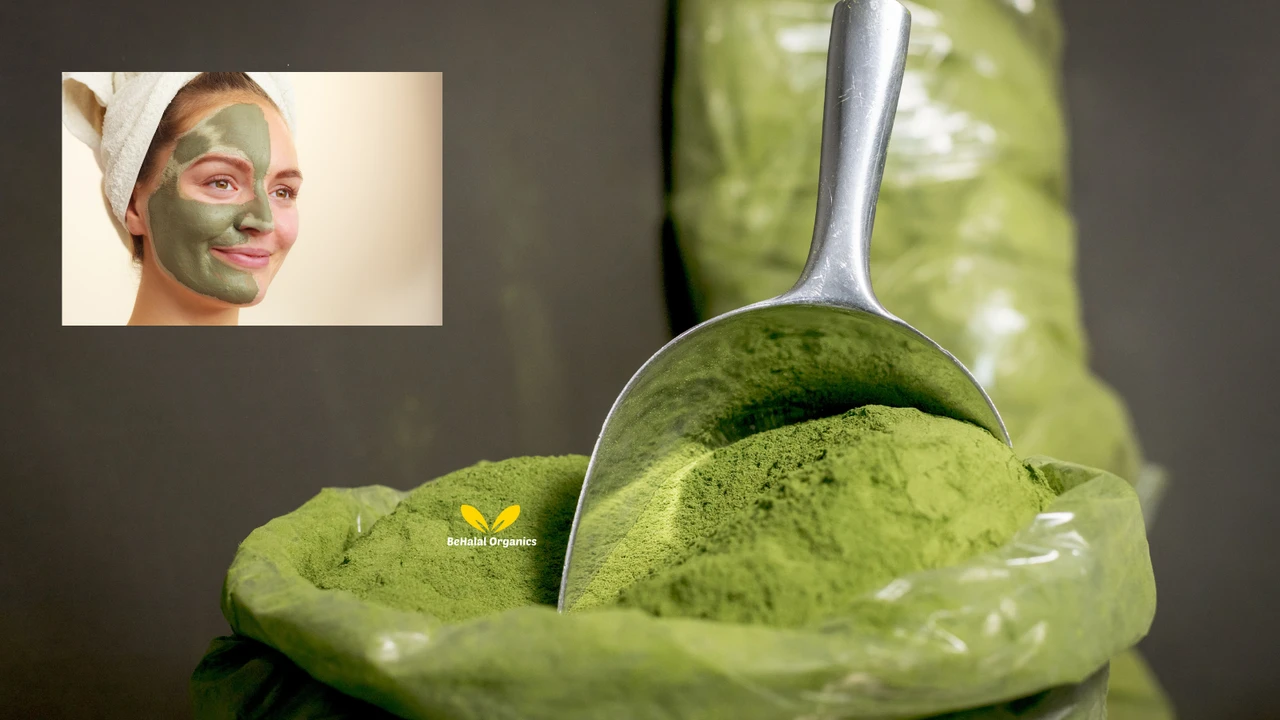
For skin care, Sidr powder is traditionally used as a botanical cleansing or masking ingredient. When mixed with water, it creates a greenish herbal paste that can be applied to the skin and then washed away. Some traditional sources report the use of Sidr leaves for wounds and skin conditions, but those historical applications should not be interpreted as proof that homemade Sidr preparations can treat infections or serious skin problems.
If you want to incorporate Sidr into a cosmetic routine, simplicity is usually better. Avoid combining numerous strong ingredients at once because it becomes difficult to determine what caused irritation if your skin reacts. Do not apply an herbal powder to an open wound, severely irritated skin, or around the eyes unless specifically advised by a qualified professional. A botanical ingredient can be useful as part of personal care without needing to be marketed as a medical treatment.
How to Use Sidr Leaves Powder
How you use Sidr depends largely on the product's intended purpose. For an external hair or skin routine, the powder can generally be mixed with a small amount of clean water until it reaches a smooth, spreadable consistency. It can then be applied for the recommended period and rinsed thoroughly. If the manufacturer provides specific preparation instructions, those should take priority because powders differ in fineness, concentration, processing, and intended use.
For products intended for consumption, the label is particularly important. Not every Sidr powder sold online is necessarily manufactured or labeled as a food product, so consumers should not assume that a cosmetic-grade powder is suitable to eat. Look for clear labeling about intended use, ingredients, storage, and preparation. If you are pregnant, breastfeeding, taking medication, or managing a medical condition, discussing regular use of concentrated herbal products with a qualified healthcare professional is a sensible precaution.
Sidr Leaves Powder vs. Fresh Sidr Leaves
Fresh Sidr leaves and Sidr leaves powder come from the same botanical source, but they are not identical in practical use. Fresh leaves contain their natural moisture and can be more difficult to store for extended periods. Powdered leaves are easier to portion, package, transport, and keep available for repeated use. Drying also changes the physical characteristics of the leaf, meaning the powder behaves differently when mixed with water.
Powder can be particularly convenient for hair and skin routines because you can measure a small quantity without needing access to a fresh Sidr tree. However, freshness and processing quality still matter. A well-produced powder should be properly dried and stored to protect it from moisture and contamination. When choosing between fresh leaves and powder, convenience, intended use, storage conditions, and product quality are all relevant factors.
What Does Sidr Leaves Powder Taste and Feel Like?
Sidr leaves powder has a distinctly earthy, herbal character. The flavor and aroma can vary depending on the plant's growing environment and how the leaves were dried, but it is not generally comparable to a sweet fruit powder. Its texture also depends on milling, with finely ground products feeling smoother and coarser powders retaining more noticeable plant particles.
When used externally, the powder can form a thick green herbal paste once water is added. This makes it particularly practical for hair and skin applications. If you are using it for the first time, remember that a natural botanical powder does not necessarily have the same smooth texture or fragrance as a commercial cosmetic product. That earthy quality is part of the experience of using a minimally processed plant ingredient.
How to Choose Quality Sidr Leaves Powder
A good Sidr leaves powder starts with a clearly identified botanical source. Look for products that state the plant name, intended use, ingredients, storage information, and other relevant product details. The packaging should protect the powder from moisture and contamination. If the powder has an unusual smell, visible mold, excessive moisture, or other obvious signs of deterioration, it should not be used.
It is also useful to avoid products that make unrealistic promises. Claims that a simple herbal powder can cure numerous unrelated diseases should immediately encourage a closer look at the product's credibility. Scientific research on Sidr is promising in several areas, but reviews repeatedly point out that more human research is needed to establish efficacy, dosage, and safety.
Is Sidr Leaves Powder Safe?
Sidr has a long history of traditional use, but "traditionally used" does not automatically mean "proven safe for everyone at every dose." Scientific reviews of Ziziphus spina-christi have specifically identified gaps in knowledge surrounding standardized dosing and human safety. The 2022 review concluded that additional well-designed clinical research is needed before the safety and efficacy of the plant can be fully established.
For topical use, people should watch for irritation or sensitivity, especially when trying the product for the first time. For internal use, greater caution is appropriate because concentrated botanical preparations may interact with medications or affect people differently. Children, pregnant or breastfeeding individuals, and people managing chronic conditions should obtain professional guidance before regularly consuming concentrated herbal products. Sidr powder can be appreciated as a traditional botanical ingredient without treating it as a substitute for professional medical care.
What Does Scientific Research Say About Sidr Leaves?
Scientific research on Ziziphus spina-christi has expanded considerably, but the evidence needs to be interpreted carefully. A comprehensive 2022 review examined 186 research articles and found that leaf extracts had been investigated for antioxidant, antimicrobial, antiparasitic, inflammation-related, obesity-related, and other biological activities. The same review reported that polyphenols and flavonoids were among the most frequently identified compound groups across the plant's chemical profile.
Other reviews have reached a similar broad picture: Ziziphus species contain numerous phytochemicals and have a long history of ethnomedicinal use. A 2020 review of the genus examined traditional applications, phytochemistry, pharmacological research, and toxicological evidence across the genus. The important takeaway is that Sidr is scientifically interesting, but research interest should not be confused with definitive clinical proof. More human trials, standardized preparations, and clearer dosage information are still needed.
Frequently Asked Questions About Sidr Leaves Powder
Can Sidr leaves powder be used on hair?
Yes, Sidr leaves have a long history of traditional hair-care use, and the powdered leaves can be incorporated into external hair routines. Some traditional reports associate Ziziphus spina-christi with applications involving dandruff and hair-related concerns. However, persistent scalp conditions or significant hair loss should be evaluated by a qualified healthcare professional rather than treated solely with an herbal powder.
Can Sidr leaves powder be used on the skin?
Sidr leaves have traditionally been used in some communities for skin-care purposes, including applications involving wounds and certain skin conditions. For cosmetic use, a simple diluted paste may be used externally depending on the product's intended instructions. Avoid applying it to seriously irritated or infected skin, and discontinue use if irritation occurs.
Does Sidr leaves powder contain vitamins and minerals?
Sidr leaves contain naturally occurring plant compounds, but precise vitamin and mineral values can vary according to the plant, growing conditions, processing method, and product. Scientific literature on Z. spina-christi has focused substantially on phytochemicals such as flavonoids, tannins, saponins, alkaloids, and triterpenes rather than establishing one universal nutrition profile for all Sidr leaf powders. For exact nutritional values, check the laboratory-tested nutrition information provided for the specific product.
Can Sidr leaves powder be consumed?
Some traditional practices involve internal use of preparations made from Ziziphus plant parts, but not every Sidr powder sold commercially is necessarily intended for consumption. Before consuming a product, check whether its label specifically identifies it as food-grade and provides appropriate directions. Research reviews also emphasize that human safety, standardized dosing, and efficacy for Z. spina-christi require further investigation.
Is Sidr leaves powder the same as jujube powder?
Not necessarily. Sidr commonly refers to Ziziphus spina-christi, while "jujube powder" often refers to the fruit or other material from different Ziziphus species, particularly Ziziphus jujuba. The genus contains many species, and their leaves, fruits, seeds, and other parts have different chemical profiles and traditional uses. Always check the botanical name on the package if you want to know exactly which plant material you are buying.
Conclusion
Sidr leaves powder is a simple botanical product with a fascinating history. Made from dried and ground leaves of Ziziphus spina-christi, it has traditionally been used in different communities for hair care, skin care, cleansing practices, and general wellness. Modern research has identified a diverse collection of phytochemicals in the plant, including flavonoids, polyphenols, tannins, saponins, alkaloids, and triterpenes, while laboratory and preclinical research has explored several biological activities.
The most useful way to think about Sidr powder is as a traditional botanical ingredient with an interesting scientific profile, not as a miracle cure. Research continues to explore what the plant's compounds may do, but human evidence remains limited in several areas, and researchers have called for better clinical studies and clearer safety and dosage information.
Whether you're interested in Sidr because of its cultural history, its use in traditional hair and skin routines, or its naturally occurring plant compounds, the key is choosing a quality product and using it according to its intended purpose. A little knowledge goes a long way: understand the plant, check the label, avoid exaggerated claims, and treat traditional knowledge and modern scientific evidence as two different pieces of the bigger picture.
Legal Disclaimer :
This Statements has not been evaluated by the FDA. This product is not intended to diagnose, treat, cure, or prevent any disease or health condition.
Explore Popular Articles
-

Mondia Whitei Honey: Potential Benefits and Important Considerations
13th Oct 2026Mondia Whitei Honey is a topic of interest for people exploring traditional African botanicals, hone
-

Sea Moss Powder with Elderberry: Benefits, Uses, and How to Take It
7th Oct 2026Sea Moss Powder with Elderberry: Benefits, Uses, and How to Take It Sea moss has become a familiar n
-
10 Potential Benefits of Bitter Kola You Should Know
6th Oct 2026Bitter kola, scientifically known as Garcinia kola, is one of those traditional West African foods t