
Why Pumpkin Seeds Are Considered a Nutrient-Dense Food
Why Pumpkin Seeds Are Considered a Nutrient-Dense Food
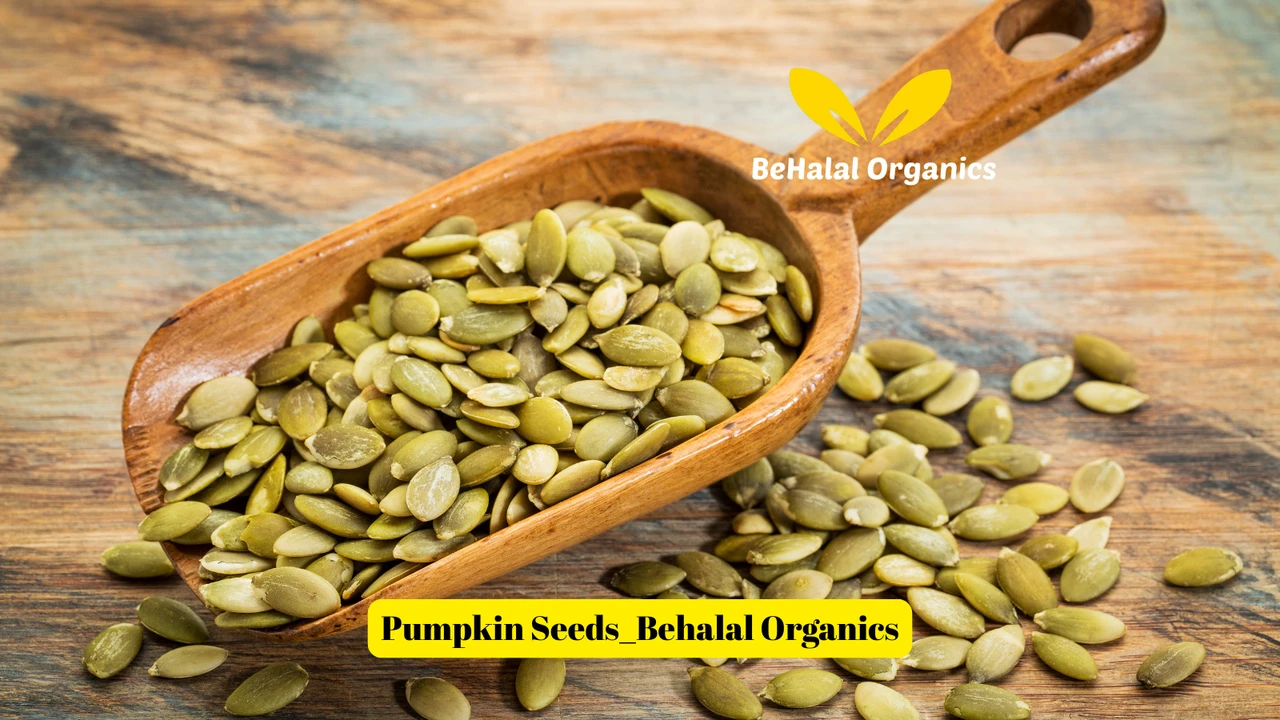
Pumpkin seeds may look small, but nutritionally, they are anything but ordinary. Often called pepitas when the edible inner seed is sold without its outer shell, pumpkin seeds have earned a reputation as one of those foods that can deliver a surprising amount of nutrition in a relatively small serving. They provide a combination of plant-based protein, unsaturated fats, dietary fiber, magnesium, zinc, iron, phosphorus, potassium, copper and other nutrients, making them much more than a crunchy topping for salads or soups. Recent scientific reviews continue to describe pumpkin seeds as a nutrient-dense food because they contain several important nutrients alongside beneficial plant compounds.
The idea of nutrient density is important because not all calories are created equal. Two foods might provide a similar amount of energy, yet one may contribute protein, minerals, healthy fats and other useful compounds while the other contributes comparatively little nutrition. Pumpkin seeds fall into the first category. Their compact size means you do not need a huge bowl to get meaningful amounts of several nutrients. For example, the National Institutes of Health lists 156 milligrams of magnesium in one ounce of roasted pumpkin seeds, equivalent to about 37% of the Daily Value. The same source lists roasted pumpkin seeds as providing about 2.2 grams of zinc per ounce, or 20% of the Daily Value.
That nutritional combination is what makes pumpkin seeds interesting for people who want to make their everyday meals more nourishing without making them complicated. You can sprinkle them over breakfast, blend them into smoothies, mix them into homemade granola, toss them into salads or simply enjoy a small handful as a snack. They are versatile, portable and easy to store, which gives them another advantage: healthy foods are much easier to eat regularly when they are convenient. So, why exactly are pumpkin seeds considered a nutrient-dense food? Let us take a closer look at what is inside these tiny seeds and how they can fit into a balanced lifestyle.
What Makes a Food Nutrient-Dense?
A nutrient-dense food provides a meaningful amount of essential nutrients relative to the calories it contains. In simple terms, think of it as getting more nutritional value from every bite. Foods such as seeds, nuts, beans, vegetables, fruits, whole grains and certain animal foods can all be nutrient-dense for different reasons. Pumpkin seeds stand out because they bring several nutritional categories together instead of relying on one particular nutrient. A serving can contribute protein and fats while also supplying minerals such as magnesium, zinc, iron and phosphorus.
This matters because the body does not rely on one nutrient to keep everything running smoothly. Your cells need minerals for hundreds of chemical reactions, protein supplies amino acids, fats contribute energy and help with the absorption of certain fat-soluble vitamins, and fiber supports digestive health. When a food offers several of these components at once, it becomes a useful addition to an overall eating pattern. A 100-gram serving of dried pumpkin and squash seed kernels contains roughly 30 grams of protein, 49 grams of fat and 6 grams of fiber, although serving sizes are normally much smaller than 100 grams.
The important point is not that you need to eat enormous amounts of pumpkin seeds. In fact, because they are energy-dense, portion size still matters. Instead, their value comes from what a reasonable serving can contribute to your overall diet. Adding a small amount to a meal can increase its nutritional variety without requiring a major change to the meal itself. That is one of the reasons pumpkin seeds fit so naturally into the concept of nutrient density: they are small, concentrated and nutritionally diverse.
Nutrients Packed Into a Small Serving
One of the easiest ways to understand pumpkin seeds is to look at what a relatively small serving contributes. One ounce of roasted pumpkin seeds provides approximately 156 milligrams of magnesium, according to the NIH, while also contributing zinc and other nutrients. That is impressive because an ounce is only about a small handful. You are not eating a giant portion to obtain these nutrients.
Pumpkin seeds also contain unsaturated fatty acids, protein and various minerals. A recent 2026 review of pumpkin seed composition highlights their combination of proteins, unsaturated fatty acids, dietary fiber, magnesium, zinc, iron, potassium and plant compounds. This broad nutritional profile is what separates them from foods that are mainly sources of one macronutrient.
There is also a practical benefit to this concentration. If your diet is already built around whole foods, pumpkin seeds can act almost like a nutritional booster for ordinary meals. Adding them to oatmeal, yogurt, salads or soups can introduce extra protein, fats and minerals without dramatically changing the food's flavor. Of course, they are not a magic food, and eating pumpkin seeds cannot compensate for a consistently unbalanced diet. Their strength is much simpler: they make it easier to add several useful nutrients to a varied diet.
Pumpkin Seeds and Their Impressive Nutritional Profile
The nutritional profile of pumpkin seeds explains much of their popularity. According to USDA-linked nutrition data, 100 grams of dried pumpkin and squash seed kernels contain approximately 559 calories, 30.2 grams of protein, 49.1 grams of fat and 6 grams of fiber. They also provide substantial amounts of magnesium, phosphorus, iron, zinc, copper and manganese. These figures illustrate why pumpkin seeds are considered concentrated foods: a small quantity contains a wide range of nutrients.
Their fat content is particularly notable, but it is important to look beyond the word "fat." Pumpkin seeds contain predominantly unsaturated fats, including monounsaturated and polyunsaturated fatty acids. Fat is an essential macronutrient, and the type of fat matters as part of an overall dietary pattern. Instead of thinking of pumpkin seeds as simply a "high-fat food," it makes more sense to view them as a source of energy-dense, nutrient-containing fats that can complement other whole foods.
Protein is another reason they attract attention. Nearly 30 grams of protein per 100 grams of kernels is substantial, although nobody needs to eat 100 grams at once to benefit from them. A smaller serving still contributes protein to the meal. This can be particularly useful for people who enjoy plant-based foods and want to include more varied protein sources. Pumpkin seeds are not a complete substitute for every other protein source, but they can be one piece of a diverse dietary puzzle.
Protein, Healthy Fats and Fiber
The combination of protein, unsaturated fats and fiber gives pumpkin seeds a nutritional profile that is more balanced than a snack consisting primarily of refined carbohydrates. Protein contributes amino acids, fats provide energy and support normal physiological processes, while fiber contributes to digestive health and can help make meals more satisfying. These nutrients work together rather than functioning in isolation.
Pumpkin seeds can therefore turn a light meal or snack into something more substantial. Sprinkle them over a bowl of oats and you add protein and fats. Add them to a salad and you introduce crunch alongside minerals. Blend them into a homemade seed butter and you create another way to incorporate their nutrients into your meals. This flexibility is part of what makes them so useful.
It is also important to remember that pumpkin seeds are calorie-dense. USDA-linked data places dried pumpkin seed kernels at around 559 calories per 100 grams. That does not make them unhealthy; it simply means that a sensible serving is more appropriate than mindlessly eating large quantities. Nutrient density and calorie density can exist together. The goal is not to avoid calorie-dense foods automatically, but to understand how they fit into your personal dietary needs.
Pumpkin Seeds Are Rich in Magnesium
Magnesium is one of the standout nutrients in pumpkin seeds. The mineral is involved in numerous processes throughout the body, including energy production, muscle and nerve function, and normal bone health. The NIH identifies nuts, seeds, legumes, whole grains and leafy green vegetables as important dietary sources of magnesium. In its food-source table, one ounce of roasted pumpkin seeds provides 156 milligrams of magnesium, or 37% of the Daily Value.
That makes pumpkin seeds particularly interesting when you are trying to increase magnesium through food rather than relying entirely on supplements. Magnesium does not work like a quick energy drink or stimulant; it is a mineral the body uses continuously in ordinary physiological processes. Because it participates in many enzyme reactions, getting enough through a varied diet matters.
However, it is better to avoid exaggerated claims about magnesium-rich foods. Eating pumpkin seeds does not automatically cure sleep problems, anxiety, muscle cramps or other health conditions. Their value is that they contribute magnesium as part of an overall nutritious eating pattern. If someone has a diagnosed deficiency or medical condition, dietary choices should be considered alongside appropriate professional guidance rather than treated as a replacement for medical care.
The Role of Zinc in Pumpkin Seeds
Zinc is another mineral that helps explain why pumpkin seeds are considered nutrient-dense. Zinc is involved in immune function, DNA and protein synthesis, cell division and wound healing. The NIH lists roasted pumpkin seeds among dietary sources of zinc, with one ounce providing approximately 2.2 milligrams, or 20% of the Daily Value.
This is a useful example of nutrient density because a modest serving can make a noticeable contribution toward daily nutritional needs. Zinc is required in relatively small amounts compared with some macronutrients, but that does not make it unimportant. The body needs a steady supply from food, and pumpkin seeds offer one plant-based option.
For people who eat mostly plant foods, pumpkin seeds can be one of several foods used to build a varied mineral-rich diet. Beans, whole grains, nuts and seeds can all contribute zinc, although the body's absorption of minerals from plant foods can vary. That is another reason variety matters. Rather than relying on one food, use pumpkin seeds alongside other nutrient-rich foods to create a broader nutritional foundation.
Pumpkin Seeds Provide Plant-Based Iron
Iron is another mineral found in pumpkin seeds. USDA-linked data reports approximately 8.8 milligrams of iron per 100 grams of dried pumpkin seed kernels, although the amount in an ordinary serving will be considerably smaller. Iron plays an essential role in oxygen transport and energy metabolism, which makes adequate intake important.
For people who eat plant-based diets, seeds can be a convenient way to diversify iron sources. Pumpkin seeds can be combined with legumes, leafy vegetables, whole grains and other plant foods to create meals with a broad mineral profile. Vitamin C-rich foods can also be included in meals because vitamin C can improve absorption of non-heme iron from plant foods.
Still, pumpkin seeds should not be marketed as a treatment for anemia. Having iron in a food does not mean that eating that food alone will correct iron deficiency. Iron status depends on intake, absorption, losses and individual circumstances. Anyone with suspected or diagnosed iron deficiency should speak with a qualified healthcare professional rather than relying solely on food-based claims.
Why Phosphorus Matters
Phosphorus is another mineral present in substantial quantities in pumpkin seeds. It is involved in bone and tooth structure, energy metabolism and cellular processes. USDA-linked nutrition data shows that 100 grams of dried pumpkin seed kernels provide more than 1,200 milligrams of phosphorus, illustrating just how mineral-rich these seeds can be.
Phosphorus is not usually the nutrient people think about when they hear "pumpkin seeds," yet its presence contributes to their overall nutrient density. This is a recurring theme with seeds: they may contain nutrients that do not receive as much attention in everyday food conversations. When several minerals appear together in one food, the food becomes a convenient addition to a varied eating pattern.
At the same time, more is not always better. People with certain medical conditions, particularly those who have been advised to limit phosphorus intake, may need to moderate high-phosphorus foods. This is why nutrition advice should always consider the individual rather than treating every food as universally beneficial. For most healthy people, pumpkin seeds can be enjoyed as part of a balanced diet, but special dietary needs deserve individualized guidance.
Pumpkin Seeds and Heart-Friendly Fats
Pumpkin seeds contain a considerable amount of fat, but much of that fat comes from unsaturated fatty acids. Dietary fats are not automatically harmful; the quality and overall dietary context matter. Replacing foods high in saturated fats with sources of unsaturated fats is generally consistent with heart-conscious dietary patterns.
Pumpkin seeds also contain plant compounds such as phytosterols, which have attracted scientific interest. A 2026 review describes pumpkin seeds as containing phytosterols, antioxidants, lignans and other bioactive compounds, while also emphasizing that further human research is needed to understand the extent of specific health effects. That distinction matters because laboratory or preclinical findings do not automatically mean the same effect occurs in humans eating ordinary portions.
The practical takeaway is straightforward. Pumpkin seeds can be one source of unsaturated fats in a balanced diet, particularly when they replace less nutritious snack choices. You do not need to turn them into a miracle food to appreciate their nutritional value. Their combination of fats, protein, minerals and fiber already makes them a useful whole-food option.
The Fiber Content of Pumpkin Seeds
Fiber is another component that contributes to the nutritional value of pumpkin seeds. USDA-linked data lists approximately 6 grams of fiber per 100 grams of dried kernels, with roasted kernels providing around 6.5 grams per 100 grams. While an ordinary serving provides less than those 100-gram figures, pumpkin seeds can still contribute to total daily fiber intake.
Fiber supports normal digestive function and contributes to a varied, plant-rich diet. It can also make foods more satisfying because fiber-rich foods tend to take longer to chew and digest. Pumpkin seeds work particularly well alongside other high-fiber foods such as fruits, vegetables, legumes and whole grains.
The key is to think about the whole diet rather than expecting one ingredient to provide all the fiber you need. A handful of pumpkin seeds added to a meal is helpful, but it is not a substitute for eating vegetables, fruits, beans and whole grains. Think of pumpkin seeds as one player on the team rather than the entire team.
Antioxidants and Plant Compounds in Pumpkin Seeds
Pumpkin seeds contain more than macronutrients and minerals. They also contain a range of plant compounds, including phytosterols, phenolic compounds, lignans, carotenoids and other bioactive substances. A recent scientific review identifies several of these compounds and discusses their potential antioxidant and other biological activities.
Antioxidants are often discussed as though they were a single magical substance, but the reality is more complicated. Foods contain many different compounds that interact with the body in different ways. Eating a variety of plant foods provides a broader range of these naturally occurring compounds than relying on a single "superfood."
This is another reason pumpkin seeds fit nicely into a whole-food diet. Their nutritional value comes from the combination of different components rather than one isolated ingredient. Researchers continue to investigate these compounds, but it is important to separate promising research from proven clinical outcomes. Eating pumpkin seeds can contribute to a nutritious diet, but claims that they independently prevent or cure diseases go beyond the evidence.
Pumpkin Seeds as a Convenient Protein Source
Protein is one of the biggest nutritional attractions of pumpkin seeds. Dried pumpkin seed kernels contain roughly 30 grams of protein per 100 grams, according to USDA-linked nutrition data. That is a substantial amount for a plant food, although a typical serving is much smaller.
The beauty of pumpkin seed protein is convenience. You can add the seeds to meals without cooking a separate protein source. A spoonful can go into porridge, yogurt, smoothies or salads, making it easier to increase protein variety throughout the day. For people who prefer plant-forward eating, that flexibility can be especially useful.
Pumpkin seeds do not need to carry the entire responsibility for meeting protein requirements. Pairing different protein-containing foods throughout the day creates a more diverse nutritional pattern. Beans, lentils, peas, whole grains, nuts, seeds, eggs, dairy products or other protein foods can all play a role depending on your dietary preferences.
How Pumpkin Seeds Can Fit Into a Balanced Diet
The easiest way to use pumpkin seeds is to treat them as an addition rather than a replacement for an entire food group. A small handful can add texture to breakfast, while a tablespoon can make a salad more satisfying. You can also combine pumpkin seeds with other seeds and nuts to create a homemade snack mix.
They are especially useful because they can fit into meals you already enjoy. There is no need to create elaborate recipes just to eat them. Add them to oatmeal, sprinkle them over roasted vegetables, mix them into homemade energy bites or use them as a crunchy topping for soups. Small habits like these can make a healthy diet feel more realistic.
The broader principle is consistency. One nutritious meal does not transform health overnight, just as one less nutritious meal does not ruin an otherwise balanced diet. Pumpkin seeds are valuable because they make it easy to add nutrients regularly without requiring a dramatic lifestyle overhaul.
Pumpkin Seeds, Satiety and Everyday Snacking
If you are trying to make snacks more nutritious, pumpkin seeds can be an appealing option because they combine protein, fat and fiber. Those nutrients can make a snack feel more substantial than foods that mainly provide refined carbohydrates. A small portion can therefore work well between meals or alongside fruit.
However, pumpkin seeds are easy to overeat because they are compact and energy-dense. USDA-linked data puts dried pumpkin seed kernels at roughly 559 calories per 100 grams. That is why portion awareness matters even when the food itself is nutritious.
A simple strategy is to portion them into a small container rather than eating directly from a large bag. This lets you enjoy their crunch without accidentally turning a small snack into several servings. Nutrient-dense does not mean unlimited, and understanding that distinction makes it easier to use pumpkin seeds intelligently.
Raw vs. Roasted Pumpkin Seeds
Both raw and roasted pumpkin seeds can be nutritious, although preparation can affect their nutritional composition and the overall product you are eating. Unsalted roasted pumpkin seeds can provide substantial amounts of magnesium, zinc, protein and other nutrients. USDA-linked data lists roasted, unsalted kernels at around 574 calories, 29.8 grams of protein, 49.1 grams of fat and 6.5 grams of fiber per 100 grams.
The bigger issue is often what gets added during preparation. Salted varieties can contain significantly more sodium, while sugar-coated versions may contain added sugars. If you are eating pumpkin seeds regularly, plain or lightly seasoned varieties can make it easier to control what else comes with the seeds.
Roasting can also make pumpkin seeds more enjoyable for people who prefer a crisp texture. Ultimately, the best choice is the one that fits your eating habits while keeping unnecessary additions modest. A nutritious food should also be enjoyable, because food habits are much easier to maintain when taste and nutrition work together.
Pumpkin Seeds With Shells vs. Shelled Seeds
You may see pumpkin seeds sold both with their outer shells and as shelled kernels. The edible inner kernel is often called a pepita. The shell changes the texture and can also affect the amount of fiber and the way the seed is eaten.
Shelled pumpkin seeds are particularly convenient because they can be eaten immediately and easily added to recipes. They are also common in packaged snacks, baking products and seed mixes. Shell-on varieties can require more effort to eat, but some people enjoy that traditional roasted-seed experience.
Whichever form you choose, look at the overall ingredient list and preparation method. A simple package containing pumpkin seeds is very different from one heavily coated with salt, sugar or other ingredients. The nutritional value of the seed remains important, but the final product you purchase matters too.
How Much Pumpkin Seed Should You Eat?
There is no single perfect pumpkin seed serving size for everyone. Your ideal portion depends on your overall calorie needs, dietary pattern and what else you are eating throughout the day. Because pumpkin seeds are concentrated sources of energy and nutrients, a small handful can be enough for many people.
A practical starting point is around one ounce, which is roughly 28 grams. This is also the serving size commonly used in nutrition references when discussing nutrients such as magnesium and zinc. The NIH reports 156 milligrams of magnesium in one ounce of roasted pumpkin seeds, demonstrating how nutritionally significant that modest serving can be.
If you are adding pumpkin seeds to meals, you may naturally use smaller amounts. A tablespoon sprinkled over oatmeal or salad can still contribute nutrients while adding texture. The goal is not to chase a particular number but to use pumpkin seeds as part of a balanced and varied diet.
Easy Ways to Add Pumpkin Seeds to Your Meals
One of the best things about pumpkin seeds is how little effort they require. You can add them to foods you already eat instead of creating an entirely new meal plan. Try sprinkling them over oatmeal, yogurt, fruit bowls or salads. They can also provide a crunchy topping for soups, roasted vegetables and grain bowls.
For breakfast, pumpkin seeds can work particularly well with oats, smoothies or homemade granola. At lunch, they can add texture to a vegetable salad or rice bowl. At dinner, they can be blended into sauces or sprinkled over roasted vegetables. Between meals, a small portion can serve as a simple snack.
You can also experiment with pumpkin seed butter, homemade trail mixes or baked recipes. The important thing is to keep the ingredient list sensible and avoid turning a naturally nutritious seed into a heavily sugar-coated or excessively salted snack. The simpler the preparation, the easier it is to appreciate what the seed itself brings to the table.
What to Look for When Buying Pumpkin Seeds
When shopping for pumpkin seeds, start with the ingredient list rather than the front of the package. Plain pumpkin seeds are usually the simplest option. If you prefer roasted seeds, look for products without excessive added salt, sugar or unnecessary flavoring ingredients.
Packaging also matters. Seeds contain fats, so storing them properly helps maintain quality. If you buy them in bulk, keep them in a cool, dry environment and follow the storage instructions on the package. Some people prefer refrigeration for longer storage, especially when buying larger quantities.
Quality is also about how the product fits your needs. If you want pumpkin seeds for cooking, plain shelled kernels may be the most convenient. If you want an occasional snack, roasted varieties may be more appealing. The best choice is the one that makes it easy for you to incorporate them into your regular diet.
Are Pumpkin Seeds Suitable for Everyone?
For most people, pumpkin seeds can be part of a balanced diet, but no food is suitable for absolutely everyone. People with seed allergies should avoid pumpkin seeds and seek appropriate medical advice if they experience allergic symptoms. Individuals with certain medical conditions or dietary restrictions may also need to consider their intake of minerals such as phosphorus.
Digestive tolerance is another consideration. Eating a large quantity of seeds suddenly can be uncomfortable for some people, particularly if their usual diet is relatively low in fiber. Starting with a modest portion and increasing gradually can be a more comfortable approach.
Preparation matters too. People who need to limit sodium should be cautious with heavily salted pumpkin seeds. Recent medical nutrition guidance also emphasizes that pumpkin seeds are a nutritious food rather than a treatment for disease, and that portion size and individual circumstances matter.
Pumpkin Seed Capsules as Another Convenient Option
Whole pumpkin seeds are a versatile food, but some people prefer the convenience of a capsule format. A capsule can be easier to incorporate into a daily routine for someone who does not regularly prepare seeds or who simply prefers supplements to food-based snacks. It is important, however, to remember that a capsule is not nutritionally identical to eating whole pumpkin seeds, particularly because whole seeds provide protein, fats, fiber and other food components.
If you are looking for a convenient pumpkin seed supplement, the pumpkin seed capsule is available on Behalal Organics. This provides another option for people who are interested in adding pumpkin seed products to their wellness routine. As with any supplement, it is sensible to follow the product directions and consider your individual dietary needs.
The larger nutritional picture still matters. A capsule should not be viewed as a replacement for vegetables, fruits, whole grains, legumes, nuts, seeds or other whole foods. Think of it as an optional convenience product rather than a shortcut around healthy eating. When combined with a balanced diet and sensible lifestyle habits, convenient products can sometimes make consistency easier.
Conclusion: Why Pumpkin Seeds Deserve a Place in Your Diet
So, why are pumpkin seeds considered a nutrient-dense food? The answer comes down to their remarkable combination of nutrients in a relatively small package. They provide plant-based protein, unsaturated fats, fiber and important minerals such as magnesium, zinc, iron, phosphorus, copper and manganese. Scientific reviews also identify a variety of plant compounds in pumpkin seeds, including phytosterols, phenolic compounds and lignans.
Their magnesium content is particularly impressive, with one ounce of roasted pumpkin seeds providing approximately 156 milligrams, or 37% of the Daily Value. Their zinc and iron content further strengthens their nutritional profile, while their protein and healthy fats make them more substantial than many conventional snack foods. None of this means pumpkin seeds are a miracle cure or that you need to eat huge quantities. Their real advantage is much more practical: they can add meaningful nutrition to an already balanced diet.
Whether you enjoy them sprinkled over breakfast, tossed into salads, blended into recipes or eaten as a simple snack, pumpkin seeds are an easy way to increase dietary variety. And if you prefer a convenient supplement format, pumpkin seed capsules are available on Behalal Organics. The smartest approach is to enjoy pumpkin seeds as one part of a diverse eating pattern rather than expecting one food to do everything. Sometimes, the smallest foods really can make a surprisingly big contribution to your plate.
Frequently Asked Questions About Pumpkin Seeds
1. Why are pumpkin seeds considered nutrient-dense?
Pumpkin seeds are considered nutrient-dense because they provide several important nutrients in a relatively small serving. They contain protein, unsaturated fats, fiber and minerals such as magnesium, zinc, iron and phosphorus. One ounce of roasted pumpkin seeds provides about 156 milligrams of magnesium, according to the NIH. Their combination of macronutrients and micronutrients is what makes them stand out nutritionally.
2. Are pumpkin seeds a good source of magnesium?
Yes. Pumpkin seeds are one of the richer food sources of magnesium. The NIH lists one ounce of roasted pumpkin seeds as providing approximately 156 milligrams of magnesium, equivalent to 37% of the Daily Value. They can therefore be a useful food-based way to increase magnesium intake as part of a varied diet.
3. Do pumpkin seeds contain protein?
Yes. Pumpkin seed kernels are relatively high in plant-based protein. USDA-linked nutrition data lists approximately 30 grams of protein per 100 grams of dried pumpkin seed kernels. A normal serving is much smaller than 100 grams, but even a modest amount can contribute protein to meals and snacks.
4. Are pumpkin seeds better raw or roasted?
Both raw and roasted pumpkin seeds can be nutritious. The bigger consideration is what happens during preparation, particularly the amount of added salt, sugar or oil. Unsalted roasted pumpkin seeds remain a concentrated source of protein, fats, fiber and minerals. Choose the preparation you enjoy while keeping added ingredients in mind.
5. Where can I get pumpkin seed capsules?
If you prefer pumpkin seed capsules rather than eating the whole seeds, pumpkin seed capsules are available on Behalal Organics. They offer a convenient capsule format for people who prefer incorporating pumpkin seed products into their routine without preparing the seeds as a food. Always follow the product directions and consider your individual nutritional needs.
DISCLAIMER
This blog has not been approved by your local health department and is not intended to provide diagnosis, treatment, or medical advice. The content provided on this blog is for informational purposes only. Please consult with a physician or other healthcare professional regarding any medical or health-related diagnosis or treatment options. Information on this blog should not be considered as a substitute for advice from a healthcare professional. The claims made about specific products throughout this blog are not approved to diagnose, treat, cure, or prevent disease.
Explore Popular Articles
-
Soursop Leaves vs Soursop Fruit: Uses and Differences
24th Sep 2026Soursop is one of those tropical plants that seems to have a story attached to almost every part of
-
What Is Sidr Leaves Powder? Benefits, Uses, and Nutrition
23rd Sep 2026Article Outline H1: What Is Sidr Leaves Powder? Benefits, Uses, and Nutrition H2: What Is Sidr Lea
-
Irish Sea Moss Powder: Nutrition Facts, Minerals, and Uses
22nd Sep 2026Sea moss has become one of those marine foods that seems to show up everywhere—from smoothie recipes