
What Is Qust al-Hindi? Uses, Benefits, and Traditional Importance
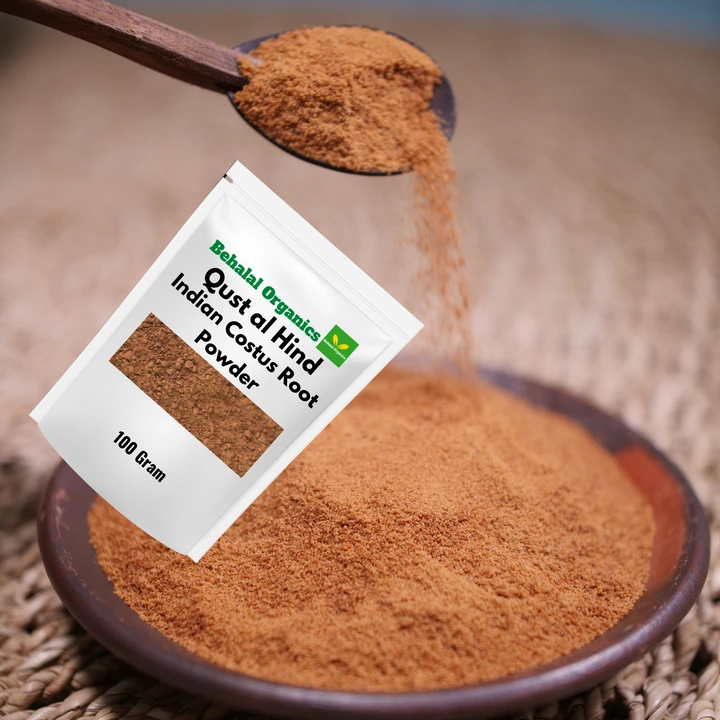
What Is Qust al-Hindi? Uses, Benefits, and Traditional Importance
Article Outline
- H1: What Is Qust al-Hindi? Uses, Benefits, and Traditional Importance
- H2: What Is Qust al-Hindi?
- H3: The Botanical Identity of Qust al-Hindi
- H3: Other Names Used for Qust al-Hindi
- H2: Where Does Qust al-Hindi Come From?
- H3: The Himalayan Roots of Costus
- H2: Qust al-Hindi in Traditional Herbal Medicine
- H3: Its Place in Ayurveda, Unani, and Other Traditions
- H2: Traditional Uses of Qust al-Hindi
- H3: Digestive and Gastrointestinal Traditions
- H3: Respiratory and Seasonal Wellness Traditions
- H2: Potential Benefits of Qust al-Hindi
- H3: Plant Compounds Being Studied
- H3: Antioxidant and Anti-Inflammatory Research
- H2: How Is Qust al-Hindi Traditionally Used?
- H3: Powder, Root, Oil, and Modern Capsules
- H2: Qust al-Hindi and Modern Scientific Research
- H2: Is Qust al-Hindi Safe to Use?
- H2: How to Choose Qust al-Hindi
- H2: Where to Find Qust al-Hindi Root
- H2: Conclusion
- H2: FAQs
- H2: What Is Qust al-Hindi?
What Is Qust al-Hindi?
If you have come across Qust al-Hindi, Indian Costus, Costus Root, or Kuth, you may have wondered whether these names refer to different herbs. In many contexts, they point to the same traditional botanical: Saussurea costus, a plant whose root has been valued across several Asian traditional medicine systems for generations. The herb has a particularly interesting history because it sits at the intersection of traditional herbal practice, historical trade, and modern botanical research. Recent scientific literature continues to examine the plant's chemistry and biological properties, while traditional practitioners have long used the root in preparations intended to support everyday wellness.
Qust al-Hindi is essentially a traditional name associated with Indian Costus root, rather than the name of a modern pharmaceutical drug. The plant belongs to the Asteraceae family, the same broad botanical family that includes plants such as sunflowers and daisies, although its appearance and traditional uses are quite different. The part most commonly discussed in herbal literature is the root or rhizome, which has a distinctive strong aroma and bitter character. Historically, this material has been dried, powdered, infused, incorporated into traditional preparations, or processed into other herbal forms.
What makes Qust al-Hindi particularly fascinating is that its story is much bigger than a list of supposed health benefits. It is connected with traditional knowledge systems in India and other parts of Asia, and its use has been documented in Ayurveda, Unani, Siddha, Tibetan medicine, and related traditions. Modern researchers have also identified naturally occurring compounds such as costunolide, dehydrocostus lactone, and cynaropicrin, which are among the constituents being investigated for their biological activity.
That distinction matters. Traditional use can tell us why people have valued a plant for generations, but it does not automatically prove that every traditional claim has been clinically established. Research into Qust al-Hindi is developing, and a 2026 review specifically noted gaps in clinical evidence and the need for further verification of proposed mechanisms and applications.
The Botanical Identity of Qust al-Hindi
The botanical name most commonly associated with Indian Costus is Saussurea costus, although older literature frequently uses the name Saussurea lappa. You may also encounter Aucklandia costus or Aucklandia lappa in botanical and ethnopharmacological publications. These naming differences can make online research confusing, especially when someone is trying to determine whether two products are actually referring to the same traditional plant. Scientific reviews recognize these names as part of the taxonomic history surrounding costus.
The root is the part that has attracted much of the traditional and scientific attention. It contains naturally occurring plant chemicals belonging to groups such as sesquiterpene lactones, alongside other compounds that contribute to the plant's characteristic chemistry. Costunolide and dehydrocostus lactone are particularly well-known constituents discussed in scientific literature. Researchers have investigated extracts and isolated compounds in laboratory and preclinical settings, but results from those studies should not be confused with proof that consuming the raw herb will produce the same effects in humans.
That is one reason it is useful to approach Qust al-Hindi with curiosity rather than exaggerated promises. A traditional herb can be culturally important and scientifically interesting without being a replacement for medical treatment. Its value is best understood by looking at its history, composition, traditional applications, and the current state of research together.
Other Names Used for Qust al-Hindi
One of the easiest ways to recognize Qust al-Hindi is to become familiar with its different names. Depending on the region, language, traditional system, or product label, it may appear as Indian Costus, Costus Root, Kuth, Qusth, Qust al-Hindi, Saussurea costus, or Saussurea lappa. Historical literature also records several regional names across India.
The word Qust is particularly familiar in traditional Arabic and Unani contexts, while Kuth is commonly encountered in Indian herbal literature. This variety of names is not unusual for an herb with a long trading and medicinal history. A plant can travel across regions while its local name changes, much like a person may have different names or nicknames in different communities.
When shopping for the herb, paying attention to the botanical name can therefore be useful. It helps distinguish the intended plant from products that may use similar common names. A reputable product listing should ideally make the botanical identity clear rather than relying only on a broad term such as "costus."
Where Does Qust al-Hindi Come From?
Qust al-Hindi has strong historical connections with the Himalayan region, particularly areas of the northwestern Himalayas. Scientific literature describes Saussurea costus as a Himalayan medicinal plant associated with high-altitude environments. Historical botanical reviews have documented its occurrence in parts of India and neighboring Himalayan areas.
The plant's natural habitat is part of what makes its story so important. It is not simply a common kitchen herb that grows everywhere. The demand for its roots, combined with harvesting from wild populations, has raised serious conservation concerns. CITES currently lists Saussurea costus in Appendix I, reflecting the international conservation importance attached to the species.
That conservation background is worth remembering when buying costus products. The popularity of a medicinal plant can create pressure on natural populations, especially when the root itself is harvested. Research on the plant has therefore increasingly discussed cultivation, sustainable harvesting, and conservation alongside its traditional and pharmacological potential.
The Himalayan Roots of Costus
The Himalayan environment gives Qust al-Hindi a distinctive botanical story. The plant has historically been associated with mountainous regions at relatively high elevations, where environmental conditions differ considerably from lowland agricultural areas. Its roots became valuable not only locally but also through medicinal and commercial trade.
The conservation issue also demonstrates something important about traditional herbs: natural does not automatically mean unlimited. A plant can be natural, culturally significant, and useful while still requiring responsible sourcing. For consumers, choosing products from sellers who provide clear information about what they are selling is one practical step toward making more informed decisions.
Qust al-Hindi in Traditional Herbal Medicine
Qust al-Hindi has been used in several traditional medical systems for a very long time. A recent 2026 review describes Saussurea costus as having nearly two thousand years of medicinal history, with traditional applications including digestive support, movement of "qi" in Chinese medicine frameworks, and traditional approaches to discomfort and pain.
In Ayurvedic, Unani, and Siddha traditions, the root has appeared in preparations addressing a range of traditional wellness concerns. Historical literature has described its use in preparations associated with respiratory complaints, digestive problems, inflammatory conditions, and other concerns. These historical applications help explain why Qust al-Hindi remains recognizable today, even though modern medicine requires a different standard of evidence before a health claim can be considered clinically established.
There is also a wider cultural dimension to the herb. Traditional medicine is not simply a collection of ingredients; it is often a system of knowledge passed from one generation to another. Qust al-Hindi's continued presence in herbal practice reflects that continuity. People interested in traditional wellness may therefore value it not only because of its botanical properties but also because of its historical significance.
Traditional Uses of Qust al-Hindi
Traditional uses of Qust al-Hindi vary depending on the culture and preparation. Historical sources describe the root being used in preparations associated with digestive comfort, respiratory wellness, inflammation, pain, and other traditional health concerns. Some practices used powdered root, while other preparations involved oils, pastes, or combinations with additional herbs and ingredients.
It is important to use the phrase "traditionally used" carefully. Saying that a plant has traditionally been used for a particular purpose is different from saying that modern clinical research has proven it treats a disease. The distinction becomes especially important when discussing herbs online, because traditional knowledge and laboratory research are sometimes presented as though they are interchangeable. They are not.
Instead, think of traditional use as the starting chapter of the story. Modern research asks additional questions: Which compounds are present? How do they behave in laboratory models? How are they absorbed and metabolized? What doses are appropriate? What interactions or safety concerns exist? These questions are still being explored for Qust al-Hindi.
Digestive and Gastrointestinal Traditions
Digestive wellness is one of the recurring themes in the traditional history of costus. Historical sources describe preparations involving the root in connection with stomach and gastrointestinal complaints. A 2026 review also identifies supporting digestion as one of the plant's longstanding traditional applications.
This historical use is one reason Qust al-Hindi continues to attract attention from people interested in traditional digestive herbs. Still, digestive discomfort can have many causes, and persistent symptoms should not simply be covered up with an herbal product. Problems such as recurring abdominal pain, unexplained weight loss, blood in stool, prolonged vomiting, or persistent digestive changes warrant professional medical evaluation.
Respiratory and Seasonal Wellness Traditions
Qust al-Hindi also has a long history of traditional use in preparations associated with respiratory wellness. Older ethnobotanical literature describes the root in traditional approaches to cough and respiratory complaints, while more recent reviews continue to document respiratory-related traditional applications.
Modern consumers may therefore encounter Qust al-Hindi in discussions about seasonal wellness or traditional respiratory support. However, an herbal supplement should not be presented as a substitute for appropriate treatment of asthma, pneumonia, severe allergies, infections, or other respiratory diseases. Traditional relevance is valuable, but serious symptoms require proper assessment.
Potential Benefits of Qust al-Hindi
Interest in Qust al-Hindi today goes beyond historical use. Researchers have examined extracts and compounds from Saussurea costus for several biological activities, including antioxidant, anti-inflammatory, antimicrobial, and other effects. Reviews published in recent years describe promising findings from laboratory and animal studies, while also emphasizing that more research is needed before these findings can be translated into reliable human-health recommendations.
That creates an interesting middle ground. It would be inaccurate to say that Qust al-Hindi has no scientific basis at all, because researchers have identified bioactive compounds and observed biological activity in experimental studies. At the same time, it would be equally inaccurate to turn laboratory findings into guaranteed health outcomes for people. Science works through layers of evidence, and Qust al-Hindi still has important gaps between traditional use, laboratory research, and large-scale human clinical evidence.
Plant Compounds Being Studied
Among the compounds frequently discussed in Qust al-Hindi research are costunolide, dehydrocostus lactone, and cynaropicrin. These belong to chemical groups that have attracted interest because of their biological activity in experimental research. Scientists are investigating how such compounds interact with biological pathways and whether they may eventually have useful applications.
The presence of a bioactive compound does not mean that taking the whole herb produces a predictable medicinal effect. Concentration, preparation method, extraction technique, dose, absorption, metabolism, and interactions can all influence what happens in the body. This is why researchers continue to distinguish between an isolated compound showing activity in a laboratory and a finished herbal supplement being demonstrated as effective in humans.
Antioxidant and Anti-Inflammatory Research
Antioxidant and anti-inflammatory activity are among the areas frequently investigated in studies of Saussurea costus. Laboratory and preclinical research has reported biological effects that may help explain why the plant has historically been used in traditional preparations associated with inflammation and discomfort.
Still, "anti-inflammatory" in a laboratory study does not automatically mean that an herbal capsule should be considered an anti-inflammatory medicine. Human biology is much more complicated than a test tube, and clinical effectiveness requires appropriate human research. The newest comprehensive review published in 2026 specifically identified the lack of sufficient clinical evidence as an important research gap.
How Is Qust al-Hindi Traditionally Used?
Historically, Qust al-Hindi has been prepared in several ways. Dried root and powdered root are among the best-known forms, while traditional preparations may also involve oils, pastes, or mixtures with other ingredients. The appropriate preparation has historically depended on the cultural tradition, purpose, and practitioner.
Today, capsules provide a much simpler option for people who prefer a measured supplement format. They remove some of the inconvenience associated with handling strongly aromatic powdered herbs. However, convenience should not be mistaken for proof of effectiveness; the quality of the raw material, formulation, labeling, and responsible use remain important.
Powder, Root, Oil, and Modern Capsules
Traditional herbal products can look very different from modern supplements. A raw root may be dried and ground into powder, while an oil preparation may use the botanical material in a different way. Capsules, meanwhile, offer a standardized serving format that many consumers find easier to incorporate into an everyday routine.
If you are purchasing Qust al-Hindi, check the botanical name, amount per serving, ingredients, serving instructions, and manufacturer information. These details make it easier to understand exactly what you are buying. When possible, choose products that clearly identify the plant rather than relying on vague terms such as "herbal blend."
Qust al-Hindi and Modern Scientific Research
Modern research into Saussurea costus is surprisingly broad. Scientific reviews have examined its phytochemistry, ethnobotanical history, pharmacological properties, pharmacokinetics, and possible applications. A review published in 2026 described the research landscape as promising but incomplete, emphasizing the need to move from traditional claims and experimental findings toward stronger clinical verification.
Earlier comprehensive reviews similarly identified biological activities involving inflammation, ulcers, microbial activity, liver protection, and other areas. Many of these findings come from in vitro or animal research, however, and therefore should be regarded as preliminary rather than definitive evidence for human treatment.
This distinction is especially important when reading online articles about herbal supplements. A headline might say that a plant "fights inflammation," but the underlying study could have been performed entirely on cultured cells. That is useful scientific information, but it is not the same as a clinical trial showing that people experience a particular health benefit.
For Qust al-Hindi, the most responsible approach is therefore to appreciate what researchers have discovered while remaining honest about what remains unknown.
Is Qust al-Hindi Safe to Use?
"Natural" is not synonymous with "risk-free." Qust al-Hindi contains biologically active plant compounds, so responsible use matters. People who are pregnant or breastfeeding, taking prescription medicines, managing a medical condition, or preparing for surgery should discuss herbal supplements with a qualified healthcare professional before use.
Another consideration is product quality. Herbal supplements can vary depending on the identity and quality of the raw material, processing, storage, and manufacturing practices. Because Qust al-Hindi has a long history and several botanical names, confirming the identity of the ingredient is particularly useful.
Anyone experiencing significant or persistent symptoms should also avoid using an herbal product as a substitute for diagnosis. If a person has breathing difficulty, severe abdominal pain, unexplained bleeding, a serious allergic reaction, or another urgent symptom, professional medical attention should take priority.
How to Choose Qust al-Hindi
Choosing a Qust al-Hindi product does not have to be complicated. Start by checking whether the product clearly identifies Saussurea costus or the accepted botanical synonym used by the manufacturer. Then look at the ingredient list and determine whether the product contains pure costus or a mixture of several botanicals.
It is also useful to examine the serving size and form. Some people prefer loose powder because it resembles traditional preparation methods, while others prefer capsules because they are convenient and easier to measure. Whichever format you choose, follow the manufacturer's directions rather than assuming that a larger amount will produce better results.
Finally, consider transparency. A trustworthy product listing should tell you what is inside the product, how it is presented, and how it should be used. Clear labeling is not glamorous, but when you're buying an herbal supplement, it is one of the most useful signs to look for.
Where to Find Qust al-Hindi Root
For those looking for Qust al-Hindi / Indian Costus Root, the ingredient is available from Behalal Organics in capsule form. The current product listing identifies it as Qust al Hindi (Indian Costus Root) Capsules, made with 500 mg of Qust al-Hindi per vegetarian capsule, with 100 capsules in the bottle. The listing also states that the formula contains no binders, fillers, additives, or dyes.
Shop Qust al Hindi (Indian Costus Root) at Behalal Organics
The product page gives a suggested use of 2–3 capsules daily, preferably with meals, or as directed by a qualified healthcare professional. It also carries a health disclaimer advising people who are pregnant, nursing, taking medications, or managing medical conditions to consult a healthcare provider before use.
If you are specifically searching for Qust al-Hindi root, this makes Behalal Organics an option worth considering. As with any herbal supplement, read the product label carefully and choose the format that fits your needs and circumstances.
Conclusion
Qust al-Hindi is far more than a trending herbal ingredient. Known by names such as Indian Costus, Costus Root, Kuth, Qusth, and Saussurea costus, it has a long history in traditional herbal practices across parts of Asia. Its roots have been used in preparations associated with digestive, respiratory, inflammatory, and general wellness traditions, while modern researchers continue to investigate its naturally occurring compounds and biological properties.
At the same time, understanding Qust al-Hindi responsibly means separating traditional use from proven medical treatment. Scientific research has identified interesting compounds and promising experimental findings, but recent reviews continue to point out the need for stronger clinical evidence.
There is also a conservation story that should not be ignored. Saussurea costus has faced pressure from harvesting and habitat-related challenges, and it is listed in CITES Appendix I.
For consumers interested in incorporating Qust al-Hindi into a wellness routine, choosing a clearly labeled product from a transparent source is a sensible starting point. Qust al-Hindi root is available from Behalal Organics in 500 mg vegetarian capsules, offering a convenient modern format for those interested in this traditional botanical.
Frequently Asked Questions
1. What is Qust al-Hindi?
Qust al-Hindi is a traditional name associated with Indian Costus Root, botanically known as Saussurea costus. It has a long history of use in traditional herbal medicine across parts of Asia. The root is the primary part used in traditional preparations.
2. What is Qust al-Hindi traditionally used for?
Traditional applications vary, but Qust al-Hindi has historically been used in preparations associated with digestive comfort, respiratory wellness, inflammation, discomfort, and general traditional wellness. These traditional uses should not be interpreted as established medical treatments.
3. What are the main compounds found in Qust al-Hindi?
Research has identified several naturally occurring compounds, including costunolide, dehydrocostus lactone, and cynaropicrin. These compounds are being investigated for various biological activities.
4. Is Qust al-Hindi the same as Costus Root?
In the context of Saussurea costus, Qust al-Hindi, Indian Costus, Costus Root, and Kuth are names commonly associated with the same traditional botanical. Because botanical naming has changed over time, you may also encounter names such as Saussurea lappa or Aucklandia costus in older or scientific literature.
5. Where can I buy Qust al-Hindi Root?
Qust al-Hindi (Indian Costus Root) is available at Behalal Organics in 500 mg vegetarian capsules. The product listing currently describes a 100-capsule bottle made with Qust al-Hindi and provides usage and safety information.
Explore Qust al-Hindi at Behalal Organics
Health disclaimer: This article is for educational and informational purposes only. Traditional uses and preliminary scientific findings should not be interpreted as proof that Qust al-Hindi can diagnose, treat, cure, or prevent any disease. Consult a qualified healthcare professional before using herbal supplements, particularly if you are pregnant, breastfeeding, taking medication, or managing a medical condition.
Explore Popular Articles
-

Yemen Sidr Honeycomb: Benefits, Uses, and What Makes It Special
1st Oct 2026Article Outline H1: Yemen Sidr Honeycomb: Benefits, Uses, and What Makes It Special H2: What Is
-

Can You Eat Lemon Irish Sea Moss Gel Every Day?
30th Sep 2026Article Outline H1: Can You Eat Lemon Irish Sea Moss Gel Every Day? H2: What Is Lemon Irish Sea Mo
-
Soursop Leaves vs Soursop Fruit: Uses and Differences
24th Sep 2026Soursop is one of those tropical plants that seems to have a story attached to almost every part of