
Yemen Sidr Honeycomb: Benefits, Uses, and What Makes It Special
Article Outline
-
H1: Yemen Sidr Honeycomb: Benefits, Uses, and What Makes It Special
-
H2: What Is Yemen Sidr Honeycomb?
-
H3: Understanding the Sidr Tree and Its Honey
-
-
H2: Why Is Yemen Sidr Honey So Highly Valued?
-
H3: The Importance of Floral Source
-
-
H2: What Makes Sidr Honeycomb Different From Regular Honey?
-
H2: Nutritional Composition of Honeycomb
-
H3: Natural Sugars and Other Compounds
-
-
H2: Potential Antioxidant Properties of Sidr Honey
-
H2: Traditional Uses of Yemen Sidr Honey
-
H2: Potential Benefits of Eating Sidr Honeycomb
-
H2: How to Eat Yemen Sidr Honeycomb
-
H3: Simple Ways to Add Honeycomb to Your Meals
-
-
H2: Should You Eat the Beeswax?
-
H2: Honeycomb vs Liquid Sidr Honey
-
H2: How to Store Yemen Sidr Honeycomb
-
H2: How to Recognize Quality Sidr Honeycomb
-
H2: Why Raw and Unfiltered Matters to Honey Lovers
-
H2: What Does Yemen Sidr Honeycomb Taste Like?
-
H2: Who May Want to Add Sidr Honeycomb to Their Pantry?
-
H2: Important Safety Considerations
-
H2: Yemen Sidr Honeycomb at Behalal Organics
-
H2: Conclusion
-
H2: Frequently Asked Questions
-
Yemen Sidr Honeycomb: Benefits, Uses, and What Makes It Special
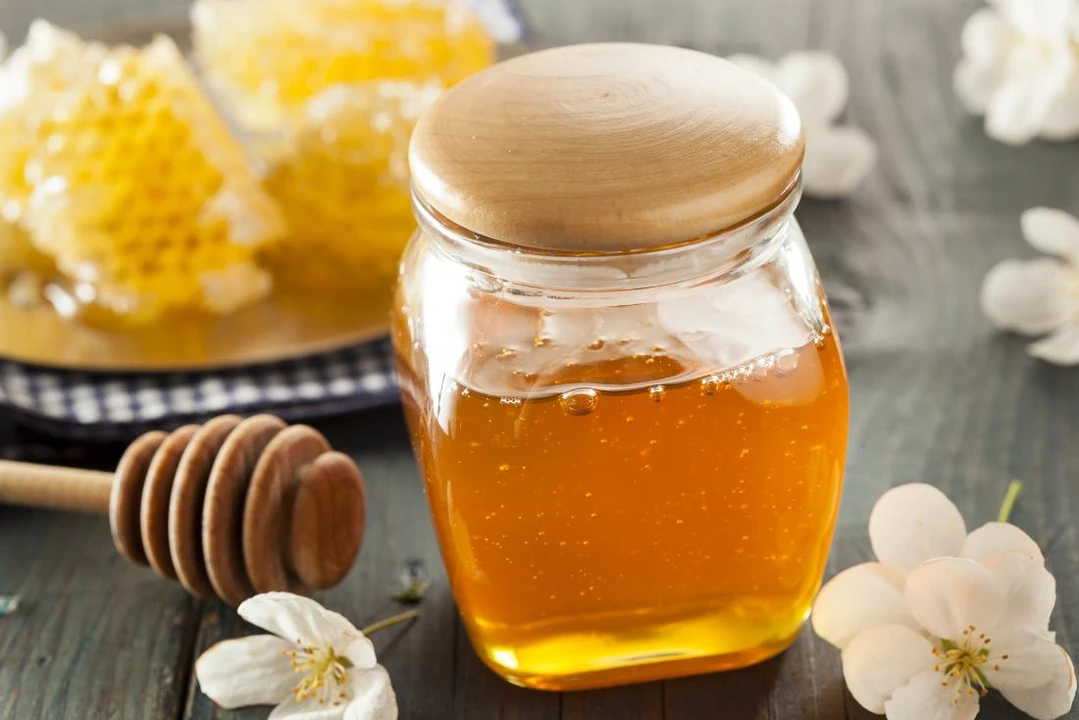
Walk into a store looking for honey and you will quickly discover that not every jar tells the same story. Some honey is blended from different floral sources, some is filtered heavily, some is heated during processing, and some comes with the comb itself still intact. Then there is Yemen Sidr honeycomb, a specialty product that attracts attention because of its origin, botanical source, traditional reputation, rich flavor, and distinctive presentation. It is not simply honey placed inside a piece of wax. Honeycomb represents a more direct connection to how bees naturally store honey, with the honey remaining inside the beeswax cells created within the hive. Yemen Sidr honey is associated primarily with the Sidr or Lote tree, Ziziphus spina-christi, and modern scientific literature continues to examine its distinctive physicochemical and bioactive characteristics. A 2026 review describes Sidr honey as a monofloral honey associated with Ziziphus species and highlights its carbohydrates, phenolic compounds, minerals, and other naturally occurring constituents. For people who enjoy traditional foods, minimally processed products, and distinctive honey varieties, the appeal becomes easy to understand. But what exactly makes Yemen Sidr honeycomb special, how can you eat it, and what should you know before buying it?
What Is Yemen Sidr Honeycomb?
Yemen Sidr honeycomb is honey that remains stored inside the natural wax structure produced by honeybees. Instead of extracting all the honey from the comb and selling it as a liquid, the honeycomb is kept intact so that the consumer receives both the honey and the beeswax structure surrounding it. The term “Sidr” refers to the botanical source associated with the honey: the Sidr or Lote tree, commonly identified as Ziziphus spina-christi in scientific literature. The distinction matters because honey takes on characteristics from its floral source, which can influence its flavor, aroma, color, mineral profile, phenolic compounds, and other measurable properties. Research on Sidr honey has specifically investigated botanical origin and physicochemical characteristics because floral source can help distinguish different types of specialty honey. In simple terms, think of the difference between ordinary honey and honeycomb as the difference between receiving a finished drink and receiving part of the original container in which nature stored it. The honey is still the star, but the comb adds another sensory element. You get the thick, sweet honey along with the subtle texture of beeswax, creating an experience that feels closer to the hive itself. That is one reason honeycomb has remained popular among people who appreciate traditional and minimally handled foods.
Understanding the Sidr Tree and Its Honey
The Sidr tree has a long cultural history across parts of the Middle East and surrounding regions, and its botanical identity is central to the reputation of Sidr honey. Scientific literature identifies Ziziphus spina-christi as one of the principal plants associated with Sidr honey and notes that the tree occurs across countries including Yemen, Saudi Arabia, Jordan, Egypt, and parts of Africa. Bees collect nectar from flowers and transform it through a remarkable process involving enzymes, water reduction, and storage in wax cells. The resulting honey is not chemically identical to the original nectar because bees naturally modify it as they process and ripen it. Honey generally consists largely of sugars and water, but it also contains smaller quantities of organic acids, enzymes, minerals, phenolic compounds, aroma compounds, and other substances that contribute to its character. When the floral source is distinctive, the resulting honey can also develop a recognizable sensory profile. This is why honey enthusiasts often talk about honey in much the same way people talk about coffee beans, tea leaves, or grapes: where the raw material comes from matters. Yemen Sidr honey therefore has a story that begins with a particular tree, continues with the bees that visit its flowers, and ends with a naturally concentrated food that carries characteristics associated with its botanical and geographical origin.
Why Is Yemen Sidr Honey So Highly Valued?
The high reputation of Yemen Sidr honey comes from several factors working together rather than from one magical characteristic. First, Sidr is a recognizable botanical source, giving the honey a specific identity that differentiates it from generic mixed-flower honey. Second, Yemeni Sidr honey has a long-standing reputation among consumers who value specialty honey and traditional food products. Third, honey's flavor, aroma, texture, color, and chemical profile can vary according to floral source and geography, making distinctive varieties particularly interesting to honey enthusiasts. Research examining Yemeni honeys has found measurable differences in phenolic content and physicochemical properties among varieties, supporting the broader idea that botanical origin contributes to honey's characteristics. There is also a practical reason premium honey attracts attention: specialty foods with a clear botanical identity can command higher prices, and that commercial value can unfortunately create opportunities for adulteration. A 2026 study examining Sidr honey specifically investigated adulteration with syrups and demonstrated why authenticity testing matters in this category. So when people describe Yemen Sidr honey as special, the conversation should not be reduced to exaggerated wellness promises. Its value is better understood through its floral origin, cultural history, sensory qualities, production practices, and authenticity. Those details make it an interesting food in its own right, even before anyone discusses potential wellness properties.
The Importance of Floral Source
Imagine two cups of tea made from completely different leaves. Both are technically tea, but the aroma, flavor, color, and overall experience can be dramatically different. Honey works in a similar way. Bees collect nectar from plants, and the floral environment influences the character of the resulting honey. Research on honey phenolic compounds has found that these compounds can be related to both antioxidant activity and botanical or geographical origin. This is especially relevant when discussing specialty honeys such as Sidr because consumers are not simply buying sweetness; they are often looking for the distinctive characteristics associated with a particular plant source. Sidr honey's identity is therefore connected to the Sidr tree and the environment where the bees forage. Of course, “Sidr honey” does not mean every sample will taste or look exactly the same. Harvest season, location, bee colonies, environmental conditions, processing, moisture, storage, and other factors can influence the final product. That is why responsible descriptions are better than absolute claims. Instead of saying every jar will have identical characteristics, it is more accurate to say that genuine Sidr honey is valued for characteristics associated with its Sidr floral source. For anyone shopping for premium honey, asking about botanical origin, harvesting location, processing, and labeling can be more useful than relying on dramatic marketing language alone.
What Makes Sidr Honeycomb Different From Regular Honey?
The most obvious difference is right in front of you: the honeycomb still contains the honey. Liquid honey has usually been removed from the comb through extraction, filtering, settling, or other handling steps, depending on the producer. Honeycomb, by contrast, preserves the honey inside the beeswax cells, giving you a combination of honey and wax in one product. This creates a completely different eating experience because you are not only tasting the honey's sweetness and floral notes but also encountering the chewy texture of beeswax. Beeswax itself is a natural substance produced by honeybees, and research describes it as a complex secretion used to construct honeycomb for storing honey and pollen and supporting other functions within the colony. For many people, that natural structure is part of the attraction. Honeycomb can also be served visually in ways that liquid honey cannot easily replicate. A piece placed on a cheese board, toast, fruit platter, or breakfast plate immediately becomes part of the presentation. It feels rustic without requiring complicated preparation. At the same time, honeycomb should not automatically be described as nutritionally superior to every form of liquid honey. The main distinction is that you are consuming honey together with beeswax, rather than consuming honey after it has been separated from the comb. The best choice depends on your preference for texture, convenience, presentation, and the type of honey experience you want.
Nutritional Composition of Honeycomb
Honeycomb contains two main edible components: honey and beeswax. Honey itself is primarily made up of naturally occurring sugars and water, with smaller amounts of minerals, organic acids, enzymes, phenolic compounds, aroma compounds, and other substances. USDA information describes fructose, glucose, and water as major components of honey, while honey research shows that the exact composition can vary according to floral source and other factors. Because honey is naturally rich in carbohydrates, it is best viewed as a sweet food rather than a substitute for a balanced meal. The beeswax portion has a very different composition and contributes texture rather than acting like a conventional carbohydrate-rich food. Recent research describes beeswax as a complex natural material containing numerous compounds, including esters, hydrocarbons, and other substances. This makes honeycomb interesting from a food-science perspective, but it is important not to turn the presence of these compounds into exaggerated nutritional claims. A small piece of honeycomb can be part of a varied diet, particularly when used as a topping or accent rather than consumed in very large quantities. If you are watching your overall sugar intake, remember that “natural” does not mean sugar-free. The natural sugars in honey still contribute to total carbohydrate and energy intake. In other words, honeycomb can be a delicious traditional food while still fitting into the simple rule that portion size and overall dietary balance matter.
Natural Sugars and Other Compounds
Honey's sweetness is primarily driven by its natural sugars, particularly fructose and glucose. The exact proportions vary among honeys, which is one reason different varieties can have different sweetness, crystallization behavior, texture, and flavor. Beyond sugars, honey contains a wide range of minor compounds that researchers continue to study, including phenolic acids, flavonoids, enzymes, amino acids, organic acids, minerals, and volatile compounds. A 2024 review notes that honey contains hundreds of substances and highlights phenolic compounds, especially flavonoids and phenolic acids, as important contributors to antioxidant activity. The floral source plays an important role in determining the presence and concentration of many of these compounds. That does not mean a spoonful of Sidr honey should be treated like a concentrated medicine. Food chemistry and clinical medicine are two different things. Laboratory findings can help scientists understand why a food behaves a certain way, but they do not automatically prove that consuming a particular amount of that food will prevent or treat a disease. This distinction is especially important when discussing premium honey online because strong health claims can easily get ahead of the available evidence. A better way to appreciate Sidr honey is to recognize that it is a chemically complex natural food with interesting plant-derived compounds, while keeping expectations realistic. Its flavor, texture, origin, and traditional role are already compelling reasons to enjoy it.
Potential Antioxidant Properties of Sidr Honey
One of the most frequently discussed characteristics of honey is its antioxidant activity. Antioxidants are substances that can interact with reactive molecules and help limit oxidative processes, and honey contains several compounds that may contribute to this activity. Research reviews have linked honey's antioxidant characteristics to phenolic acids, flavonoids, enzymes, vitamins, amino acids, and other naturally occurring components. Studies have also found that botanical origin influences the phenolic profile of honey, meaning one honey variety may differ from another. Research specifically involving Yemeni honeys has reported substantial variation in total phenolic content across samples and locations. This is interesting because it helps explain why specialty honey is more than simply sugar dissolved in water. However, it is important to use the word potential when discussing health-related properties. Antioxidant activity measured in a laboratory is not the same thing as proving that eating a food prevents a particular disease in humans. The strongest practical takeaway is that honey can contribute naturally occurring bioactive compounds to the diet, but it should be enjoyed as part of an overall balanced eating pattern. If you love the rich taste of Sidr honey, its antioxidant-related research is an interesting bonus rather than something that needs to carry the entire reason for buying it. The food itself remains valuable because of its distinctive botanical identity, sensory character, and traditional appeal.
Traditional Uses of Yemen Sidr Honey
Honey has been used by people for centuries as food, sweetener, and traditional household ingredient, and Sidr honey is part of that broader history. Its association with the Sidr tree and Yemeni beekeeping traditions gives it an additional cultural dimension that helps explain why it has remained highly valued. Honey can be eaten directly, mixed into drinks, spread on bread, paired with fruit, incorporated into desserts, or used as a sweetening ingredient in traditional recipes. Historically, honey has also appeared in traditional wellness practices, although traditional use should not automatically be interpreted as modern clinical evidence. Contemporary research continues to investigate honey's biological properties, but researchers also recognize the difference between laboratory findings, traditional applications, and proven medical treatments. This distinction allows people to appreciate cultural knowledge without making claims that science has not established. Yemen Sidr honeycomb is particularly interesting because it combines the honey with its natural wax structure, making it suitable not only for eating but also for serving and presentation. A small piece can become the centerpiece of a breakfast plate or dessert without requiring complicated preparation. For someone who enjoys foods with a strong sense of place and history, this can be part of the appeal. You are not simply buying something sweet; you are exploring a traditional food connected to bees, flowers, trees, landscapes, and generations of honey production.
Potential Benefits of Eating Sidr Honeycomb
When people search for Yemen Sidr honeycomb benefits, they often expect a long list of dramatic health effects. A more useful approach is to separate realistic nutritional and food-related benefits from claims that require much stronger clinical evidence. Honey provides carbohydrates and naturally occurring compounds, while honeycomb adds beeswax and a distinctive texture. Honey's phenolic compounds and other constituents have been investigated for antioxidant and antimicrobial properties, and recent reviews continue to explore these areas. For everyday consumers, however, the practical benefits may be simpler: honeycomb can provide a naturally sweet ingredient, add variety to meals, and offer a minimally handled way to enjoy honey. It can also make food more visually appealing, especially when served with fruit, yogurt, bread, nuts, or cheese. Some people enjoy chewing the wax after the honey has been released, while others prefer to remove most of it. The important thing is not to assume that eating more automatically creates more benefit. Honey remains a concentrated sweet food, so moderation is sensible. If you are buying Sidr honey because you enjoy its distinctive flavor and want a traditional food with a clear botanical identity, those are perfectly reasonable reasons. Its potential antioxidant properties can be part of the scientific conversation, but they should not be turned into promises to diagnose, treat, cure, or prevent diseases.
How to Eat Yemen Sidr Honeycomb
Eating honeycomb is surprisingly simple because it does not require special preparation. You can cut a small piece and eat it directly, allowing the honey to soften in your mouth while you experience the gentle chew of the wax. Another popular approach is to place a piece on toast, where the warmth and texture of the bread complement the thick honey. You can also add honeycomb to a breakfast bowl containing plain yogurt, fruit, oats, or nuts, creating a combination of creamy, crunchy, chewy, and sweet textures. If you enjoy savory foods, try pairing a small amount with cheese or crackers; the contrast between salty and sweet can make the honey's floral character stand out. Honeycomb can also be used as a finishing ingredient rather than a cooking ingredient. Instead of mixing it into a hot dish, place it on top immediately before serving so that its natural texture remains noticeable. This can be particularly useful when you want the product itself to remain the focus. There is no complicated ritual required. Start with a small portion, see how you like the texture, and experiment with foods you already enjoy. The beauty of honeycomb is that it can move effortlessly from breakfast to snack time to dessert without needing an elaborate recipe.
Simple Ways to Add Honeycomb to Your Meals
One of the easiest ways to enjoy Sidr honeycomb is to treat it like a specialty topping. A small piece over warm toast can create a rich breakfast without requiring any extra sweetener. You can also pair it with plain Greek-style yogurt and berries, where the natural tartness of the yogurt balances the sweetness of the honey. Another option is a simple fruit and nut plate with apple slices, grapes, almonds, walnuts, or dates alongside a small piece of honeycomb. Cheese boards are another natural match because salty or creamy cheeses can create an appealing contrast with honey's sweetness. For a dessert-inspired option, place a small amount over pancakes, waffles, or a bowl of oatmeal. If you prefer drinks, you can remove the honey from a small piece of comb and stir the honey into a warm beverage, although very high temperatures may affect some of honey's heat-sensitive compounds. Honeycomb can also be used as a beautiful serving garnish for guests because the comb itself immediately communicates that the food is natural and close to its original hive form. The key is to keep portions sensible. You do not need a large slab to enjoy the flavor. A little honeycomb can transform a simple meal into something that feels special.
Should You Eat the Beeswax?
Yes, beeswax from food-grade honeycomb is commonly chewed and may be swallowed in small amounts, but you do not have to swallow it to enjoy the honey. Many people chew honeycomb until most of the honey has been released and then discard the remaining wax. Others simply swallow small amounts along with the honey. Beeswax is a natural material produced by honeybees and used to construct the honeycomb structure in which honey and other hive materials are stored. Its main role in honeycomb is structural, so it should not be confused with the nutritional composition of honey itself. If you have never eaten honeycomb before, starting with a small piece is the easiest way to discover whether you enjoy the texture. Some people find the wax pleasantly chewy, while others prefer the smoother sensation of liquid honey. There is no need to force yourself to eat the wax. You can allow the honey to dissolve and then remove the remaining wax. The important consideration is that the product should be intended for food use and handled appropriately. If you have allergies to bee products, caution is especially important because honeycomb comes directly from the hive environment and may contain small amounts of pollen or other bee-derived substances. As with any food, individual tolerance matters.
Honeycomb vs Liquid Sidr Honey
The difference between Sidr honeycomb and liquid Sidr honey comes primarily down to presentation, processing, texture, and convenience rather than the simple idea that one is automatically “better.” Liquid honey has been separated from the comb, making it easy to pour, measure, mix, and use in recipes. Honeycomb keeps the honey inside its original wax cells, giving you an additional texture and a more visually distinctive product. If you regularly add honey to tea, smoothies, sauces, marinades, or baking recipes, liquid honey may be more convenient. If you enjoy tasting honey in a more traditional form or want something attractive for a breakfast spread or cheese board, honeycomb may be more appealing. Sidr honey itself can have a rich flavor and thick consistency, and its characteristics can vary depending on floral and geographical origin. Research has demonstrated that botanical origin can be investigated through physicochemical properties and chemical profiles, which is one reason specialty honeys receive attention from food scientists. Ultimately, the choice is personal. Think of liquid honey as the convenient everyday format and honeycomb as the more tactile, traditional experience. Both can be enjoyed for their flavor, but honeycomb gives you the added experience of eating honey in the structure the bees built.
How to Store Yemen Sidr Honeycomb
Proper storage helps preserve the quality and sensory characteristics of honeycomb. Because honey is naturally stable when properly handled, the main goal at home is to keep the product protected from moisture, contamination, excessive heat, and strong odors. A clean, tightly sealed container is useful once the original packaging has been opened. Store the honeycomb in a cool, dry place away from direct sunlight and avoid leaving it exposed on a countertop where dust, insects, or humidity can reach it. You generally do not need to refrigerate honeycomb simply because it contains honey, and refrigeration may make the wax harder and the honey less convenient to enjoy. Temperature changes can also affect honey's texture and may contribute to crystallization. Crystallization itself is not automatically a sign that honey has spoiled; natural honey can crystallize depending on its sugar composition, temperature, and floral source. If the honeycomb becomes firmer than you prefer, allowing it to return gradually to room temperature can make it easier to handle. Avoid unnecessary heating, especially if your goal is to enjoy the product in its raw and minimally handled form. Always follow the storage instructions on the product packaging when they differ from general guidance. With a specialty product such as Yemen Sidr honeycomb, careful storage is a simple way to protect the flavor and texture that attracted you to it in the first place.
How to Recognize Quality Sidr Honeycomb
Buying specialty honey requires more than looking at an attractive label. Traceability, botanical identity, processing information, packaging, and seller transparency are all useful things to consider. Sidr honey has significant commercial value, and recent research has specifically investigated adulteration involving syrups, showing why authenticity is an important issue for consumers. Look for a product description that clearly identifies the honey as Sidr, provides its country or region of origin, states the amount provided, and explains whether it is raw, filtered, or otherwise processed. Packaging should also be appropriate for food and provide relevant product information. Be cautious about claims that sound too perfect, especially promises that a particular honey can cure multiple unrelated diseases. Quality honey can be appreciated without making extraordinary claims. Sensory characteristics can also provide clues, although taste and appearance alone cannot scientifically prove authenticity. For a product marketed as Yemeni Sidr honeycomb, the combination of stated origin, product details, seller reputation, and transparent labeling provides a more sensible basis for purchasing than a single marketing phrase. Research into honey authentication increasingly uses laboratory methods such as physicochemical testing and chemical profiling because genuine botanical origin cannot always be verified simply by looking at the honey. That is an important reminder: when buying premium honey, information matters.
Why Raw and Unfiltered Matters to Honey Lovers
The words raw and unfiltered are particularly attractive to consumers who prefer honey in a form that has undergone less processing. However, it is useful to understand what these terms mean rather than treating them as magical labels. Processing methods can affect honey's texture, appearance, pollen content, enzymes, aroma compounds, and other characteristics. Honey's naturally complex composition includes enzymes and numerous minor compounds, and some of these components can be affected by processing and heat. Honeycomb takes the concept of minimal handling a step further in the sense that the honey remains physically contained within the beeswax structure. That is one reason people who enjoy traditional foods may find it appealing. Still, raw honey is not automatically safer, more nutritious, or medically superior in every situation. The appropriate interpretation is that raw and unfiltered describe a particular style of processing and presentation. If those qualities matter to you, check the product description and packaging rather than assuming that every honey labeled “natural” has been treated identically. For Behalal Organics' listed Yemen Sidr Honeycomb, the product description identifies it as 100% pure, raw and unfiltered, along with its stated Grade A designation and Yemeni origin. Those details are useful for shoppers who specifically want a honeycomb product rather than an ordinary liquid honey.
What Does Yemen Sidr Honeycomb Taste Like?
Taste is one of the easiest ways to understand why people become enthusiastic about specialty honey. Yemen Sidr honey is generally appreciated for a rich, distinctive sweetness and thick texture, although the exact sensory profile can vary from harvest to harvest. Floral source, geography, season, moisture, storage, and handling can all influence how honey tastes and smells. Research on honey recognizes that flavor and aroma differences can be associated with floral sources and minor chemical components. Honeycomb adds another layer because the honey is accompanied by the gentle chew and subtle flavor of beeswax. Rather than tasting like a conventional sweet syrup, the experience can feel more rounded and textured. If you are new to honeycomb, try a small amount by itself first. This lets you notice the sweetness, aroma, thickness, and wax texture without another ingredient competing for attention. After that, experiment with pairings. Mild cheeses, plain yogurt, fruit, toast, nuts, and oatmeal are all simple foods that can highlight different aspects of the honey. The most important thing is not to expect every Sidr honey to taste exactly the same. Specialty honey is a natural agricultural product, and variation is part of the experience. That natural variation is also one reason honey enthusiasts enjoy comparing different harvests and origins.
Who May Want to Add Sidr Honeycomb to Their Pantry?
Yemen Sidr honeycomb can appeal to several types of food lovers. If you enjoy raw and minimally handled foods, the intact comb may be especially interesting. If you like specialty ingredients with a strong geographic identity, Yemeni Sidr honey offers a distinctive connection between botanical source and place. It can also suit people who enjoy preparing attractive breakfast boards, dessert plates, cheese boards, or gift baskets. Home cooks may appreciate it as a natural sweetening ingredient, while honey enthusiasts may simply want to experience a traditional form of honey that is less commonly found than ordinary liquid varieties. That said, you do not need to be a health enthusiast or food expert to enjoy it. Sometimes the simplest reason to buy a specialty food is that you like the taste. It is also useful to remember that honey is a concentrated source of natural sugars, so enjoying it as part of a balanced diet makes more sense than treating it as an unlimited health food. People with specific dietary requirements should check the product label and consider their own circumstances. Anyone with allergies to honey, pollen, or bee products should be especially cautious. For everyone else, a small serving can be an easy way to explore a traditional food while adding something different to everyday meals. The appeal is not just nutritional; it is sensory, cultural, culinary, and experiential.
Important Safety Considerations
Honey is generally enjoyed as a food by many people, but there is one safety rule that should never be overlooked: children under 12 months should not consume honey because of the risk of infant botulism. The CDC's current guidance explicitly advises against giving honey to babies younger than one year, including adding it to food, water, formula, or pacifiers. Adults and older children should still consider individual allergies and dietary needs. People who are allergic to bee products, pollen, or other components associated with honey should use caution and seek professional advice if they are uncertain about their tolerance. Honey should also not be marketed as a replacement for medical treatment. Although research has identified antioxidant, antimicrobial, and other biological properties associated with honey, evidence from laboratory studies does not mean that a particular honey product can diagnose, cure, or prevent disease. If you have diabetes or another condition requiring careful carbohydrate management, remember that honey contains naturally occurring sugars and should be considered within your overall dietary plan. Pregnant or breastfeeding individuals with specific concerns should consult an appropriate healthcare professional rather than relying on generalized online wellness claims. These precautions do not take away from the enjoyment of honeycomb; they simply put it in the right context. It is a traditional food, not a substitute for individualized medical care.
Yemen Sidr Honeycomb at Behalal Organics
For shoppers specifically looking for Yemen Sidr Honeycomb, Behalal Organics currently lists a product described as Yemen Sidr Honeycomb – Grade A, 100% Pure, Raw & Unfiltered, Wild Harvested from Yemen, with a listed weight of 9.5 oz (269 g). The product page describes it as honeycomb harvested from the nectar of the Sidr, or Lote, tree in Yemen. This makes it an option for people who want to experience Sidr honey in its honeycomb form rather than purchasing only liquid honey. Behalal Organics also lists other Sidr honey products and blends, but those should not be confused with the pure honeycomb product because their ingredients and formats are different. If your goal is specifically to enjoy raw Yemeni Sidr honey in natural comb form, checking the product listing before ordering is the best way to confirm the current availability, size, price, and product details. You can also explore different ways to serve it at home, from breakfast toast and yogurt to fruit plates and cheese boards. A product like this can be especially appealing when you want something that feels both traditional and distinctive. Rather than treating honeycomb as a complicated wellness product, think of it as a specialty food that brings together honey, beeswax, botanical origin, and the heritage of Yemeni honey production in one package. Yemen Sidr Honeycomb is available at Behalal Organics for those looking to shop this distinctive honey product.
Conclusion
Yemen Sidr honeycomb stands out because it combines several things that are rarely found together in one everyday food: a distinctive botanical source, a strong cultural and geographical identity, naturally produced honey, and the original beeswax comb in which that honey was stored. Sidr honey is associated with the Ziziphus spina-christi tree, and scientific research continues to investigate how botanical origin influences the composition, sensory qualities, and bioactive compounds found in honey. The honeycomb format adds another dimension because the honey remains inside the beeswax cells, creating a different texture and presentation from ordinary liquid honey. You can eat it directly, pair it with toast, yogurt, fruit, nuts, or cheese, or use it as an attractive finishing ingredient for meals and desserts. Research into honey's phenolic compounds and antioxidant properties makes Sidr honey scientifically interesting, but those findings should be understood as food research rather than promises of disease treatment. Quality and authenticity also matter because premium Sidr honey has commercial value and has been the subject of recent adulteration research. If you appreciate traditional foods, distinctive flavors, and minimally handled honey, Yemen Sidr Honeycomb offers a memorable way to experience one of the world's most recognized specialty honey varieties. And if you are looking for it, Behalal Organics currently offers Yemen Sidr Honeycomb, giving shoppers a convenient place to explore this traditional product.
Frequently Asked Questions
1. What is Yemen Sidr honeycomb? Yemen Sidr honeycomb is honey associated with the Sidr or Lote tree, commonly identified as Ziziphus spina-christi, that remains stored inside the natural beeswax comb. Unlike ordinary liquid honey, the honey has not been separated from its wax structure. This gives it a thicker, more textured eating experience and makes it visually distinctive. Behalal Organics currently lists its Yemen Sidr Honeycomb as Grade A, 100% pure, raw and unfiltered, and wild harvested from Yemen.
2. Can you eat the beeswax in honeycomb? Food-grade honeycomb is commonly chewed, and some people swallow small amounts of beeswax while eating the honey. Others chew the comb until the honey is released and then remove the remaining wax. Beeswax provides the structure of the honeycomb and is chemically different from the honey itself. If you have never eaten honeycomb before, starting with a small piece allows you to decide whether you enjoy the texture.
3. What are the potential benefits of Yemen Sidr honey? Sidr honey contains naturally occurring sugars and various minor compounds, including phenolic compounds that researchers associate with antioxidant activity. Studies of Yemeni honey have also found differences in phenolic content among samples and floral sources. However, these findings do not mean Sidr honey should be considered a medicine or used to replace medical treatment. It is best enjoyed as a specialty food within a balanced diet.
4. How should Yemen Sidr honeycomb be stored? Keep honeycomb properly sealed and stored in a cool, dry place away from direct sunlight, excessive heat, moisture, and strong odors. Refrigeration is generally unnecessary for honey and may make the wax and honey firmer. Always follow any storage instructions supplied on the product packaging. Proper storage helps preserve the honeycomb's flavor, texture, and overall quality.
5. Where can I buy Yemen Sidr Honeycomb? Yemen Sidr Honeycomb is currently available from Behalal Organics, which lists a 9.5 oz (269 g) product described as Grade A, 100% pure, raw and unfiltered, and wild harvested from Yemen. The current product listing is the best place to check availability, pricing, and ordering information before purchasing. Behalal Organics also carries other Sidr honey products, so check the product name carefully if you specifically want honeycomb rather than a liquid honey blend.
DISCLAIMER
This blog has not been approved by your local health department and is not intended to provide diagnosis, treatment, or medical advice. The content provided on this blog is for informational purposes only. Please consult with a physician or other healthcare professional regarding any medical or health-related diagnosis or treatment options. Information on this blog should not be considered as a substitute for advice from a healthcare professional. The claims made about specific products throughout this blog are not approved to diagnose, treat, cure, or prevent disease.
Explore Popular Articles
-

Pure Bitter Melon Extract Explained: Uses, Research, and Safety
22nd Oct 2026Article Outline - H1: Pure Bitter Melon Extract Explained: Uses, Research, and Safety H2: 1. Wha
-
What to Know About Herbal Digestive Support with Turmeric and Botanicals
21st Oct 2026Article Outline - H1: What to Know About Herbal Digestive Support with Turmeric and Botanicals H
-
What Are Kola Nut Bitters With Garlic, Ginger, and Moringa?
20th Oct 2026Article Outline - H1: What Are Kola Nut Bitters With Garlic, Ginger, and Moringa? H2: Understand