
Things Nobody Told You About Black Seed
Article Outline
- H1: Things Nobody Told You About Black Seed
- H2: What Is Black Seed?
- H3: Why Is It Also Called Nigella Sativa?
- H2: Black Seed Has a Long History
- H3: Traditional Uses of Black Seed
- H2: What Makes Black Seed Interesting?
- H3: The Role of Thymoquinone
- H2: Black Seed Powder vs Black Seed Oil
- H2: What Black Seed Powder Actually Contains
- H3: Natural Plant Compounds
- H2: Black Seed and Antioxidants
- H2: Black Seed and Inflammation
- H2: Black Seed and Blood Sugar
- H3: What Research Really Shows
- H2: Black Seed and Cholesterol
- H2: Can Black Seed Support Weight Management?
- H2: Black Seed and Digestive Wellness
- H2: Black Seed for Everyday Wellness
- H2: Things Nobody Tells You About Using Black Seed
- H3: More Is Not Always Better
- H2: How to Add Black Seed Powder to Your Routine
- H2: How to Choose Good Black Seed Powder
- H2: Who Should Be Careful With Black Seed?
- H2: Common Myths About Black Seed
- H2: Why Consistency Matters
- H2: Where to Get Black Seed Powder
- H2: Conclusion and FAQs
- H2: What Is Black Seed?
Things Nobody Told You About Black Seed
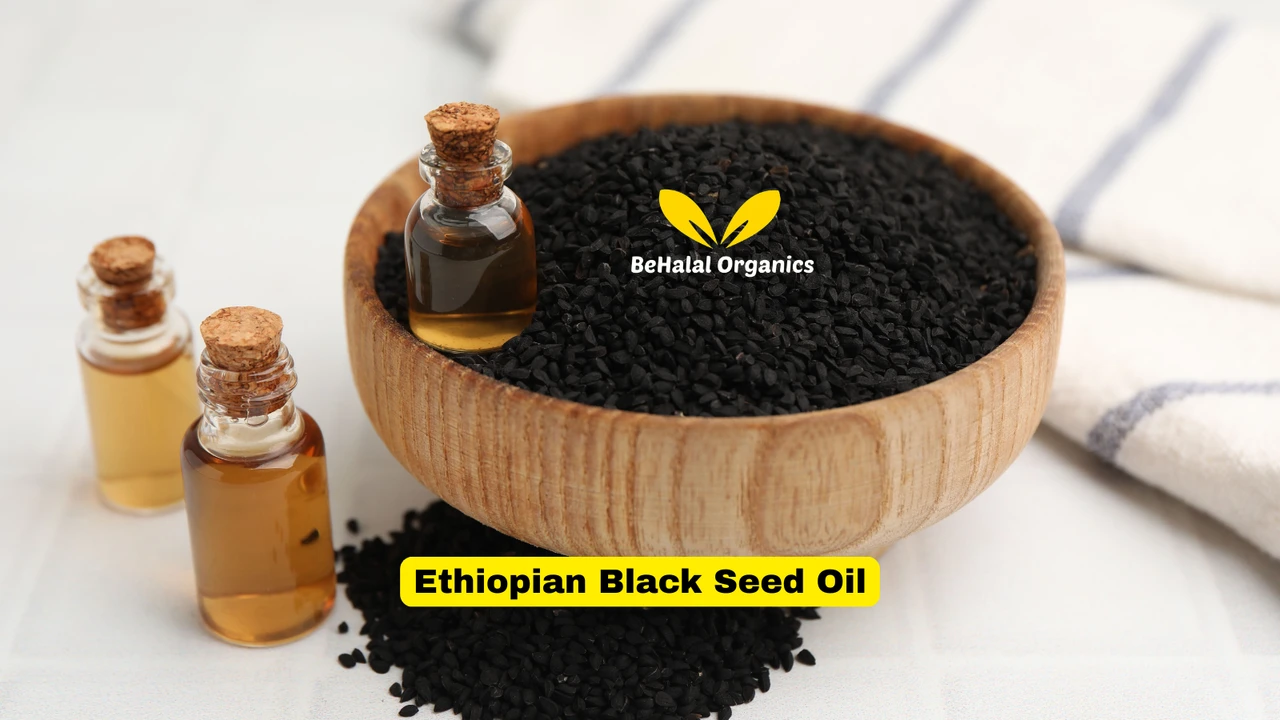
Black seed has been around for centuries, yet there is still a lot that people do not know about this small, dark seed. You may have heard it called black cumin, black caraway, kalonji, or Nigella sativa, or perhaps you have seen it sold as black seed oil, whole seeds, capsules, or powder. What makes it particularly interesting is that modern researchers have also taken an interest in the plant and its naturally occurring compounds. Studies have investigated Nigella sativa in connection with areas such as blood glucose, blood lipids, oxidative stress, inflammation, and other health outcomes, although the strength of evidence varies considerably between these areas.
That is where things become interesting. Black seed is sometimes presented online as if it were a solution for almost every health problem, but the scientific picture is much more nuanced. A 2023 overview of 20 meta-analyses found that most of the available evidence was rated low or very low quality, meaning promising findings should not automatically be treated as proven medical benefits. So, if you are considering black seed powder, it helps to separate traditional wisdom, emerging research, and exaggerated claims. Here are some of the things nobody tells you about this surprisingly versatile ingredient.
What Is Black Seed?
Black seed comes from Nigella sativa, a flowering plant belonging to the Ranunculaceae family. The tiny seeds are naturally dark in colour and have a distinctive flavour that can be described as earthy, peppery, slightly bitter, and aromatic. They have been used traditionally as both a food ingredient and herbal preparation, particularly across parts of the Middle East, North Africa, and Asia. Today, you can find black seed in several forms, including whole seeds, ground powder, extracts, and oil.
One thing that often gets overlooked is that black seed is a food and botanical ingredient, not a magic cure. Researchers have identified numerous naturally occurring compounds in Nigella sativa, with thymoquinone being one of the compounds that receives considerable scientific attention. However, the amount and composition of these compounds can differ depending on the plant material, processing method, extraction method, and product form. Research has therefore examined different preparations rather than assuming that every black seed product behaves identically.
Why Is It Also Called Nigella Sativa?
The name Nigella sativa is the botanical name for the plant from which black seed comes. You may encounter several names when searching for it online, which can make things unnecessarily confusing. Black seed, black cumin, black caraway, and kalonji are among the names commonly associated with the seed, although common names can vary by country and culture.
For shoppers, the botanical name can be particularly useful because it helps identify the actual plant being discussed. When looking at a black seed product, checking that it identifies the ingredient as Nigella sativa can give you a clearer idea of what you are purchasing. This becomes even more important when comparing powders, oils, teas, and other herbal products that may have similar-sounding names but completely different ingredients.
Black Seed Has a Long History
Long before black seed became a trending ingredient on social media, people were already incorporating it into traditional practices. Nigella sativa has been used traditionally as a food, spice, and herbal preparation for a very long time. Its history is one reason the seed continues to attract interest today, but tradition and modern clinical evidence should not be treated as exactly the same thing.
Traditional use tells us that generations of people found the plant useful enough to keep using it. Scientific research asks a different question: does a particular preparation produce a measurable effect under controlled conditions? That distinction matters. Modern reviews have found promising associations between Nigella sativa and several health outcomes, but they also point out important limitations in the existing evidence.
Traditional Uses of Black Seed
Traditionally, black seed has been used in different ways depending on the culture and preparation. The seeds may be incorporated into food, ground into powder, infused, or processed into oil. Its distinctive taste also makes it useful as a culinary ingredient, which is one reason some people prefer using small amounts of the seed or powder as part of their everyday diet rather than thinking of it solely as a supplement.
That traditional versatility is part of what makes black seed fascinating. It is not simply something that appeared because of modern wellness trends. At the same time, traditional popularity should not be interpreted as proof that black seed can prevent, treat, or cure every condition it is advertised for. The more sensible approach is to appreciate its traditional role while looking at modern evidence with a critical eye.
What Makes Black Seed Interesting?
So, what exactly makes such a tiny seed worth talking about? One answer is its complex chemical composition. Nigella sativa contains several bioactive compounds that researchers have studied for their biological activity. Among them, thymoquinone is particularly well known, especially in research involving black seed oil and extracts.
This does not mean thymoquinone alone explains everything black seed does. The seed contains a mixture of compounds, and the effect of the whole seed or powder may differ from that of a concentrated extract. This is one reason it is risky to read about a laboratory study involving purified thymoquinone and assume that eating ordinary black seed powder will produce exactly the same result. Nature rarely works that neatly.
The Role of Thymoquinone
Thymoquinone, often abbreviated as TQ, is one of the most extensively studied constituents of Nigella sativa. Researchers have investigated its antioxidant and anti-inflammatory properties, among others, and it is frequently mentioned when discussing the potential biological activity of black seed.
But here is the part people sometimes leave out: research on an isolated compound is not automatically the same as research on a food product. Dosage, absorption, preparation, concentration, and individual health status can all influence what happens in the body. Therefore, it is better to view thymoquinone as one piece of the black seed story rather than the entire story.
Black Seed Powder vs Black Seed Oil
One common mistake is assuming that black seed powder and black seed oil are interchangeable. They come from the same plant, but they are different preparations. Powder consists of ground seeds, while oil is produced by processing the seeds to obtain their oil fraction. Consequently, their composition and concentration of particular compounds can differ.
Research has actually used several forms of Nigella sativa, including powder, oil, capsules, and extracts. A large overview of systematic reviews noted that studies used different preparations, doses, and durations, making it difficult to apply one study's findings to every black seed product. If you specifically want a powder, it makes sense to look at evidence involving seed or powder preparations rather than assuming research on concentrated oil applies identically.
What Black Seed Powder Actually Contains
Black seed powder is essentially the whole seed that has been cleaned and ground. That means you are getting the naturally occurring components of the seed rather than only one isolated compound. Depending on the product and processing method, this can include fixed oils, proteins, fibre, and various plant compounds.
This whole-food nature is one reason some people prefer powder. You can incorporate a small amount into foods or drinks without necessarily treating it like a complicated supplement regimen. However, the flavour is quite distinctive, so the experience is not exactly like adding ordinary flour to your food. A little can bring a surprisingly strong earthy and peppery note.
Natural Plant Compounds
Among the compounds investigated in Nigella sativa are thymoquinone, thymohydroquinone, thymol, carvacrol, nigellidine, and alpha-hederin. Research has explored these compounds in connection with antioxidant, inflammatory, metabolic, and other biological processes.
The important word here is research. Finding a compound in a plant and observing an effect in laboratory or animal research does not automatically establish a clinical benefit in humans. This is especially important when reading online claims that jump from “contains a compound associated with X” to “therefore black seed cures X.” Good health content should make that distinction clear.
Black Seed and Antioxidants
Oxidative stress is another area where black seed has attracted scientific attention. Researchers have investigated whether Nigella sativa supplementation can influence markers related to antioxidant activity. In one meta-analysis of randomized controlled trials involving 293 participants, Nigella sativa supplementation was associated with an improvement in superoxide dismutase, an antioxidant enzyme, although other antioxidant measures did not show significant changes.
That is an interesting finding, but it should not be turned into a promise that black seed powder will automatically “remove toxins” from your body. Your body already has sophisticated systems for processing and eliminating waste. A more accurate way to discuss black seed is that its naturally occurring compounds are being studied for their potential relationship with oxidative stress and antioxidant systems.
Black Seed and Inflammation
Inflammation is another area frequently mentioned when discussing Nigella sativa. Laboratory and preclinical research has identified anti-inflammatory activity associated with compounds in black seed, while human research has explored inflammatory markers and different health outcomes.
However, this is exactly where marketing claims can get ahead of science. “Anti-inflammatory” does not mean black seed should replace treatment for an inflammatory disease. The human evidence is still developing, and different studies have used different preparations and doses. Think of black seed research as a puzzle that researchers are still assembling rather than a finished picture.
Black Seed and Blood Sugar
Blood sugar is one of the areas where Nigella sativa has received considerable research attention. A recent systematic review of randomized controlled trials in metabolic syndrome found that several trials reported improvements in glycaemic measures, although results were not uniformly positive across all studies.
A newer 2026 meta-analysis involving 31 trials and 2,145 participants also reported reductions in fasting blood glucose and HbA1c following Nigella sativa supplementation, alongside modest changes in several cardiometabolic measures. However, the authors highlighted variability and called for further well-designed research. This is promising, but it is not a reason to stop prescribed diabetes medication or use black seed as a substitute for medical care.
What Research Really Shows
The biggest lesson is that promising does not mean proven. The 2023 overview of systematic reviews found that, across 110 outcome indicators, only five were graded as moderate-quality evidence, while most were rated low or very low quality. Risk of bias, inconsistency, and imprecision were among the reasons the evidence was downgraded.
So if you see a headline claiming that black seed “definitely controls blood sugar,” take a step back. A more responsible statement would be that research suggests Nigella sativa may have beneficial effects on some blood sugar measures, but more high-quality evidence is needed. That distinction protects readers from unrealistic expectations while still acknowledging why scientists are interested in the plant.
Black Seed and Cholesterol
Another interesting area is cholesterol and blood lipid levels. Several clinical studies and reviews have examined whether Nigella sativa supplementation may influence total cholesterol, LDL cholesterol, and triglycerides. A systematic review focused on metabolic syndrome found that six of eight randomized controlled trials reported significant improvements in lipid profiles.
Still, individual studies do not always agree. Earlier clinical research included trials in which powdered Nigella sativa did not significantly affect certain blood pressure, lipid, glucose, or weight measures. This variation is a good reminder that black seed should be viewed as a potential addition to a balanced lifestyle, not as a guaranteed cholesterol-lowering treatment.
Can Black Seed Support Weight Management?
Weight management is probably one of the areas where wellness marketing can become particularly exaggerated. You may encounter claims suggesting that black seed “burns fat” or guarantees weight loss, but that is much stronger than what the evidence supports.
A 2026 meta-analysis found modest reductions in body weight and BMI among people receiving Nigella sativa supplementation, but the results were not significant for several measures of central adiposity and insulin resistance. In other words, there may be a potential relationship worth studying, but black seed is not a shortcut around nutrition, physical activity, sleep, and sustainable habits.
Black Seed and Digestive Wellness
Black seed has traditionally been used in different digestive contexts, and its seeds contain naturally occurring compounds that researchers continue to investigate. Some people also simply enjoy incorporating small amounts of black seed powder into foods as part of their regular diet.
However, digestive responses can differ from person to person. An overview of meta-analyses reported mild adverse effects in some studies, including stomach pain, diarrhoea, nausea, vomiting, weakness, and weight loss. So while one person may tolerate black seed powder comfortably, another may find that taking too much does not agree with their stomach.
Black Seed for Everyday Wellness
Perhaps the most practical way to think about black seed powder is as a botanical food ingredient that can complement an overall healthy lifestyle. You do not have to turn every ingredient into a dramatic health intervention. Sometimes the value is simply having another natural ingredient that you can incorporate into meals, smoothies, yoghurt, porridge, or other suitable foods.
That approach also takes away the pressure to expect overnight results. Your overall wellbeing is more like a garden than a light switch. What you eat consistently, how active you are, how well you sleep, how you manage stress, and whether you attend appropriate medical check-ups all matter. Black seed can be one small part of that bigger picture.
Things Nobody Tells You About Using Black Seed
Here is one of the biggest things nobody tells you: the amount you take matters. More is not automatically better, and a larger quantity does not necessarily translate into greater benefits. Research studies have used different preparations and doses, with some trials involving approximately 0.5 to 6 grams of Nigella sativa per day, depending on the product and study design.
The second thing is that consistency is different from excess. If you choose to incorporate black seed powder into your routine, you do not need to turn it into an extreme daily ritual. The goal should be sensible use and paying attention to how your body responds. And because products can differ in composition, quality, and processing, choosing a clearly identified Nigella sativa black seed powder from a reputable seller matters.
More Is Not Always Better
It is tempting to think, “If a little is good, more must be better.” That logic does not always work with botanical products. Human studies have used specific doses under specific conditions, and those doses should not automatically be interpreted as universal recommendations for everyone.
If you are pregnant, breastfeeding, taking regular medication, managing a medical condition, or considering using black seed in unusually large amounts, speaking with a qualified healthcare professional is the sensible move. Black seed should complement responsible health choices rather than replace professional medical advice.
How to Add Black Seed Powder to Your Routine
One reason powder is convenient is that it can be incorporated into everyday foods. You could experiment with a small amount in a smoothie, yoghurt, porridge, soup, or another food where its earthy flavour works well. Some people may also prefer mixing it into a drink, although the taste can be quite noticeable.
The key is not to make the routine unnecessarily complicated. You do not need ten ingredients, an elaborate detox recipe, or a dramatic morning ritual to use black seed powder. Start with a small amount that suits the product's instructions and your personal tolerance, then make it part of a balanced routine if you enjoy it.
How to Choose Good Black Seed Powder
When buying black seed powder, look beyond the front of the package. Check the ingredient name, packaging, storage instructions, source, and whether the seller provides clear information about the product. A trustworthy product should make it reasonably easy for you to understand what you are purchasing.
For example, Behalal Organics currently lists Blackseed Powder 100 gram, describing it as an organic product made from Nigella sativa. If you are specifically looking for black seed powder rather than black seed oil or capsules, this makes it an option to consider.
Shop Blackseed Powder from Behalal Organics
Who Should Be Careful With Black Seed?
“Natural” does not automatically mean “appropriate for everyone.” People respond differently to foods and botanical products, and people taking medication should be particularly thoughtful about adding concentrated herbal products to their routines.
This is especially relevant if you are managing conditions involving blood sugar, blood pressure, bleeding, or other ongoing medical treatment. Some research suggests Nigella sativa can influence metabolic and cardiovascular measures, which means people taking medication in these areas should not assume there is no possibility of interaction. If you have a medical condition or take prescription medication, ask your doctor or pharmacist before using concentrated amounts regularly.
Common Myths About Black Seed
One major myth is that black seed can cure everything. It cannot responsibly be described that way. Although research has explored a remarkably broad range of potential effects, the evidence is uneven, and researchers themselves continue to call for better-designed clinical trials.
Another myth is that black seed powder and black seed oil are exactly the same. They are not. They come from the same plant but represent different preparations, and research findings from one form should not automatically be transferred to another.
A third myth is that because something has been used traditionally for a long time, every modern health claim about it must be scientifically proven. Traditional experience is valuable, but scientific evidence has its own standards. The smartest approach is not to dismiss tradition or blindly accept marketing; it is to appreciate both while understanding their differences.
Why Consistency Matters
If you decide to include black seed powder in your diet, think about consistency rather than hype. There is little value in taking an enormous amount once and then forgetting about it for weeks. Healthy routines are usually built through ordinary actions repeated over time.
And black seed should not exist in isolation. Pair it with nutritious meals, adequate hydration, regular movement, good sleep, and appropriate healthcare. That is a much more realistic picture of wellness than expecting one ingredient to carry the entire responsibility for your health.
Where to Get Black Seed Powder
If you have been searching for black seed powder in a convenient form, Behalal Organics has Blackseed Powder available in a 100-gram product. The product listing identifies it as Nigella sativa and describes it as organic.
Explore Blackseed Powder at Behalal Organics
The bigger lesson is that you do not need to fall for exaggerated claims to appreciate black seed. It is an interesting traditional ingredient with a growing body of scientific research behind it. The research suggests potential benefits in several areas, particularly metabolic and antioxidant measures, but the quality of evidence varies and more rigorous research is still needed.
Conclusion
The things nobody told you about black seed are not necessarily sensational. They are actually more useful than that. Black seed is not magic, but it is an interesting botanical ingredient with a long history, a complex chemical profile, and growing scientific interest. Research has explored Nigella sativa in relation to blood sugar, cholesterol, oxidative stress, inflammation, weight-related measures, and other health outcomes, with some promising findings but also important limitations in the evidence.
If you want to incorporate black seed powder into your lifestyle, approach it sensibly. Choose a quality product, follow appropriate product guidance, start reasonably, pay attention to how your body responds, and remember that no single ingredient can replace a balanced diet or appropriate medical care.
For those looking to try black seed powder, Behalal Organics offers Blackseed Powder 100 gram, made from Nigella sativa.
FAQs
1. What is black seed powder?
Black seed powder is made by grinding the seeds of Nigella sativa, a plant also commonly associated with the names black cumin and kalonji. It can be used as a culinary or botanical ingredient and contains naturally occurring plant compounds, including thymoquinone.
2. What is black seed powder used for?
Black seed has traditionally been used as a food and herbal ingredient, while modern research has investigated its potential effects on areas such as blood glucose, blood lipids, oxidative stress, inflammation, and other health outcomes. However, research findings are not strong enough to describe black seed as a cure for diseases.
3. Is black seed powder the same as black seed oil?
No. Both come from Nigella sativa, but powder is made from ground seeds while oil is produced from the seed's oil fraction. Because their composition and concentrations of compounds can differ, research on black seed oil should not automatically be assumed to apply identically to black seed powder.
4. Can I take black seed powder every day?
Whether daily use is appropriate depends on the individual, the product, and the amount being used. Research has investigated different doses and preparations, but there is no single universal dose that should be assumed to suit everyone. If you take medication or have an ongoing health condition, it is wise to consult a healthcare professional before using it regularly.
5. Where can I buy black seed powder?
Behalal Organics offers Blackseed Powder 100 gram, made from Nigella sativa.
DISCLAIMER
This blog has not been approved by your local health department and is not intended to provide diagnosis, treatment, or medical advice. The content provided on this blog is for informational purposes only. Please consult with a physician or other healthcare professional regarding any medical or health-related diagnosis or treatment options. Information on this blog should not be considered as a substitute for advice from a healthcare professional. The claims made about specific products throughout this blog are not approved to diagnose, treat, cure, or prevent disease.
Explore Popular Articles
-
Yemen Sidr Honeycomb: Benefits, Uses, and What Makes It Special
1st Oct 2026Article Outline H1: Yemen Sidr Honeycomb: Benefits, Uses, and What Makes It Special H2: What Is
-
Can You Eat Lemon Irish Sea Moss Gel Every Day?
30th Sep 2026Article Outline H1: Can You Eat Lemon Irish Sea Moss Gel Every Day? H2: What Is Lemon Irish Sea Mo
-
Soursop Leaves vs Soursop Fruit: Uses and Differences
24th Sep 2026Soursop is one of those tropical plants that seems to have a story attached to almost every part of