
Soursop Benefits for the Body: What You Need to Know
Soursop Benefits for the Body: An Introduction
What if one tropical fruit could bring together refreshing flavor, naturally occurring nutrients, and a long history of traditional use in one unusual-looking package? That is part of the appeal of soursop, also called graviola or Annona muricata. With its green, prickly skin and soft, creamy flesh, soursop has become increasingly popular among people interested in tropical foods and natural wellness. But when it comes to soursop benefits for the body, it is important to separate what the fruit naturally provides from claims that are still being investigated by scientists. Research reviews have identified a wide range of potentially interesting biological activities associated with Annona muricata, including antioxidant, anti-inflammatory, antimicrobial, and metabolic effects, but much of the evidence comes from laboratory or animal research rather than large human clinical trials.
That distinction matters because soursop is sometimes presented online as a cure-all, particularly for serious diseases. Science does not currently justify treating soursop, soursop leaves, or graviola supplements as replacements for medical treatment. At the same time, there is legitimate nutritional and phytochemical interest in this tropical plant. The fruit can be enjoyed as part of a varied diet, while products made from its leaves require a more careful approach because concentrated preparations may expose you to compounds that have raised safety concerns. If you are looking for a practical understanding of soursop benefits, the smartest approach is not to believe every claim or dismiss the plant entirely; instead, look at what researchers have actually found, understand the limitations, and make informed choices about how you consume it.
What Is Soursop and Why Is It Popular?
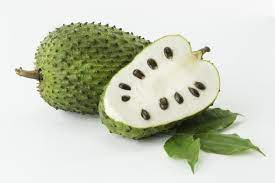
Soursop is the fruit of the tropical Annona muricata tree, a member of the Annonaceae family. Depending on where you live, you may hear it called graviola, guanábana, guanabana, guyabano, or corossol. The fruit is particularly recognizable because of its green skin covered with soft-looking spines, while the inside contains juicy white pulp with a sweet-and-tart flavor. In many tropical communities, soursop has been used as both a food and a traditional botanical ingredient, which helps explain why interest in the plant extends far beyond its culinary appeal. Modern research has identified numerous compounds in different parts of Annona muricata, including acetogenins, alkaloids, flavonoids, and other phytochemicals.
The important point is that soursop fruit and soursop leaf are not interchangeable. When someone says they are taking soursop, they could mean fresh fruit, frozen pulp, juice, tea, dried leaves, powdered leaves, capsules, or a liquid herbal preparation. Each form can have a different chemical profile and potentially different safety considerations. Behalal Organics, for example, currently offers Soursop Graviola Leaf Capsules made with 500 mg of Annona muricata leaf powder per vegetarian capsule, as well as soursop-based bitters. That makes it especially important for consumers to read the product label rather than assuming that research on fresh soursop fruit automatically applies to concentrated leaf products.
Soursop and Antioxidant Support
One of the reasons soursop attracts attention in wellness conversations is its collection of naturally occurring plant compounds with antioxidant activity. Antioxidants are substances that can help counter oxidative processes involving reactive molecules in the body. Your body naturally produces these molecules during normal metabolism, and environmental factors can contribute to oxidative stress as well. Fruits and vegetables are valuable parts of a balanced diet partly because they provide a broad mixture of vitamins, minerals, fiber, and phytochemicals that work together within an overall healthy eating pattern. Research on Annona muricata has identified flavonoids and other phytochemicals with antioxidant activity in laboratory studies.
However, there is a big difference between saying soursop contains antioxidant compounds and saying that eating soursop will prevent a particular disease. The first statement is supported by phytochemical research; the second requires strong human evidence that has not been established for many of the popular claims surrounding graviola. Think of antioxidants as part of a large team rather than a single superhero. Your overall diet, sleep, physical activity, stress management, and other lifestyle factors all contribute to health. Enjoying soursop fruit can therefore be one enjoyable way to add variety to your diet, but it should not be viewed as a shortcut around the fundamentals of good nutrition.
Soursop May Support a Nutrient-Rich Diet
Fresh soursop can contribute to your overall intake of nutrients while adding variety to your fruit choices. The creamy pulp makes it easy to use in smoothies, fruit bowls, chilled desserts, or simply enjoy with a spoon. Like other fruits, it can contribute water and naturally occurring carbohydrates while providing plant compounds that make fruit an important part of a balanced dietary pattern. The nutritional value of a specific serving depends on factors such as fruit size, preparation method, and portion size, so it is better to think of soursop as one component of your diet rather than assigning it a magical nutritional profile. Research reviews also identify vitamins and other phytochemicals among the constituents of Annona muricata.
There is another practical advantage to eating the fruit itself: you know what you are consuming. A whole food comes with its natural combination of pulp, water, fiber, and plant compounds rather than a highly concentrated extract of one part of the plant. That does not automatically make every fruit preparation superior, but it does provide useful context when comparing fresh soursop with teas, powders, extracts, and capsules. If your goal is simply to enjoy the flavor and nutritional variety of soursop, fresh fruit or appropriately prepared pulp can fit naturally into meals and snacks. If your goal is to use a concentrated botanical supplement, however, the conversation becomes more complicated because dose, plant part, extraction method, and long-term exposure matter.
Soursop and Digestive Wellness
Soursop is also commonly discussed in connection with digestive wellness, partly because fruit can contribute to a diet that contains a variety of plant foods. A balanced diet containing fruits, vegetables, whole grains, legumes, nuts, and seeds provides different types of dietary fiber and plant compounds that support normal digestive function. Fresh soursop can be incorporated into this broader pattern as a tropical fruit rather than being treated as a standalone digestive treatment. Traditional uses of Annona muricata have included digestive applications, and research has investigated possible gastrointestinal effects in laboratory and animal models. A scientific review of the plant's pharmacological activities identified antiulcer and antidiarrheal research among the areas studied, although these findings should not be interpreted as proof that soursop treats digestive diseases in humans.
This is where expectations matter. If you occasionally experience ordinary digestive discomfort, changing your overall eating habits, staying hydrated, getting enough fiber, and paying attention to foods that trigger symptoms may be more meaningful than relying on one botanical. Persistent abdominal pain, unexplained diarrhea, constipation, blood in the stool, vomiting, or significant changes in bowel habits deserve professional medical evaluation. Soursop can be part of a healthy eating pattern, but it should not be used to delay diagnosis or treatment. When consumed as a food, its role is best understood as supportive nutrition rather than a medical intervention.
Soursop and Immune Health
The phrase immune support appears frequently in discussions about soursop, but it needs to be used carefully. The immune system is incredibly complex, involving physical barriers, specialized cells, signaling molecules, organs, and coordinated responses. No single fruit can replace the fundamentals that help maintain normal immune function, including adequate nutrition, sleep, physical activity, hygiene, and appropriate medical care. Soursop contains plant compounds that researchers have investigated for antioxidant and other biological activities, which provides a reason for scientific interest, but laboratory activity should not automatically be translated into a proven immune-boosting effect in humans. Reviews of Annona muricata research have documented several potentially relevant biological activities, while also emphasizing the need for more clinical research.
If you enjoy soursop, its best place in an immune-conscious lifestyle is alongside a diverse diet rather than above it. Imagine your health as a house: one fruit is one brick, not the entire building. Eating different colorful fruits and vegetables helps broaden your intake of nutrients and phytochemicals. Adequate protein, healthy fats, whole grains, legumes, and other nutrient-dense foods matter too. So, while soursop may contribute to a varied dietary pattern, it is more accurate to describe it as a nutritious food with interesting plant compounds than as a proven immune treatment.
Soursop and Healthy Inflammation Balance
Inflammation is another area where soursop research has generated interest. Inflammation itself is not automatically bad; it is part of the body's normal response to injury, infection, and other challenges. Problems arise when inflammatory processes become inappropriate, excessive, or persistent. Researchers have investigated extracts and compounds from Annona muricata for potential anti-inflammatory activity, particularly in laboratory and animal models. A broad review of the plant's research history identified anti-inflammatory effects among the biological activities reported in preclinical studies.
The important word here is potential. A compound demonstrating anti-inflammatory activity in a test tube does not mean that eating soursop will produce the same effect in a person at a meaningful dose. Human bodies are far more complicated than laboratory systems, and absorption, metabolism, dosage, and interactions all influence outcomes. Rather than promising that soursop will eliminate inflammation, a responsible wellness approach is to recognize that the plant contains compounds worth studying while continuing to focus on established habits such as maintaining a healthy weight, exercising regularly, eating a balanced diet, avoiding smoking, and getting sufficient sleep. Soursop can complement a healthy lifestyle, but it should not become a substitute for evidence-based care.
Soursop and Blood Sugar: What Does Research Say?
Blood sugar is one of the more frequently discussed areas of soursop research, especially because laboratory and animal studies have explored possible hypoglycemic activity. A review of research published between 1981 and 2021 reported that antidiabetic activity was among the areas investigated for Annona muricata. However, this does not mean that soursop is a proven treatment for diabetes. The distinction is crucial because blood glucose management involves multiple factors, including insulin sensitivity, medication, physical activity, dietary patterns, genetics, and overall metabolic health.
If you have diabetes or take medication that affects blood sugar, you should be particularly cautious about adding concentrated herbal products without professional guidance. A supplement that potentially influences blood glucose could theoretically alter the effect of medication, even when the evidence is incomplete. The safest approach is to monitor your condition according to your healthcare professional's recommendations and discuss any herbal product before introducing it. For people without diabetes, there is also no reason to treat soursop as a blood-sugar-lowering supplement simply because preliminary research is interesting. Enjoy the fruit as food, but avoid turning preliminary findings into promises.
Can Soursop Fight Cancer?
This is probably the most misunderstood part of the soursop benefits conversation. Laboratory studies have found that certain compounds from Annona muricata, particularly acetogenins, can demonstrate cytotoxic activity against cancer cells under experimental conditions. Reviews have therefore identified anticancer activity as a major area of soursop research. But killing or inhibiting cancer cells in a laboratory environment is not the same as proving that a soursop fruit, tea, capsule, or extract can prevent or cure cancer in humans.
That distinction should never be minimized. Cancer is a collection of complex diseases requiring diagnosis and individualized treatment. There is currently insufficient clinical evidence to recommend soursop as a cancer treatment or as a replacement for established therapies. In fact, concentrated Annona muricata preparations raise additional safety questions because some acetogenins have demonstrated neurotoxic potential, and a European Food Safety Authority risk assessment concluded that uncertainties remain regarding the safe use of A. muricata supplements, particularly with long-term exposure. If someone has cancer, the right conversation is with their oncology team rather than relying on social-media claims about graviola.
Soursop Leaf vs. Soursop Fruit: Why the Difference Matters
It is easy to hear about the benefits of soursop and assume that every part of the plant works in exactly the same way. That assumption can be misleading. Soursop fruit, soursop leaves, seeds, bark, and roots contain different concentrations and combinations of plant compounds. Herbal products frequently use leaves because they are traditionally prepared as teas, powders, or extracts, but concentrated leaf products should not automatically be considered equivalent to eating the fruit. Scientific reviews have specifically raised safety questions around Annona muricata preparations and their acetogenin content.
Behalal Organics currently sells Soursop Graviola Leaf Capsules, described as containing 500 mg of pure Annona muricata leaf powder per vegetarian capsule, without fillers, binders, additives, or dyes. The product listing also advises people who are pregnant, nursing, taking medications, or managing medical conditions to consult a healthcare professional before use. That distinction is worth emphasizing for consumers: a supplement containing soursop leaf is a concentrated botanical product, not simply a convenient version of fresh soursop fruit. If you choose to use one, follow the product label and consider discussing it with a qualified healthcare professional, particularly for regular or long-term use.
What About Soursop Tea, Capsules, and Bitters?
Soursop can appear in several forms, and each one deserves its own consideration. Fresh fruit is primarily a food, while leaf tea, powders, capsules, and bitters are botanical preparations. Concentrated products may deliver plant compounds in quantities that differ substantially from ordinary dietary consumption. This is one reason why claims made about the fruit cannot automatically be transferred to supplements. The evidence base for long-term safety is also limited, and a systematic review found that although available studies suggest a generally favorable safety profile for some A. muricata preparations, important questions remain about dose, duration, and toxicity.
For consumers who prefer ready-to-use products, Behalal Organics currently lists several soursop options, including its Soursop Graviola Leaf Capsules, Soursop Bitters, and a Soursop Bitters with Moringa and Turmeric formulation. Product labels, ingredients, serving instructions, and individual circumstances should guide your decision. A convenient capsule or herbal tonic does not automatically mean a stronger or better health effect. When shopping for botanical supplements, quality, transparency, dosage information, and appropriate precautions are much more important than dramatic promises.
Soursop Safety: What You Should Know
The safety conversation around soursop deserves just as much attention as the benefits conversation. Researchers have identified annonacin and other annonaceous acetogenins as compounds of interest because of their biological effects, including potential effects on mitochondrial complex I. Experimental research has demonstrated neurotoxic effects from annonacin in cells and animal models, and epidemiological research has investigated possible associations between regular consumption of annonaceous plants and atypical parkinsonism in Guadeloupe. A risk assessment published through the European Food Safety Authority framework concluded that the available evidence does not allow researchers to establish a safe intake level for A. muricata supplements because of substantial uncertainties, particularly regarding long-term use.
That does not mean that eating a serving of fresh soursop automatically causes neurological disease. The evidence is much more nuanced, and some experimental findings involve concentrated extracts, isolated compounds, or animal models. Still, the research provides a good reason not to consume large quantities of soursop leaf preparations indefinitely or assume that "natural" means risk-free. Anyone who is pregnant or breastfeeding, takes prescription medication, has a chronic medical condition, or is considering long-term herbal supplementation should seek professional advice before use. Behalal Organics also places a healthcare-provider consultation warning on its soursop capsule listing.
How to Add Soursop to a Balanced Lifestyle
If you love soursop, you do not need to make it complicated. Fresh soursop can be enjoyed on its own, blended into a smoothie, combined with other fruits, or used in homemade recipes. The key is variety: instead of expecting one tropical fruit to solve every wellness concern, use it as one part of a broader eating pattern. Pairing fruit with protein, healthy fats, whole grains, vegetables, and legumes can make meals more satisfying and nutritionally diverse. This approach is much more sustainable than chasing the latest "miracle food" claim.
If you are interested in a soursop supplement, take a few extra minutes to investigate the exact product. Check whether it contains fruit, leaf, extract, or a blend, read the serving instructions, review the ingredient list, and pay attention to warnings. Behalal Organics describes its soursop capsules as a 100% plant-based product containing 500 mg of Annona muricata leaf powder per capsule and provides suggested-use and healthcare consultation guidance on its product page. For people who want to explore soursop products, you can browse the available options from Behalal Organics and choose according to your personal needs and the product's label information.
Soursop Benefits: What the Evidence Really Tells Us
After separating nutrition, traditional use, laboratory research, animal studies, and human evidence, the picture becomes much clearer. Soursop is an interesting tropical plant with a wide range of naturally occurring compounds, and research has identified antioxidant, antimicrobial, anti-inflammatory, metabolic, and cytotoxic activities in experimental settings. Those findings explain why scientists continue to study the plant. They do not, however, prove that soursop can cure cancer, eliminate infections, reverse diabetes, or treat neurological disease.
For everyday wellness, the strongest practical message is simple: enjoy soursop as part of a varied diet if you like it, and approach concentrated soursop leaf products with appropriate caution. The most exciting research questions are not necessarily the same as the most reliable health recommendations. Science takes time because promising laboratory results must survive increasingly rigorous testing before they become established clinical guidance. By keeping that distinction in mind, you can appreciate what makes soursop fascinating without falling for exaggerated claims.
Conclusion
Soursop has earned its place in the natural wellness conversation for good reason: it is a distinctive tropical fruit with a long history of traditional use and a surprisingly complex collection of plant compounds. Research into Annona muricata has uncovered promising antioxidant, anti-inflammatory, antimicrobial, metabolic, and anticancer-related activities, but much of that evidence remains preclinical. The biggest mistake is turning "promising research" into "proven treatment." The evidence simply does not support that leap.
There is also an important safety lesson. Soursop fruit and concentrated soursop leaf preparations are not the same thing, and research into annonacin and other acetogenins means long-term or high-dose supplementation deserves caution. EFSA's risk assessment found that available evidence is insufficient to establish a safe intake level for A. muricata supplements, while research has raised concerns about potential neurotoxicity. If you are interested in adding soursop products to your wellness routine, focus on responsible use, read labels carefully, and speak with a qualified healthcare professional when medications, pregnancy, breastfeeding, or medical conditions are involved.
For those looking for convenient soursop products, Behalal Organics offers Soursop Graviola Leaf Capsules and soursop-based herbal bitters through its online store. The goal should not be to chase a miracle. It should be to make informed choices, choose quality products, and build wellness habits that can actually last.
Frequently Asked Questions About Soursop Benefits
1. What are the main benefits of soursop?
Soursop contains naturally occurring vitamins and phytochemicals, and laboratory research has investigated antioxidant, anti-inflammatory, antimicrobial, metabolic, and anticancer-related activities. However, many of these findings are based on laboratory or animal research rather than strong human clinical trials.
2. Can soursop cure cancer?
No. Although compounds from Annona muricata have demonstrated cytotoxic activity against cancer cells in laboratory research, this does not establish soursop as a cancer treatment in humans. People with cancer should not replace prescribed treatment with soursop or graviola products.
3. Is soursop leaf the same as eating soursop fruit?
No. Different parts of the plant contain different compounds and concentrations. Soursop leaf products, including capsules and teas, should therefore not automatically be treated as equivalent to eating the fresh fruit. Safety concerns surrounding concentrated A. muricata preparations also deserve consideration.
4. Can I buy soursop products from Behalal Organics?
Yes. Behalal Organics currently offers Soursop Graviola Leaf Capsules, as well as soursop-based bitters. Its capsule product is described as containing 500 mg of Annona muricata leaf powder per vegetarian capsule.
5. Who should be cautious with soursop supplements?
People who are pregnant or breastfeeding, taking medications, or managing an existing medical condition should consult a qualified healthcare professional before using soursop supplements. Long-term safety remains an area of uncertainty, particularly for concentrated A. muricata preparations.
DISCLAIMER
This blog has not been approved by your local health department and is not intended to provide diagnosis, treatment, or medical advice. The content provided on this blog is for informational purposes only. Please consult with a physician or other healthcare professional regarding any medical or health-related diagnosis or treatment options. Information on this blog should not be considered as a substitute for advice from a healthcare professional. The claims made about specific products throughout this blog are not approved to diagnose, treat, cure, or prevent disease.
Explore Popular Articles
-

Sea Moss Powder with Elderberry: Benefits, Uses, and How to Take It
7th Oct 2026Sea Moss Powder with Elderberry: Benefits, Uses, and How to Take It Sea moss has become a familiar n
-
10 Potential Benefits of Bitter Kola You Should Know
6th Oct 2026Bitter kola, scientifically known as Garcinia kola, is one of those traditional West African foods t
-
5 Breakfast Ideas You Can Pair With Irish Sea Moss Gel
5th Oct 2026Article Outline H1: 5 Breakfast Ideas You Can Pair With Irish Sea Moss Gel H2: Why Irish Sea Moss