
Sea Moss Powder with Elderberry: Benefits, Uses, and How to Take It
Sea Moss Powder with Elderberry: Benefits, Uses, and How to Take It
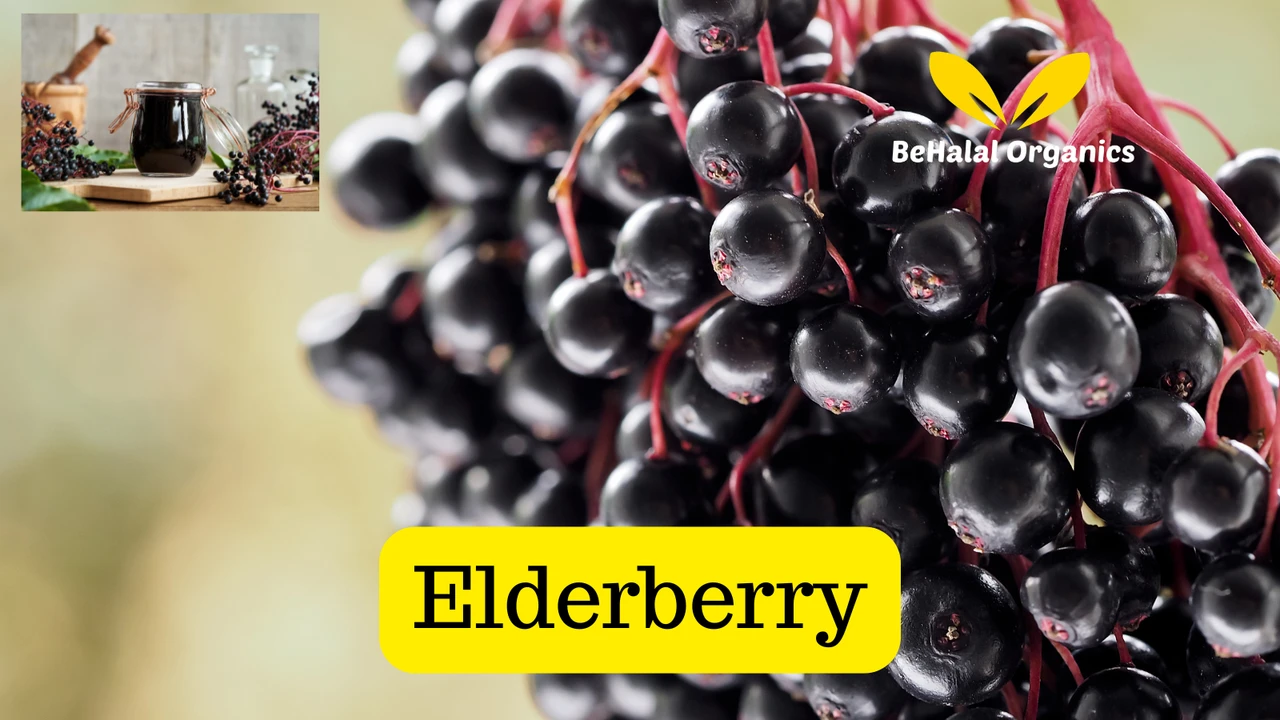
Sea moss has become a familiar name in the wellness world, but sea moss powder with elderberry brings two very different natural ingredients into one convenient blend. Sea moss, particularly Irish moss (Chondrus crispus), is a red seaweed that contains minerals, carbohydrates, polysaccharides, and other naturally occurring compounds. Elderberry, meanwhile, comes from the dark purple berries of Sambucus nigra and is known for its anthocyanins and other polyphenols. Together, they have attracted attention among people looking for simple ways to add plant-based ingredients to smoothies, drinks, and everyday wellness routines.
But what exactly makes this combination interesting? Is it simply another trendy powder, or is there something useful behind the ingredients? The answer requires a little balance. Research has identified interesting nutritional and biological properties in both sea moss and elderberry, but that does not mean the combination should be treated as a cure, a replacement for medication, or a guarantee of better health. Current evidence around elderberry suggests it may help with some cold and flu symptoms, while research on Chondrus crispus is still limited when it comes to proving specific health outcomes in humans.
If you are curious about sea moss powder with elderberry, this guide will walk you through what it is, the potential benefits, practical ways to use it, important safety considerations, and how to make it part of a balanced lifestyle without overcomplicating your routine.
What Is Sea Moss Powder With Elderberry?
Sea moss powder with elderberry is a powdered wellness ingredient that combines dried sea moss with elderberry or elderberry-derived ingredients. The exact nutritional profile depends on the ingredients, proportions, processing method, and quality of the finished product, so it is important to check the product label rather than assuming every sea moss and elderberry powder contains the same amounts of nutrients. Sea moss is a type of red algae, and Chondrus crispus, commonly called Irish moss, has been studied for its carbohydrates, minerals, polysaccharides, and other compounds. Elderberry belongs to an entirely different plant family and contributes naturally occurring anthocyanins, flavonols, phenolic acids, and other polyphenols.
The appeal of combining the two is partly about convenience. Instead of keeping several different powders in the cupboard, a blended product can give you a simple ingredient to add to an existing smoothie, drink, or food. Think of it less like a magic potion and more like a shortcut for incorporating specific plant ingredients into meals you already enjoy. That distinction matters because wellness products work best when they fit into realistic habits. A powder that you remember to use consistently with a nutritious breakfast is much more practical than a complicated routine involving several products at different times of the day.
Why Are Sea Moss and Elderberry Often Combined?
Sea moss and elderberry are often grouped together because they have complementary reputations in the wellness space. Sea moss is generally associated with minerals and naturally occurring polysaccharides, while elderberry is particularly interesting because of its high concentration of anthocyanins and other polyphenolic compounds. Research reviews describe elderberry as a rich source of anthocyanins, although the amount and composition can vary depending on the variety, growing conditions, ripeness, and processing method.
That combination creates an appealing ingredient for people who want to make their everyday food and drink choices a little more nutrient-conscious. However, it is important not to turn the word immune into a promise that the product can prevent illness. The National Center for Complementary and Integrative Health notes that some preliminary research suggests elderberry may help relieve symptoms associated with colds, flu, or other upper respiratory infections, but the evidence remains limited and mixed. In other words, there is scientific interest, but there is still plenty researchers do not know.
Potential Benefits of Sea Moss Powder
One reason sea moss continues to attract attention is its nutritional composition. Research on Chondrus crispus has identified carbohydrates, proteins, minerals, and various polysaccharides, although the amounts can vary considerably between samples. Some studies have also explored antioxidant and other biological activities associated with compounds found in red seaweeds. These findings make sea moss an interesting food ingredient, but laboratory or compositional findings should not automatically be interpreted as proven health effects in people.
Sea moss may therefore be best viewed as one small piece of a larger dietary picture. If you are already eating vegetables, fruits, legumes, whole grains, nuts, seeds, quality protein sources, and other nutrient-dense foods, a sea moss powder can be another way to diversify the ingredients in your routine. It should not become the foundation of your nutrition. A good analogy is seasoning a meal: adding something interesting can complement the dish, but it does not replace the main ingredients that make the meal nourishing in the first place.
Potential Benefits of Elderberry
Elderberry has received considerably more attention in human research than many trendy botanical ingredients, particularly in relation to respiratory symptoms. The berries contain naturally occurring anthocyanins and other polyphenols, which are compounds researchers have studied for their antioxidant and biological properties. Reviews of elderberry research have identified promising mechanisms and potential benefits, but they also emphasize the need for better-quality clinical trials before broad health claims can be made.
The most interesting human evidence concerns colds, influenza, and other upper respiratory symptoms. According to the NIH Office of Dietary Supplements, several small clinical trials have examined elderberry, and some suggest that supplementation may reduce the duration or severity of certain respiratory symptoms. However, results have not been completely consistent, and the available studies are relatively small. That means it is more accurate to say elderberry may support certain aspects of respiratory wellness than to claim that it prevents infections or cures illness.
Sea Moss and Elderberry for Everyday Wellness
The biggest practical advantage of a sea moss and elderberry powder may be its simplicity. Many people are not looking for an elaborate supplement schedule; they simply want ingredients they can incorporate into breakfast or an afternoon drink without much effort. A powder can make that easier because you can measure the amount recommended on the product label and mix it into foods you already consume. This approach also encourages you to think about wellness as a collection of everyday choices rather than one product doing all the work.
A balanced routine might include a smoothie containing fruit, vegetables, a source of protein, and a small amount of the powder. Another person might prefer mixing it into water or another beverage. Someone else may find that stirring it into oatmeal or yogurt is more convenient. There is no single "perfect" way to use it. The best method is the one that fits your eating habits while keeping you within the manufacturer's recommended serving size.
What Nutrients and Compounds Are Found in Sea Moss?
Sea moss is particularly interesting from a food-science perspective because it contains a mixture of carbohydrates, minerals, proteins, and polysaccharides. Research on Chondrus crispus has identified several carbohydrate fractions and minerals, although the nutritional composition can differ depending on cultivation, environment, processing, and analytical method. One recent review also highlighted the diversity of compounds found across the Chondrus genus.
Iodine deserves special attention because seaweed can be a significant source of this mineral. Iodine is essential for producing thyroid hormones, which influence metabolism and other important processes in the body. The NIH states that the recommended amount for adults is 150 micrograms per day, while the adult upper limit is 1,100 micrograms per day from all sources. The amount in seaweed can vary widely, so simply assuming that every sea moss product contains a predictable amount of iodine would be misleading.
What Makes Elderberry Nutritionally Interesting?
Elderberry stands out because of its naturally occurring polyphenols, particularly anthocyanins. These compounds contribute to the deep purple color associated with many dark berries and have been widely studied for their antioxidant properties. A 2024 review described elderberry as a rich source of bioactive compounds, while also emphasizing the variation that can occur between different elderberry cultivars and preparations.
This is one reason it is useful to look beyond marketing language when evaluating elderberry products. An elderberry food, juice, powder, and standardized extract are not necessarily equivalent. They can differ in concentration, processing, and the specific compounds delivered. So when you read that elderberry contains anthocyanins, remember that the research on a concentrated extract cannot automatically be used to predict what will happen after consuming an unspecified amount of elderberry powder.
How to Take Sea Moss Powder With Elderberry
The easiest approach is to follow the serving instructions provided on the product label. Powdered products can vary in concentration, formulation, and ingredient ratios, so there is no universal serving size that should be applied to every brand. Starting with the recommended amount also makes it easier to understand how the product fits into your routine without unnecessarily increasing your intake.
For everyday use, you can consider adding the recommended serving to a smoothie, mixing it into water or another beverage, or incorporating it into foods such as oatmeal or yogurt if the product's instructions allow it. A fruit smoothie can be especially convenient because berries, banana, pineapple, mango, or other fruits can complement the flavor of a seaweed-based powder. If you prefer something simpler, mixing it into a cold drink may be all you need. The goal is convenience, not complexity.
Easy Ways to Add It to Your Daily Routine
There are plenty of ways to make a sea moss and elderberry powder part of your normal meals without turning your kitchen into a supplement laboratory. A morning smoothie is probably one of the easiest options because the other ingredients can naturally mask strong flavors or textures. You could combine fruit with a liquid base and another nutrient-dense ingredient such as yogurt, oats, nut butter, or seeds. The result becomes a complete snack or breakfast rather than simply a glass of powdered ingredients.
You can also experiment with simple combinations based on your taste preferences. Try blending the powder with berries and banana for a naturally sweet smoothie, or combine it with pineapple and mango for a tropical option. If you prefer a warm breakfast, consider stirring the recommended amount into oatmeal after cooking rather than boiling the powder for an extended period. And if you are someone who prefers minimal preparation, a glass of water or juice can be the most practical option. The "best" recipe is the one you will actually make.
Can You Put Sea Moss and Elderberry Powder in a Smoothie?
Yes, a smoothie can be a convenient way to use a powdered sea moss and elderberry blend, provided the product label indicates that it is intended for food or beverage use. Smoothies also offer plenty of room for creativity. Fruit provides natural sweetness, while yogurt or another protein-rich ingredient can make the drink more filling. You can also add leafy greens, oats, chia seeds, or nut butter depending on your nutritional goals and taste.
One useful tip is to avoid treating the powder as the entire nutritional value of the smoothie. A smoothie made from only water and a wellness powder is unlikely to provide the same variety of nutrients as one containing fruit, vegetables, protein, and healthy fats. Think of sea moss with elderberry as an addition, not the star of the entire nutritional show. That small shift in perspective can make your routine more balanced and sustainable.
Can You Mix It With Water or Juice?
Water is one of the simplest choices if you want a quick drink. Depending on the texture and flavor of the powder, you may find that whisking or shaking it thoroughly helps distribute it more evenly. Juice can also work if you prefer a sweeter flavor, although it is worth remembering that juice can contribute significant natural sugar and calories depending on the type and quantity you use.
If you are experimenting for the first time, keep the rest of your drink simple. That way, you can figure out whether you actually enjoy the taste and texture before creating elaborate recipes. Some people may enjoy the earthy character of sea moss, while others may prefer pairing it with fruit. There is no need to force yourself to drink something you dislike simply because it is marketed as a wellness product.
Sea Moss Powder With Elderberry vs. Sea Moss Gel
Sea moss powder and sea moss gel are related but convenient in different ways. Powder is dry, lightweight, and easy to store, while gel has already been hydrated and has a thicker texture. Powder can be particularly useful for people who want to add a measured amount to smoothies or drinks without keeping a prepared gel in the refrigerator.
The two forms should not automatically be treated as interchangeable by volume. A spoonful of powder and a spoonful of gel do not necessarily contain the same quantity of sea moss because gel contains water. This is another reason to follow the instructions specific to the product you are using. If you already enjoy sea moss gel, powder may simply provide another format that fits your lifestyle more conveniently.
What Should You Look for When Choosing a Product?
Quality matters when choosing any seaweed-based supplement or food product. Because seaweed can absorb substances from its growing environment, sourcing and testing deserve attention. The National Library of Medicine's LactMed database notes that sea moss can contain iodine and that seaweeds may also accumulate heavy metals such as arsenic, lead, and mercury depending on environmental conditions.
Look for a product with clear ingredient information, straightforward serving instructions, and a reputable source. If testing information is available, that can provide additional reassurance about quality and contaminants. It is also useful to check whether the product specifies the form of elderberry used, because research on concentrated extracts cannot necessarily be applied directly to every elderberry powder. In short, don't choose a product simply because the front of the package uses impressive words. Turn it around and read the label.
Is Sea Moss Powder With Elderberry Safe?
For most adults, a properly processed commercial product used according to its label may fit into a normal diet, but "natural" does not automatically mean "risk-free." Sea moss can contribute iodine, and excessive iodine intake can affect thyroid function in susceptible people. The NIH notes that high iodine intake can contribute to thyroid problems and that some people, including those with autoimmune thyroid disease or iodine deficiency, may experience adverse effects at intakes considered safe for the general population.
Elderberry also has important safety considerations. Raw or unripe elderberries, as well as leaves, stems, and other parts of the elder plant, contain compounds that can cause illness, while properly processed commercial elderberry products are designed to avoid this problem. The NCCIH advises caution and recommends discussing herbal products with a healthcare professional, particularly when medications or special health circumstances are involved.
Who Should Be Especially Careful With Sea Moss and Elderberry?
People with thyroid conditions or those who have been instructed to follow a low-iodine diet should speak with a healthcare professional before using sea moss products. This is particularly important because iodine levels in seaweed are variable and can sometimes be substantial. People taking medicines that affect thyroid function should also discuss iodine-containing supplements with their healthcare provider because iodine can interact with certain medications.
Pregnancy and breastfeeding are another area where professional advice matters. NIH sources note that there is not enough information to establish the safety of elderberry supplements during pregnancy, while LactMed specifically advises caution with sea moss during breastfeeding unless iodine and heavy-metal levels are known to be sufficiently low. People taking multiple medications, managing chronic conditions, or considering supplements for a specific medical problem should likewise speak with a qualified healthcare professional before starting a new product.
Sea Moss Powder With Elderberry at Behalal Organics
If you are looking for Sea Moss Powder with Elderberry Immune Boost, it is available on Behalal Organics for those who want to add this combination to their everyday wellness routine. Having the product available in powder form makes it easy to explore different serving ideas, from smoothies and fruit drinks to simple everyday recipes. As always, use the serving guidance provided with the product rather than assuming that a larger amount will provide greater benefits.
Behalal Organics is also a convenient place to explore other wellness products if you are building a broader routine rather than relying on a single ingredient. The important thing is to choose products thoughtfully, read the labels, and keep your overall diet at the center of your wellness habits. A supplement or botanical powder can complement good habits, but it cannot replace nutritious meals, adequate sleep, hydration, movement, or appropriate medical care.
Conclusion
Sea moss powder with elderberry combines two ingredients that have attracted considerable interest for different reasons. Sea moss provides naturally occurring minerals, carbohydrates, polysaccharides, and other compounds, while elderberry contributes anthocyanins and other polyphenols that have been studied for their biological activity. Research is promising in some areas, particularly around elderberry and respiratory symptoms, but the evidence is not strong enough to present this combination as a treatment or cure for disease.
The simplest way to approach the product is as an optional addition to an already balanced lifestyle. Follow the product's serving instructions, add it to a smoothie or beverage you genuinely enjoy, and pay attention to the quality and sourcing of the product. Most importantly, remember that more is not always better. Because sea moss can contain meaningful amounts of iodine and seaweed products can vary in composition, responsible use matters.
For those interested in trying it, Sea Moss Powder with Elderberry Immune Boost is available on Behalal Organics. Add it to a routine that already includes nourishing foods and sensible wellness habits, and let it be one convenient ingredient—not the entire foundation—of your approach to everyday wellbeing.
FAQs
1. What is sea moss powder with elderberry?
Sea moss powder with elderberry is a powdered blend combining sea moss, a type of red seaweed, with elderberry or elderberry-derived ingredients. The exact composition varies by product, so checking the ingredient and serving information on the label is important.
2. What are the potential benefits of elderberry?
Research suggests elderberry may help reduce the duration or severity of some cold and flu symptoms, although studies have been relatively small and results have not always been consistent. It should not be considered a proven treatment or a substitute for medical care.
3. How do you take sea moss powder with elderberry?
Follow the serving instructions provided on the product label. Depending on the product directions, powder can be incorporated into smoothies, beverages, yogurt, oatmeal, or other foods. Starting with the recommended serving is preferable to taking more than directed.
4. Does sea moss contain iodine?
Yes. Seaweed, including sea moss, can contain iodine, although the amount can vary significantly depending on the species, growing conditions, and processing. Iodine is essential for thyroid hormone production, but excessive intake can also cause problems, so people with thyroid conditions or special dietary restrictions should seek professional guidance.
5. Where can I buy sea moss powder with elderberry?
Sea Moss Powder with Elderberry Immune Boost is available on Behalal Organics. Check the product information and serving directions before use, and choose the preparation that best fits your everyday food and wellness routine.
DISCLAIMER
This blog has not been approved by your local health department and is not intended to provide diagnosis, treatment, or medical advice. The content provided on this blog is for informational purposes only. Please consult with a physician or other healthcare professional regarding any medical or health-related diagnosis or treatment options. Information on this blog should not be considered as a substitute for advice from a healthcare professional. The claims made about specific products throughout this blog are not approved to diagnose, treat, cure, or prevent disease.
Explore Popular Articles
-

Sea Moss Powder with Elderberry: Benefits, Uses, and How to Take It
7th Oct 2026Sea Moss Powder with Elderberry: Benefits, Uses, and How to Take It Sea moss has become a familiar n
-
10 Potential Benefits of Bitter Kola You Should Know
6th Oct 2026Bitter kola, scientifically known as Garcinia kola, is one of those traditional West African foods t
-
5 Breakfast Ideas You Can Pair With Irish Sea Moss Gel
5th Oct 2026Article Outline H1: 5 Breakfast Ideas You Can Pair With Irish Sea Moss Gel H2: Why Irish Sea Moss