
10 Potential Benefits of Bitter Kola You Should Know
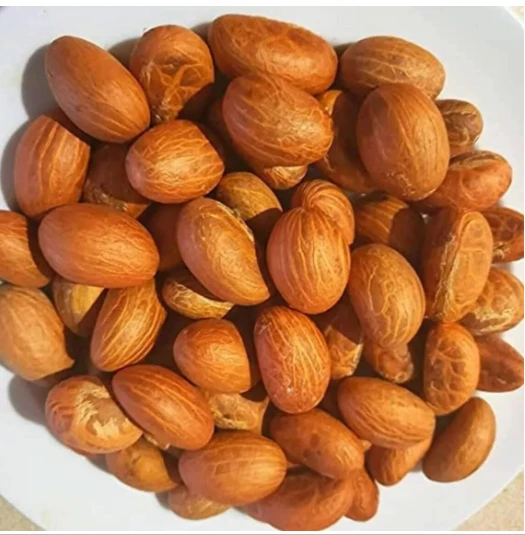
Bitter kola, scientifically known as Garcinia kola, is one of those traditional West African foods that has been part of everyday life for generations. You may have seen the brownish seeds at local markets, shared them during social gatherings, or even chewed a piece yourself and immediately understood where the name “bitter kola” came from. Behind that strong, distinctive taste is a plant that has attracted considerable scientific interest because its seeds contain a variety of naturally occurring compounds, including biflavonoids, phenolic compounds, phytosterols, and other bioactive substances. Modern research is exploring how these compounds may interact with processes related to oxidative stress, inflammation, metabolism, and other areas of health. At the same time, it is important to separate potential benefits from proven medical effects. A major 2023 scientific review found that much of the research on Garcinia kola has been conducted in laboratory or animal models, while well-designed human clinical trials remain limited.
-
1. What Is Bitter Kola?
-
Garcinia Kola and Its Traditional Importance
-
What Makes Bitter Kola Different?
-
-
2. Bitter Kola Contains Bioactive Plant Compounds
-
Kolaviron and Other Phytochemicals
-
-
3. Potential Antioxidant Support
-
How Antioxidants Relate to Oxidative Stress
-
-
4. Potential Anti-Inflammatory Properties
-
5. Potential Respiratory and Throat Support
-
6. Potential Digestive Health Benefits
-
Traditional Uses for Stomach Comfort
-
-
7. Potential Metabolic Health Support
-
8. Potential Cardiovascular Benefits
-
9. Potential Antimicrobial Activity
-
10. Potential Liver-Protective Properties
-
11. Potential Cognitive and Nervous System Support
-
12. Bitter Kola and Everyday Energy
-
13. Bitter Kola and Traditional Wellness Practices
-
14. How Bitter Kola Is Commonly Consumed
-
Fresh Seeds, Powder, and Capsules
-
-
15. Bitter Kola Capsules: A Convenient Option
-
Why Some People Prefer Capsules
-
-
16. What Does the Research Actually Say?
-
17. Bitter Kola Safety and Important Considerations
-
Why Moderation Matters
-
-
18. Who Should Be Cautious With Bitter Kola?
-
19. How to Choose a Bitter Kola Supplement
-
20. Conclusion and FAQs
1. What Is Bitter Kola?
Bitter kola is the common name for Garcinia kola, a tree native to West and Central Africa, including Nigeria and neighbouring regions. Its seeds are particularly valued and have long been used as a traditional food, masticatory, and herbal ingredient. Unlike ordinary kola nuts, bitter kola has a noticeably bitter, astringent taste that can linger in the mouth, yet that intensity is part of what makes it culturally familiar and distinctive. Traditional uses have included chewing the fresh seed and using different parts of the plant in preparations associated with respiratory, digestive, metabolic, and general wellness concerns. A recent 2026 study documenting traditional use in Nigeria found that fresh bitter kola seeds were commonly reported for respiratory symptoms, stomach discomfort, and general well-being. However, traditional use should not automatically be interpreted as proof that bitter kola can prevent, treat, or cure a medical condition.
Garcinia Kola and Its Traditional Importance
The history of bitter kola is particularly interesting because its reputation did not begin in a laboratory. Communities in West Africa have used the plant for generations, and the seeds have also played social and cultural roles. Scientific researchers became interested in bitter kola partly because laboratory investigations identified several distinctive compounds within the plant. Reviews have reported compounds belonging to groups such as biflavonoids, benzophenones, xanthones, phytosterols, and other plant chemicals. One of the most extensively studied groups is kolaviron, a mixture of biflavonoids found in bitter kola seeds. Researchers have investigated these compounds for antioxidant, anti-inflammatory, antimicrobial, metabolic, liver-related, and other biological activities. The important word here is “investigated.” Much of the evidence comes from laboratory experiments and animal studies rather than large human trials, so bitter kola should be viewed as a traditional food and botanical ingredient with interesting research potential rather than as a replacement for medical treatment.
What Makes Bitter Kola Different?
One reason bitter kola continues to attract attention is its unusual phytochemical profile. Plants produce many compounds as part of their natural biology, and some of these compounds can interact with biological pathways when studied in laboratory settings. Bitter kola contains several such compounds, which may help explain why researchers continue to investigate it. Its traditional reputation has also encouraged scientists to ask whether some of the uses reported by communities have measurable biological explanations. Still, there is a big difference between a compound showing an effect in a test tube and a person experiencing the same effect after eating a seed. Dosage, preparation, absorption, metabolism, individual health status, and interactions with medications can all influence what happens in the human body. That distinction is essential when discussing the potential benefits of bitter kola responsibly.
2. Bitter Kola Contains Bioactive Plant Compounds
Bitter kola is interesting nutritionally and botanically because its seeds contain more than just calories and basic nutrients. Research has identified a variety of secondary plant metabolites, including flavonoids, biflavonoids, xanthones, tannins, phytosterols, and other compounds. These substances are often studied because they may have antioxidant, anti-inflammatory, antimicrobial, or other biological properties. Kolaviron, in particular, has received substantial scientific attention and is frequently discussed in studies involving Garcinia kola. A 2026 review also described bitter kola as containing proteins, lipids, dietary fibre, and micronutrients alongside its secondary plant compounds.
Kolaviron and Other Phytochemicals
The presence of these compounds does not mean that eating bitter kola automatically produces a specific therapeutic outcome. Think of the seed as a complicated natural mixture rather than a single active ingredient. Researchers are still working to understand which compounds are responsible for particular effects, what quantities are relevant, and whether findings from laboratory and animal studies translate into meaningful outcomes in humans. The 2023 critical review was particularly cautious, noting that many pharmacological findings involving bitter kola compounds have been observed in animal models and that human clinical trials are needed to establish their relevance. This is actually what makes bitter kola such an interesting area of research: there are promising clues, but there is still a lot to learn.
3. Potential Antioxidant Support
One of the most frequently discussed potential benefits of bitter kola is its antioxidant activity. Oxidative stress occurs when the production of reactive molecules in the body exceeds the body's ability to neutralize them effectively. Diets rich in plant foods can contribute compounds that participate in the body's broader antioxidant network, although individual foods should not be presented as magic solutions. Laboratory research involving Garcinia kola has identified antioxidant activity among its reported biological properties. A recent review likewise highlighted antioxidant effects among the health-promoting properties being investigated.
How Antioxidants Relate to Oxidative Stress
Why does this matter? Oxidative stress is involved in many biological processes and has been studied in connection with ageing, inflammation, cardiovascular health, and metabolic conditions. That does not mean bitter kola prevents these conditions, but it helps explain why antioxidant-rich plants attract so much scientific interest. The compounds in bitter kola may help researchers understand how certain plant constituents interact with oxidative pathways. However, the strength of evidence varies depending on the specific compound, preparation, dose, and experimental model. For someone simply looking to eat more nutritious foods, bitter kola can be considered one traditional plant food among many, rather than a standalone antioxidant treatment.
4. Potential Anti-Inflammatory Properties
Another area of interest is the potential anti-inflammatory activity of Garcinia kola compounds. Inflammation is a normal part of the body's defence system, but researchers are interested in how excessive or prolonged inflammatory activity may contribute to various health problems. Laboratory and animal studies have reported anti-inflammatory activity from bitter kola and some of its constituents. Reviews have therefore identified inflammation as one of the areas worth further investigation.
It is tempting to read the word “anti-inflammatory” and immediately assume that bitter kola can treat arthritis, pain, infections, or other inflammatory conditions. That would go beyond the evidence. A laboratory finding is not the same as a demonstrated clinical effect in humans. What the research currently gives us is a scientific reason to keep studying bitter kola, particularly its bioactive compounds and their possible mechanisms. For everyday wellness, bitter kola is better viewed as a botanical food with potentially useful compounds rather than as an anti-inflammatory medicine.
5. Potential Respiratory and Throat Support
Bitter kola has a long-standing traditional association with respiratory and throat comfort. People in parts of West Africa have traditionally chewed the seeds in connection with coughs, colds, throat irritation, and respiratory complaints. This traditional use has also appeared repeatedly in scientific reviews of Garcinia kola. A recent Nigerian ethnobotanical study found that respiratory symptoms were among the most commonly reported reasons participants used fresh bitter kola seeds.
That history makes respiratory support one of the most interesting areas for continued research. Some laboratory studies have investigated antimicrobial, anti-inflammatory, and other biological properties that could theoretically relate to respiratory wellness. Still, bitter kola should not be presented as a treatment for asthma, bronchitis, pneumonia, infections, or other respiratory diseases. If someone has persistent coughing, difficulty breathing, chest pain, fever, or other concerning symptoms, appropriate medical evaluation is far more important than relying on a traditional botanical ingredient. Bitter kola may have an interesting traditional role, but it should remain part of a broader approach to health.
6. Potential Digestive Health Benefits
Bitter kola has also been traditionally associated with digestive and stomach health. Different communities have used Garcinia kola for gastrointestinal complaints, and scientific reviews have documented these traditional applications. Some laboratory and animal investigations have explored possible gastric and protective effects, which may partly explain why the seed has remained popular in traditional wellness practices.
Traditional Uses for Stomach Comfort
However, digestive claims need to be handled carefully. A Nigerian community study involving 274 adults found that although bitter kola was widely perceived to have various benefits, the researchers did not find conclusive evidence supporting some traditional claims relating to food poisoning, diarrhoea, or stomach upset. This is a useful reminder that popularity and scientific confirmation are not the same thing. Bitter kola may be an interesting traditional food, but it should not replace proper hydration, dietary care, testing, or medical treatment when someone has significant gastrointestinal symptoms. Its potential digestive role remains an area where better human research could provide clearer answers.
7. Potential Metabolic Health Support
Another potential area of interest is metabolic health, particularly how compounds in bitter kola may interact with processes associated with glucose and lipid metabolism. Researchers have reported antidiabetic activity in experimental studies involving Garcinia kola and its constituents. Some of these findings have attracted attention because metabolic disorders are increasingly common worldwide.
Still, there is an important line between “may influence a biological pathway” and “lowers blood sugar in people.” That line matters enormously for anyone taking diabetes medication or managing blood glucose. The evidence available today does not justify replacing prescribed medication with bitter kola. If you enjoy bitter kola as a food or supplement, it should be considered alongside an overall healthy diet, physical activity, adequate sleep, and appropriate medical care. More controlled human research is needed before specific metabolic benefits can be confidently established.
8. Potential Cardiovascular Benefits
Heart health is another area in which bitter kola has attracted preliminary research interest. Reviews have described cardioprotective potential among the biological activities investigated for Garcinia kola, although much of the evidence remains preclinical. Plant compounds with antioxidant or anti-inflammatory properties are of interest to cardiovascular researchers because oxidative and inflammatory pathways are involved in cardiovascular biology.
That does not mean bitter kola should be considered a heart-health medicine. Cardiovascular health is influenced by many established factors, including blood pressure, cholesterol, smoking, physical activity, diet, body composition, stress, sleep, and genetics. A single plant cannot compensate for an unhealthy overall lifestyle. The most responsible way to describe bitter kola's potential cardiovascular role is that its compounds are being studied for biological effects that may eventually contribute to nutritional or pharmaceutical research.
9. Potential Antimicrobial Activity
Bitter kola has also been studied for antimicrobial activity, including activity against certain microorganisms in laboratory settings. This is particularly interesting because traditional uses of the plant have included respiratory and other conditions sometimes associated with infection. Reviews of Garcinia kola have reported antimicrobial findings among its investigated pharmacological activities.
However, laboratory antimicrobial activity should never be interpreted as proof that chewing bitter kola can cure a bacterial or viral infection. A microorganism being inhibited by a plant extract in a laboratory environment is very different from treating an infection inside the human body. Researchers need to establish effective concentrations, absorption, safety, mechanisms, and clinical outcomes before therapeutic conclusions can be made. For everyday consumers, this is best understood as a promising research area rather than a reason to use bitter kola instead of appropriate medical care.
10. Potential Liver-Protective Properties
The liver performs countless jobs every day, including processing nutrients, metabolizing substances, and supporting normal metabolic function. Because of this, researchers have shown interest in plants that contain compounds with possible hepatoprotective, or liver-supporting, activity. Garcinia kola has been investigated in experimental models for potential liver-protective effects, and reviews have repeatedly identified this as an area of scientific interest.
The distinction between potential liver support and treatment of liver disease is important. Someone with hepatitis, fatty liver disease, abnormal liver enzymes, or another diagnosed condition should not assume that bitter kola can reverse the problem. The available research does not provide sufficient human evidence to make such a claim. Instead, the existing findings provide a reason for scientists to continue investigating bitter kola compounds and their interactions with liver-related biological pathways.
11. Potential Cognitive and Nervous System Support
The nervous system is another area in which Garcinia kola compounds have attracted preliminary research attention. Scientific reviews have reported neuroprotective activity among the biological effects observed in experimental research. Antioxidant and other biochemical properties are part of the reason researchers are interested in how certain bitter kola compounds may interact with pathways relevant to neurological health.
But once again, preliminary research should not be mistaken for a proven cognitive enhancer. There is currently insufficient evidence to say that bitter kola improves memory, prevents dementia, or treats neurological disease in humans. If you are looking after brain health, the strongest everyday foundations remain adequate sleep, regular physical activity, balanced nutrition, social connection, learning, and management of cardiovascular risk factors. Bitter kola may be an interesting traditional addition to the conversation, but it is not a substitute for those fundamentals.
12. Bitter Kola and Everyday Energy
Many people associate kola-related seeds with stimulation and alertness, and bitter kola has traditionally been described as having a stimulating effect. Scientific reviews have documented this traditional perception, although the exact mechanisms and practical effects in humans require further study. This is one reason some people choose to chew bitter kola during work, social activities, travel, or periods when they want something with a strong, distinctive taste.
If you are considering bitter kola for everyday energy, it is useful to keep expectations realistic. Feeling more alert is not the same as correcting fatigue caused by inadequate sleep, anaemia, stress, illness, poor nutrition, or another underlying issue. Persistent unexplained tiredness deserves attention rather than simply adding more stimulating foods or supplements. Bitter kola can be part of a traditional food routine, but it should not mask symptoms that require investigation.
13. Bitter Kola and Traditional Wellness Practices
Perhaps one of the most overlooked benefits of bitter kola is its cultural and traditional importance. In many West African communities, bitter kola is more than a botanical ingredient. It has been associated with hospitality, ceremonies, social interaction, traditional practices, and everyday chewing. That cultural history matters because traditional knowledge often provides researchers with clues about plants that deserve scientific investigation.
A 2026 Nigerian study specifically examined traditional uses of Garcinia kola and compared reported practices with available scientific evidence. The researchers found that fresh seeds were commonly used for respiratory symptoms, stomach complaints, and general well-being, while also emphasizing the need for standardized dosage and better safety information. This is a useful way to think about traditional botanicals: respect the knowledge and history surrounding them while continuing to ask scientific questions about effectiveness and safety.
14. How Bitter Kola Is Commonly Consumed
Traditionally, bitter kola is most commonly encountered as a fresh seed that is peeled and chewed. The strong bitter taste is unmistakable, and many people gradually become accustomed to it. Depending on the region and product, bitter kola may also be processed into powders, extracts, or supplement formulations. The form matters because processing can affect concentration, serving size, and how the body receives the plant compounds.
Fresh Seeds, Powder, and Capsules
There is no universal serving size that can be recommended for everyone based on current clinical evidence. The 2023 critical review emphasized that human clinical trials and standardized information remain limited. This is especially important when comparing fresh bitter kola with concentrated supplements. A capsule containing a measured amount of bitter kola may be more convenient, but convenience should never be confused with stronger or guaranteed effects. Always check the product label, follow the manufacturer's directions, and consider your individual circumstances before adding a botanical supplement to your routine.
15. Bitter Kola Capsules: A Convenient Option
For people who enjoy the traditional reputation of bitter kola but do not want to chew the raw seed, bitter kola capsules can be a convenient alternative. Capsules provide a simple way to incorporate a measured botanical ingredient into a daily supplement routine without dealing with the seed's intense bitterness. The bitter kola pouch capsule is available at Behalal Organics, making it an option for customers who prefer the convenience of a packaged supplement.
Why Some People Prefer Capsules
Capsules can also be easier to store, carry, and incorporate into a busy routine. Instead of peeling and chewing fresh seeds, someone can simply follow the serving instructions provided on the product packaging. Still, it is important to remember that a capsule is a supplement, not a guaranteed treatment. Look at the ingredient list, serving information, manufacturer details, and any warnings before use. If you take prescription medication, are pregnant or breastfeeding, have a medical condition, or are unsure whether bitter kola is suitable for you, speaking with a qualified healthcare professional is a sensible step.
16. What Does the Research Actually Say?
This is where the conversation around bitter kola becomes especially important. There is genuine scientific interest in Garcinia kola, but the evidence should not be exaggerated. A comprehensive 2023 review found a wide range of reported pharmacological activities, including antioxidant, anti-inflammatory, antimicrobial, antidiabetic, hepatoprotective, and neuroprotective effects. However, the authors also pointed out major limitations, including the lack of human clinical trials for many of the plant's individual compounds and the use of doses in animal research that may not translate directly to human consumption.
A 2022 review similarly summarized findings from laboratory and animal investigations, while a 2026 study examining traditional Nigerian use highlighted the need for standardized dosages and stronger safety data. In other words, bitter kola is neither “just an old wives' tale” nor a scientifically proven cure-all. It sits in the middle: a culturally important plant with intriguing phytochemistry and promising preliminary research that still needs stronger human evidence.
17. Bitter Kola Safety and Important Considerations
When discussing any herbal ingredient, benefits are only half the conversation. Safety matters too. Research reviews have not identified a clear pattern of serious adverse effects from bitter kola in the available experimental literature, but they also emphasize that toxicological research and human clinical studies are limited. That means the absence of extensive reported problems should not be interpreted as proof that unlimited consumption is safe.
Why Moderation Matters
There is also no universally established evidence-based daily dose that applies to every person and every bitter kola preparation. Different products may contain different amounts of seed powder or extract, and fresh seeds are not necessarily equivalent to concentrated capsules. More research is needed to establish standardized dosing, long-term safety, and potential interactions. A sensible approach is to follow the serving instructions on a reputable product rather than assuming that more will produce better results.
18. Who Should Be Cautious With Bitter Kola?
People with existing medical conditions should take particular care when using concentrated botanical supplements. Anyone who is pregnant or breastfeeding, taking prescription medication, managing diabetes, dealing with liver or kidney conditions, or preparing for surgery should discuss supplement use with a healthcare professional before starting it. This is not because bitter kola has been proven dangerous in these groups; rather, the available human evidence is not strong enough to confidently establish safety for every situation.
It is also wise to stop and seek professional advice if you experience an unexpected reaction after taking a supplement. Traditional does not automatically mean risk-free, just as “natural” does not automatically mean harmless. The best supplement decisions combine traditional knowledge, product quality, individual circumstances, and evidence from reliable research. That balanced approach is especially important when a botanical product is concentrated into capsule form.
19. How to Choose a Bitter Kola Supplement
If you are shopping for bitter kola capsules, focus on transparency and product quality rather than dramatic health promises. Look for clear labeling that identifies the ingredient, serving size, quantity, manufacturer or seller information, and any relevant directions or warnings. Avoid products that promise to cure multiple unrelated diseases or guarantee dramatic results. A responsible supplement brand should make it easy for you to understand what you are purchasing.
If convenience is your priority, the bitter kola pouch capsule available at Behalal Organics provides another way to explore bitter kola without the strong experience of chewing the fresh seed. As with any supplement, follow the product directions and make an informed choice based on your own needs. Remember that the goal is not to find a miracle product; it is to choose a clearly labeled botanical supplement that fits responsibly into an overall wellness routine.
20. Conclusion and FAQs
Bitter kola has earned its place in West African food and traditional wellness culture for good reason: it is a distinctive plant with a long history of use and a fascinating collection of naturally occurring compounds. Research has identified potential antioxidant, anti-inflammatory, antimicrobial, metabolic, liver-related, cardiovascular, respiratory, and neuroprotective properties, but much of the scientific evidence remains preliminary. The strongest takeaway is therefore not that bitter kola can cure a long list of conditions, but that Garcinia kola contains bioactive compounds worth continued scientific investigation. If you want the convenience of a supplement rather than fresh seeds, the bitter kola pouch capsule is available at Behalal Organics. As always, use supplements responsibly, follow the product directions, and seek professional medical advice when you have a health condition or take medication.
Frequently Asked Questions
1. What is bitter kola?
Bitter kola is the common name for Garcinia kola, a tree native to West and Central Africa. Its seeds have traditionally been chewed and used in various cultural and wellness practices. Researchers have identified numerous plant compounds in the seeds, including biflavonoids and other phytochemicals.
2. What are the potential benefits of bitter kola?
Research has investigated bitter kola for potential antioxidant, anti-inflammatory, antimicrobial, metabolic, liver-supporting, cardiovascular, respiratory, and neuroprotective properties. However, many findings come from laboratory or animal research, so these potential benefits should not be presented as proven medical treatments.
3. Can I take bitter kola every day?
There is currently no universally established human clinical dosage that can be recommended for everyone. If you use a bitter kola supplement, follow the serving instructions on the specific product and avoid assuming that higher amounts are better. People with medical conditions or those taking medications should speak with a healthcare professional before regular use.
4. Is bitter kola available in capsule form?
Yes. Bitter kola is available in supplement forms, including capsules. The bitter kola pouch capsule is available at Behalal Organics, providing a convenient alternative to chewing fresh bitter kola seeds.
5. Is bitter kola a replacement for medicine?
No. Bitter kola should not be used as a replacement for prescribed medication or professional medical care. Although scientific studies have identified promising biological activities, researchers continue to call for better human clinical trials and standardized safety and dosage information.
DISCLAIMER
This blog has not been approved by your local health department and is not intended to provide diagnosis, treatment, or medical advice. The content provided on this blog is for informational purposes only. Please consult with a physician or other healthcare professional regarding any medical or health-related diagnosis or treatment options. Information on this blog should not be considered as a substitute for advice from a healthcare professional. The claims made about specific products throughout this blog are not approved to diagnose, treat, cure, or prevent disease.
Explore Popular Articles
-
10 Potential Benefits of Bitter Kola You Should Know
6th Oct 2026Bitter kola, scientifically known as Garcinia kola, is one of those traditional West African foods t
-

5 Breakfast Ideas You Can Pair With Irish Sea Moss Gel
5th Oct 2026Article Outline H1: 5 Breakfast Ideas You Can Pair With Irish Sea Moss Gel H2: Why Irish Sea Moss
-

Yemen Sidr Honeycomb: Benefits, Uses, and What Makes It Special
1st Oct 2026Article Outline H1: Yemen Sidr Honeycomb: Benefits, Uses, and What Makes It Special H2: What Is