
Lemon Irish Sea Moss Gel Benefits: What You Should Know
Article Outline
-
H1: Lemon Irish Sea Moss Gel Benefits: What You Should Know
-
H2: What Is Lemon Irish Sea Moss Gel?
-
H3: What Makes Irish Sea Moss Different?
-
H3: Why Add Lemon to Sea Moss Gel?
-
-
H2: Nutrients Found in Irish Sea Moss
-
H3: Iodine and Essential Minerals
-
H3: Fiber and Plant Compounds
-
-
H2: Potential Lemon Irish Sea Moss Gel Benefits
-
H3: May Support Everyday Nutrient Intake
-
H3: May Support Normal Digestion
-
H3: Supports Normal Thyroid Function Through Iodine
-
H3: A Convenient Addition to Smoothies and Meals
-
-
H2: Lemon Irish Sea Moss Gel and Hydration
-
H2: Can Lemon Irish Sea Moss Gel Support Weight Management?
-
H2: How to Use Lemon Irish Sea Moss Gel
-
H2: What to Look for When Buying Sea Moss Gel
-
H2: Possible Side Effects and Safety Considerations
-
H3: The Importance of Iodine Intake
-
H3: Heavy Metals and Product Quality
-
-
H2: Who Should Be Cautious With Sea Moss Gel?
-
H2: Lemon Irish Sea Moss Gel vs. Plain Sea Moss Gel
-
H2: Conclusion
-
H2: Frequently Asked Questions
-
What Is Lemon Irish Sea Moss Gel?
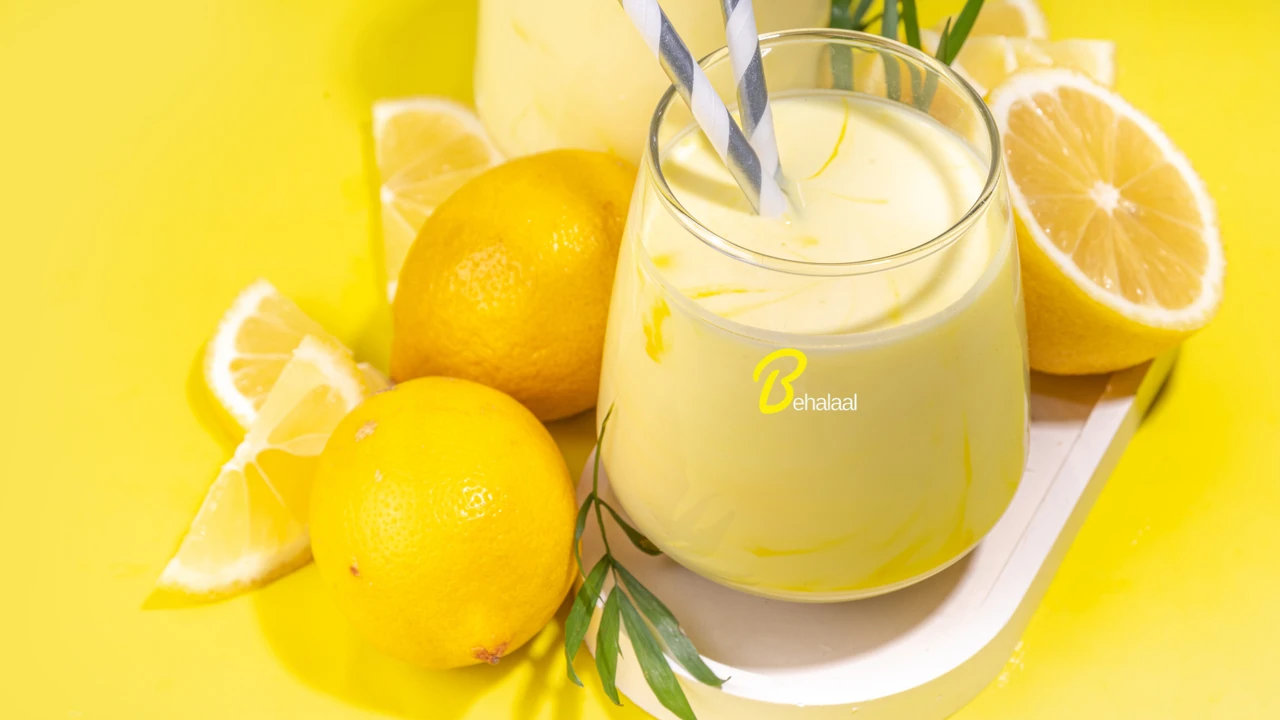
Lemon Irish sea moss gel is a smooth, thick food made by preparing Irish sea moss, a type of edible red seaweed, into a gel-like consistency and combining it with lemon. Sea moss has traditionally been used as a food ingredient, but it has become especially popular in recent years as people look for simple ways to add sea vegetables and plant-based ingredients to their everyday routines. You may have seen it stirred into smoothies, blended into juices, added to oatmeal or used as a base for wellness drinks. The lemon component gives the gel a fresh, citrusy taste that can make the naturally mild ocean-like flavor of sea moss easier to enjoy. While social media sometimes presents sea moss as a cure-all or miracle ingredient, current evidence is much more measured: sea moss can contribute nutrients such as iodine and certain minerals, but many of the broader health claims made online have not been confirmed through high-quality human studies.
That distinction is important because it allows you to appreciate Lemon Irish Sea Moss Gel for what it actually is rather than expecting it to perform miracles. Think of it as one possible addition to an already balanced lifestyle, not a replacement for vegetables, fruits, protein, whole grains or medical treatment. Sea moss contains soluble fiber and minerals, and its natural polysaccharides give it the thick, gel-like texture that makes it particularly convenient in food and drinks. Lemon can complement that texture while adding brightness and flavor, making it easier to incorporate the gel into recipes you already enjoy. The exact nutritional profile, however, can vary considerably depending on the sea moss species, where it was harvested, growing conditions, processing methods and serving size.
What Makes Irish Sea Moss Different?
Irish sea moss is commonly associated with Chondrus crispus, an edible red seaweed found in parts of the Atlantic. It is related to other sea vegetables but has its own characteristics, particularly its ability to form a naturally thick texture when prepared correctly. This property has made Irish moss useful not only as a traditional food but also as a source of carrageenan, a carbohydrate used as a thickening and stabilizing ingredient in many foods. When prepared as a gel at home or purchased as a ready-to-use food product, the result is a versatile ingredient that can disappear into smoothies and other foods without dramatically changing their consistency. Sea moss has therefore found a place in modern wellness routines partly because it is so easy to add to things people are already eating.
The interesting part is that the conversation around Irish sea moss often goes far beyond its basic nutritional characteristics. Online posts may describe it as a source of dozens of essential nutrients or suggest that it can automatically improve immunity, burn fat, cleanse the body or solve thyroid problems. Current medical reviews do not support treating those claims as established facts. Research on seaweed compounds can be promising, but research conducted on seaweed in general, laboratory cells or animals does not automatically prove that eating a particular amount of Irish sea moss gel produces the same result in humans. That is why the most sensible approach is to focus on the nutritional qualities that are actually known while avoiding exaggerated promises.
Why Add Lemon to Sea Moss Gel?
Lemon may seem like a small addition, but it can make a big difference in how enjoyable sea moss gel is. Sea moss naturally has a mild marine flavor that some people find difficult to appreciate on its own. Fresh lemon gives the mixture a bright, tangy character that can make it more appealing in a morning smoothie, chilled drink or simple spoonful. Lemon also pairs naturally with ingredients such as ginger, pineapple, berries, cucumber and coconut water, giving you plenty of options if you want to experiment with recipes.
There is another practical advantage: flavor matters when creating a sustainable food habit. A food can have an impressive nutritional profile, but if you dislike the taste, you probably will not use it consistently. Adding lemon can turn sea moss gel from something that feels like a chore into an ingredient you genuinely enjoy using. It is best to think of lemon as a flavor and food pairing, rather than assuming that combining lemon and sea moss creates a scientifically proven special health effect. The overall value still depends on your complete diet and the quality and amount of sea moss you consume.
Nutrients Found in Irish Sea Moss
One reason Irish sea moss attracts attention is its mineral content. Sea moss can contain iodine, calcium, magnesium, potassium and iron, although the amounts are not fixed and can vary depending on the species and environment in which the seaweed grows. This variability is one of the biggest reasons it is difficult to assign a universal nutritional value to every jar of sea moss gel. A product harvested from one location may not have exactly the same nutrient profile as another product harvested somewhere else. Processing and dilution also matter, particularly when comparing dried sea moss with prepared gel.
Sea moss also contains soluble fiber and other naturally occurring polysaccharides. Fiber is important as part of a balanced eating pattern because it contributes to normal digestive function and can help make meals more satisfying. However, it is a mistake to assume that a small serving of sea moss gel automatically provides enough fiber or micronutrients to replace high-fiber foods such as beans, lentils, vegetables, fruits, oats and whole grains. Instead, sea moss can be viewed as one small piece of a much larger nutritional puzzle. The goal should be variety rather than relying on one trendy ingredient to provide everything the body needs.
Iodine and Essential Minerals
Iodine deserves special attention when discussing sea moss because the thyroid gland uses iodine to make thyroid hormones. Adults generally need around 150 micrograms of iodine per day, while recommended amounts increase during pregnancy and breastfeeding. At the same time, excessive iodine can also cause problems, and the adult tolerable upper intake level is 1,100 micrograms per day.
This is a classic example of why more is not always better. Iodine is essential, but consuming very large amounts does not automatically make thyroid function better. In fact, excessive iodine intake can contribute to thyroid dysfunction in susceptible people. Because the iodine concentration of sea moss can vary, it is difficult to make a blanket statement that one spoonful of every sea moss gel contains a particular amount. Anyone who regularly consumes sea moss should therefore consider their total iodine intake from food and supplements rather than looking at sea moss in isolation.
Fiber and Plant Compounds
Another reason sea moss is interesting from a nutritional perspective is its naturally occurring polysaccharides and fiber. These compounds contribute to the characteristic texture of sea moss gel and have been studied for various biological activities. Some laboratory and preliminary research involving red seaweeds has explored antioxidant, anti-inflammatory and other properties. However, much of that evidence does not specifically demonstrate that eating ordinary sea moss gel produces a particular clinical benefit in humans.
That does not make the ingredient meaningless. It simply means that expectations should stay realistic. If you enjoy Lemon Irish Sea Moss Gel as part of a varied diet, its fiber and mineral content can be part of the nutritional picture. At the same time, your primary sources of nutrients should remain a broad range of minimally processed foods. This balanced perspective is much more useful than labeling sea moss either as a miracle food or as something with no nutritional value at all.
Potential Lemon Irish Sea Moss Gel Benefits
The potential benefits of Lemon Irish Sea Moss Gel are best understood as nutritional and lifestyle benefits, rather than guaranteed medical effects. Sea moss can provide certain minerals and soluble fiber, while the gel format makes it easy to incorporate into everyday foods. Some people may appreciate it as a convenient plant-based ingredient that adds texture and variety to smoothies and meals. Current evidence does not establish sea moss gel as a treatment for disease, nor does it provide strong clinical proof for many of the popular claims circulating online.
May Support Everyday Nutrient Intake
Because sea moss contains minerals such as iodine, calcium, magnesium, potassium and iron, incorporating modest amounts into a balanced diet may contribute to overall nutrient intake. The key word here is contribute. Sea moss is not nutritionally complete, and the amount of any particular nutrient can vary between products, so it should not be treated as a replacement for a varied diet. If your meals already include vegetables, fruits, legumes, whole grains, nuts, seeds and appropriate protein sources, sea moss can simply be another ingredient rather than the centerpiece of your nutritional strategy.
May Support Normal Digestion
Sea moss contains soluble fiber and polysaccharides that have attracted scientific interest. Fiber is widely recognized as an important part of a healthy diet because it supports normal digestive function. Adding a small amount of sea moss gel to a smoothie can therefore be one way to introduce another plant-based source of fiber into your routine. However, the specific digestive benefits of sea moss itself have not been established through strong human clinical trials, so claims that it can treat constipation, IBS or other digestive disorders should be approached carefully.
Supports Normal Thyroid Function Through Iodine
This benefit requires an important clarification. Iodine is necessary for normal thyroid hormone production, but that does not mean sea moss should be used as a thyroid treatment. The thyroid needs the right amount of iodine, not an unlimited amount, and excessive intake can also interfere with thyroid function. People with thyroid disease or those taking thyroid medication should speak with a healthcare professional before making sea moss a regular supplement.
A Convenient Addition to Smoothies and Meals
Perhaps one of the simplest advantages of sea moss gel is convenience. Instead of preparing dried sea moss every time you want to use it, a ready-made gel can be incorporated into foods and drinks quickly. You might blend it with mango and coconut water, stir a small amount into oatmeal, add it to a fruit smoothie or mix it into a chilled beverage. Convenience matters because healthy eating is often less about finding one magical ingredient and more about building routines that are realistic enough to maintain.
Lemon Irish Sea Moss Gel and Hydration
You may see claims that sea moss gel is inherently a powerful hydration product, but that description needs some context. Sea moss gel contains water when prepared as a gel, and adding it to a drink naturally contributes to the fluid content of that drink. However, it should not be treated as a replacement for plain water or a medically formulated rehydration solution. Your hydration needs are primarily met through adequate fluid intake, with water being the simplest option for most people.
The lemon flavor can make drinking a sea moss-based beverage more enjoyable, which may indirectly help people consume more fluids if they enjoy the taste. You can blend a modest amount of gel with water, lemon, cucumber, mint or fruit for a refreshing drink. Just remember that the nutritional value of the complete beverage depends on everything you put into it. A sugary drink containing a small amount of sea moss is not automatically a health drink simply because sea moss is present.
Can Lemon Irish Sea Moss Gel Support Weight Management?
This is one of the areas where online marketing tends to move much faster than science. Sea moss is sometimes described as a weight-loss food or natural fat burner, but there is currently not enough high-quality human evidence to say that eating sea moss gel directly causes meaningful weight loss. Current medical reviews specifically caution that claims around weight loss and metabolism are not strongly supported by clinical research.
That does not mean sea moss cannot fit into a weight-conscious diet. A small serving of a simple sea moss gel can be incorporated into smoothies or meals without necessarily adding large amounts of calories, depending on the ingredients used. The bigger picture is what matters: overall calorie intake, food quality, protein, fiber, physical activity, sleep and sustainable eating habits all play much larger roles in weight management. If a sea moss smoothie contains large amounts of sweetened juice, syrups or high-calorie ingredients, adding sea moss does not cancel those calories.
How to Use Lemon Irish Sea Moss Gel
One of the easiest ways to use Lemon Irish Sea Moss Gel is to add it to a smoothie. Fruits such as pineapple, mango, banana, berries and strawberries pair well with citrus flavors and can help create a more enjoyable drink. You can also combine the gel with coconut water or plain water for a lighter beverage. Another option is to stir a small amount into oatmeal, chia pudding or yogurt, provided the texture works for you.
You do not need complicated recipes to make sea moss part of your routine. Start with the serving guidance provided by the product manufacturer rather than assuming that taking more will produce greater benefits. Since there is no universally established evidence-based daily dose for sea moss supplements, recommendations can vary according to the form, concentration and preparation.
For a simple everyday smoothie, you could combine:
-
Lemon Irish sea moss gel
-
Fresh or frozen berries
-
Banana or mango
-
Water or unsweetened plant milk
-
A small amount of ginger
-
Optional chia or flax seeds
The important point is that sea moss should complement the rest of your food rather than dominate it.
What to Look for When Buying Sea Moss Gel
Not every sea moss product is identical. Because seaweed absorbs substances from its surrounding environment, sourcing matters. Sea moss can accumulate heavy metals such as arsenic, lead, cadmium and mercury depending on where it grows, which is why product quality and testing deserve serious attention.
When choosing a Lemon Irish Sea Moss Gel, look for a product with transparent labeling and clear information about its ingredients, source and storage requirements. If available, batch-specific laboratory testing or a certificate of analysis can provide additional reassurance about contaminants and product quality. A reputable manufacturer should be able to explain what is actually in the product instead of relying entirely on vague claims about being a “superfood.”
It is also worth checking whether the product contains unnecessary sweeteners, artificial ingredients or excessive amounts of added flavoring. A simple ingredient list can make it easier to understand what you are consuming.
Possible Side Effects and Safety Considerations
Sea moss is generally discussed as a food ingredient, but “natural” does not automatically mean “risk-free.” Potential concerns include excessive iodine intake, digestive discomfort and exposure to contaminants when products are poorly sourced. Some people may experience bloating or diarrhea, particularly when consuming larger amounts. People with seafood or seaweed allergies should also use caution.
The safest approach is moderation and awareness. If you are introducing sea moss into your diet for the first time, there is little reason to start with a large amount. Pay attention to how your body responds and avoid combining several iodine-rich supplements without understanding your total intake.
The Importance of Iodine Intake
Iodine is probably the single most important safety issue to understand when discussing regular sea moss consumption. Adults generally need 150 micrograms per day, but the amount found in seaweed can vary significantly. Excess iodine may contribute to thyroid problems, particularly in people who are already susceptible.
This is why anyone with an existing thyroid condition should speak with a qualified healthcare professional before using sea moss regularly. The same caution applies to people taking thyroid medication or other medicines that may interact with iodine intake.
Heavy Metals and Product Quality
Sea vegetables grow in marine environments, which means they can absorb minerals and other substances from the water around them. Some sea moss products have raised concerns about heavy-metal exposure because seaweed can accumulate contaminants from its growing environment. This does not mean every sea moss product is unsafe, but it does make responsible sourcing and testing important.
When possible, choose products from manufacturers that provide clear sourcing information and appropriate testing. Quality control is particularly important for products that you plan to consume regularly.
Who Should Be Cautious With Sea Moss Gel?
Certain groups should take extra care with sea moss products. People with thyroid disorders should discuss iodine-rich supplements with their healthcare provider. Those who are pregnant or breastfeeding should also seek professional guidance rather than assuming that a natural supplement is automatically appropriate; recent medical guidance has raised particular concerns about unpredictable iodine levels and possible contaminants in sea moss supplements.
People taking regular medications should also discuss supplements with a doctor or pharmacist. This is not because sea moss is automatically dangerous, but because supplement ingredients can interact with medicines or affect nutrient intake. Children should not be given concentrated sea moss supplements without appropriate professional guidance.
If you have a diagnosed medical condition, sea moss should never replace medication or treatment recommended by your healthcare provider.
Lemon Irish Sea Moss Gel vs. Plain Sea Moss Gel
The main difference between Lemon Irish Sea Moss Gel and plain sea moss gel is usually flavor and formulation, rather than some proven special health effect created by combining lemon with sea moss. Plain gel provides the characteristic sea moss texture and flavor, while lemon can make it brighter and easier to incorporate into beverages and recipes. If you already enjoy citrus flavors, lemon-infused gel may simply be a more pleasant option for everyday use.
The best choice ultimately comes down to what you enjoy and how the product is formulated. If you prefer a simple ingredient list, check the label carefully and choose a product that clearly identifies its ingredients. If you enjoy making smoothies, a lemon-flavored gel can pair particularly well with tropical fruits, berries and ginger.
Why Lemon Irish Sea Moss Gel Is Trending
There is a reason sea moss has become such a recognizable wellness ingredient. It is plant-based, versatile, visually interesting and easy to add to foods. Social media has also played a major role in turning sea moss gel into a mainstream wellness trend. But popularity should not be confused with proof. Recent medical reviews continue to emphasize that many of the claims surrounding sea moss are based on preliminary research, nutrient content or studies involving seaweed more broadly rather than strong human trials specifically testing sea moss gel.
That actually makes the ingredient more interesting, not less. You do not need to believe exaggerated claims to enjoy a food. Sea moss can be appreciated for its texture, versatility, minerals and fiber while still acknowledging the limits of current research. That balanced approach gives you a much better foundation for making informed choices.
Conclusion
Lemon Irish Sea Moss Gel can be a convenient and enjoyable way to incorporate edible red seaweed into your diet. It contains nutrients such as iodine and other minerals, along with soluble fiber and naturally occurring polysaccharides. The lemon addition can make the flavor more refreshing and versatile, especially in smoothies, drinks and simple recipes. At the same time, the strongest evidence does not support treating sea moss as a miracle cure for weight loss, detoxification, thyroid problems, immunity or other medical conditions.
The smartest way to approach sea moss is with balance. Choose a reputable product, pay attention to serving guidance, consider your total iodine intake and remember that sea moss works best as part of a varied diet rather than as a replacement for nutritious whole foods. If you have a thyroid condition, take medication, are pregnant or breastfeeding, or have concerns about supplement safety, speak with a qualified healthcare professional before using sea moss regularly.
Used thoughtfully, Lemon Irish Sea Moss Gel can be an easy ingredient to experiment with while you continue building the habits that matter most: nutritious meals, adequate hydration, regular movement, good sleep and a balanced lifestyle.
Frequently Asked Questions
1. What are the main Lemon Irish Sea Moss Gel benefits?
Lemon Irish Sea Moss Gel can provide iodine, certain minerals and soluble fiber, while offering a convenient way to add sea moss to smoothies and foods. However, many popular claims about sea moss have not been confirmed through high-quality human clinical research.
2. Can I take Lemon Irish Sea Moss Gel every day?
Whether daily use is appropriate depends on the product, serving size, your overall diet and your iodine intake. There is no universally established evidence-based daily dose for sea moss, and iodine levels can vary substantially. Following the product's serving instructions and speaking with a healthcare professional when you have health concerns is the safer approach.
3. Does Lemon Irish Sea Moss Gel help with weight loss?
There is not enough strong human evidence to conclude that sea moss gel directly causes weight loss. It can fit into a balanced, calorie-conscious diet, but sustainable weight management depends on your overall eating pattern, activity and lifestyle rather than one ingredient.
4. Is sea moss good for the thyroid?
Sea moss contains iodine, and iodine is required for normal thyroid hormone production. However, too much iodine can also interfere with thyroid function, so sea moss should not be considered a thyroid treatment. People with thyroid conditions should seek professional advice before regularly consuming iodine-rich sea moss products.
5. What should I look for when buying Lemon Irish Sea Moss Gel?
Look for clear ingredient labeling, responsible sourcing, appropriate storage information and, ideally, evidence of testing for contaminants. Because sea moss can absorb heavy metals from its environment and nutrient levels can vary, product quality is an important consideration.
DISCLAIMER
This blog has not been approved by your local health department and is not intended to provide diagnosis, treatment, or medical advice. The content provided on this blog is for informational purposes only. Please consult with a physician or other healthcare professional regarding any medical or health-related diagnosis or treatment options. Information on this blog should not be considered as a substitute for advice from a healthcare professional. The claims made about specific products throughout this blog are not approved to diagnose, treat, cure, or prevent disease.
Explore Popular Articles
-

What to Know About Herbal Digestive Support with Turmeric and Botanicals
21st Oct 2026Article Outline - H1: What to Know About Herbal Digestive Support with Turmeric and Botanicals H
-

What Are Kola Nut Bitters With Garlic, Ginger, and Moringa?
20th Oct 2026Article Outline - H1: What Are Kola Nut Bitters With Garlic, Ginger, and Moringa? H2: Understand
-
What Is Mondia Whitei Powder? Uses, Traditional Benefits, and Preparation
15th Oct 2026Mondia Whitei powder is a plant-based product made from the dried and ground parts of Mondi