
What to Know About Herbal Digestive Support with Turmeric and Botanicals
Article Outline
- H1: What to Know About Herbal Digestive Support with Turmeric and Botanicals
-
H2: Understanding Herbal Digestive Support
-
H3: What Is Herbal Digestive Support?
-
H3: Why Turmeric Is Used in Herbal Formulations
-
-
H2: Exploring the Botanicals in Herbal Digestive Blends
-
H3: How Turmeric and Other Botanicals May Work Together
-
H3: Understanding Traditional Uses Versus Scientific Evidence
-
-
H2: Potential Benefits and Important Considerations
-
H3: Supporting Everyday Digestive Wellness
-
H3: What Herbal Digestive Products Cannot Promise
-
-
H2: How to Choose and Use Herbal Digestive Support
-
H3: Checking Ingredients, Labels, and Directions
-
H3: Safety, Medication Interactions, and Who Should Be Cautious
-
-
H2: Frequently Asked Questions
-
H2: Conclusion
What Is Herbal Digestive Support?
Herbal digestive support refers to products made with plant-based ingredients that people use as part of their everyday wellness routines. These products may contain roots, leaves, seeds, spices, or extracts traditionally used in different cultures to support digestive comfort. They come in various forms, including liquid bitters, herbal teas, powders, capsules, and tinctures. One example is Turmeric Living Bitters, a herbal digestive support product featuring turmeric and botanicals, which is available at Behalal Organics. For people interested in exploring plant-based wellness products, understanding the ingredients and their intended uses is an important first step.
The word herbal can sometimes make a product sound simple or automatically safe, but there is more to consider than its natural origin. Different plants contain different compounds, and their effects can vary depending on the amount used, the preparation method, and the combination of ingredients. Some herbs have a long history of traditional use, while scientific research into their effectiveness for particular digestive concerns remains limited. That is why learning about a product's formulation, following its label directions, and understanding its limitations are all essential parts of making an informed choice. Rather than expecting one product to solve every digestive concern, it is better to view herbal digestive support as one possible part of a broader wellness routine.
What Is Herbal Digestive Support Used For?
People explore herbal digestive products for different reasons. Some want to learn more about traditional plant-based approaches to digestive wellness, while others are interested in products containing familiar culinary ingredients such as turmeric and ginger. Herbal bitters, in particular, are traditionally used in some cultures before or around meals. However, the effects depend on the actual formulation, and the traditional use of a plant does not automatically establish that a particular commercial product will deliver a specific result.
Digestive comfort is also influenced by everyday habits. Eating too quickly, consuming meals that do not agree with you, inadequate fluid intake, and changes in dietary patterns can all affect how you feel after eating. Paying attention to your body's responses, eating balanced meals, drinking enough water, and maintaining regular physical activity can help support general digestive health. An herbal product may appeal to someone looking to complement these habits, but it should not replace medical assessment when symptoms are persistent, severe, or unexplained.
Why Turmeric Is Used in Herbal Formulations


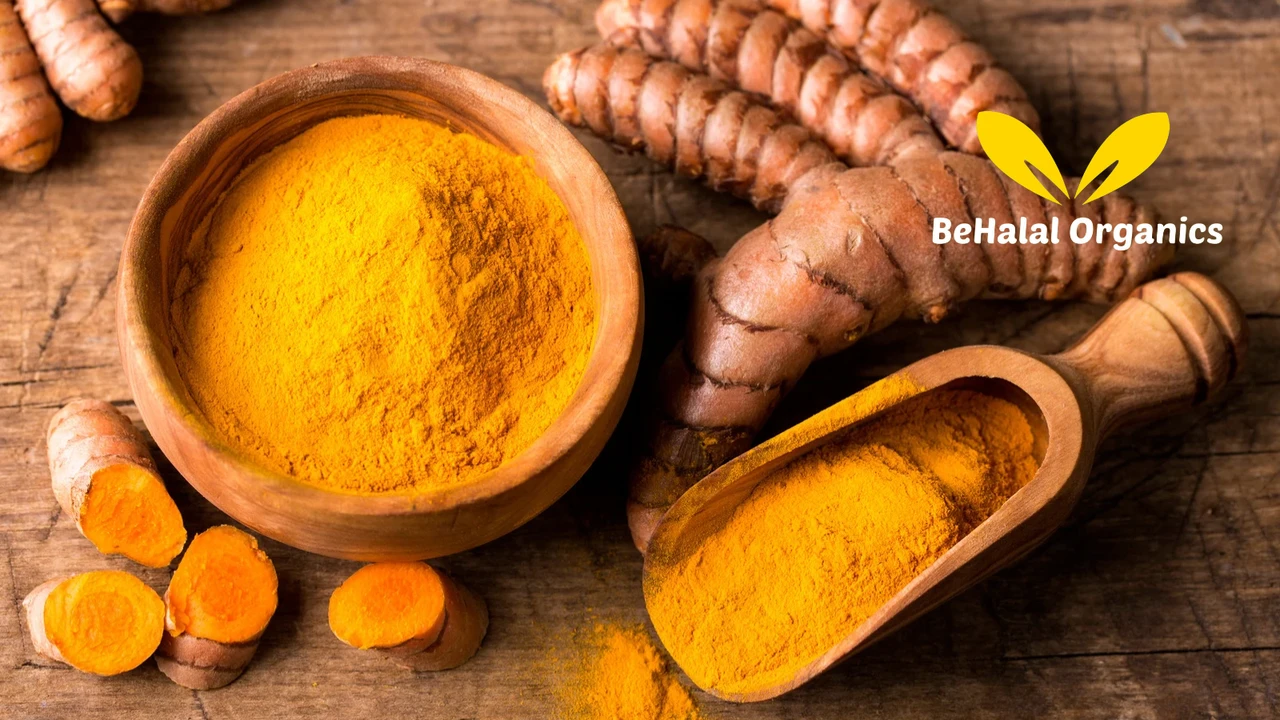
Turmeric is a golden-yellow spice obtained from the root-like underground stem of the plant Curcuma longa. It has a long history of use in cooking and traditional wellness practices across several regions, particularly in South Asia. Its distinctive colour comes largely from compounds known as curcuminoids, including curcumin, which has received considerable scientific attention. Turmeric is now found in many products, from everyday seasonings and teas to concentrated dietary supplements. Its familiarity in the kitchen is one reason people are interested in learning about its role in herbal formulations.
Curcumin has been studied for several biological effects, including its potential influence on inflammatory processes. Researchers have also investigated turmeric in relation to digestive conditions, but the available findings are not strong enough to establish it as a proven treatment for digestive disorders. A 2024 systematic review examined 26 eligible studies on turmeric and digestive conditions, including irritable bowel syndrome, inflammatory bowel disease, indigestion, acid reflux, and peptic ulcers. The authors highlighted limitations in study quality and consistency, meaning more rigorous research is needed before firm conclusions can be reached.
For consumers, the important distinction is between being interested in turmeric and assuming that every turmeric-containing product has a demonstrated health benefit. The amount of turmeric in a formulation, its concentration, the other ingredients, and how the product is prepared can all influence what it contains. Turmeric used as a culinary spice is also not equivalent to a concentrated supplement. When exploring Turmeric Living Bitters at Behalal Organics, it is sensible to check the product label for its full ingredient list and directions rather than assuming that all turmeric products have the same composition or effects.
Exploring the Botanicals in Herbal Digestive Blends
How Turmeric and Other Botanicals May Work Together
Herbal formulations sometimes combine several plant ingredients rather than relying on a single botanical. These combinations reflect traditional practices and may be designed around particular flavours, preparation methods, or intended uses. Turmeric has an earthy, slightly bitter flavour, while other botanicals may contribute warm, spicy, aromatic, or distinctly bitter notes. The resulting blend can be different from using one plant on its own, which makes the full ingredient list especially important when comparing products.
Some botanicals have been traditionally used in preparations intended for use around mealtimes. Ginger, for example, is widely used in food and has been studied for certain types of nausea. Other bitter-tasting plants are used in traditional digestive preparations, although the evidence for their effects varies considerably. It would be inaccurate to assume that every botanical in a blend works in the same way or that combining several herbs automatically makes a product more effective. Scientific evidence for one ingredient cannot simply be transferred to the entire formulation.
With Turmeric Living Bitters, the product's name identifies turmeric and botanicals as central features, but consumers should consult its actual packaging or product listing to verify the complete ingredients. This is particularly important for people who have food sensitivities, take prescription medication, or want to avoid particular plant extracts. Understanding exactly what is in a blend is more useful than relying on broad claims about herbal products as a category.
Understanding Traditional Uses Versus Scientific Evidence
Traditional knowledge can provide valuable context about how plants have been used across generations. Families and communities have long incorporated herbs and spices into meals, drinks, and preparations associated with everyday comfort. These practices are part of a wider cultural relationship with plants and food. However, traditional use and scientific evidence answer different questions: one describes how an ingredient has been used, while the other investigates whether it produces a particular effect under defined conditions.
Scientific research typically considers the amount consumed, the preparation used, the characteristics of participants, and the outcomes measured. Results from a study involving a concentrated turmeric extract, for example, may not apply directly to a liquid bitters product containing turmeric alongside other botanicals. Researchers also need to account for possible side effects and interactions, not just potential benefits. The National Center for Complementary and Integrative Health explains that evidence is insufficient to definitively establish turmeric or curcumin as beneficial for many health conditions.
A careful consumer can appreciate traditional herbal practices while still asking practical questions. Is the product's full ingredient list available? Are the directions clear? Are its advertised benefits realistic and appropriately qualified? Does the manufacturer provide information about quality and safe use? These questions help people distinguish useful product information from marketing language that promises more than the evidence supports. A thoughtful approach allows you to explore herbal wellness without treating tradition, popularity, or the word natural as proof of effectiveness.
Potential Benefits and Important Considerations
Supporting Everyday Digestive Wellness
A healthy digestive routine is built from several habits rather than one ingredient or supplement. Eating a varied diet, consuming suitable amounts of fibre, staying hydrated, and maintaining regular movement can contribute to normal digestive function. It can also help to eat at a comfortable pace and notice whether particular foods consistently trigger discomfort. These everyday choices offer a practical foundation for anyone interested in improving their relationship with food and supporting general well-being.
Herbal digestive products may interest people who want to explore traditional botanicals alongside these habits. Turmeric is one of the most familiar examples because it is widely used as a spice and is available in many supplement formulations. However, evidence for turmeric's effects on digestive conditions remains uncertain, and the results of research vary depending on the condition and formulation studied. It should not be presented as a guaranteed way to improve digestion, prevent digestive disease, or relieve every instance of bloating or discomfort.
If you are considering Turmeric Living Bitters, begin by understanding what the product contains, how it is intended to be used, and whether it is suitable for your circumstances. Read the label carefully and avoid exceeding the recommended serving. You can also pay attention to how your body responds and stop using the product if you experience an adverse reaction. Persistent digestive symptoms deserve professional attention, even when you are already using a product that is marketed for digestive support.
What Herbal Digestive Products Cannot Promise
Herbal products are sometimes promoted with language that suggests they can detoxify the body, repair the digestive system, eliminate all stomach discomfort, or cure long-term conditions. Such claims should be approached cautiously. The body already has organs, including the liver and kidneys, that perform essential processing and waste-removal functions. A product's herbal ingredients do not, by themselves, establish that it can remove unspecified toxins or reverse an underlying medical problem.
It is also important to distinguish between general wellness support and treatment. Symptoms such as ongoing abdominal pain, recurrent vomiting, unexplained weight loss, blood in the stool, or persistent changes in bowel habits should not be managed solely with herbal bitters. These symptoms can have several causes, and a qualified healthcare professional can help determine whether further investigation is needed. Severe pain, significant bleeding, or signs of dehydration may require urgent medical attention.
A responsible product description should explain what the product is, identify its ingredients where possible, and avoid promising results that have not been demonstrated. For consumers, the same principle applies when reading reviews or recommendations online. One person's experience may be genuine, but it cannot establish that the same product will work for everyone. Making informed decisions means considering the available evidence, understanding potential risks, and recognising when professional care is more appropriate than self-treatment.
How to Choose and Use Herbal Digestive Support
Checking Ingredients, Labels, and Directions
Choosing a herbal product should begin with the label, not just the name on the bottle. A clear label helps you understand what you are buying, how it is intended to be used, and what precautions may apply. For liquid bitters, check the serving size, the complete list of ingredients, the recommended method of use, storage instructions, and any stated warnings. If the product contains multiple botanical extracts, look for information about the quantity or concentration of each ingredient when provided. These details help you make a more informed comparison between products.
It is equally important to consider the quality and traceability of a product. Look for the manufacturer's or distributor's details, batch information, an expiry date, and appropriate storage guidance. If you cannot identify an ingredient or are unsure how a product should be used, ask the seller or manufacturer for clarification before purchasing or consuming it. Be cautious of products that make dramatic promises, hide important ingredient information, or encourage you to ignore medical advice.
For those interested in exploring Turmeric Living Bitters, Behalal Organics is a place to find the product. Before using it, review the available product information and follow the directions supplied on its label. Do not assume that the appropriate serving size for one herbal bitters product will also be suitable for another. Formulations can differ significantly, and taking more than directed does not necessarily improve the outcome. A careful review of the label is a simple step that can make your shopping experience more informed.
Safety, Medication Interactions, and Who Should Be Cautious
Natural ingredients can have biological effects, which means herbal products may cause side effects or interact with medicines. Turmeric and curcumin supplements can cause digestive symptoms such as nausea, acid reflux, stomach upset, diarrhoea, or constipation in some people. Certain highly bioavailable curcumin formulations have also been associated with reports of liver injury. These risks vary according to the formulation and individual circumstances, so turmeric supplements should not automatically be considered harmless simply because turmeric is commonly used in cooking.
Speak with a qualified healthcare professional before using concentrated herbal products if you take prescription medication, have an existing medical condition, or are pregnant or breastfeeding. Extra care is appropriate for people with liver or gallbladder problems and those taking medicines that could interact with the product's ingredients. Because Turmeric Living Bitters is a multi-ingredient product, a pharmacist or healthcare professional should review its actual formulation rather than assessing turmeric alone. If you develop unusual symptoms after taking a supplement, stop using it and seek appropriate medical advice. Seek urgent care if you experience signs of a severe allergic reaction or other serious symptoms.
A sensible approach to herbal wellness does not require rejecting traditional products. It means treating them with the same care you would give any product that you consume regularly. Check the ingredients, follow the directions, ask questions when necessary, and avoid replacing prescribed treatment with an unproven alternative. This approach allows you to explore your options while putting safety first.
Where to Find Turmeric Living Bitters
If you are interested in learning more about herbal digestive support featuring turmeric and botanicals, Turmeric Living Bitters is available at Behalal Organics. It may be worth exploring if you are researching herbal bitters and want to understand how turmeric-containing products fit into your personal wellness routine.
Before placing an order, review the product listing for the current ingredients, serving instructions, package details, and any relevant precautions. If you have questions about the formulation, contact Behalal Organics for clarification. The goal is to make a purchase based on accurate product information and your individual needs, rather than on promises of instant results.
Remember that a product can complement your interest in plant-based wellness without being a substitute for balanced eating, healthy daily habits, or professional healthcare when needed. Taking time to understand what you are purchasing is an important part of making a confident, informed decision.
Conclusion
Understanding herbal digestive support with turmeric and botanicals starts with knowing what goes into a product, how its ingredients are traditionally used, and what scientific research can actually establish. Turmeric is a familiar botanical with a long history in food and traditional wellness practices, but research into its effectiveness for digestive conditions remains limited and inconsistent. Other botanicals may have their own traditional uses, making it important to consider the complete formulation rather than focusing on a single ingredient.
If you are exploring plant-based wellness options, Turmeric Living Bitters is available at Behalal Organics for those interested in learning more about herbal bitters featuring turmeric and botanicals. Review the product information, check the directions, and consider any personal health concerns before use. Above all, remember that lasting digestive wellness is supported by informed choices, balanced everyday habits, and appropriate medical care when necessary.
Frequently Asked Questions
1. What are Turmeric Living Bitters?
Turmeric Living Bitters is a herbal bitters product featuring turmeric and botanicals. People interested in herbal wellness may explore products of this type as part of their interest in traditional plant-based preparations. Check the product label or listing for the full ingredient list, directions, and precautions.
2. What is turmeric traditionally used for?
Turmeric is widely used as a culinary spice and has a long history in traditional wellness practices. Its active compounds, including curcumin, have been studied for various biological effects. However, evidence supporting turmeric as a treatment for specific digestive conditions remains inconclusive.
3. Can herbal bitters cure digestive problems?
Herbal bitters should not be regarded as a cure for digestive problems. The effects of a product depend on its ingredients and formulation, and evidence for many herbal digestive products is limited. Persistent or severe digestive symptoms should be evaluated by a healthcare professional.
4. Is turmeric safe for everyone?
No. Turmeric supplements may cause side effects and can interact with some medications. People who are pregnant or breastfeeding, take regular medicines, or have existing health conditions should seek professional advice before using concentrated turmeric products.
5. Where can I buy Turmeric Living Bitters?
Turmeric Living Bitters is available at Behalal Organics. Check the available product listing for current product details, ingredients, and usage instructions before ordering.
DISCLAIMER
This blog has not been approved by your local health department and is not intended to provide diagnosis, treatment, or medical advice. The content provided on this blog is for informational purposes only. Please consult with a physician or other healthcare professional regarding any medical or health-related diagnosis or treatment options. Information on this blog should not be considered as a substitute for advice from a healthcare professional. The claims made about specific products throughout this blog are not approved to diagnose, treat, cure, or prevent disease.
Explore Popular Articles
-
What to Know About Herbal Digestive Support with Turmeric and Botanicals
21st Oct 2026Article Outline - H1: What to Know About Herbal Digestive Support with Turmeric and Botanicals H
-
What Are Kola Nut Bitters With Garlic, Ginger, and Moringa?
20th Oct 2026Article Outline - H1: What Are Kola Nut Bitters With Garlic, Ginger, and Moringa? H2: Understand
-
What Is Mondia Whitei Powder? Uses, Traditional Benefits, and Preparation
15th Oct 2026Mondia Whitei powder is a plant-based product made from the dried and ground parts of Mondi