
What Are Kola Nut Bitters With Garlic, Ginger, and Moringa?
Article Outline
- H1: What Are Kola Nut Bitters With Garlic, Ginger, and Moringa?
-
H2: Understanding Kola Nut Bitters
-
H3: What Is Kola Nut?
-
H3: Why Are Garlic, Ginger, and Moringa Added?
-
-
H2: Exploring the Four Main Ingredients
-
H3: Kola Nut and Its Natural Stimulants
-
H3: Garlic and Its Traditional Uses
-
H3: Ginger and Its Distinctive Properties
-
H3: Moringa and Its Nutritional Value
-
-
H2: Traditional Uses and Potential Benefits
-
H3: Energy, Alertness, and Everyday Wellness
-
H3: Digestion and Antioxidant Compounds
-
-
H2: How Kola Nut Bitters Are Prepared and Consumed
-
H2: Side Effects, Precautions, and Responsible Use
-
H2: Frequently Asked Questions
-
H2: Conclusion
What Are Kola Nut Bitters With Garlic, Ginger, and Moringa?
Imagine discovering a traditional herbal preparation that combines the bold, bitter taste of kola nut with the sharp aroma of garlic, the warming flavour of ginger, and the earthy character of moringa. Each ingredient has a history of use in food, traditional preparations, or everyday wellness practices across different communities. When combined in a liquid herbal product commonly called kola nut bitters with garlic, ginger, and moringa, these ingredients create a distinctive blend that attracts people interested in traditional plant-based products.
But what exactly is this preparation, and what should you understand before trying it? The answer starts with the ingredients themselves. Kola nut naturally contains caffeine, garlic and ginger contain various plant compounds, and moringa leaves provide nutrients. However, combining these ingredients does not automatically prove that the finished product can prevent disease, improve sexual performance, cleanse the body, or treat a medical condition.
Kola nut bitters are generally understood as herbal liquid preparations made with kola nut and other plant ingredients. The precise formulation can differ between manufacturers and traditional recipes. Some products may use alcohol, while others may use water, glycerin, or another liquid base. The strength, ingredient quantities, extraction method, and recommended serving can therefore vary considerably.
Understanding these differences helps you make an informed choice instead of relying entirely on advertising claims. Whether you are researching the ingredients, exploring traditional African herbal preparations, or considering purchasing a bottle, it is worth looking beyond the product name and learning what the ingredients can—and cannot—reasonably offer.
Understanding Kola Nut Bitters
What Is Kola Nut?


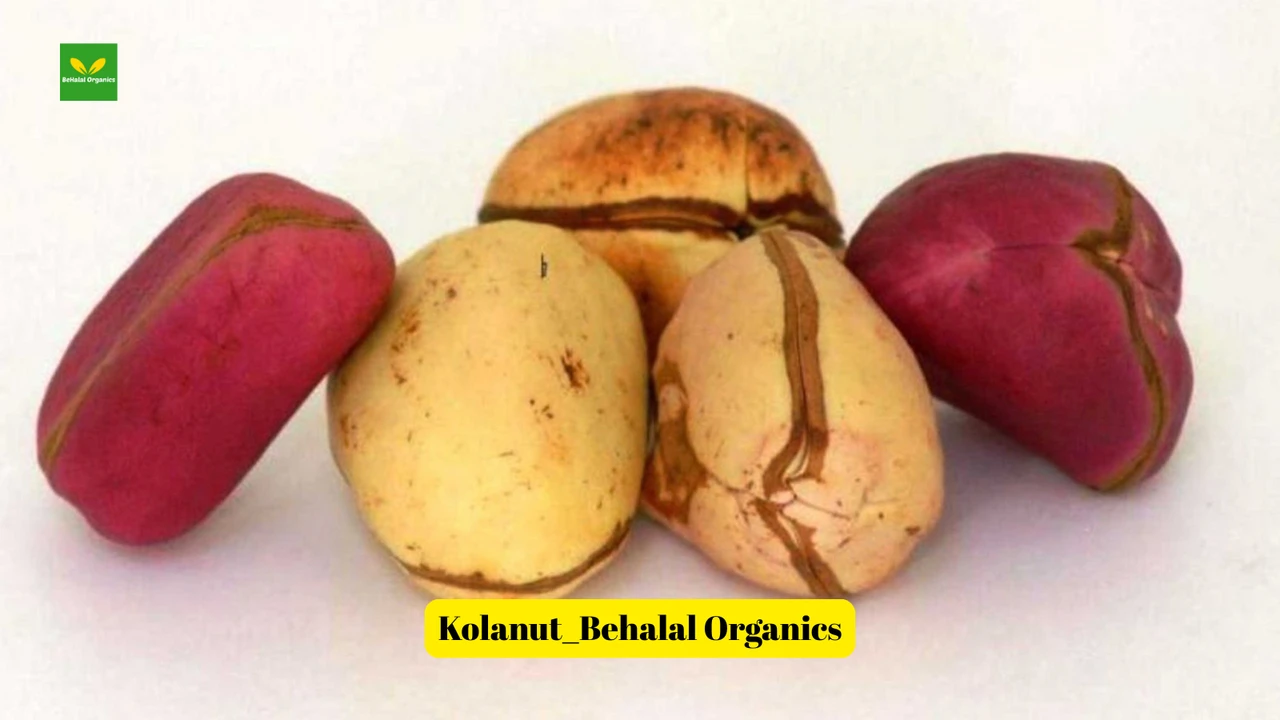
Kola nut is the seed of trees belonging to the Cola genus, particularly Cola nitida and Cola acuminata. It has deep cultural roots in West Africa, where it has traditionally been shared during social gatherings, ceremonies, hospitality rituals, and other important occasions. In Nigeria and neighbouring countries, kola nut is also recognised for its characteristic bitter taste and stimulating properties. Unlike ordinary nuts eaten mainly for their fats and protein, kola nut is especially known for its naturally occurring caffeine.
The caffeine in kola nut helps explain why people have traditionally used it when seeking a temporary boost in alertness. Caffeine acts on the central nervous system and can help people feel more awake for a period of time. Nevertheless, the experience varies depending on the quantity consumed, individual sensitivity, and the amount of caffeine present in the preparation. A concentrated herbal liquid may not have the same caffeine content as a small piece of fresh kola nut.
Kola nut also contains other naturally occurring plant compounds, including polyphenols. Researchers have investigated these compounds for their antioxidant activity, but findings from laboratory experiments do not automatically establish that consuming a kola nut product will produce the same effects in humans.
When kola nut is used to prepare bitters, it may be chopped, crushed, soaked, or extracted alongside other ingredients. The final liquid can have a strong, bitter flavour, depending on the recipe and extraction process. Because recipes vary, consumers should not assume that all kola nut bitters contain the same ingredients, caffeine levels, or concentration.
Why Are Garlic, Ginger, and Moringa Added?
Garlic, ginger, and moringa each have their own culinary and traditional uses. Combining them with kola nut creates a multi-ingredient herbal preparation with a flavour profile that may be stronger and more complex than that of any single ingredient.
Garlic is known for its pungent smell and flavour, ginger contributes a warm, spicy note, and moringa leaves have an earthy, green character. These ingredients are used in different foods and traditional preparations, making them familiar to many people interested in plant-based products. Depending on how the bitters are produced, the ingredients may contribute different aromas, flavours, and plant compounds.
Some people are attracted to this combination because they prefer products made with several botanicals rather than a single plant. Others may be interested in the traditional reputation of the individual ingredients. However, a combination of herbs is not automatically more effective than its individual components. The benefits and risks depend on the actual formulation, the quantity of each ingredient, and how the product is used.
There is also an important distinction between a product containing an ingredient and a product containing enough of that ingredient to produce a studied effect. A label that lists moringa, for example, does not reveal how much moringa is present or whether its nutrients remain in meaningful quantities after processing.
For this reason, it is sensible to evaluate the full ingredient list, serving instructions, manufacturing details, and safety information rather than choosing a product solely because it contains several familiar herbs.
Exploring the Four Main Ingredients
1. Kola Nut and Its Natural Stimulants
Kola nut is the central ingredient in this particular blend and is responsible for much of its traditional association with alertness and stimulation. Its caffeine content is an important consideration for anyone thinking about consuming kola nut bitters, especially if they already drink coffee, tea, energy drinks, or other caffeinated beverages.
Caffeine may temporarily reduce feelings of tiredness and help some adults feel more alert. However, it does not replace adequate sleep, a balanced diet, or proper rest. If someone feels persistently exhausted, using a stimulant to push through the day may hide the underlying problem rather than solve it. Persistent fatigue can have many causes and may warrant a medical assessment.
The quantity of caffeine in kola nut varies. The Cleveland Clinic notes that kola nut contains caffeine and that its stimulant effects account for much of its recognised activity. Concentrated extracts can also differ from whole seeds, so the caffeine content of a particular bottle cannot be reliably determined from the product name alone.
Kola nut's natural compounds have also attracted scientific interest. Researchers have investigated its polyphenols and antioxidant activity, but much of the available research does not establish a reliable therapeutic dose or prove that commercial bitters treat particular illnesses.
If you are considering a kola nut preparation, check whether the manufacturer provides caffeine information. This is particularly useful if the product also contains other stimulants or if you are sensitive to caffeine. Taking more because the first serving seems ineffective is not a safe way to determine the appropriate amount.
2. Garlic and Its Traditional Uses

Garlic is a familiar ingredient in kitchens around the world, valued for its unmistakable aroma and strong flavour. It belongs to the Allium family, alongside onions and leeks, and contains naturally occurring sulphur compounds. One compound associated with freshly crushed garlic is allicin, which forms when garlic tissue is damaged and certain compounds interact.
Garlic has a long history of culinary and traditional use. Researchers have examined garlic preparations for possible effects on cardiovascular markers and other aspects of health, but results can depend on the formulation, dose, and population studied. Evidence about eating garlic or taking a specific standardised preparation should not automatically be applied to a mixed herbal bitter containing an unspecified quantity of garlic.
In a kola nut bitters formula, garlic may contribute to the overall botanical composition and flavour. Its presence does not establish that the finished product can improve blood circulation, cure infections, control blood sugar, or prevent heart disease. Those are medical claims that require evidence for the actual product and its intended use.
Garlic can also interact with medicines. Concentrated garlic supplements may increase bleeding risk, particularly in people taking anticoagulant or antiplatelet medicines. Anyone preparing for surgery or taking medication regularly should ask a healthcare professional whether a garlic-containing herbal product is appropriate.
People can also experience digestive discomfort or other unwanted reactions from garlic. If you have a known garlic allergy or have previously reacted badly to concentrated garlic preparations, avoid experimenting with a mixed bitters product without professional advice.
3. Ginger and Its Distinctive Properties

Ginger, botanically known as Zingiber officinale, is widely used in cooking, teas, and traditional preparations. Its spicy aroma and warming taste make it a natural flavour companion to bitter kola nut. Ginger contains compounds such as gingerols and shogaols, whose biological properties have been investigated in scientific research.
One of ginger's better-studied uses is its potential to help with certain forms of nausea. Research has examined specific ginger preparations in contexts such as pregnancy-related nausea and nausea associated with some medical treatments, although results differ by situation and preparation. This evidence does not mean that every ginger-containing product has the same effect.
For kola nut bitters, the amount of ginger matters. A product containing a small quantity of ginger extract is not necessarily comparable to a preparation used in a clinical study. The concentration, method of processing, and other ingredients can all influence what is present in the finished liquid.
Ginger is sometimes promoted as a digestive aid or an ingredient for general wellness. While some evidence supports particular uses of ginger, there is insufficient evidence to conclude that a combined kola nut, garlic, ginger, and moringa bitter reliably improves digestion for everyone or treats digestive disorders.
Concentrated ginger products may cause heartburn, abdominal discomfort, or diarrhoea in some people. Ginger may also affect bleeding risk or interact with certain medicines, particularly at higher supplemental doses. If you take medication or have a condition that requires careful management, professional advice is preferable to guessing how a multi-herb product might affect you.
4. Moringa and Its Nutritional Value

Moringa, commonly referring to Moringa oleifera, is a plant whose leaves, pods, and other parts have been used in food and traditional practices. Moringa leaves are particularly interesting from a nutritional perspective because they can provide nutrients and plant compounds. Their nutritional contribution depends on the part used, growing conditions, processing method, and quantity consumed.
Moringa leaves contain various vitamins, minerals, fibre, and polyphenolic compounds. However, the presence of these nutrients in the plant does not tell you how much a person receives from a small serving of herbal bitters. Processing, dilution, extraction, and storage can all affect the composition of the final product.
Moringa is often discussed in relation to antioxidant activity and general nutrition. Laboratory research has investigated its plant compounds, while human studies have explored several possible health effects. Much of this research remains limited, and findings are not strong enough to treat moringa as a replacement for prescribed treatment or a balanced diet.
In a mixed bitters preparation, moringa may be included because of its traditional reputation or the manufacturer's formulation preferences. It is still important to establish whether the product uses fresh leaves, dried leaves, powdered material, or an extract. These forms are not interchangeable, and their nutritional profiles may differ.
Moringa products can also raise safety questions. The plant part matters, and concentrated products may not have the same safety profile as ordinary culinary use. People taking medicines for blood sugar or blood pressure should seek advice before using concentrated moringa preparations, since potential interactions and effects require consideration.
Traditional Uses and Potential Benefits
Energy, Alertness, and Everyday Wellness
One of the most plausible reasons people are interested in kola nut bitters is the stimulating effect associated with kola nut's caffeine content. For some adults, caffeine can temporarily increase alertness and make demanding tasks feel easier. This may explain why kola nut has been used traditionally in situations where people wanted to remain awake or feel less tired.
That said, feeling energised is not the same as improving long-term health. A stimulant can temporarily mask tiredness without addressing poor sleep, stress, dehydration, inadequate food intake, or a medical condition. If you frequently depend on stimulants to function throughout the day, it is worth considering whether your routine or health needs attention.
The other ingredients may contribute to the product's identity, but there is not enough reliable clinical evidence to say that this specific four-ingredient combination produces superior energy or wellness effects compared with kola nut alone. Product-specific research would be needed to establish such a claim.
It is also important to consider the time of consumption. Caffeine taken later in the day may interfere with sleep, and poor sleep can create a cycle in which someone consumes more stimulants the next day. Anyone who is sensitive to caffeine may experience unwanted effects even with relatively small quantities.
A more sensible approach to everyday energy is to prioritise consistent sleep, regular meals, adequate hydration, and physical activity. A herbal product should not become the main strategy for managing persistent fatigue.
Digestion and Antioxidant Compounds
Garlic, ginger, moringa, and kola nut contain different plant compounds that have attracted scientific interest. Some of these compounds have shown antioxidant activity in laboratory settings, and ginger has been studied for certain forms of nausea. These findings help explain why the ingredients are frequently discussed in traditional wellness contexts, but they should not be confused with proof that a particular bottle of bitters produces a specific clinical benefit.
Antioxidants are substances that can help counter certain oxidative processes in experimental systems. In the human body, however, health outcomes depend on many interacting factors, including diet, metabolism, genetics, lifestyle, and underlying conditions. Consuming an antioxidant-containing plant does not automatically prevent disease or reverse existing damage.
Some people use ginger in food or tea as part of their routine for digestive comfort. Others include garlic and moringa in meals because they enjoy their flavour and nutritional qualities. These everyday uses are different from relying on a concentrated herbal product to treat indigestion, ulcers, infection, or another medical condition.
The available evidence also differs between ingredients. Research involving an isolated extract, an animal model, or a laboratory experiment cannot automatically establish the benefits of a product containing four ingredients in an unknown ratio. This is especially relevant when the preparation's alcohol content, serving size, and ingredient concentrations are not disclosed.
If you experience persistent stomach pain, repeated vomiting, blood in your stool, unexplained weight loss, or ongoing digestive problems, seek medical attention instead of attempting to manage the symptoms with bitters. Traditional products may be part of some people's cultural practices, but they should not delay the diagnosis or treatment of potentially serious conditions.
How Kola Nut Bitters Are Prepared and Consumed
Kola nut bitters can be prepared in different ways depending on the producer's recipe and the intended product. In some traditional preparations, plant materials are soaked or extracted in a liquid base to draw out flavour and selected compounds. Commercial products may use additional processing steps, filtration, preservatives, or other ingredients to achieve a particular taste, consistency, or shelf life. The final product may therefore differ considerably from a homemade infusion or a preparation made using a traditional recipe.
When garlic, ginger, and moringa are combined with kola nut, the manufacturer must consider the characteristics of each ingredient. Their natural flavours can be strong, and their chemical composition may change depending on the extraction method and storage conditions. A well-described product should make its ingredients and relevant usage instructions clear to consumers.
What Should You Check Before Using It?
Before purchasing or consuming kola nut bitters, take a moment to review the label. The product's name alone does not tell you how concentrated it is or whether its formulation has been evaluated for safety.
Look for the following information:
-
Complete ingredient list: Confirm that kola nut, garlic, ginger, and moringa are identified, alongside any additional ingredients.
-
Recommended serving: Follow the manufacturer's stated directions, but remember that a suggested serving is not proof of clinical effectiveness or safety for everyone.
-
Caffeine content: Kola nut naturally contains caffeine, so information about its concentration is particularly useful.
-
Alcohol content: Check whether the preparation contains alcohol, especially if you avoid alcohol for personal, religious, medical, or other reasons.
-
Manufacturer details: Look for identifiable manufacturer information, a batch number, expiry date, and appropriate quality or regulatory information.
-
Safety warnings: Check for contraindications, medication interactions, and instructions about who should avoid the product.
Do not assume that a product is safe simply because it is described as natural or herbal. Plant-derived ingredients can have powerful biological effects, and their safety depends on the dose, preparation, and individual circumstances.
Is It Better to Make Your Own Herbal Bitters?
Making a herbal preparation at home may seem like a straightforward way to control its ingredients. However, combining several botanicals does not guarantee that you will obtain a consistent or safe product. Without appropriate measurements and testing, the concentration of active compounds, caffeine content, and microbial safety can be difficult to establish.
A homemade mixture may also have an uncertain shelf life, particularly if fresh plant materials are used. Contamination can occur when ingredients, utensils, containers, or storage conditions are unsuitable. Adding more of an ingredient does not necessarily improve the preparation, and excessive quantities may increase the likelihood of unwanted effects.
If your interest is primarily culinary, using ginger and garlic in meals and incorporating moringa leaves into appropriate dishes may be a more familiar way to enjoy these ingredients. If you are considering concentrated bitters for a health-related purpose, speak with a qualified healthcare professional before experimenting with a multi-ingredient preparation.
Side Effects, Precautions, and Responsible Use
Although kola nut bitters may appeal to people interested in traditional plant-based products, understanding their possible risks is just as important as learning about their ingredients.
Caffeine-Related Side Effects
Kola nut contains caffeine, which can cause unwanted effects when consumed in excessive amounts or by people who are sensitive to stimulants. Possible effects include difficulty sleeping, nervousness, anxiety, headaches, digestive discomfort, and a rapid heartbeat. Some people may also experience a temporary increase in blood pressure.
The amount of caffeine in a herbal liquid may not be obvious from its appearance, taste, or serving size. If you also consume coffee, tea, energy drinks, or caffeine-containing supplements, the combined intake may become excessive. Checking the product label and discussing uncertain caffeine exposure with a healthcare professional can help you make a more informed decision.
Medication Interactions
The combination of several plant ingredients can make interactions more difficult to predict. Garlic and concentrated ginger preparations may affect bleeding risk, while moringa may warrant additional caution for people taking medicines that influence blood sugar or blood pressure. Kola nut's caffeine can also be relevant for people taking stimulant medicines or managing certain cardiovascular conditions.
These concerns do not mean that every person will experience a reaction. They do mean that a multi-ingredient herbal product deserves careful consideration, particularly when someone already takes prescribed medication. A pharmacist or doctor can review the actual product label and assess whether its ingredients are appropriate for your circumstances.
Who Should Be Especially Careful?
Some people should avoid using kola nut bitters unless a qualified healthcare professional has specifically advised them that the product is appropriate.
These include:
-
Pregnant or breastfeeding individuals: Caffeine intake and the safety of concentrated herbal mixtures require particular attention.
-
People with high blood pressure, heart rhythm problems, or significant anxiety: Kola nut's stimulant effects may be undesirable.
-
People taking regular medication: Potential interactions with garlic, ginger, moringa, caffeine, or other ingredients should be reviewed.
-
People with known plant allergies or sensitive digestion: Herbal preparations can trigger allergic reactions or gastrointestinal symptoms.
-
Children and adolescents: Concentrated stimulant-containing products should not be used casually.
Stop using the product and seek medical advice if you experience concerning symptoms after consuming it. Severe chest pain, difficulty breathing, fainting, or a serious allergic reaction requires urgent medical attention.
Can Kola Nut Bitters Treat Diseases?
Kola nut bitters should not be presented as a proven cure for diabetes, infections, high blood pressure, infertility, sexual dysfunction, or other medical conditions. Although researchers have investigated individual ingredients for various biological effects, evidence for the specific combination remains insufficient to establish these claims.
There is a difference between traditional use, a promising laboratory finding, and a clinically demonstrated treatment. A traditional preparation may have cultural significance without having undergone the controlled human studies needed to demonstrate a particular medical benefit.
The most responsible approach is to treat the product as a herbal preparation rather than a substitute for evidence-based healthcare. Anyone with a diagnosed condition should continue to follow their treatment plan and discuss supplements or herbal products with their healthcare provider.
Frequently Asked Questions
1. What are kola nut bitters with garlic, ginger, and moringa made from?
They are herbal liquid preparations formulated with kola nut and the three named botanicals: garlic, ginger, and moringa. Additional ingredients and the liquid base vary by manufacturer. Always check the actual product label because the name does not establish the precise formulation or concentration.
2. Do kola nut bitters provide energy?
Kola nut contains caffeine, which can temporarily increase alertness and reduce the perception of tiredness in some people. However, the caffeine content of a particular bitters product may be unknown. It should not replace adequate sleep, a balanced diet, or medical assessment for persistent fatigue.
3. Can kola nut bitters improve digestion?
Ginger has been studied for certain digestive-related concerns, including some forms of nausea, but there is insufficient evidence to establish that this particular four-ingredient blend treats digestive disorders. Individual responses may vary, and the product may cause digestive discomfort in some people.
4. Are kola nut bitters safe to consume every day?
Daily use cannot be assumed safe without knowing the formulation, caffeine concentration, serving size, and the user's health circumstances. Regular consumption may increase exposure to caffeine and other concentrated plant compounds. Review the label and consult a healthcare professional before establishing a daily routine, particularly if you take medication or have an existing health condition.
5. What should I consider before buying kola nut bitters?
Check the complete ingredient list, caffeine information, alcohol content, serving directions, manufacturer details, expiry date, and applicable quality or regulatory information. Avoid products that make unrealistic promises to cure diseases or guarantee specific health outcomes. If you have questions about safety or interactions, ask a qualified pharmacist or healthcare professional.
Conclusion
Kola nut bitters with garlic, ginger, and moringa combine four botanicals with distinctive flavours, traditional uses, and different plant compounds. Kola nut is particularly recognised for its caffeine content, garlic and ginger are familiar culinary ingredients, and moringa leaves are valued for their nutritional composition. Together, they form a preparation that may interest people exploring traditional African herbal products.
However, the presence of these ingredients does not establish that the finished product delivers specific health benefits. Its formulation, concentration, manufacturing quality, and safety information matter just as much as the ingredient names. Research on an individual plant should not automatically be interpreted as proof that a multi-ingredient bitter can prevent or treat disease.
If you are considering this preparation, choose a clearly labelled product, understand its caffeine and alcohol content, and check for potential interactions with your medications. Above all, remember that traditional knowledge and modern scientific evidence can inform one another, but responsible use requires distinguishing established facts from claims that still need further research.
Disclaimer: This article is for educational purposes only. It is not intended to diagnose, treat, cure or prevent any disease.
Explore Popular Articles
-
What Are Kola Nut Bitters With Garlic, Ginger, and Moringa?
20th Oct 2026Article Outline - H1: What Are Kola Nut Bitters With Garlic, Ginger, and Moringa? H2: Understand
-
What Is Mondia Whitei Powder? Uses, Traditional Benefits, and Preparation
15th Oct 2026Mondia Whitei powder is a plant-based product made from the dried and ground parts of Mondi
-
5 Simple Ways to Incorporate Black Seed Powder Into Your Diet
14th Oct 20265 Simple Ways to Incorporate Black Seed Powder Into Your Diet Black seed powder is a simple ingredie