
Black Seed Benefits: What Does Black Seed Do for the Body?
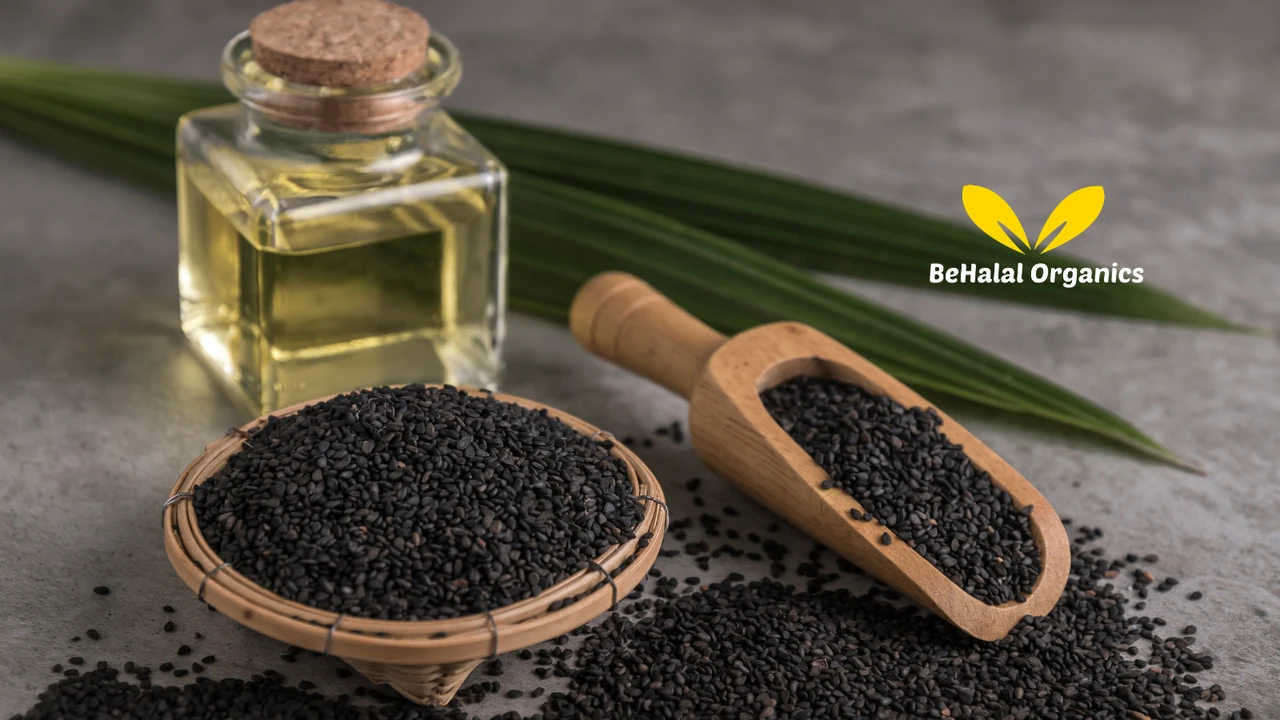
Black seed has been used in traditional wellness practices for generations, but what does this small, dark seed actually do for the body? Also known as Nigella sativa, black seed is often called black cumin or kalonji and has attracted growing interest because of its naturally occurring plant compounds, including thymoquinone. Today, you can find black seed in several forms, including whole seeds, powder, oil, and capsules, making it easy to incorporate into different wellness routines.
Research into black seed has explored a wide range of areas, including blood sugar, cholesterol, inflammation, oxidative stress, and other metabolic markers. However, it is important to separate traditional use and laboratory findings from what has actually been demonstrated in human clinical studies. Black seed is not a cure-all, and the available evidence varies depending on the health outcome, preparation, dose, and length of use.
If you are curious about adding black seed to your routine, understanding what it contains and what research says can help you make a more informed choice. Black seed capsules and black seed powder are available on Behalal Organics, giving you two convenient forms to consider depending on how you prefer to use black seed.
Article Outline
-
H1: Black Seed Benefits: What Does Black Seed Do for the Body?
-
H2: What Is Black Seed?
-
H3: Where Does Nigella Sativa Come From?
-
-
H2: What Makes Black Seed Interesting?
-
H3: Understanding Thymoquinone
-
-
H2: Black Seed and Antioxidant Support
-
H2: Black Seed and Inflammation
-
H3: What Human Research Suggests
-
-
H2: Black Seed and Blood Sugar
-
H2: Black Seed and Cholesterol
-
H3: What Recent Research Has Found
-
-
H2: Black Seed and Cardiometabolic Health
-
H2: Black Seed and Oxidative Stress
-
H2: Black Seed Powder vs Capsules
-
H3: Choosing a Convenient Form
-
-
H2: How Can Black Seed Be Used?
-
H2: What Should You Consider Before Using Black Seed?
-
H2: Is Black Seed a Replacement for Medication?
-
H2: How to Choose Black Seed Products
-
H2: Why People Add Black Seed to Their Wellness Routine
-
H2: Black Seed at Behalal Organics
-
H2: Conclusion
-
H2: Frequently Asked Questions
-
What Is Black Seed?
Black seed comes from Nigella sativa, a flowering plant belonging to the Ranunculaceae family. The tiny black seeds have a distinctive appearance and a strong, slightly bitter, peppery flavor. They have been used traditionally in different parts of the world, particularly across the Middle East, North Africa, Asia, and the Mediterranean region.
You may already know black seed by another name. Kalonji is commonly used in South Asian cuisine and traditional practices, while black cumin and black caraway are other names sometimes associated with the plant. Despite the different names, the ingredient discussed here is Nigella sativa.
What makes black seed especially interesting is its chemical composition. It contains fixed oils, volatile compounds, proteins, and other naturally occurring substances. One compound that receives considerable attention in scientific literature is thymoquinone, a component of black seed's volatile oil.
That does not mean every benefit associated with thymoquinone automatically applies to eating black seed. This distinction matters because laboratory studies, animal studies, isolated compounds, oils, powders, and whole seeds are not interchangeable. Human research is needed to understand what happens when people actually consume Nigella sativa.
Where Does Nigella Sativa Come From?
Nigella sativa has a long history of traditional use. Its small black seeds have been incorporated into foods, herbal preparations, and traditional wellness practices for centuries. The plant itself is relatively modest in appearance, but its seeds contain a collection of naturally occurring compounds that have made it a subject of modern scientific research.
The traditional reputation of black seed is one reason interest in it has continued into modern times. People often encounter black seed in discussions about general wellness, digestion, metabolic health, antioxidant support, and inflammation. At the same time, modern research is trying to determine which of these traditional uses have measurable effects in controlled human studies.
This is where a thoughtful approach becomes important. A traditional reputation can make a plant worth studying, but it does not automatically prove that every traditional claim is medically established. Research into Nigella sativa has produced promising findings in several areas, but researchers have also highlighted differences between studies and the need for larger, better-designed clinical trials.
What Makes Black Seed Interesting?
One reason black seed continues to attract attention is that it contains several biologically active compounds rather than functioning like a single isolated nutrient. Thymoquinone is probably the compound most frequently discussed in research, particularly because of its antioxidant and other biological activities.
The seed also contains fatty acids and other components that contribute to its nutritional and chemical profile. When black seed is processed into powder, oil, or another preparation, the final composition can vary. This means that a study using black seed oil should not automatically be interpreted as evidence that an identical effect will occur with black seed powder.
This is an important point for anyone shopping for supplements. Two products can contain the same plant but differ in concentration, processing method, serving size, and form. When you are comparing products, look beyond the name on the label and consider exactly what form of black seed you are getting.
Understanding Thymoquinone
Thymoquinone is a naturally occurring compound found in Nigella sativa, particularly in its volatile oil. Scientists have investigated it for antioxidant, anti-inflammatory, and other biological activities. Its presence is one of the major reasons black seed has received so much attention in scientific literature.
Still, it would be misleading to suggest that thymoquinone alone explains everything black seed does. A whole seed is a complex natural material containing multiple compounds, while a purified compound is a different preparation altogether. Research involving isolated thymoquinone therefore should not automatically be presented as research proving that ordinary black seed consumption produces the same effect.
Think of it like looking at one ingredient in a recipe. Understanding that ingredient can tell you something useful, but it does not tell you everything about the finished meal. The same principle applies when interpreting research on black seed.
Black Seed and Antioxidant Support
Oxidative stress is a natural biological process that occurs when reactive molecules and the body's antioxidant defenses become unbalanced. The body has its own antioxidant systems, but researchers have been interested in whether certain foods and plants can influence these systems.
Nigella sativa has been investigated in human studies examining markers related to oxidative stress and antioxidant activity. A meta-analysis of randomized controlled trials reported improvements in some antioxidant-related measures among people receiving Nigella sativa supplementation, although not every marker changed significantly.
This makes black seed interesting from a research perspective, but it does not mean that taking black seed guarantees protection against oxidative stress or prevents disease. Antioxidant biology is complicated, and laboratory measurements do not always translate directly into long-term health outcomes.
A practical way to think about black seed is as one potential addition to a broader wellness pattern that includes nutritious foods, adequate sleep, physical activity, hydration, and appropriate medical care.
Black Seed and Inflammation
Inflammation is part of the body's normal response to injury and infection, but persistent inflammation is associated with many chronic health conditions. Because of this, researchers have investigated whether Nigella sativa supplementation can influence inflammatory markers.
An updated systematic review and meta-analysis involving 20 randomized trials and more than 1,000 participants reported reductions in some inflammatory and oxidative-stress biomarkers, including C-reactive protein and tumor necrosis factor-alpha. However, the same analysis did not find a significant reduction in every inflammatory marker studied.
That distinction is important. Saying that black seed has been studied for inflammatory markers is different from saying that black seed treats every inflammatory condition. Research findings can be encouraging while still requiring additional investigation.
What Human Research Suggests
Human studies provide more useful information than laboratory experiments alone, but they still have limitations. Studies can differ in their participants, doses, formulations, duration, and outcomes. Some trials are relatively small, and different preparations of Nigella sativa may not produce identical results.
A broader overview of systematic reviews has also pointed out that the quality and certainty of evidence surrounding different Nigella sativa outcomes are uneven. This means black seed remains an interesting area of research rather than a substitute for established medical treatment.
Black Seed and Blood Sugar
Blood sugar is one of the areas where black seed has been studied relatively extensively. Researchers have examined whether Nigella sativa supplementation can influence fasting blood glucose, post-meal glucose, and HbA1c.
A systematic review and meta-analysis of randomized clinical trials reported reductions in fasting blood glucose, postprandial blood glucose, and HbA1c among participants using Nigella sativa. More recently, a 2025 meta-analysis of 16 randomized controlled trials involving people with type 2 diabetes reported significant reductions in fasting blood glucose, HbA1c, total cholesterol, and LDL cholesterol.
These findings are interesting, but they should not be interpreted as proof that black seed can replace diabetes medication, dietary treatment, exercise, or medical supervision. Blood glucose can be affected by multiple factors, and supplements may interact with medicines or contribute to blood sugar becoming too low in some circumstances.
If someone is managing diabetes, black seed should therefore be viewed as a supplement that requires careful consideration rather than a replacement for a prescribed treatment plan.
Black Seed and Cholesterol
Cholesterol is another area where Nigella sativa has been investigated. Several clinical studies have examined total cholesterol, LDL cholesterol, HDL cholesterol, and triglycerides in people taking black seed preparations.
A systematic review and meta-analysis of randomized placebo-controlled trials found that Nigella sativa supplementation was associated with reductions in total cholesterol, LDL cholesterol, and triglycerides, although effects varied depending on the preparation. Research has also suggested that oil and powder may behave differently in some outcomes.
More recent evidence continues to investigate the relationship between black seed supplementation and cardiometabolic markers. A 2025 systematic review and dose-response meta-analysis included 82 studies and more than 5,000 participants, reporting improvements across several cardiometabolic measurements. However, the authors' results covered many different outcomes and study designs, so individual findings still need to be interpreted carefully.
What Recent Research Has Found
The growing number of clinical trials means the conversation around black seed is becoming more evidence-based. Researchers are no longer relying solely on traditional descriptions; they are examining measurable outcomes in humans.
At the same time, more research does not automatically mean every proposed benefit has been proven. A supplement can show a statistically significant change in one biomarker without demonstrating that it prevents heart disease, extends lifespan, or replaces standard treatment.
That is why it is better to describe black seed in terms of potential support and researched effects rather than promising guaranteed health outcomes.
Black Seed and Cardiometabolic Health
Cardiometabolic health involves several interconnected factors, including blood glucose, blood pressure, cholesterol, body composition, and inflammation. Because black seed has been studied across many of these areas, researchers have explored whether its effects might extend beyond one individual measurement.
Recent research has reported changes in several cardiometabolic indicators following Nigella sativa supplementation. However, the doses used across studies have varied considerably, as have the forms of supplementation and treatment durations.
This is one reason it can be difficult to give one universal answer to the question, "How much black seed should I take?" Research does not establish one standard amount that is appropriate for everyone. Product labels, individual circumstances, health conditions, and medications all matter.
Rather than chasing the largest possible dose, consumers should focus on using a clearly labeled product according to its directions and discussing supplementation with a qualified healthcare professional when there are medical concerns.
Black Seed and Oxidative Stress
The antioxidant potential of black seed is closely connected to the compounds naturally present in Nigella sativa. Researchers have examined markers such as total antioxidant capacity, superoxide dismutase, glutathione-related enzymes, and malondialdehyde.
Some clinical research suggests that black seed supplementation can influence several of these markers. These findings help explain why black seed continues to attract scientific interest.
However, biomarkers are not the same thing as symptoms or clinical outcomes. A change in an antioxidant marker does not automatically mean that a person will feel different or that a disease will be prevented.
This is a useful reminder whenever you read supplement marketing: a biological effect is not necessarily the same as a proven medical benefit.
Black Seed Powder vs Capsules
Black seed powder and capsules both provide Nigella sativa, but they offer different experiences. Black seed powder can be useful for people who prefer a more flexible form and want to incorporate the ingredient into their routine in a way that suits them. Capsules, on the other hand, offer convenience because they are pre-portioned and easier to carry.
The right form often comes down to personal preference. Some people dislike the strong flavor of black seed and may prefer capsules, while others enjoy having the powder available for their preferred preparation.
It is also important to remember that research involving one form does not necessarily prove the same outcome for another form. Oil, powder, capsules containing powdered seed, and standardized extracts can have different chemical profiles and doses.
Choosing a Convenient Form
If convenience is your priority, capsules may be easier to fit into a busy daily routine. If flexibility is more important, powder may be appealing. Whichever option you choose, check the ingredient list, serving information, storage instructions, and manufacturer details.
Black seed capsules and black seed powder are available on Behalal Organics, giving shoppers the opportunity to choose between these two forms based on their preferences.
How Can Black Seed Be Used?
Black seed has traditionally been consumed in different ways, including as a culinary ingredient and as part of herbal preparations. Today, supplements make it possible to use black seed in more standardized forms, including powder and capsules.
There is no need to make black seed complicated. If you are already eating a balanced diet and building healthy habits, a supplement can simply be one small part of your routine rather than the centerpiece of your wellness strategy.
Always follow the directions provided with the particular product you purchase. Different products can vary in concentration and recommended serving size, so copying a dose from a study or another product is not necessarily appropriate.
What Should You Consider Before Using Black Seed?
Natural does not automatically mean risk-free. Black seed has generally been well tolerated in many clinical studies, but side effects and individual reactions can still occur. Digestive discomfort, allergic reactions, or other unwanted effects are possible with supplements.
Extra caution is appropriate if you take prescription medication or have an ongoing medical condition. This is particularly relevant for people taking medicines that affect blood sugar or blood pressure, because black seed has been studied in relation to both of these areas.
Pregnant or breastfeeding individuals, children, people preparing for surgery, and those taking multiple medications should seek professional medical advice before adding a concentrated herbal supplement to their routine.
Is Black Seed a Replacement for Medication?
No supplement should automatically be treated as a replacement for prescribed medication. Black seed research may show promising effects on certain biomarkers, but clinical evidence is not the same as evidence that a supplement can replace medical treatment.
For example, someone with diabetes should not stop taking prescribed medication because they have started using black seed. The same principle applies to blood pressure, cholesterol, inflammatory conditions, or any other diagnosed health problem.
The most sensible approach is to view black seed as a potential complement to a healthy lifestyle, while established medical treatments remain part of the care plan when they are prescribed.
How to Choose Black Seed Products
When shopping for black seed, start with transparency. Look for a clearly stated botanical name, ingredient list, serving information, quantity, and storage guidance. If the product is a capsule, check whether it contains additional ingredients such as fillers, binders, or coatings.
For powder, consider how the product is packaged and whether the label clearly identifies the ingredient as Nigella sativa. Proper storage is also important because natural products can be affected by moisture, heat, light, and air.
It is also useful to remember that more is not automatically better. A quality product used appropriately is a more sensible approach than taking excessive amounts simply because a larger serving sounds more powerful.
Why People Add Black Seed to Their Wellness Routine
People are drawn to black seed for different reasons. Some appreciate its traditional history, while others are interested in the growing body of scientific research surrounding its compounds. Some prefer powder, while others want the convenience of capsules.
The appeal is also partly about simplicity. Rather than trying to build a complicated supplement routine with dozens of products, someone may prefer a small number of ingredients that fit naturally into their lifestyle.
Still, black seed should be viewed within the bigger picture. A capsule cannot compensate for consistently poor nutrition, inadequate sleep, inactivity, or ignoring symptoms that require professional medical attention.
Think of wellness as a puzzle. Black seed may be one piece, but it is not the entire picture.
Black Seed at Behalal Organics
Looking to add black seed to your wellness routine? Black seed capsules and black seed powder are available on Behalal Organics, making it possible to choose the format that works best for your preferences.
If you prefer the convenience of capsules, they can fit easily into a daily supplement routine. If you prefer powder, you have a different format to work with and can decide how it best fits into your personal routine.
Before purchasing any supplement, take a moment to read the product information and follow the recommended directions. If you have a health condition or take medication, speak with your healthcare professional before introducing a new supplement.
Conclusion
Black seed, or Nigella sativa, is much more than a small black seed with a long traditional history. Modern research has investigated its naturally occurring compounds, particularly thymoquinone, and has explored potential effects involving antioxidant activity, inflammation, blood sugar, cholesterol, and other cardiometabolic markers.
The evidence is promising in several areas, but it is not uniform across every health claim. Some systematic reviews and meta-analyses have reported measurable improvements in specific biomarkers, while researchers continue to call for larger and better-designed studies to clarify the most effective forms, doses, durations, and long-term outcomes.
That balanced perspective matters. Black seed can be an interesting addition to a wellness routine, but it should not be presented as a miracle ingredient or a replacement for professional medical care.
If you are interested in trying it, black seed capsules and powder are available on Behalal Organics. Choose the form that fits your routine, follow the product directions, and make informed decisions about supplementation as part of your wider approach to health and wellness.
Frequently Asked Questions
1. What is black seed?
Black seed is the seed of the Nigella sativa plant. It is also commonly known as black cumin or kalonji. The seed contains naturally occurring compounds, including thymoquinone, that have been studied for various biological effects.
2. What does black seed do for the body?
Research has investigated black seed in relation to antioxidant activity, inflammatory markers, blood sugar, cholesterol, and other metabolic measures. Some studies have reported beneficial changes in specific biomarkers, but the evidence differs depending on the health outcome and preparation used.
3. Is black seed powder different from black seed capsules?
Yes. Powder and capsules are different formats of black seed. Powder provides the ingredient in a loose form, while capsules offer a more convenient pre-portioned format. Research on one preparation should not automatically be assumed to apply identically to every other preparation.
4. Can I take black seed with medication?
If you take prescription medication, it is sensible to speak with a healthcare professional before using black seed supplements. This is particularly important when taking medication that affects blood sugar or blood pressure, because Nigella sativa has been studied in relation to these measurements.
5. Where can I buy black seed powder or capsules?
Black seed powder and black seed capsules are available on Behalal Organics. Check the individual product information for ingredients, serving directions, and storage instructions before purchasing or using the product.
Disclaimer: This article is provided for general educational purposes and is not intended to diagnose, treat, cure, or prevent any disease. Individual responses to supplements can vary. Speak with a qualified healthcare professional before starting a new supplement, especially if you are pregnant, breastfeeding, managing a medical condition, taking medication, or preparing for surgery.
Explore Popular Articles
-

Sea Moss Powder with Elderberry: Benefits, Uses, and How to Take It
7th Oct 2026Sea Moss Powder with Elderberry: Benefits, Uses, and How to Take It Sea moss has become a familiar n
-
10 Potential Benefits of Bitter Kola You Should Know
6th Oct 2026Bitter kola, scientifically known as Garcinia kola, is one of those traditional West African foods t
-
5 Breakfast Ideas You Can Pair With Irish Sea Moss Gel
5th Oct 2026Article Outline H1: 5 Breakfast Ideas You Can Pair With Irish Sea Moss Gel H2: Why Irish Sea Moss