
Yemen Sidr Honey Benefits: What Makes It So Special?
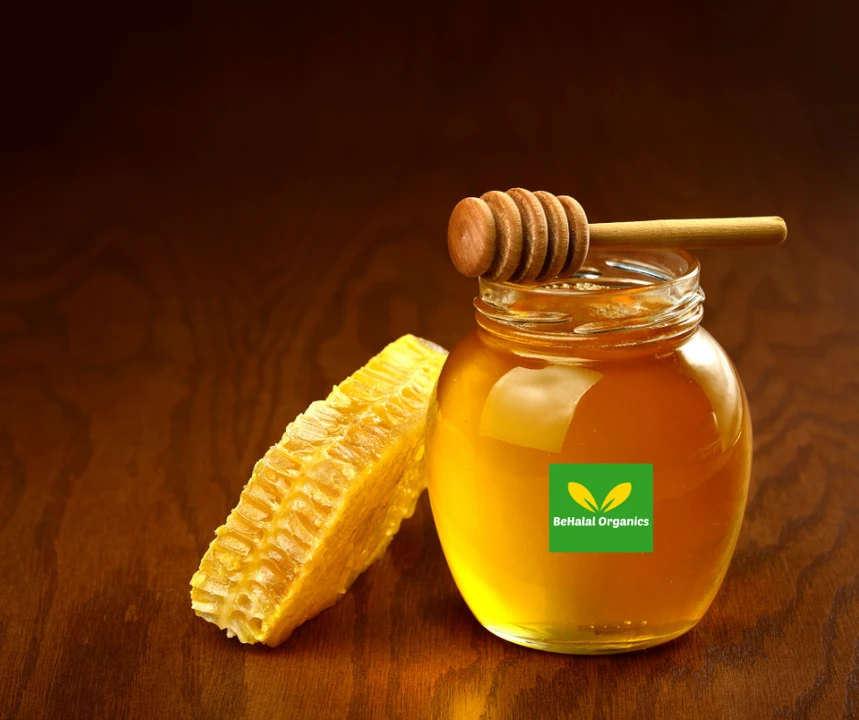
What Is Yemen Sidr Honey?
Yemen Sidr honey is one of the most sought-after varieties of honey in the world, and once you understand where it comes from, its reputation starts to make sense. It is produced by bees that collect nectar primarily from the flowers of the Sidr tree, Ziziphus spina-christi, a hardy tree that grows naturally across parts of the Middle East and surrounding regions. In Yemen, the combination of geography, climate, traditional beekeeping practices, and the availability of Sidr blossoms gives the honey a character that many people consider remarkably distinctive. Unlike ordinary supermarket honey, which may come from mixed floral sources and large-scale production systems, authentic Sidr honey is valued for its floral origin and limited seasonal availability. A recent 2026 scientific review describes Sidr honey as a monofloral product associated with Ziziphus spina-christi and highlights its carbohydrates, phenolic compounds, minerals, vitamins, and potential biological activity.
The experience of eating Yemen Sidr honey is also part of what makes it special. Depending on the harvest and exact region, it can have a deep amber colour, a rich aroma, and a smooth sweetness that feels more complex than the straightforward sugary taste many people associate with everyday honey. Think of it like coffee: two cups may both be called coffee, but the origin of the beans, soil, climate, and processing can create completely different flavours. The same principle applies to honey. The flowers visited by bees influence the final composition and sensory qualities of the product. For people looking for a premium natural sweetener with a long history of traditional use, Yemen Sidr honey offers far more than sweetness alone.
The Sidr Tree and Its Unique Nectar
The story of Yemen Sidr honey begins with the Sidr tree. This resilient tree has cultural and ecological importance in the regions where it grows, and its flowers provide the nectar that gives Sidr honey its recognizable identity. Because floral source matters, honey produced mainly from Sidr blossoms can develop a chemical profile that differs from honey made from other plants. Researchers studying Yemeni Sidr honey have identified natural carbohydrates alongside phenolic compounds such as chrysin, ellagic acid, and caffeic acid in analyzed extracts. These compounds are part of the reason scientists are interested in understanding the biological properties of Sidr honey.
Nature rarely produces identical results from one harvest to another. Rainfall, temperature, flowering conditions, bee activity, and local geography can all influence a honey's characteristics. That means authentic Sidr honey should not be thought of as a factory-made product with a perfectly identical flavour every single year. Instead, slight variations can be part of its natural character. This connection to season and place is one reason premium honey is often appreciated in much the same way as specialty tea, coffee, or olive oil. The origin matters, and knowing where a honey comes from can tell you much more than a colourful label ever could.
Why Yemen Is Famous for Sidr Honey
Yemen has become especially well known for Sidr honey because of its longstanding beekeeping traditions and the reputation of honey harvested from its Sidr-growing regions. Authenticity and traceability are particularly important in this market because Sidr honey does not have a universal grading system comparable to the UMF system commonly associated with Manuka honey. That means consumers should pay close attention to the seller, origin information, harvest details, and sourcing practices rather than relying on impressive marketing language alone. A premium price does not automatically guarantee purity, just as a beautiful bottle does not automatically guarantee excellent olive oil.
This is where careful sourcing becomes essential. High-quality honey should be presented clearly, with information about what it is and where it comes from whenever possible. If a seller cannot provide meaningful details about origin or sourcing, that should encourage a buyer to ask more questions. Yemen Sidr honey is prized partly because it can be difficult to obtain in consistent quantities, so transparency matters even more. When you choose a trusted source, you are not simply buying something sweet to drizzle over breakfast; you are choosing a product whose value is closely connected to its botanical and geographical identity.
What Makes Yemen Sidr Honey Different From Other Honey?
All honey begins with bees and nectar, but not all honey ends up the same. The plant source can influence flavour, aroma, colour, antioxidant compounds, and other measurable characteristics. Yemen Sidr honey stands apart because of its association with Ziziphus spina-christi and the environmental conditions under which the nectar is collected. Recent research comparing selected Yemeni honeys found that the Sidr sample in that study had the highest measured phenolic content and vitamin C concentration among the Yemeni honey samples tested. This does not mean every jar of Sidr honey will contain identical levels, but it does reinforce the scientific interest in this particular variety.
Its reputation is also shaped by scarcity. Sidr blossoms are seasonal, and genuine monofloral honey depends on bees having meaningful access to that floral source during the relevant harvest period. This makes authentic production very different from simply mixing honey and adding a label that says “Sidr.” The real value lies in the connection between the bees, the blossoms, the landscape, and the harvest. That relationship is difficult to manufacture, which helps explain why genuine Yemen Sidr honey is often positioned as a premium product. For honey lovers, the difference can feel like comparing a generic fruit drink with freshly pressed juice: both may be sweet, but their story and character are not the same.
Its Distinctive Taste, Aroma, and Colour
One of the easiest ways to appreciate Yemen Sidr honey is simply to taste it. High-quality Sidr honey is often described as rich, aromatic, and pleasantly complex, with a depth that makes it enjoyable on its own as well as in food and drinks. Its colour may range from golden to deep amber, depending on the harvest and storage conditions. Texture can also vary naturally, especially because crystallization is a normal process in honey and does not automatically indicate poor quality. A honey that slowly changes texture over time is behaving like a natural food, not necessarily a defective one.
The aroma can be equally important. Premium honey often carries subtle floral or earthy notes connected to the nectar source, creating an experience that is much more interesting than simple sweetness. You might enjoy a spoonful directly, drizzle it over warm oats, add it to yogurt, or use it as a finishing touch on bread and fruit. The key is to let its flavour remain the star. Using an expensive, distinctive honey in a recipe where its taste completely disappears would be a little like adding premium saffron to a dish and then covering it with overpowering seasoning. Sometimes, the simplest serving method is the best one.
Rarity, Harvesting, and Natural Production
The rarity of Yemen Sidr honey is closely tied to its production cycle. Bees can only collect Sidr nectar when the trees are flowering, and environmental conditions can influence the quantity and characteristics of the harvest. Traditional beekeeping practices may also play an important role in how honey is collected and handled. This seasonal relationship gives authentic Sidr honey a sense of place and time that mass-produced honey often lacks. Each harvest is connected to a specific flowering period, which makes traceability particularly valuable.
Consumers should also understand that “raw,” “pure,” and “natural” are marketing terms that need context. A label alone is not proof of authenticity. The best approach is to consider the reputation of the seller, available sourcing information, ingredient transparency, and whether the product makes realistic claims. Genuine honey does not need impossible promises to be interesting. Its natural origin, distinctive flavour, and potential nutritional value are already compelling reasons to enjoy it. When a product sounds as though it can cure every illness under the sun, that is usually a sign to pause rather than a reason to reach for your wallet.
Yemen Sidr Honey Nutrition and Natural Compounds
Like other types of honey, Yemen Sidr honey is primarily a source of carbohydrates, particularly natural sugars such as fructose and glucose. Honey also contains smaller amounts of other naturally occurring substances, including organic acids, amino acids, enzymes, minerals, and plant-derived compounds. The exact composition can vary significantly depending on floral source, geography, season, and processing. That variation is important because it means no two honey studies should automatically be treated as proof that every honey product has exactly the same nutritional profile.
Sidr honey has attracted particular attention because researchers have detected antioxidant-related compounds and phenolics in analyzed samples. The 2025 study of Yemeni Sidr honey extracts reported compounds including chrysin, ellagic acid, and caffeic acid, while also observing antioxidant activity in laboratory assays. Another 2026 study of selected Yemeni honeys found that its Sidr sample had the highest phenolic content among the Yemeni samples included in that research. These findings are promising, but they should be interpreted correctly: laboratory measurements describe the properties of tested samples and do not automatically prove that eating a spoonful of honey will prevent or treat disease.
Natural Sugars, Minerals, and Plant Compounds
Because honey is sweet, it is easy to forget that it is also chemically complex. Its sugars provide quick energy, while its smaller components contribute to flavour, acidity, aroma, and biological activity. The darker or more intensely flavoured a honey appears, however, does not guarantee a specific nutritional value. Colour alone cannot confirm purity, antioxidant levels, or botanical origin. Laboratory analysis is much more reliable when precise composition matters.
For everyday use, it makes sense to think of Yemen Sidr honey as a premium food, not a miracle supplement. It can be a delicious alternative to refined sugar in certain recipes, although it is still a source of sugar and calories. Replacing spoonful after spoonful of table sugar with spoonful after spoonful of honey does not suddenly make unlimited sweetness harmless. Moderation still matters. The real advantage is that a distinctive honey can encourage you to use less because a small amount brings a lot of flavour, almost like a concentrated seasoning that earns its place through character rather than quantity.
Antioxidants and Phenolic Content
Antioxidants are substances that can help neutralize or interact with reactive molecules in laboratory testing, and honey contains a variety of compounds that contribute to antioxidant activity. Researchers use several different tests to measure this activity, which is why results may vary depending on the method used. In the 2025 Yemeni Sidr honey study, researchers observed antioxidant activity across multiple assays, although the two extracts did not perform identically in every test. That variation is a useful reminder that antioxidant activity is not a single simple score.
What does this mean for the person enjoying Sidr honey at home? It suggests that Sidr honey can contain biologically interesting compounds beyond simple sugars, but it should not be treated as a substitute for a diet rich in fruits, vegetables, legumes, whole grains, and other nutrient-dense foods. Think of it as one colourful tile in a much larger mosaic. A healthy eating pattern is built from many foods working together, not from one expensive ingredient carrying the entire burden. Yemen Sidr honey can fit beautifully into a balanced lifestyle, especially when enjoyed as part of an overall approach to eating that emphasizes variety.
Potential Yemen Sidr Honey Benefits
The growing interest in Yemen Sidr honey benefits comes from a combination of traditional use, nutritional composition, and laboratory research. Traditional communities have used honey for generations in food and wellness practices, while modern researchers continue to investigate its antioxidant and antimicrobial properties. A recent scientific review published in 2026 described Sidr honey as a unique Middle Eastern honey and summarized research into its nutritional and biological characteristics. Still, there is an important line between saying a food has promising properties and saying it has been clinically proven to treat disease.
The most responsible way to discuss the benefits of Sidr honey is to use language such as may support, has demonstrated activity in laboratory studies, or has been traditionally used for. This protects readers from exaggerated health claims while still allowing the research to speak for itself. Food can be supportive without being a pharmaceutical treatment. That distinction matters, especially when people are dealing with infections, wounds, chronic illnesses, or other conditions that require professional medical care. Sidr honey may be special, but even special foods have limits.
May Provide Antioxidant Support
Laboratory research suggests that Yemeni Sidr honey contains compounds capable of demonstrating antioxidant activity. In the 2025 study, researchers evaluated Sidr honey extracts using several antioxidant tests and found measurable activity, with different extracts showing different strengths depending on the assay. The 2026 comparison of selected Yemeni honeys also reported relatively high phenolic content for its Sidr sample. Phenolic compounds are naturally occurring plant-derived substances that are widely studied for their antioxidant behaviour.
The practical takeaway is not that Sidr honey is a replacement for antioxidant-rich foods. Instead, it can be enjoyed as part of a diet that already includes colourful produce and minimally processed foods. Adding a spoonful to plain yogurt with berries, for example, creates a combination where the honey contributes flavour while the fruit contributes fibre and a broader range of nutrients. That is a more realistic wellness strategy than expecting one ingredient to do everything. Good nutrition is usually less about finding a superhero and more about building a strong team.
What Recent Research Suggests
One of the most interesting recent developments is the continued scientific investigation into Yemeni Sidr honey itself rather than honey as a broad category. The 2025 research on antimicrobial and antioxidant potential tested extracts against several pathogens and reported significant laboratory activity, including inhibition of certain biofilms under experimental conditions. These findings add to the evidence that Sidr honey deserves further scientific attention. They do not, however, establish that consuming Sidr honey will cure infections or replace prescribed treatment.
This distinction between laboratory evidence and clinical evidence is crucial. A substance can behave impressively in a petri dish and still require extensive human research before doctors can make therapeutic recommendations. The same principle applies to antioxidant assays. A strong laboratory score does not automatically tell us exactly what happens after digestion, absorption, metabolism, and interaction with the rest of the human body. The exciting part is that researchers are asking better questions about Sidr honey. The responsible part is admitting that science still has more questions to answer.
May Have Antimicrobial Properties
Honey's antimicrobial activity is linked to several characteristics, including its high sugar concentration, acidity, osmotic effect, hydrogen peroxide production, and certain plant-derived compounds. Reviews of honey research have described these mechanisms as contributing to its ability to inhibit microorganisms under specific conditions. The 2025 Yemeni Sidr honey study reported laboratory activity against multiple tested pathogens and identified phenolic compounds that may contribute to the observed effects.
That sounds impressive, and it is scientifically interesting, but context matters. A jar of food-grade honey from your kitchen is not automatically equivalent to a standardized medical product. For example, wound-care research often involves specifically prepared or medical-grade honey rather than any random household honey. People should not use ordinary honey as a substitute for professional treatment of serious wounds, infections, burns, or other medical conditions. The antimicrobial story of Sidr honey is best understood as a promising area of research and a fascinating part of its natural chemistry, not permission to skip medical care.
Traditional Use for Digestive and Respiratory Wellness
Honey has a long history of traditional use for soothing purposes, particularly in warm drinks and home remedies. A spoonful of honey in warm water or tea can feel comforting, especially when the throat is irritated. This type of use is one reason honey remains a household favourite across cultures. Yemen Sidr honey adds a premium flavour profile to these traditional practices, making the experience feel both nourishing and indulgent.
Still, traditional use and clinical proof are not identical. If digestive discomfort or respiratory symptoms are persistent, severe, or worsening, professional medical advice is more appropriate than relying on honey alone. Honey can be part of a comforting routine without being presented as a cure. That balance allows us to respect tradition while also respecting modern evidence. Sometimes the healthiest approach is not to choose between ancient wisdom and science, but to understand what each can genuinely tell us.
Honey and Wound Care: Understanding the Evidence
Honey has been studied extensively for wound-care applications, and reviews have described antibacterial, antioxidant, and anti-inflammatory properties that may contribute to healing in certain settings. A more recent systematic review and meta-analysis of chronic wound studies included 906 participants and found that honey dressings were associated with faster wound-healing time and a higher percentage of wound healing, while also emphasizing that the overall quality of evidence was very low and that larger, better studies are needed.
The most important takeaway is simple: do not confuse research on medical honey dressings with instructions to apply ordinary food honey to a serious wound. Wounds can become infected, and people with diabetes, poor circulation, deep wounds, burns, or signs of infection should seek professional medical guidance. The evidence around honey is interesting and, in some situations, encouraging, but the type of honey, wound, preparation, and medical context all matter. Sidr honey's laboratory properties make it worthy of research, yet that does not automatically establish it as a clinically approved wound treatment.
Yemen Sidr Honey vs. Manuka Honey
Yemen Sidr honey and Manuka honey are frequently compared because both are premium monofloral honeys with strong reputations for distinctive composition and biological activity. The biggest difference begins with the plant source. Sidr honey is associated with Ziziphus spina-christi, while Manuka honey comes from Leptospermum scoparium. Different floral sources mean different chemical profiles, flavours, and production traditions.
One practical advantage Manuka honey has is its established grading system. Consumers can use recognized measures such as UMF and MGO when evaluating many Manuka products, while Sidr honey does not currently have an equivalent universal grading system. That does not make Sidr honey inferior; it simply means buyers need to place greater emphasis on trustworthy sourcing and transparency. Sidr may appeal more to someone seeking a rich, distinctive honey with a strong connection to Yemeni landscapes and traditional beekeeping, while Manuka may appeal to someone who wants a standardized grading framework. The “better” choice depends largely on what you value.
| Feature | Yemen Sidr Honey | Manuka Honey |
|---|---|---|
| Main floral source | Sidr tree, Ziziphus spina-christi | Manuka plant, Leptospermum scoparium |
| Geographic reputation | Yemen and parts of the Middle East | New Zealand and Australia |
| Universal grading system | No widely established equivalent | Commonly associated with UMF/MGO systems |
| Typical appeal | Rich flavour, rarity, botanical heritage | Standardized grading and extensive commercial recognition |
| Research interest | Growing research into antioxidant and antimicrobial activity | Extensive research and commercial standardization |
How to Identify High-Quality Yemen Sidr Honey
Buying premium honey can feel confusing because attractive packaging and bold claims are everywhere. Start by looking for clear product information. A trustworthy seller should be able to describe the honey as Sidr, provide meaningful information about origin or sourcing where available, and avoid making impossible medical promises. If the product is marketed as pure honey, the ingredient list should be simple and easy to understand.
Price can also provide context, although it should never be your only test. Genuine, carefully sourced Sidr honey is often more expensive than ordinary blended honey because of its limited production and premium positioning. Extremely cheap products carrying an unusually prestigious label deserve extra scrutiny. At the same time, the highest price on the shelf is not automatically proof of the highest quality. Look for transparency, consistency, and a seller whose product information makes sense. Trust is built through details, not through dramatic claims.
What to Look for Before Buying
Before purchasing, consider a few practical questions. Does the seller clearly identify the honey? Is there useful information about the source? Does the product avoid unnecessary additives? Are health claims realistic? These questions may sound simple, but they can help separate thoughtful sourcing from empty marketing.
You should also consider how you plan to use the honey. If you want something primarily for daily enjoyment, flavour and authenticity may be your main priorities. If you are seeking honey for a medical purpose, talk with a qualified healthcare professional instead of assuming a premium food product is a treatment. This approach keeps your expectations realistic. A wonderful honey can be appreciated for what it truly is without forcing it to become something it has not been proven to be.
How to Enjoy Yemen Sidr Honey
One of the best things about premium honey is its versatility. You can enjoy Yemen Sidr honey straight from the spoon, drizzle it over yogurt, pair it with fruit, add a small amount to oatmeal, or use it to bring depth to warm drinks. Its distinctive flavour can also work beautifully with cheese, nuts, and simple baked foods. Because it has a strong character, you often do not need a large amount to make an impression.
Try treating it as a finishing ingredient rather than simply another sweetener. Drizzle a little over breakfast instead of mixing it into a recipe where its flavour disappears completely. Add it to warm rather than boiling drinks if you want to preserve its natural sensory qualities, although there is no need to make exaggerated claims about temperature destroying all of honey's benefits. Store it tightly sealed in a cool, dry place, and remember that natural crystallization can occur over time. Crystallized honey is still honey; gentle warming can return it to a more liquid consistency.
Important Safety Considerations
Yemen Sidr honey is still honey, which means it should be consumed with the same basic precautions as other varieties. Honey should not be given to infants under 12 months of age because of the risk of infant botulism. People who need to monitor their sugar intake should also remember that honey remains a concentrated source of sugars, even when it contains naturally occurring bioactive compounds. Premium does not mean sugar-free.
Anyone with allergies to bee products or other relevant sensitivities should use caution. People managing medical conditions or taking medications should speak with a healthcare professional if they are unsure about adding significant amounts of honey to their diet. Most importantly, do not rely on Sidr honey to diagnose, prevent, or treat a serious health problem. Enjoy it as a food with a fascinating natural composition, while allowing evidence-based healthcare to do the job it is designed to do.
Where to Buy Yemen Sidr Honey
If you are looking for a rich, authentic-tasting honey to add to your pantry, Yemen Sidr Honeycomb is available at Behalal Organics. Choosing a trusted retailer can make the buying process easier, especially when you are shopping for a premium product where sourcing and product transparency matter. Whether you enjoy honey with breakfast, in warm drinks, or simply by the spoonful, Sidr honey offers a more distinctive experience than many everyday varieties.
The best way to enjoy it is to appreciate both sides of its story. On one side, there is tradition, geography, flavour, and the remarkable Sidr tree. On the other, there is growing scientific interest in its antioxidant and antimicrobial properties. Put those together, and you have a honey that is genuinely interesting without needing exaggerated promises. Sometimes the most special foods are the ones that have a great story, a memorable flavour, and enough scientific curiosity to keep researchers asking questions.
Conclusion
Yemen Sidr honey is special because of where it comes from, the Sidr blossoms that shape its character, its limited and premium production, and its growing scientific profile. Research has identified antioxidant-related and antimicrobial activity in tested Yemeni Sidr honey samples, while recent studies continue to explore the phenolic compounds and other natural constituents that may contribute to these properties. At the same time, the science should be discussed responsibly. Laboratory findings and traditional use are exciting, but they are not the same as proven medical treatment.
For everyday enjoyment, that balance is actually good news. You do not need to believe impossible claims to appreciate Yemen Sidr honey. Its rich flavour, botanical identity, rarity, and natural composition already make it a remarkable addition to the kitchen. Enjoy it in moderation, choose a trusted source, and let it be what it is: a premium natural honey with a deep connection to the landscapes and traditions that produce it. If you are ready to experience its distinctive taste for yourself, you can shop Yemen Sidr Honeycomb at Behalal Organics.
Frequently Asked Questions About Yemen Sidr Honey
1. What is Yemen Sidr honey made from?
Yemen Sidr honey is produced when bees collect nectar primarily from the flowers of the Sidr tree, Ziziphus spina-christi. Its exact composition can vary depending on the harvest, region, climate, and floral conditions. This botanical origin helps give Sidr honey its distinctive flavour and chemical profile. Research has identified natural sugars and plant-derived compounds, including phenolic substances, in analyzed Yemeni Sidr honey samples.
2. What are the main Yemen Sidr honey benefits?
Potential benefits associated with Yemen Sidr honey include antioxidant activity and antimicrobial activity observed in laboratory research, along with its long history of traditional use. Recent studies have reported measurable antioxidant and antibacterial effects in tested Yemeni Sidr honey extracts. These findings are promising, but more human clinical research is needed before Sidr honey can be considered a treatment for specific diseases. It is best enjoyed as a nutritious natural food rather than a replacement for medical care.
3. Is Yemen Sidr honey better than Manuka honey?
Neither honey is automatically “better” for every person. Yemen Sidr honey and Manuka honey come from different plants and have different flavour profiles, traditions, and market systems. Manuka has the advantage of widely recognized grading systems such as UMF and MGO, while Sidr honey is valued for its rarity, distinctive origin, and growing body of scientific research. Your choice may depend on whether you prioritize standardized grading, flavour, origin, or overall culinary experience.
4. Can I eat Yemen Sidr honey every day?
Most healthy adults can generally enjoy honey as part of a balanced diet, but moderation is important because honey is still high in natural sugars. A small serving can add plenty of flavour to yogurt, oats, tea, or other foods. People who need to manage blood sugar or follow a medically prescribed eating plan should consider their individual needs. Honey should never be given to children under 12 months old.
5. Where can I buy Yemen Sidr honey?
You can shop for Yemen Sidr Honeycomb at Behalal Organics. When buying premium honey, look for clear product information, trustworthy sourcing, and realistic claims. Authenticity matters because Sidr honey is highly valued and does not have a universal grading system comparable to the systems used for many Manuka products. Choosing a reputable seller helps you enjoy the product with greater confidence.
DISCLAIMER
This blog has not been approved by your local health department and is not intended to provide diagnosis, treatment, or medical advice. The content provided on this blog is for informational purposes only. Please consult with a physician or other healthcare professional regarding any medical or health-related diagnosis or treatment options. Information on this blog should not be considered as a substitute for advice from a healthcare professional. The claims made about specific products throughout this blog are not approved to diagnose, treat, cure, or prevent disease.
Explore Popular Articles
-
Mondia Whitei Honey: Potential Benefits and Important Considerations
13th Oct 2026Mondia Whitei Honey is a topic of interest for people exploring traditional African botanicals, hone
-
Sea Moss Powder with Elderberry: Benefits, Uses, and How to Take It
7th Oct 2026Sea Moss Powder with Elderberry: Benefits, Uses, and How to Take It Sea moss has become a familiar n
-
10 Potential Benefits of Bitter Kola You Should Know
6th Oct 2026Bitter kola, scientifically known as Garcinia kola, is one of those traditional West African foods t