
Soursop Nutrition Facts: Vitamins, Minerals & Antioxidants
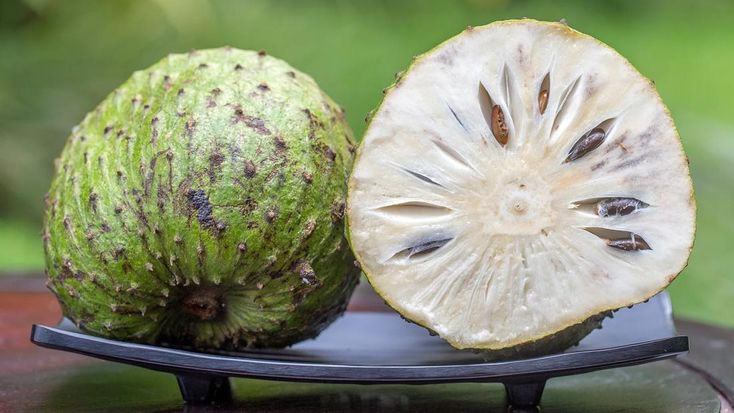
Soursop Nutrition Facts: Vitamins, Minerals & Antioxidants
Soursop (Annona muricata), also known as graviola, guanabana, or custard apple, is a spiky green tropical fruit with soft, creamy white flesh. Native to Central America, South America, and the Caribbean, it has a distinctive sweet-tart flavor often described as a cross between strawberry, pineapple, and citrus. Beyond its unique taste, soursop has earned a reputation as a nutrient-dense fruit, packed with vitamin C, fiber, potassium, and a range of plant compounds. This article breaks down exactly what's inside soursop and how those nutrients may support your health.
Table of Contents
- What Is Soursop?
- Soursop Nutrition Facts (Per 100g)
- Vitamins in Soursop
- Minerals in Soursop
- Antioxidants and Plant Compounds
- Macronutrients: Calories, Carbs, Fiber & Protein
- Health Benefits Linked to Soursop's Nutrients
- How to Eat Soursop
- Precautions and Side Effects
- Frequently Asked Questions (FAQs)
What Is Soursop
Soursop is the fruit of the Annona muricata tree, a member of the custard apple family (Annonaceae). It's widely grown throughout the tropics, including Southeast Asia, West Africa, and Latin America. The fruit can weigh anywhere from a few ounces up to several pounds, with a dark green, spiny exterior and a soft, fibrous, white interior studded with black seeds (the seeds themselves are not eaten). Soursop is typically consumed fresh, blended into juices and smoothies, or used in desserts like sorbet and ice cream.
Soursop Nutrition Facts (Per 100g)
Here's a snapshot of the nutritional profile of raw soursop pulp per 100-gram serving (roughly a small wedge of fruit):
| Nutrient | Amount per 100g | % Daily Value* |
|---|---|---|
| Calories | 66 kcal | 3% |
| Water | 81.2 g | — |
| Protein | 1.0 g | 2% |
| Total Fat | 0.3 g | 0.4% |
| Carbohydrates | 16.8 g | 6% |
| Dietary Fiber | 3.3 g | 12% |
| Sugars | 13.5 g | — |
| Vitamin C | ~20 mg | 22% |
| Potassium | 278 mg | 8% |
| Calcium | 14 mg | 1% |
| Magnesium | 21 mg | 5% |
| Phosphorus | 27 mg | 4% |
| Iron | 0.6 mg | 8% |
| Copper | 0.09 mg | 10% |
*Daily Values are approximate and based on a 2,000-calorie diet; actual values may vary slightly by data source.
Vitamins in Soursop
Vitamin C is soursop's standout nutrient. A 100g serving supplies roughly a fifth of the recommended daily intake, making it a genuinely good source of this antioxidant vitamin. Vitamin C supports immune function, aids collagen production for healthy skin and connective tissue, and improves the body's absorption of plant-based iron.
Soursop also contains smaller but meaningful amounts of:
- B vitamins (thiamin, riboflavin, niacin, and folate) — involved in energy metabolism and cell growth
- Vitamin A (in trace amounts) — contributing modestly to eye and skin health
Minerals in Soursop
Soursop delivers a useful mix of minerals that support everyday bodily functions:
- Potassium — at around 278mg per 100g, potassium helps regulate fluid balance, nerve signaling, and healthy blood pressure.
- Magnesium — supports muscle and nerve function, blood sugar regulation, and bone health.
- Iron — contributes to red blood cell formation and oxygen transport.
- Copper — plays a role in energy production and iron metabolism.
- Phosphorus — works alongside calcium to support bone and teeth structure.
- Calcium — present in smaller amounts, contributing to bone maintenance.
Antioxidants and Plant Compounds
Beyond its vitamin and mineral content, soursop is notable for a range of bioactive plant compounds, including:
- Flavonoids and polyphenols — antioxidants that help neutralize free radicals and reduce oxidative stress in the body.
- Acetogenins — a class of compounds unique to the Annona family, found mainly in soursop leaves and seeds. These have been studied in laboratory settings for potential anti-cancer and anti-parasitic properties, though research in humans remains limited and inconclusive.
- Tannins — plant compounds with antioxidant activity, more concentrated in the fruit's skin and seeds than the pulp.
It's worth noting that most human clinical research on soursop's medicinal compounds is still preliminary. While lab and animal studies are promising in some areas, soursop should not be treated as a substitute for medical treatment.
Macronutrients: Calories, Carbs, Fiber & Protein
Soursop is relatively low in calories for a fruit this flavorful, at about 66 kcal per 100g. Its macronutrient profile is dominated by carbohydrates, most of which come from natural sugars, alongside a solid fiber content of 3.3g per 100g — enough to be considered a good fiber source.
- Fiber: supports digestive regularity, feeds beneficial gut bacteria, and can help promote a feeling of fullness.
- Natural sugars: soursop's sweetness comes primarily from fructose and glucose, so portion awareness matters for people managing blood sugar.
- Protein and fat: both are minimal, meaning soursop shouldn't be relied on as a significant protein or fat source.
Health Benefits Linked to Soursop's Nutrients
Based on its nutrient composition, soursop may offer several potential health benefits:
- Immune support — thanks to its vitamin C content
- Digestive health — from its fiber, which supports regularity and gut bacteria diversity
- Blood pressure support — potassium helps counterbalance sodium's effects on blood pressure
- Antioxidant protection — flavonoids and polyphenols may help reduce cellular oxidative stress
- Hydration — soursop pulp is over 80% water, contributing to fluid intake
These benefits are generally associated with the nutrients soursop contains rather than proven in large-scale human trials specific to the fruit itself, so they should be viewed as supportive of an overall healthy diet rather than a cure for any condition.
How to Eat Soursop
Soursop pulp can be:
- Eaten fresh with a spoon, discarding the black seeds
- Blended into smoothies or juices
- Used in sorbets, ice creams, and puddings
- Added to yogurt or oatmeal for natural sweetness
Choose a soursop that yields slightly to gentle pressure, similar to a ripe avocado — this indicates it's ready to eat.
Precautions and Side Effects
While soursop pulp is generally safe to eat in normal food amounts, a few precautions are worth noting:
- Seeds and leaves contain higher concentrations of acetogenins and should not be consumed or used to make tea/supplements without medical guidance, as some research has linked long-term high-dose exposure to neurological effects in animal studies.
- Blood sugar — due to its natural sugar content, people with diabetes should monitor portion sizes.
- Medication interactions — soursop may interact with certain blood pressure or diabetes medications; check with a healthcare provider if you take these regularly.
- Allergies — as with any fruit, allergic reactions are possible, though uncommon.
If you have an existing health condition or take medication, it's a good idea to talk to a doctor or dietitian before adding soursop supplements or concentrated extracts to your routine.
Frequently Asked Questions (FAQs)
1. Is soursop high in vitamin C? Yes. A 100g serving of soursop provides roughly 20mg of vitamin C, covering about a fifth of the recommended daily intake, making it a genuinely good dietary source of this antioxidant vitamin.
2. How many calories are in soursop? Raw soursop pulp contains about 66 calories per 100 grams, making it a relatively low-calorie fruit compared to many other tropical fruits.
3. Is soursop good for weight loss? Its combination of low calorie density, high water content, and 3.3g of fiber per 100g can help promote fullness, which may support weight management as part of a balanced diet. It isn't a weight-loss cure on its own.
4. Can people with diabetes eat soursop? Soursop can generally be eaten in moderation by people with diabetes, since it contains fiber that can help slow sugar absorption. However, it does contain natural sugar (about 13.5g per 100g), so portion size and overall carbohydrate intake should still be monitored, ideally with guidance from a healthcare provider.
5. Are soursop leaves and seeds safe to eat? No, soursop leaves and seeds are not intended for regular consumption. They contain higher levels of acetogenin compounds than the pulp, and some research suggests long-term, high-dose exposure could carry neurological risks. Stick to the fruit's flesh and avoid homemade leaf teas or seed extracts without medical supervision.
DISCLAIMER
This blog has not been approved by your local health department and is not intended to provide diagnosis, treatment, or medical advice. The content provided on this blog is for informational purposes only. Please consult with a physician or other healthcare professional regarding any medical or health-related diagnosis or treatment options. Information on this blog should not be considered as a substitute for advice from a healthcare professional. The claims made about specific products throughout this blog are not approved to diagnose, treat, cure, or prevent disease.
Explore Popular Articles
-

Pure Bitter Melon Extract Explained: Uses, Research, and Safety
22nd Oct 2026Article Outline - H1: Pure Bitter Melon Extract Explained: Uses, Research, and Safety H2: 1. Wha
-
What to Know About Herbal Digestive Support with Turmeric and Botanicals
21st Oct 2026Article Outline - H1: What to Know About Herbal Digestive Support with Turmeric and Botanicals H
-
What Are Kola Nut Bitters With Garlic, Ginger, and Moringa?
20th Oct 2026Article Outline - H1: What Are Kola Nut Bitters With Garlic, Ginger, and Moringa? H2: Understand