
Soursop Benefits: 15 Reasons to Add This Tropical Fruit to Your Diet
Soursop Benefits: 15 Reasons to Add This Tropical Fruit to Your Diet
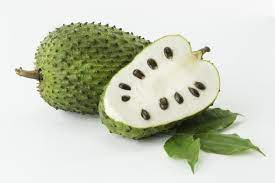
There is something special about a fruit that looks a little intimidating on the outside but tastes surprisingly creamy, sweet, and refreshing once you cut it open. Soursop, also known as graviola or Annona muricata, is one of those tropical fruits. Its green, prickly skin hides soft white flesh with a distinctive flavor that many people describe as a combination of strawberry, pineapple, citrus, and banana. Beyond its unusual taste, soursop has attracted attention because it contains nutrients and naturally occurring plant compounds that can fit into a balanced diet.
Soursop has been consumed as food in tropical regions for generations, and the fruit is used in everything from fresh juices and smoothies to desserts and other beverages. Scientific reviews have also documented the nutritional and phytochemical interest surrounding Annona muricata, although many of the stronger health claims surrounding the plant come from laboratory or traditional-use research rather than large human clinical trials. That distinction matters because eating a nutritious fruit and using concentrated herbal extracts are not necessarily the same thing. So, rather than presenting soursop as a miracle cure, it makes more sense to look at what this tropical fruit can realistically contribute to an overall healthy eating pattern.
What Is Soursop?
Soursop is the fruit of the Annona muricata tree, a tropical plant belonging to the Annonaceae family. It is commonly known by several names, including graviola, guanabana, custard apple, and Brazilian paw paw, depending on the region. The fruit itself is large, green, and covered with soft-looking spines, while the inside contains juicy white flesh surrounding dark seeds. It is naturally sweet with a slightly tangy flavor, which explains why it works so well in smoothies, fresh juices, fruit bowls, and chilled desserts.
The fruit has a long history of traditional use across tropical regions, including parts of Africa, South America, Southeast Asia, and the Caribbean. A scientific review of Annona muricata describes the fruit as widely consumed and notes that it has been used in products such as beverages, syrups, candies, ice cream, and shakes. That versatility is one reason soursop can be an interesting addition to a modern diet. Instead of thinking about it as an exotic food that you only eat occasionally, you can view it as another fruit option that brings a different flavor, texture, and collection of plant nutrients to your meals.
Soursop Nutrition at a Glance
The exact nutritional profile of soursop can vary according to ripeness, growing conditions, serving size, and preparation method. Like other whole fruits, it can contribute carbohydrates for energy, water, fiber, vitamins, minerals, and naturally occurring plant compounds. Vitamin C is one of the nutrients associated with soursop, while its fiber content can also make it a useful choice for people trying to include more fiber-rich foods in their diets.
It is important not to reduce nutrition to one “superfood” or one isolated nutrient. Your body needs a combination of nutrients from different foods, and a varied diet is generally more useful than relying heavily on one fruit. USDA FoodData Central provides food-composition information used by researchers, health professionals, and other food and nutrition users, and its database is periodically updated as new food-composition information becomes available. With that bigger picture in mind, here are 15 practical reasons soursop may deserve a place on your fruit menu.
15 Potential Benefits of Soursop
1. Provides Vitamin C
One of the reasons people are interested in soursop benefits is its vitamin C content. Vitamin C is an essential nutrient involved in several normal functions in the body, including immune function and collagen formation. Getting vitamin C from foods such as fruits is generally preferable to thinking of individual foods as medicines because nutrients work together within an overall dietary pattern.
Adding soursop to your diet can therefore be one enjoyable way to increase the variety of fruits you consume. Instead of always reaching for the same orange, apple, or banana, you can occasionally switch things up with a serving of creamy soursop. The sweet-tart flavor also makes it easier to enjoy without needing large amounts of added sugar. When blended into a smoothie with other whole-food ingredients, soursop can become a flavorful part of breakfast or an afternoon snack.
2. Supports a Fiber-Rich Diet
Fiber is one of those nutrients that does not always get the attention it deserves until your diet is lacking it. A diet containing plenty of fiber-rich foods can support normal digestive function and help make meals more satisfying. Soursop contains dietary fiber, meaning the fruit can contribute to your overall daily fiber intake when enjoyed as part of a varied diet.
The important word here is overall. One serving of soursop will not magically provide all the fiber you need, and it should not replace vegetables, legumes, whole grains, nuts, and other fruit. Instead, think of soursop as another piece of the puzzle. Adding different fruits throughout the week can make a fiber-rich diet less repetitive and much easier to maintain over the long term.
3. Adds Antioxidants to Your Diet
Plants produce a wide variety of naturally occurring compounds, and soursop contains several phytochemicals that researchers have investigated. Scientific reviews of Annona muricata have identified numerous plant compounds, including annonaceous acetogenins and other phytochemicals, across different parts of the plant. This is one reason soursop has generated interest among researchers.
However, there is an important difference between antioxidant activity observed in laboratory research and a proven health outcome in humans. A laboratory result does not automatically mean that eating a particular fruit will prevent or cure a disease. The practical takeaway is simpler: fruits such as soursop can contribute naturally occurring plant compounds to a varied diet, and eating a wide range of colorful plant foods is a sensible nutritional habit.
4. Supports Normal Immune Function
Your immune system depends on adequate nutrition rather than one magic ingredient. Vitamin C, for example, plays a role in normal immune function, making fruits that provide vitamin C useful components of a balanced eating pattern. Soursop can contribute to that pattern while also giving you a refreshing way to enjoy fruit.
This does not mean soursop should be marketed as an immune-system cure or replacement for medical treatment. Instead, think of it as supporting the nutritional foundation your body needs every day. Pairing soursop with other fruits, vegetables, legumes, nuts, seeds, and protein-rich foods can create a much stronger nutritional strategy than focusing on any single food.
5. Helps Support Digestive Health
If you are trying to improve your diet, increasing your intake of whole plant foods is a practical place to start. Soursop's fiber content can contribute to this goal, particularly when the fruit is consumed as part of a broader diet that includes vegetables, beans, whole grains, nuts, seeds, and other fruits. Fiber is associated with normal bowel function and is an important part of a balanced eating pattern.
There is also something psychologically useful about choosing foods you genuinely enjoy. A healthy diet does not have to feel like punishment. If you love the creamy texture and tropical flavor of soursop, incorporating it into your meals may make it easier to maintain a fruit-rich eating routine. You can enjoy it fresh, blend it into a smoothie, or combine it with other whole-food ingredients for a satisfying snack.
6. Contributes to Everyday Hydration
Fruit naturally contains water, which means foods such as soursop can contribute to your overall fluid intake. Of course, fruit should not replace drinking water, particularly when the weather is hot or you are physically active. Instead, think of hydration as a combination of beverages and water-rich foods consumed throughout the day.
This can be particularly appealing in warm climates, where refreshing foods are often easier to enjoy. A chilled soursop smoothie, for example, can feel far more exciting than another ordinary snack. Just pay attention to what you add to it. A homemade smoothie based on soursop, water or unsweetened milk, and other fruits can be quite different nutritionally from a commercial drink loaded with added sugars.
7. Provides Naturally Occurring Plant Compounds
Soursop is more than a source of basic vitamins and minerals. Researchers have identified a broad range of phytochemicals in Annona muricata, which has contributed to the plant's popularity in nutritional and traditional-medicine discussions. A review of the plant describes more than 100 annonaceous acetogenins identified across different plant parts, although the presence of these compounds should not be interpreted as proof that the fruit treats disease.
This is an excellent example of why food science can be fascinating without turning every discovery into a health claim. A plant can contain interesting compounds while researchers are still working to understand what those compounds mean in the human body. For everyday eating, the safest approach is to enjoy the edible fruit as food and avoid assuming that laboratory findings automatically translate into medical benefits.
8. May Support Heart-Healthy Eating
A heart-conscious diet is not built around one tropical fruit. It is built around an eating pattern that includes plenty of fruits and vegetables, appropriate amounts of whole grains, legumes, nuts and seeds, and other nutrient-dense foods. Soursop can fit naturally into that kind of pattern because it is a fruit rather than a highly processed snack.
The biggest advantage may actually be what soursop replaces. If choosing a naturally sweet serving of fruit helps you eat fewer heavily processed desserts or sugar-heavy snacks, that can be a positive dietary trade-off. The fruit itself should not be promoted as a treatment for high blood pressure, cholesterol problems, or heart disease, but it can certainly be part of a broader approach to eating well.
9. Fits Into a Balanced Weight-Management Diet
Healthy weight management is about the total picture, not about finding a single “fat-burning” food. Fruits can be useful because they provide flavor, water, fiber, and nutrients while helping you build meals around minimally processed foods. Soursop can therefore be included in a balanced diet when portion sizes and the rest of the meal are considered.
How you prepare it matters, too. Eating fresh soursop or blending it with unsweetened ingredients is very different from turning it into a dessert with large quantities of added sugar, condensed milk, or syrups. If your goal is to make your diet more nutrient-dense, focus on keeping the fruit itself at the center of the recipe rather than surrounding it with unnecessary added sugars.
10. Can Add Variety to Your Fruit Intake
Eating healthy becomes easier when your food does not become boring. Imagine eating the same fruit every single day for months; even if that fruit is nutritious, you might eventually want something different. Soursop gives you another option, especially if you enjoy tropical flavors.
Dietary variety can expose you to different nutrients and plant compounds while making meals more interesting. You could rotate soursop with mangoes, oranges, berries, pawpaw, watermelon, pineapple, apples, or bananas. The goal is not to crown one fruit as the healthiest. The goal is to build a colorful, varied diet that you actually enjoy eating.
11. May Support Healthy Skin
Nutrition and skin health are closely connected because your skin needs nutrients to maintain its normal structure and function. Vitamin C is involved in collagen production, which is one reason vitamin-C-containing foods are commonly discussed in relation to healthy skin. Including fruits such as soursop in a balanced diet can therefore contribute to your overall nutrient intake.
Still, it is better to think beyond “eat this fruit for perfect skin.” Skin health is influenced by many factors, including genetics, sun exposure, hydration, sleep, overall nutrition, and skincare habits. Soursop can be one nutritious food in that bigger picture rather than a stand-alone beauty treatment.
12. Provides Minerals Alongside Other Nutrients
Soursop is not simply about vitamin C. Fruits can provide a combination of nutrients and minerals that contribute to overall dietary quality. The exact amounts vary depending on the serving and food database used, which is why it is more useful to consider soursop as part of a diverse diet than to make exaggerated claims about one nutrient.
Pairing soursop with other foods can also improve the nutritional balance of a meal. Try combining it with plain yogurt and seeds, adding it to a smoothie with leafy greens, or serving it alongside a meal that contains protein and whole grains. In other words, let soursop complement your diet rather than asking it to do all the nutritional work.
13. Offers a Naturally Sweet Alternative to Processed Desserts
Sometimes the easiest way to improve your eating habits is not to eliminate sweetness but to choose better sources of it. Ripe soursop has a naturally sweet, creamy flavor that can satisfy the desire for something indulgent without requiring a heavily processed dessert. That makes it an interesting ingredient for people who are trying to eat more whole foods.
You can blend the flesh into a smoothie, chill it before serving, combine it with plain yogurt, or use it to create homemade fruit-based treats. The important thing is to remember that fruit is still a source of naturally occurring sugars, so portions matter, especially for people managing blood glucose. A whole-food approach is about balance rather than labeling foods as completely “good” or “bad.”
14. Has a Long History of Traditional Use
Soursop has been used traditionally in several parts of the world, and different parts of the Annona muricata plant have been associated with traditional remedies. Scientific literature has documented this long history, which is part of the reason researchers continue to study the plant.
Traditional use can provide valuable clues for scientific investigation, but tradition and clinical evidence are not identical. Memorial Sloan Kettering Cancer Center notes that graviola fruit is generally safe to eat as food but emphasizes that evidence is lacking for many medicinal claims associated with graviola. That distinction allows you to appreciate soursop's cultural history without making promises that current research cannot support.
15. Makes Healthy Eating More Enjoyable
Perhaps the most underrated benefit of soursop is simply that it can make nutritious eating more enjoyable. A diet that feels restrictive is difficult to maintain, while a diet filled with foods you genuinely look forward to can become part of your lifestyle. Soursop's creamy texture and tropical flavor give you another way to make fruit feel exciting.
That matters because consistency usually beats perfection. You do not need to eat soursop every day or treat it as a miracle ingredient. Instead, include it occasionally alongside other fruits and nutrient-rich foods. When healthy choices taste good, feel satisfying, and fit naturally into your routine, they become much easier to maintain.
Fresh Soursop vs. Soursop Products
Fresh soursop is the simplest way to experience the fruit, but convenience can make processed or packaged options attractive. Depending on the product, soursop may be available as a fruit pulp, juice, powder, capsule, tincture, or other preparation. These products are not nutritionally interchangeable, and concentrated supplements deserve more caution than ordinary food.
Memorial Sloan Kettering specifically distinguishes eating graviola fruit from taking graviola supplements, noting that supplements can be more concentrated and may interact with medications. So, if you are choosing a soursop product, read the label carefully and understand whether you are buying a food product or a concentrated botanical supplement.
How to Add Soursop to Your Diet
There are plenty of simple ways to enjoy soursop without making your diet complicated. If you have access to fresh fruit, you can eat the soft flesh directly after removing the seeds. You can also blend the fruit into smoothies with ingredients such as banana, pineapple, yogurt, or unsweetened plant milk. For a lighter option, combine soursop with other fruits and serve it chilled.
Another easy approach is to use soursop as an occasional replacement for heavily processed sweet snacks. The fruit has such a naturally distinctive flavor that you often do not need much else to make it enjoyable. If you purchase a packaged soursop product, check the ingredient list and choose options that align with your dietary goals. The simpler the ingredient list, the easier it usually is to understand what you are actually consuming.
What About Soursop and Cancer?
This is where responsible nutrition information becomes especially important. Soursop and graviola are frequently promoted online with claims that they can prevent, fight, or cure cancer. Although laboratory research has investigated compounds from Annona muricata, there is currently no good clinical evidence establishing soursop as a cancer treatment. Memorial Sloan Kettering states that graviola is widely promoted for cancer, but clinical evidence supporting it as a cancer treatment is lacking.
Laboratory findings can be interesting and may help scientists identify compounds worthy of further study, but they are not the same as successful human clinical trials. Someone receiving cancer treatment should never replace prescribed treatment with soursop, graviola, or another supplement. If you are considering a concentrated herbal product while taking medication, discuss it with your healthcare professional first.
Soursop Safety: What You Should Know
For most people, eating soursop fruit as food is different from consuming concentrated preparations made from leaves, roots, bark, or extracts. Memorial Sloan Kettering notes that the fruit is generally safe to eat but advises caution with supplements and possible medication interactions. This is particularly relevant because soursop products can vary considerably in concentration and formulation.
People taking medicines that lower blood sugar or blood pressure should speak with a healthcare professional before using concentrated graviola products because potential additive effects may create problems. Pregnant or breastfeeding individuals, people with chronic conditions, and anyone taking prescription medication should also seek professional guidance before using concentrated botanical supplements. Eating a reasonable serving of the fruit as part of a normal diet is not the same as taking a high-dose extract, and that difference should always be kept in mind.
Why Choose Soursop From Behalal Organics?
If you are looking for a convenient way to add soursop to your wellness routine, Behalal Organics offers soursop products for customers who want to explore this tropical fruit in a convenient format. Rather than treating soursop as a miracle cure, think of it as one interesting addition to a broader lifestyle built around nutritious foods, regular movement, adequate sleep, and balanced daily habits.
Shop Soursop at Behalal Organics
Before purchasing any botanical product, check the product label, ingredients, serving instructions, and storage recommendations. If you take medication or have a health condition, it is wise to ask a qualified healthcare professional whether the particular product is appropriate for you. Making informed choices is just as important as choosing natural products.
Conclusion
Soursop is a delicious tropical fruit with plenty to offer as part of a varied, balanced diet. Its vitamin C, fiber, water content, and naturally occurring plant compounds make it an interesting addition to your fruit rotation, while its unique flavor gives you another enjoyable way to eat more whole foods. The 15 potential benefits discussed here range from supporting nutrient intake and digestive health to adding variety and naturally sweet flavor to everyday meals.
At the same time, it is important to separate nutrition from exaggerated health claims. Soursop should not be presented as a cure for cancer, diabetes, high blood pressure, or other medical conditions. Current evidence supports appreciating the fruit as a nutritious food while recognizing that many medicinal claims about concentrated graviola preparations require much more human research.
So, if you enjoy tropical fruit and want to try something different, why not give soursop a place on your menu? Whether enjoyed fresh, blended into a smoothie, or purchased as a convenient soursop product from Behalal Organics, it can be a flavorful part of a food-first approach to wellness.
Frequently Asked Questions About Soursop
1. What are the main benefits of soursop?
Soursop can contribute vitamin C, fiber, water, and naturally occurring plant compounds to the diet. It can also add variety to your fruit intake and provide a naturally sweet alternative to some highly processed snacks. Its benefits should be understood as part of an overall healthy eating pattern rather than as medical treatment.
2. Can I eat soursop every day?
Soursop can be included as part of a varied diet, but you do not need to eat it every day to benefit from eating fruit. Rotating different fruits can provide dietary variety and prevent your meals from becoming repetitive. Portion size and your overall dietary needs should also be considered.
3. Does soursop cure cancer?
No. Although laboratory studies have investigated compounds found in Annona muricata, there is not sufficient clinical evidence to say that soursop cures or treats cancer. Memorial Sloan Kettering specifically states that clinical evidence supporting graviola as a cancer treatment is lacking.
4. Is fresh soursop different from soursop supplements?
Yes. Fresh soursop is consumed as food, while supplements may contain concentrated amounts of compounds from the fruit or other parts of the plant. Memorial Sloan Kettering advises discussing graviola supplements with a healthcare professional because they may interact with medications.
5. Where can I buy soursop products?
You can explore soursop products available from Behalal Organics through its online store. Always check the specific product's ingredients, serving instructions, and other label information before purchasing.
Shop Soursop Products at Behalal Organics
DISCLAIMER
This blog has not been approved by your local health department and is not intended to provide diagnosis, treatment, or medical advice. The content provided on this blog is for informational purposes only. Please consult with a physician or other healthcare professional regarding any medical or health-related diagnosis or treatment options. Information on this blog should not be considered as a substitute for advice from a healthcare professional. The claims made about specific products throughout this blog are not approved to diagnose, treat, cure, or prevent disease.
Explore Popular Articles
-

Mondia Whitei Honey: Potential Benefits and Important Considerations
13th Oct 2026Mondia Whitei Honey is a topic of interest for people exploring traditional African botanicals, hone
-

Sea Moss Powder with Elderberry: Benefits, Uses, and How to Take It
7th Oct 2026Sea Moss Powder with Elderberry: Benefits, Uses, and How to Take It Sea moss has become a familiar n
-

10 Potential Benefits of Bitter Kola You Should Know
6th Oct 2026Bitter kola, scientifically known as Garcinia kola, is one of those traditional West African foods t