
Sidr Leaves Powder Benefits: Everything You Need to Know
Article Outline
- H1: Sidr Leaves Powder Benefits: Everything You Need to Know
- H2: What Is Sidr Leaves Powder?
- H3: Understanding the Sidr Tree
- H3: How Sidr Leaf Powder Is Made
- H2: The Nutritional and Plant Compounds in Sidr Leaves
- H3: Antioxidants and Polyphenols
- H3: Other Naturally Occurring Plant Compounds
- H2: Potential Benefits of Sidr Leaves Powder
- H3: May Support Healthy Skin
- H4: Traditional Uses for Skin Cleansing
- H3: May Support Healthy Hair and Scalp Care
- H3: Provides Antioxidant Support
- H3: May Support General Wellness
- H3: Traditional Digestive Uses
- H3: May Support Healthy Skin
- H2: What Does Science Say About Sidr Leaves?
- H3: Laboratory and Preclinical Research
- H3: Why More Human Research Is Needed
- H2: How to Use Sidr Leaves Powder
- H3: Using It as a Hair or Skin Wash
- H3: Preparing Sidr Leaves Powder for Other Traditional Uses
- H2: Sidr Leaves Powder Safety and Precautions
- H2: How to Choose High-Quality Sidr Leaves Powder
- H2: Where to Buy Sidr Leaves Powder
- H2: Conclusion
- H2: FAQs About Sidr Leaves Powder
- H2: What Is Sidr Leaves Powder?
Sidr Leaves Powder Benefits: Everything You Need to Know
Sidr leaves powder has been used for generations in traditional wellness and personal care practices, particularly across parts of the Middle East, North Africa, and other regions where the Sidr tree grows. Today, more people are becoming curious about this natural green powder and the ways it may fit into a simple wellness or beauty routine. From cleansing the skin and scalp to providing naturally occurring antioxidant compounds, Sidr leaves have attracted both traditional interest and scientific attention. But what exactly is Sidr leaves powder, and which of its popular benefits are supported by research?
The most important thing to understand is that traditional use and scientific proof are not always the same thing. Research on Ziziphus spina-christi, commonly associated with Sidr, has identified a wide range of plant compounds and promising biological activity in laboratory and preclinical studies. At the same time, researchers have emphasized that more well-designed human clinical studies are needed to establish standard doses, safety, and therapeutic effectiveness.
That does not mean Sidr leaves powder has no value. Instead, it means we should approach it with realistic expectations. Think of Sidr as a traditional botanical ingredient with a fascinating history, useful personal care applications, and promising scientific potential rather than as a miracle cure. In this guide, we will explore what Sidr leaves powder is, its potential benefits, how it is traditionally used, what current research suggests, and how to choose a quality product.
What Is Sidr Leaves Powder?
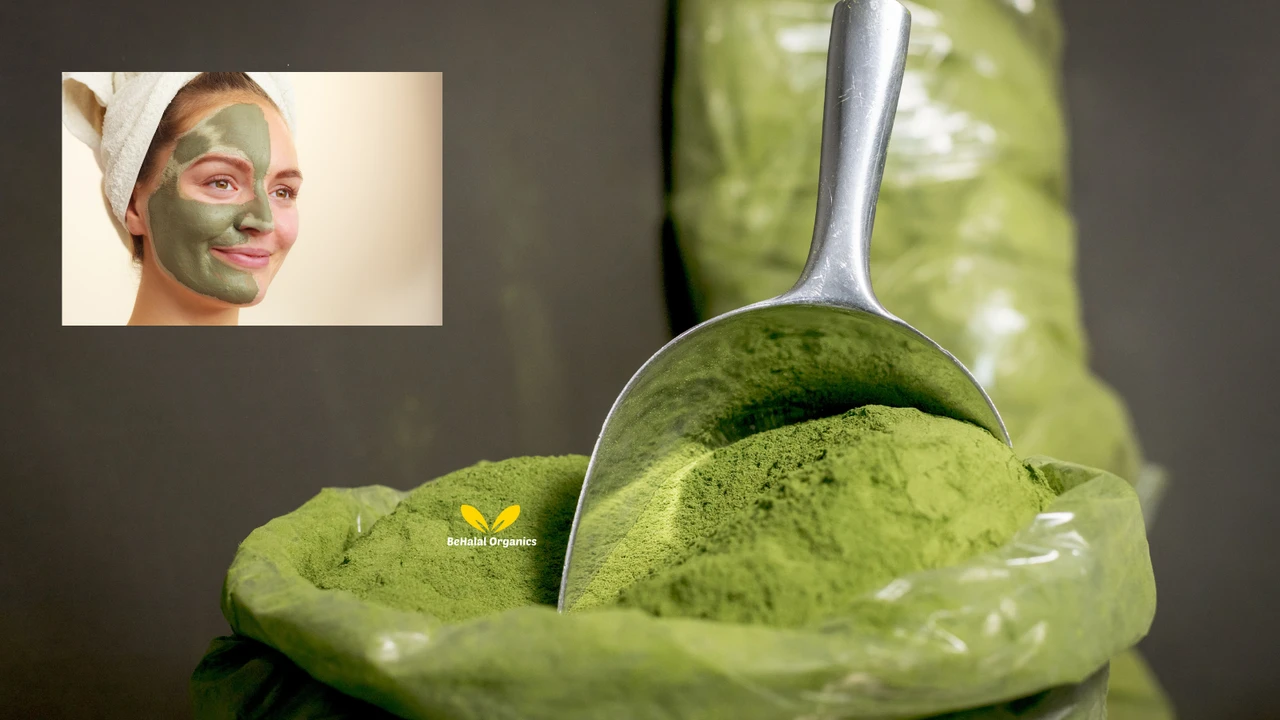
Sidr leaves powder is made by drying and grinding the leaves of the Sidr tree, commonly identified as Ziziphus spina-christi. The result is a fine green powder that can be used in traditional hair care, skin care, cleansing practices, and other cultural wellness routines. Depending on the product and preparation method, the powder may have a natural herbal scent and a slightly earthy appearance. Because the leaves are simply dried and ground, a high-quality product should ideally contain pure Sidr leaves without unnecessary fillers or artificial ingredients.
The Sidr tree belongs to the Rhamnaceae family and is known by several names in different parts of the world. It is often called Sidr, Nabq, Christ's thorn, or by other regional names. The tree has significant cultural importance and has been traditionally used in several communities for generations. Government educational information from the United Arab Emirates also notes that different parts of the plant, including the leaves, fruits, bark, and seeds, have been used traditionally for a variety of purposes, including hair and skin care.
What makes Sidr leaves particularly interesting is that they are more than just ordinary leaves. Scientific investigations have identified numerous naturally occurring compounds in Ziziphus spina-christi, including polyphenols and flavonoids. These compounds are often studied because of their potential antioxidant and biological properties. However, the presence of a beneficial compound does not automatically mean that consuming or applying a plant will produce a specific medical result. The amount used, preparation method, and individual response can all make a difference.
Understanding the Sidr Tree
The Sidr tree is well adapted to warm and dry environments and has traditionally been valued across tropical and subtropical regions. It has a long history of cultural, nutritional, and traditional medicinal use. In some regions, the tree's fruits are eaten, while the leaves are incorporated into personal care and traditional wellness practices. This long history helps explain why Sidr remains popular today, even as researchers continue to study its chemical composition and biological activity.
Traditional ethnobotanical research has documented the use of Ziziphus spina-christi in different communities for a wide range of purposes. Historical and traditional applications have included skin care, wound cleansing, digestive concerns, and general wellness. Researchers have also reported that the plant contains compounds such as tannins, flavonoids, terpenoids, saponin glycosides, and alkaloids.
It is easy to see why a plant with such a long traditional history continues to attract attention. Still, tradition should be viewed as a starting point for understanding a botanical, not as automatic confirmation of every health claim made online. The Sidr tree has passed through generations of cultural knowledge, but modern science still needs to answer important questions about specific benefits, safe doses, and how different preparations affect the human body.
How Sidr Leaf Powder Is Made
Sidr leaves powder begins with harvested leaves that are cleaned and dried before being finely ground. The drying process is important because excessive moisture can affect product quality and storage. Once the leaves are completely dry, they can be milled into a powder that is easier to mix with water or incorporate into traditional personal care routines. The final texture may vary depending on how finely the leaves are processed.
The simplicity of this process is one reason many people appreciate herbal powders. Instead of relying on heavily processed products containing long lists of ingredients, Sidr powder can provide a straightforward botanical option. However, simple does not always mean automatically better. The quality of the original leaves, how they were handled, how they were dried, and whether the final product contains additives can all affect the product you receive.
When choosing Sidr leaves powder, look for products that clearly identify the botanical ingredient and provide transparent information about the contents. A pure product should not need artificial coloring to appear green or unnecessary fragrances to smell herbal. Proper storage is also important because plant powders can lose quality when exposed repeatedly to moisture, heat, or contamination.
The Nutritional and Plant Compounds in Sidr Leaves
One of the biggest reasons researchers are interested in Sidr leaves is their chemical complexity. Plants naturally produce a wide range of compounds that help them interact with their environment. Some of these compounds are also studied for potential effects on human health. In the case of Ziziphus spina-christi, scientific reviews have identified a broad range of naturally occurring phytochemicals across different parts of the plant.
A major review examining 186 research articles reported that polyphenols and flavonoids were among the most frequently reported compounds associated with the plant. The review identified 193 compounds from different parts of Ziziphus spina-christi, with 66 reported polyphenol and flavonoid compounds. This chemical diversity is one reason Sidr continues to attract scientific interest.
Still, a list of compounds should not be confused with a list of guaranteed health outcomes. Your body does not interact with every herbal preparation in the same way that a laboratory experiment does. A concentrated extract may behave differently from a simple leaf powder, and a compound identified in a test tube may not produce the same effect when applied to human skin or consumed as part of a diet.
Antioxidants and Polyphenols
Antioxidants are compounds that can help neutralize unstable molecules known as free radicals in certain biological and laboratory settings. Polyphenols and flavonoids are two large groups of plant compounds frequently studied for antioxidant activity. Sidr leaves contain naturally occurring compounds from these categories, making them interesting to researchers studying botanical ingredients.
Imagine oxidation as a type of natural wear and tear. Just as metal can gradually change when exposed to certain environmental conditions, biological systems also experience oxidative processes. The human body has its own antioxidant defenses, while foods and plant compounds can contribute additional antioxidant activity. This is why antioxidant-rich plants continue to receive scientific attention.
Research involving Ziziphus spina-christi has reported antioxidant activity in laboratory studies, but it is important not to overstate what that means. Laboratory antioxidant activity does not automatically prove that a product prevents disease or treats a medical condition in humans. The current evidence is better understood as promising and worthy of further research rather than as a reason to make strong medical claims.
Other Naturally Occurring Plant Compounds
Beyond polyphenols and flavonoids, studies have identified other classes of naturally occurring compounds associated with Sidr and related plant materials. Traditional ethnobotanical research has reported tannins, terpenoids, saponin glycosides, and alkaloids among the phytochemical groups identified in the plant. These compounds can contribute to the characteristics of the leaves, including their interaction with water, skin, and other substances.
Saponins are particularly interesting in discussions about traditional cleansing practices because some plant-based saponins can create mild foaming or cleansing effects when mixed with water. This may help explain why Sidr leaves have historically been used as a natural cleanser in some communities. The traditional use of plant powders for washing did not appear out of nowhere; people often learned through experience that certain plants interacted with water in useful ways.
However, not every Sidr powder will have the same composition. Growing conditions, plant variety, harvesting time, storage, and processing can influence the final chemical profile. This is another reason why standardized human research is important. Until researchers establish more consistent information about specific preparations, consumers should avoid assuming that every product will produce identical results.
Potential Benefits of Sidr Leaves Powder
The popularity of Sidr leaves powder benefits comes from a combination of traditional knowledge, personal care practices, and emerging scientific research. Some benefits are based primarily on traditional use, while others are supported by laboratory or preclinical studies. Keeping this distinction clear helps you make better decisions and avoid exaggerated marketing claims.
Sidr leaves powder is perhaps best known for its role in natural skin and hair care. People often mix the powder with water to create a paste or wash. Others use it as part of a cleansing routine because they prefer botanical ingredients with fewer synthetic additives. Its naturally occurring plant compounds also make it interesting to researchers studying antioxidant and antimicrobial activity.
The key word here is potential. Sidr leaves may offer useful properties, but current evidence does not support claiming that Sidr powder can diagnose, cure, treat, or prevent diseases. If you are looking for a natural ingredient to add to your personal care routine, Sidr may be worth exploring carefully. If you are trying to manage a medical condition, professional medical guidance should always come first.
May Support Healthy Skin
One of the most common traditional uses of Sidr leaves is skin cleansing and care. When mixed with water, the powder can create a smooth herbal paste that may be used as part of a gentle cleansing routine. People who prefer natural beauty ingredients often appreciate the simplicity of using a single-ingredient botanical powder rather than a heavily fragranced commercial product.
Traditional references describe the use of Sidr leaves for skin care and cleansing practices. The UAE medicinal plant resource notes that the leaves have traditionally been used for hair and skin care, while ethnomedicinal research has documented historical uses related to skin conditions and wound care. These traditional uses help explain why Sidr powder remains popular in natural beauty routines.
Your skin is unique, though, and natural ingredients can still cause irritation or allergic reactions. Before applying Sidr powder to your face or a large area of skin, consider performing a patch test on a small area first. Avoid applying it to severe wounds or using it as a substitute for medical treatment. If you experience burning, swelling, or persistent irritation, stop using the product and seek professional advice.
Traditional Uses for Skin Cleansing
In traditional settings, Sidr leaves have been valued as a natural cleansing ingredient. The leaves may contain naturally occurring compounds that interact with water and help create a cleansing mixture. This is one reason people have historically used them for washing the body and caring for the skin.
A simple Sidr paste is often made by gradually mixing the powder with water until it reaches a smooth consistency. The mixture can then be gently applied and rinsed away. The exact method varies according to personal preference and cultural tradition. Some people prefer a thinner consistency for washing, while others create a thicker paste for short contact with the skin.
The most important part is keeping expectations realistic. A traditional cleanser can be a useful addition to a routine, but it is not automatically suitable for every skin concern. Persistent acne, eczema, infections, severe irritation, or unexplained rashes require proper medical evaluation. Natural does not mean universally safe, and a gentle approach is always best.
May Support Healthy Hair and Scalp Care
Sidr leaves powder is also widely associated with natural hair care. Some people use it as a plant-based wash or scalp cleanser, particularly when they want an alternative to conventional shampoos. When mixed with water, the powder can be applied to the scalp and hair before rinsing thoroughly.
The appeal of Sidr for hair care comes partly from its traditional use and partly from the desire for simpler beauty routines. Many commercial hair products contain multiple ingredients, including fragrances, preservatives, and conditioning agents. Sidr powder offers a different approach: a botanical powder mixed fresh with water according to your preferred consistency.
That said, Sidr powder should not be marketed as a guaranteed treatment for hair loss, baldness, or scalp disease. Current research does not provide enough high-quality human evidence to support such claims. If you are experiencing sudden or significant hair loss, scalp pain, or persistent itching, it is important to identify the underlying cause rather than relying solely on an herbal product.
Provides Antioxidant Support
Another reason Sidr leaves attract interest is their antioxidant potential. Scientific reviews have reported antioxidant activity associated with extracts and compounds from Ziziphus spina-christi. The plant's polyphenols and flavonoids are among the compounds frequently discussed in this research.
Antioxidant activity is often discussed as though it automatically translates into powerful health protection, but the reality is more complicated. Your body has sophisticated systems that regulate oxidative processes, and the effects of plant compounds depend on absorption, metabolism, dose, and the specific preparation used. A laboratory test cannot fully predict what will happen in the human body.
A more balanced way to think about Sidr is as one botanical source of naturally occurring compounds rather than a replacement for an overall healthy lifestyle. Regular physical activity, balanced nutrition, adequate sleep, stress management, and medical care when needed remain the foundation of long-term health. A plant powder can complement healthy habits, but it cannot replace them.
May Support General Wellness
Traditional cultures have used Sidr for general wellness for generations, and this history continues to inspire modern interest. A major scientific review documented traditional uses involving a wide range of concerns, including digestive issues, skin conditions, weakness, and other wellness practices.
General wellness is a broad concept, which makes it easy for marketers to make vague promises. Instead of expecting Sidr leaves powder to transform your health overnight, consider how it fits into your existing lifestyle. You may use it as part of a personal care routine, a traditional practice, or an overall interest in botanical products.
The strongest approach is curiosity combined with caution. Learn about the plant, understand the limits of current research, and pay attention to how your body responds. If you take medication or manage a health condition, consult a qualified healthcare professional before introducing herbal products for internal use.
Traditional Digestive Uses
Traditional accounts have also described the use of different parts of Ziziphus spina-christi for digestive concerns. Research reviews have documented historical applications involving digestive issues and diarrhea, among other traditional uses.
However, historical use should not be interpreted as proof that Sidr leaf powder is an effective treatment for digestive disorders. Digestive symptoms can have many causes, ranging from temporary dietary changes to infections or chronic conditions. Using an herbal powder without understanding the cause may delay proper treatment.
If you are interested in consuming Sidr leaves powder, pay close attention to the specific product label and intended use. A product formulated for topical hair or skin care should not automatically be consumed. Because standardized human dosing for Sidr leaves has not been firmly established, internal use deserves extra caution.
What Does Science Say About Sidr Leaves?
The scientific story behind Sidr leaves is exciting, but it is still developing. Researchers have studied Ziziphus spina-christi for its chemical composition and biological activity. Laboratory and animal research has reported antioxidant, antimicrobial, anti-inflammatory, and other potential activities. A comprehensive review examining 186 published studies described broad research interest while also emphasizing major gaps in human evidence.
This distinction matters because many online articles blur the line between preliminary research and proven human benefits. A compound may show activity in a laboratory dish, yet the same result may not occur when people use the plant in everyday life. Human bodies are complex, and factors such as digestion, metabolism, dosage, and product preparation can change the outcome.
The good news is that scientific interest in Sidr continues. Recent research published in 2026 has also examined Sidr leaf extracts and identified a diverse chemical profile, including compounds such as quercetin and maslinic acid, reinforcing the plant's importance as a subject for further natural product research.
Laboratory and Preclinical Research
Laboratory research has reported several promising biological activities associated with extracts from Sidr and related plant materials. These include antioxidant and antimicrobial activity under experimental conditions. A scientific review of the plant reported findings involving free radicals, microbes, parasites, inflammation-related processes, obesity, and cancer research, but these findings largely reflect experimental and preclinical evidence rather than established human treatment outcomes.
This is where careful reading becomes essential. When a study says an extract showed antimicrobial activity in a laboratory, it does not mean you should use Sidr powder to treat an infection. Laboratory testing is only one stage of scientific investigation. Before a substance can be considered a proven treatment, researchers generally need further work involving safety, dosage, clinical trials, and comparisons with existing treatments.
The same principle applies to antioxidant research. Promising activity in a laboratory can help researchers understand a plant's potential, but it does not automatically prove that a powder sold to consumers will deliver the same results. The gap between a petri dish and real life can be much larger than it appears.
Why More Human Research Is Needed
The biggest limitation in current Sidr research is the lack of sufficient high-quality human clinical evidence. Researchers reviewing the available literature have specifically stated that the safety and effectiveness of Ziziphus spina-christi have not been fully assessed in humans. They also called for well-designed clinical trials to establish mechanisms, safety, and standard doses.
This is not a criticism of Sidr itself. Many traditional plants have been used for centuries without being studied according to modern clinical research standards. Scientific studies can be expensive and time-consuming, especially when researchers need to standardize plant preparations and test them in large groups of people.
For consumers, the practical takeaway is simple: enjoy Sidr responsibly, but do not rely on exaggerated claims. The strongest evidence currently supports its long history of traditional use and the presence of interesting plant compounds, while many specific medical claims still require more human research.
How to Use Sidr Leaves Powder
How you use Sidr leaves powder depends on the specific product and its intended purpose. Always start by reading the instructions on the package. A powder designed primarily for topical use should be used according to the manufacturer's guidance rather than being consumed automatically.
For personal care, Sidr powder is commonly mixed with clean water to create a wash or paste. Start with a small amount of powder and slowly add water until you reach your preferred consistency. Mixing gradually gives you more control and prevents the mixture from becoming too thin.
Because every person's skin and hair are different, there is no single routine that works perfectly for everyone. Start gently and observe how your skin or scalp responds. If you experience irritation, discontinue use.
Using It as a Hair or Skin Wash
For a basic topical preparation, place a small amount of Sidr leaves powder in a clean bowl and add water gradually. Stir until the mixture becomes smooth. A thinner mixture may work better as a wash, while a thicker mixture can be used as a short-contact paste.
Apply the preparation gently and avoid aggressive scrubbing. The goal is to cleanse without damaging the skin barrier or irritating the scalp. Rinse thoroughly with clean water and avoid getting the mixture directly into your eyes.
Patch testing is especially helpful if you have sensitive skin. Apply a small amount to a limited area and monitor for irritation before using it more widely. This simple precaution can help you identify potential sensitivity before making Sidr part of your regular routine.
Preparing Sidr Leaves Powder for Other Traditional Uses
Sidr has different traditional applications depending on culture and community, but preparation methods should not be confused with medically validated treatments. If you are exploring traditional uses, learn from reliable sources and follow the instructions provided with your specific product.
Do not assume that a preparation suitable for external use is appropriate for internal use. This distinction is particularly important with herbal powders because products may be processed and packaged for different purposes. Current scientific reviews have also highlighted the need for standardized human dosing and safety information for Sidr leaves.
If you are pregnant, breastfeeding, taking prescription medication, or managing a medical condition, speak with a qualified healthcare professional before using herbal products internally. Extra caution is also important when using botanical products for children.
Sidr Leaves Powder Safety and Precautions
Sidr leaves powder may be natural, but natural does not automatically mean risk-free. Plants contain active compounds, and individual reactions can vary. The amount of research available on Sidr also depends on the preparation being studied, meaning the safety profile of one extract cannot automatically be applied to every powder or homemade preparation.
Current scientific reviews have emphasized that the safety and standard dosing of Ziziphus spina-christi leaves have not yet been fully established in humans. This is especially important when considering internal use.
For topical use, consider a patch test before applying Sidr to larger areas. Stop using the product if you develop redness, itching, swelling, or other signs of irritation. For internal use, consult a healthcare professional if you take medication or have an underlying health condition.
How to Choose High-Quality Sidr Leaves Powder
The quality of your Sidr powder can influence your experience. Look for a product with clear ingredient information and transparent labeling. Ideally, the package should identify the plant material and avoid unnecessary fillers.
Freshness and storage also matter. Herbal powders should generally be protected from moisture and stored in a clean, dry place. A product exposed to humidity may clump or deteriorate more quickly.
Avoid products that make unrealistic promises. Be cautious of claims that a single herbal powder can cure multiple serious diseases, replace medical treatment, or produce guaranteed results. Honest brands focus on what the ingredient is and how it can be used rather than promising miracles.
Where to Buy Sidr Leaves Powder
If you are looking to add Sidr Leaves Powder to your natural wellness or personal care collection, choose a trusted seller that provides clear information about its products and ingredients.
Sidr Leaves Powder is available on Behalal Organics, making it easy to explore this traditional botanical product as part of your natural beauty and wellness routine. Whether you are interested in using Sidr as a natural hair cleanser, a skin care ingredient, or simply want to experience a traditional botanical powder, product quality and proper use should always remain a priority.
Before purchasing, check the product description, intended use, ingredient list, and instructions. A little research before buying can help you choose a product that fits your needs and expectations.
Conclusion
Sidr leaves powder is a fascinating traditional botanical product with a long history of use and growing scientific interest. The leaves of Ziziphus spina-christi contain a diverse range of naturally occurring compounds, including polyphenols and flavonoids that have attracted attention for their antioxidant and other biological activities.
Its most practical modern appeal remains in natural skin and hair care, where many people enjoy using the powder as a botanical cleanser. Traditional knowledge also documents a much wider range of uses, but modern research has not yet confirmed many of these applications through large, high-quality human clinical trials.
The best way to approach Sidr leaves powder is with curiosity and balance. Appreciate its traditional heritage, enjoy appropriate personal care uses, and avoid exaggerated health claims. If you are ready to explore this traditional botanical ingredient, you can shop Sidr Leaves Powder on Behalal Organics and incorporate it into your routine according to the product's recommended directions.
FAQs About Sidr Leaves Powder
1. What are the benefits of Sidr leaves powder?
Sidr leaves powder is traditionally used for skin cleansing, hair care, and general personal care routines. Scientific studies have identified naturally occurring polyphenols and flavonoids in Ziziphus spina-christi, and laboratory research has reported antioxidant and other biological activities. However, more high-quality human research is needed to confirm specific therapeutic benefits and establish standard doses.
2. Can Sidr leaves powder help with hair care?
Sidr leaves powder is traditionally used as a natural hair and scalp cleanser. When mixed with water, it can be applied as part of a botanical hair care routine. However, there is not enough strong human evidence to claim that Sidr powder can cure hair loss or treat scalp diseases.
3. Can I use Sidr leaves powder on my face?
Some people use Sidr powder as part of a natural skin cleansing routine. Before applying it to your face, perform a patch test to check for sensitivity. If you have a skin condition, persistent irritation, or broken skin, consult a healthcare professional rather than relying on an herbal product alone.
4. Is Sidr leaves powder safe to consume?
You should only consume Sidr leaves powder if the specific product is clearly labeled and intended for internal use. Current research has not fully established standardized human dosing and safety for Sidr leaves, so caution is recommended.
5. Where can I buy Sidr Leaves Powder?
You can find Sidr Leaves Powder on Behalal Organics. Before purchasing, review the product information, ingredients, intended use, and directions so you can choose and use the product appropriately.
DISCLAIMER
This blog has not been approved by your local health department and is not intended to provide diagnosis, treatment, or medical advice. The content provided on this blog is for informational purposes only. Please consult with a physician or other healthcare professional regarding any medical or health-related diagnosis or treatment options. Information on this blog should not be considered as a substitute for advice from a healthcare professional. The claims made about specific products throughout this blog are not approved to diagnose, treat, cure, or prevent disease.
Explore Popular Articles
-

Sea Moss Powder with Elderberry: Benefits, Uses, and How to Take It
7th Oct 2026Sea Moss Powder with Elderberry: Benefits, Uses, and How to Take It Sea moss has become a familiar n
-
10 Potential Benefits of Bitter Kola You Should Know
6th Oct 2026Bitter kola, scientifically known as Garcinia kola, is one of those traditional West African foods t
-
5 Breakfast Ideas You Can Pair With Irish Sea Moss Gel
5th Oct 2026Article Outline H1: 5 Breakfast Ideas You Can Pair With Irish Sea Moss Gel H2: Why Irish Sea Moss