
Gorontula (Snot Apple): Uses, Benefits & Nutritional Value
Article Outline
-
H1: Gorontula (Snot Apple): Uses, Benefits & Nutritional Value
-
H2: What Is Gorontula?
-
H3: Where Does Gorontula Come From?
-
-
H2: Why Is Gorontula Called Snot Apple?
-
H2: Gorontula Nutritional Value
-
H3: Macronutrients and Dietary Fiber
-
H3: Vitamins and Minerals
-
-
H2: Natural Compounds Found in Gorontula
-
H3: Phenols, Flavonoids and Tannins
-
-
H2: Potential Benefits of Gorontula
-
H3: Antioxidant Support
-
H3: Digestive and Fiber Support
-
H3: General Nutritional Support
-
-
H2: Traditional Uses of Gorontula
-
H3: Gorontula and Traditional Wellness Practices
-
-
H2: Gorontula for Women's Wellness
-
H2: Gorontula and Men's Wellness
-
H2: How to Use Gorontula
-
H2: Gorontula Powder vs. Fresh Fruit
-
H2: Is Gorontula Safe?
-
H2: What Does Scientific Research Say About Gorontula?
-
H2: Who May Want to Add Gorontula to Their Routine?
-
H2: How to Choose Quality Gorontula
-
H2: Shop Gorontula at Behalal Organics
-
H2: Conclusion
-
H2: Frequently Asked Questions About Gorontula
-
What Is Gorontula?
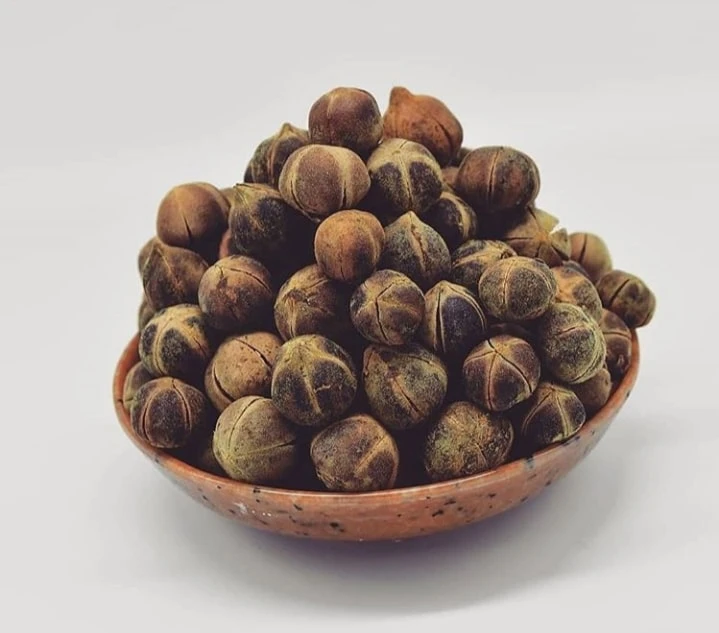
Gorontula, scientifically known as Azanza garckeana, is an indigenous African fruit that has been enjoyed and used traditionally in different parts of tropical Africa. You may also hear it called Goron Tula, Snot Apple, African Chewing Gum, Jakjak, Silky Kola, or Kola of Tula. Unlike familiar fruits such as apples, oranges, or bananas, Gorontula has a distinctive sticky or mucilaginous texture when ripe, which is one of the characteristics that makes it so memorable. The fruit belongs to the Malvaceae family, the same broad botanical family that includes plants such as hibiscus and okra. Scientific research has investigated the fruit for its nutritional composition, mineral content, phytochemicals, antioxidant properties, and traditional applications.
What makes Gorontula especially interesting is the combination of food value and traditional relevance. Researchers have identified carbohydrates, protein, fiber, minerals, amino acids, phenolic compounds, flavonoids, tannins, and other plant compounds in different analyses of the fruit. One recent analysis of an aqueous Gorontula fruit-pulp extract reported carbohydrate, protein and crude-fiber content together with potassium, sodium, magnesium, zinc and iron. However, the exact nutritional figures can differ considerably depending on the variety, growing conditions, fruit maturity, sample preparation, and laboratory method used.
That distinction matters. Gorontula is fascinating, but it should not be presented as a miracle cure or replacement for medical care. Much of the research surrounding this fruit is still based on laboratory experiments, nutritional analyses, traditional knowledge, or animal studies rather than large human clinical trials. A review of the available evidence has specifically noted that research on the nutritional and pharmacological potential of Azanza garckeana remains relatively limited and that additional research is needed.
Where Does Gorontula Come From?
Gorontula is native to tropical Africa and is associated with savanna and semi-arid environments. In Nigeria, it has a particularly strong cultural connection with Tula in Gombe State, where the fruit is traditionally harvested and consumed. The tree itself is multipurpose, and different parts of the plant have been investigated or used traditionally. Research describes Azanza garckeana as an important indigenous food and medicinal plant with a long history of traditional use.
The growing interest in Gorontula today is part of a larger conversation about African indigenous foods. For generations, many locally available fruits and plants have provided food and traditional wellness resources without receiving the same scientific attention given to imported superfoods. Gorontula is now attracting researchers because its composition includes a mixture of nutrients and naturally occurring plant compounds that may be useful in food, nutrition, and nutraceutical research. This does not mean every traditional claim has been scientifically proven, but it does make Gorontula an intriguing fruit worth studying.
Why Is Gorontula Called Snot Apple?
The name Snot Apple might make you pause the first time you hear it. Fortunately, the name has nothing to do with the fruit being dirty or unpleasant. It comes largely from the fruit's unusual mucilaginous texture. When the ripe pulp is chewed, it can feel sticky, slippery, and somewhat elastic, creating a texture that is very different from the crispness of a conventional apple. This characteristic has also contributed to names such as African Chewing Gum and Silky Kola.
Texture is more than a quirky feature here because it is part of what makes Gorontula culturally recognizable. Think of it as nature creating its own edible gum-like experience inside a fruit. The sticky consistency has also encouraged interest in the plant's natural polysaccharides and mucilage. Researchers investigating the fruit have examined its potential nutritional and industrial applications, including its possible usefulness as a source of polysaccharides and other natural compounds.
The unusual name has arguably helped Gorontula gain attention internationally, but its nutritional profile is much more interesting than the nickname suggests. Rather than focusing only on the novelty of Snot Apple, it is better to look at what the fruit actually contains and what research can—and cannot—tell us about its potential benefits.
Gorontula Nutritional Value
Gorontula has a nutritional profile that makes it an interesting addition to discussions about indigenous African fruits. Laboratory analyses have identified carbohydrates, protein, fiber, minerals and various phytochemicals, although the precise amounts vary among studies. A 2026 study examining an aqueous fruit-pulp extract reported approximately 71.71% carbohydrate, 9.29% crude protein and 7.21% crude fiber in its analyzed material, along with potassium, sodium, magnesium, zinc and iron.
Another chemical-profile study reported carbohydrates as the largest proximate component, with moderate levels of crude protein and crude fiber and smaller amounts of fat and ash. These differences demonstrate why it is difficult to give one universal "Gorontula nutrition facts" label without specifying the exact sample and testing method. One study may analyze fresh pulp, another dried fruit, another an extract, and another the seed or peel. Each preparation can produce a different nutritional result.
A separate investigation using chromatographic techniques found that Gorontula fruit contained substantial soluble sugars, including glucose, fructose and maltose, as well as ascorbic acid. The researchers also detected phenolic compounds and observed antioxidant activity in tested extracts.
Macronutrients and Dietary Fiber
Carbohydrates appear to be one of the major nutritional components of Gorontula. This makes sense because the fruit contains naturally occurring sugars that contribute to its edible and mildly sweet character. Depending on how the sample is prepared, research has reported carbohydrate levels ranging from moderate to relatively high. For people interested in whole-food nutrition, the important point is that Gorontula is a plant food containing energy-providing carbohydrates alongside other components rather than being simply a source of sugar.
Fiber is another noteworthy component. The 2026 analysis of aqueous fruit pulp reported 7.21% crude fiber, while other research has reported different values for crude fiber depending on the fruit material examined. Fiber is naturally associated with digestive health and can contribute to feelings of fullness when consumed as part of a balanced diet. It is important, however, not to confuse crude-fiber laboratory measurements directly with the dietary-fiber figure found on a modern nutrition label because analytical methods differ.
Protein is present as well. One chemical-profile analysis reported approximately 10.3% crude protein, while other studies have produced different results. Research has also identified numerous amino acids in Azanza garckeana, including essential and non-essential amino acids, adding another layer to its nutritional profile.
Vitamins and Minerals
Gorontula's mineral content is one of the areas researchers have examined closely. A recent analysis of fruit-pulp extract identified potassium, sodium, magnesium, zinc and iron, with potassium showing the highest measured value among the listed minerals in that particular sample.
Earlier research has also investigated the elemental composition of the fruit and other plant parts. Because mineral concentrations can vary based on soil, climate, geography, plant maturity and laboratory methodology, these findings should be viewed as research measurements rather than a universal nutrition label for every Gorontula fruit.
Research has also identified ascorbic acid, commonly known as vitamin C, in Gorontula fruit. A chromatographic study specifically detected and quantified ascorbic acid alongside glucose, fructose and maltose.
Rather than thinking of Gorontula as a single "super nutrient," it is more useful to see it as a diverse plant food that can contribute different nutrients and naturally occurring compounds to the diet.
Natural Compounds Found in Gorontula
The nutritional story of Gorontula does not end with carbohydrates, fiber, minerals and vitamins. The fruit contains phytochemicals, which are naturally occurring compounds produced by plants. These compounds are not necessarily essential nutrients in the same way as protein, vitamins or minerals, but researchers are interested in them because many have biological activity in laboratory studies.
Studies of Azanza garckeana have identified several phytochemical groups, including phenols, flavonoids, tannins, alkaloids and saponins. A recent aqueous fruit-pulp study detected alkaloids, saponins, tannins and flavonoids, while phenols, glycosides and flavonoids were also quantified.
Phenols, Flavonoids and Tannins
Phenolic compounds are particularly interesting because they can participate in antioxidant activity. A study examining different parts of Gorontula found the fruit pulp had the highest measured total phenolic content among the tested fruit components, with the exact value depending on the analytical method used.
Another investigation detected compounds such as quercetin, rutin, gallic acid and tannic acid in the fruit. These compounds are widely studied in plant foods because of their antioxidant and other biological activities.
This is where it is important to separate laboratory findings from health claims. Finding a compound with antioxidant activity does not automatically mean eating the fruit will prevent a particular disease. It simply means researchers have identified compounds worth investigating further.
Potential Benefits of Gorontula
Gorontula's potential benefits are best understood as a combination of its nutritional contribution and plant compounds, rather than as a cure for specific medical conditions. Traditional communities have used the fruit and other plant parts for various purposes, while modern research has explored antioxidant, antimicrobial, anti-inflammatory and other biological activities in laboratory and animal models.
Antioxidant Support
One of the most researched properties of Gorontula is its antioxidant potential. In laboratory testing, extracts of the fruit demonstrated the ability to scavenge DPPH free radicals, with activity increasing at certain extract concentrations. Another study found phenolic compounds and antioxidant activity in the fruit.
Antioxidants are commonly discussed because oxidative stress involves reactive molecules that can damage cellular components. Fruits and vegetables naturally contain numerous compounds associated with antioxidant activity, so including a variety of plant foods in the diet is generally more useful than becoming fixated on one particular fruit.
Gorontula adds another African plant food to that diversity. Its phenols, flavonoids and other compounds make it scientifically interesting, but more human research is required before specific therapeutic claims can be made.
Digestive and Fiber Support
Gorontula contains measurable crude fiber, while its naturally mucilaginous pulp gives the fruit its characteristic sticky texture. Fiber is an important part of a balanced diet because it contributes to normal digestive function and can support satiety.
It is tempting to turn this into an exaggerated "detox" claim, but there is no need to do that. The simpler explanation is often the better one: foods containing fiber can contribute to a diet that supports normal digestive health. Gorontula can therefore be considered alongside other fruits, vegetables, legumes, nuts, seeds and whole grains as part of a varied eating pattern.
General Nutritional Support
The combination of carbohydrates, protein, fiber, minerals, amino acids and plant compounds gives Gorontula an interesting nutritional profile. Research has identified potassium, magnesium, zinc and iron in analyzed samples, while other studies have detected vitamin C and several amino acids.
That diversity is one reason indigenous fruits deserve more attention. You do not need every food you eat to be a "superfood." Sometimes the real value comes from variety. Adding different fruits and plant foods means your overall diet can contain a broader range of nutrients and naturally occurring compounds.
Traditional Uses of Gorontula
Traditional use is an important part of Gorontula's story. Azanza garckeana has been used in traditional African wellness practices for generations, and researchers have documented numerous traditional applications involving different parts of the plant. Reported traditional uses include applications related to cough, pain, reproductive concerns, menstrual issues, infections and liver-related complaints.
These traditional uses help explain why modern researchers became interested in the plant. At the same time, traditional use should not automatically be interpreted as proof that the fruit treats a medical condition. Traditional knowledge can provide valuable clues for scientific investigation, but clinical research is needed to establish effectiveness, dosage, interactions and safety for specific health conditions.
Gorontula and Traditional Wellness Practices
Gorontula is particularly well known in conversations surrounding women's wellness and sexual health, which has contributed significantly to its modern popularity. However, many of the popular claims circulating online go beyond what has been established in high-quality human research. Consumers should therefore distinguish between traditional use, preliminary research and clinically demonstrated benefits.
The scientific literature does provide interesting experimental findings. For example, research has investigated antioxidant, antimicrobial, anti-inflammatory and analgesic properties of Gorontula extracts, while animal research has explored reproductive effects.
These studies are valuable, but animal and laboratory findings cannot automatically be translated into guaranteed effects in humans.
Gorontula for Women's Wellness
Gorontula is frequently marketed and discussed as a traditional women's wellness fruit. Some traditional uses and modern commercial descriptions associate it with natural lubrication, libido and reproductive wellness. These claims are part of the cultural and commercial story surrounding Gorontula, but they should be approached carefully because human clinical evidence remains limited.
Research on Azanza garckeana has investigated reproductive-related effects in experimental models, including animal studies. One study examining rabbits reported findings related to reproductive toxicity caused by bisphenol A and the effects of Gorontula extract in that experimental setting. This is interesting scientific evidence, but it should not be interpreted as proof that Gorontula will produce the same results in women.
For someone interested in Gorontula as a wellness food, the most responsible approach is to appreciate its nutritional and traditional value while avoiding exaggerated promises. If you are pregnant, breastfeeding, taking prescription medication, managing a medical condition, or experiencing persistent reproductive or sexual-health symptoms, professional medical advice should come before using concentrated herbal preparations.
Gorontula and Men's Wellness
Men have also shown interest in Gorontula because of its traditional reputation for supporting vitality and sexual wellness. Online discussions sometimes describe it as an aphrodisiac or natural libido enhancer. While traditional use is an important part of the fruit's history, the available scientific evidence does not justify presenting Gorontula as a proven treatment for erectile dysfunction, infertility, low testosterone, or other diagnosed medical conditions.
Research has explored the plant's biological activity, including experimental work involving reproductive parameters in animals. Such studies can help scientists understand whether a plant contains compounds worthy of further investigation, but human clinical trials remain the stronger standard for determining whether a particular benefit actually occurs in people.
The sensible way to approach Gorontula is therefore as an African traditional food and botanical ingredient with promising preliminary research, rather than a guaranteed performance enhancer. A balanced diet, regular physical activity, adequate sleep and appropriate medical care remain much more important foundations of men's overall wellness.
How to Use Gorontula
Traditionally, Gorontula may be consumed as a fruit, while modern products can make it available in forms such as powder. The best choice depends on your preference and how you intend to incorporate it into your routine. Fresh fruit provides the traditional experience, while powder can be easier to measure and incorporate into everyday foods and drinks.
If you are using Gorontula powder, it can be added to smoothies or other foods according to the product's recommended serving instructions. Because powdered products can vary in concentration and preparation, it is important to follow the manufacturer's directions rather than assuming that a tablespoon of one product is equivalent to a tablespoon of another.
The key is consistency and moderation. Gorontula does not need to dominate your wellness routine to be useful as a plant-based ingredient. Think of it as one piece of a much larger nutritional puzzle.
Gorontula Powder vs. Fresh Fruit
| Feature | Fresh Gorontula | Gorontula Powder |
|---|---|---|
| Traditional experience | Closest to traditional fruit consumption | More processed |
| Convenience | Requires access to fresh fruit | Easy to store and use |
| Preparation | Ready to consume after appropriate preparation | Can be mixed into foods or drinks |
| Portion control | Depends on fruit size | Usually easier to measure |
| Availability | Can be seasonal | Often available year-round |
| Storage | Shorter shelf life | Generally more convenient for storage |
Fresh Gorontula offers the experience of eating the fruit in its traditional form, including its distinctive sticky texture. Powder, on the other hand, is particularly convenient for people who want to incorporate Gorontula into a modern wellness routine without needing access to fresh fruit. Whichever form you choose, quality and appropriate storage matter.
Is Gorontula Safe?
Gorontula has a history of traditional food and wellness use, and experimental studies have investigated its safety. One animal study reported no toxic signs or mortality in rabbits given tested oral doses of an Azanza garckeana extract, although animal safety findings cannot establish complete safety for humans.
Another important consideration is that food use and concentrated extracts are not necessarily equivalent. A person eating a traditional serving of fruit is not necessarily exposed to the same concentration of compounds found in a laboratory extract. This is why caution is especially appropriate with concentrated supplements.
If you have an existing health condition, are pregnant or breastfeeding, or take medication regularly, speak with a qualified healthcare professional before adding concentrated Gorontula preparations to your routine. Stop using a product if you experience an unexpected reaction and seek appropriate medical advice.
What Does Scientific Research Say About Gorontula?
The scientific picture is promising but incomplete. Researchers have documented nutritional components, minerals, amino acids and phytochemicals in Azanza garckeana, while laboratory experiments have demonstrated antioxidant and other biological activities.
One study found that Gorontula fruit was rich in soluble sugars and contained glucose, fructose, maltose and ascorbic acid. It also detected phenolic compounds and reported antioxidant activity in laboratory assays. Another investigation found measurable phenolic content in the pulp, seed and seed coat.
What remains missing is extensive human clinical research. A scientific review specifically concluded that experimental reports on the nutritional and pharmacological potential of Gorontula are still sparse and called for more research.
That distinction is crucial for responsible wellness content. Gorontula can be described as a nutrient-containing African fruit with interesting phytochemicals and promising preliminary research. It should not be described as a clinically proven cure for disease.
Who May Want to Add Gorontula to Their Routine?
Gorontula may appeal to people who enjoy exploring traditional African foods, indigenous fruits and plant-based ingredients. It can also be interesting for people who want greater variety in their diet and are curious about foods that contain naturally occurring fiber, minerals, amino acids and phytochemicals.
People looking for a convenient way to incorporate Gorontula may prefer a powdered form. This can make it easier to add the ingredient to smoothies or other foods without sourcing fresh fruit. However, it should complement—not replace—a varied diet.
The biggest takeaway is simple: you do not need to believe every claim surrounding a traditional fruit to appreciate it. Gorontula is already interesting because of its history, distinctive texture, nutritional composition and growing body of scientific research.
How to Choose Quality Gorontula
When purchasing Gorontula products, look for a reputable seller that clearly identifies the ingredient as Azanza garckeana. Product labeling should provide useful information about the form of the product, ingredients, serving guidance, storage instructions and other relevant details.
Quality also means knowing what you are buying. A pure Gorontula powder is different from a blend containing multiple herbs, and a fruit powder is different from a concentrated extract. Reading the label carefully helps you understand the product rather than relying solely on marketing language.
For wellness products, transparency matters. Choose products from established sellers and follow the recommended directions on the packaging.
Shop Gorontula at Behalal Organics
If you are ready to explore this distinctive African fruit, Gorontula is available at Behalal Organics. The product range gives customers an opportunity to incorporate this traditional botanical into a modern wellness routine in a convenient form.
Shop Gorontula at Behalal Organics
Whether you know it as Gorontula, Goron Tula, Snot Apple, African Chewing Gum, Silky Kola, or Azanza garckeana, this unique fruit has a story that stretches from traditional African food culture to modern scientific research. Its nutritional composition and phytochemical profile make it worth exploring, while its traditional uses provide an important cultural context.
As with any herbal product, choose quality, follow the recommended serving instructions, and avoid treating a supplement as a substitute for professional medical care.
Conclusion
Gorontula, or Azanza garckeana, is much more than an unusual fruit with a memorable nickname. Its combination of carbohydrates, protein, fiber, minerals, amino acids, vitamin C and naturally occurring phytochemicals gives it a fascinating nutritional profile. Research has identified compounds such as phenols, flavonoids and tannins and has demonstrated antioxidant activity in laboratory testing.
At the same time, Gorontula deserves a balanced conversation. Traditional use is extensive, but scientific evidence for many specific health claims remains preliminary. Laboratory and animal studies can provide important clues, yet they cannot replace well-designed human clinical trials.
The most sensible way to view Gorontula is as a nutrient-containing traditional African fruit with an intriguing phytochemical profile and promising areas for further research. If you want to discover this unique botanical for yourself, you can explore Gorontula products available at Behalal Organics.
Frequently Asked Questions About Gorontula
1. What is Gorontula?
Gorontula is the fruit of Azanza garckeana, a tropical African plant in the Malvaceae family. It is also known as Goron Tula, Snot Apple, African Chewing Gum, Jakjak and Silky Kola.
2. What nutrients are found in Gorontula?
Research has identified carbohydrates, protein, fiber, minerals and amino acids in Gorontula. Studies have also detected potassium, sodium, magnesium, zinc, iron and ascorbic acid, although nutritional values can vary between samples and analytical methods.
3. Why is Gorontula called Snot Apple?
The nickname refers to the fruit's distinctive sticky and mucilaginous texture when ripe. Its unusual consistency has also contributed to the name African Chewing Gum.
4. Does Gorontula have antioxidant properties?
Laboratory studies have found antioxidant activity in Gorontula extracts and identified phenolic and flavonoid compounds associated with antioxidant activity. However, laboratory antioxidant results do not prove that Gorontula treats or prevents a particular disease in humans.
5. Where can I buy Gorontula?
Gorontula products are available from Behalal Organics, where customers can explore this traditional African botanical in a convenient modern format.
Explore Popular Articles
-
10 Potential Benefits of Bitter Kola You Should Know
6th Oct 2026Bitter kola, scientifically known as Garcinia kola, is one of those traditional West African foods t
-

5 Breakfast Ideas You Can Pair With Irish Sea Moss Gel
5th Oct 2026Article Outline H1: 5 Breakfast Ideas You Can Pair With Irish Sea Moss Gel H2: Why Irish Sea Moss
-

Yemen Sidr Honeycomb: Benefits, Uses, and What Makes It Special
1st Oct 2026Article Outline H1: Yemen Sidr Honeycomb: Benefits, Uses, and What Makes It Special H2: What Is