
Gorontula Nutrition Facts: Vitamins, Minerals & Natural Compounds
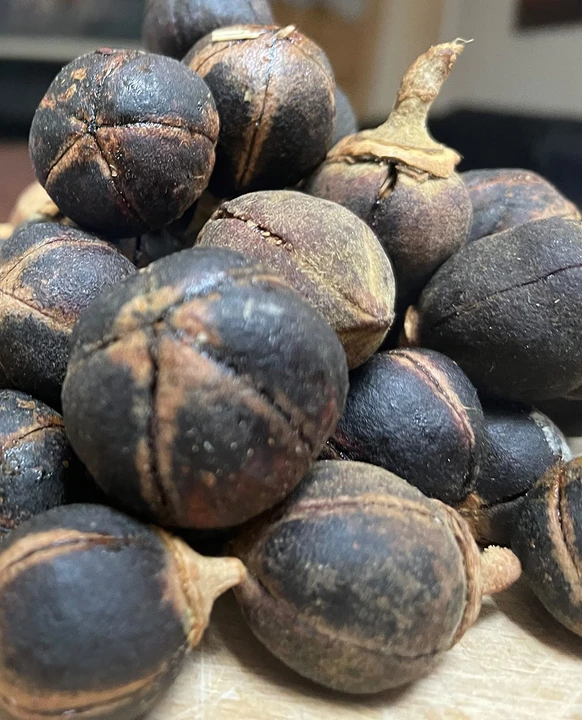
Have you ever come across a fruit that seems almost ordinary at first glance, yet has an unusually interesting nutritional and phytochemical profile? Gorontula, scientifically known as Azanza garckeana, is one of those African fruits. Also known by names such as Goron Tula, Snot Apple, African Chewing Gum, Jakjak, and Silky Kola, this indigenous fruit has attracted growing interest because of its combination of nutrients and naturally occurring plant compounds. It has a particularly distinctive sticky or mucilaginous texture, which is one reason it has traditionally been enjoyed as a food as well as incorporated into local wellness practices. Research has identified nutrients including protein, carbohydrates, fiber, minerals and several classes of phytochemicals in different parts or preparations of the plant.
But what exactly makes Gorontula nutritionally interesting? Is it really a source of vitamins and minerals, or is its reputation mainly connected to traditional use? The answer requires a little nuance. Scientific studies have examined Azanza garckeana fruit, pulp, seeds, leaves and extracts, and the reported composition can vary substantially depending on the plant part, growing conditions, extraction method and laboratory technique. One recent study of aqueous fruit-pulp extract reported carbohydrate, crude protein and fiber alongside potassium, sodium, magnesium, zinc and iron, while other research has identified vitamin compounds and a broad collection of phytochemicals.
This article takes a closer look at Gorontula nutrition facts, focusing on vitamins, minerals, macronutrients, fiber, amino acids, antioxidants and other natural compounds. Rather than presenting Gorontula as a miracle food, the goal is to understand what researchers have actually found and why this traditional African fruit continues to attract attention.
What Is Gorontula?
Gorontula is the fruit of Azanza garckeana, a tropical African plant belonging to the Malvaceae family. In Nigeria, the fruit is strongly associated with communities in the northeastern part of the country, including Tula in Gombe State. Research describes it as an indigenous edible fruit that has been used as food and in traditional practices for generations. Its popularity comes partly from its unusual texture: when mature, the fruit can have a sticky, somewhat mucilaginous consistency that has inspired names such as African Chewing Gum and Snot Apple.
The fruit is more than an interesting traditional food. Researchers have investigated its nutritional composition, mineral content, amino-acid profile and phytochemical constituents. A study published on the nutritional and elemental composition of Azanza garckeana reported protein, fiber, lipid, ash and moisture in the fruit, alongside vitamins and a variety of mineral elements. The same research identified 17 amino acids across the fruit and leaves, including essential, semi-essential and non-essential amino acids.
That does not mean Gorontula should replace a balanced diet. Think of it more like adding another interesting ingredient to a nutritional toolbox. Whole fruits, vegetables, legumes, grains, nuts and seeds each contribute different nutrients, and Gorontula is one of the indigenous African foods that can contribute to dietary diversity. Its nutritional appeal becomes even more interesting when you look beyond vitamins and minerals at its phenols, flavonoids, tannins, saponins and other plant compounds.
Gorontula’s Botanical Identity and African Heritage
The scientific identity matters because common names can sometimes create confusion. Gorontula is generally identified in research as Azanza garckeana, although some newer literature may use taxonomic synonyms or related classifications. Studies describe the plant as an indigenous African food and medicinal plant with a distribution extending across several African countries.
Its traditional importance also provides useful cultural context. Indigenous fruits often survive because communities recognize their practical value long before modern nutritional databases catch up. Gorontula has historically been eaten and incorporated into traditional practices, while today it is increasingly appearing in modern herbal products and wellness markets. That transition makes it especially important to distinguish traditional use, nutritional composition and clinically established health effects, because these are three different things.
Gorontula Nutrition at a Glance
There is no single universally accepted nutrition label for Gorontula because published studies have analyzed different samples and preparations. For example, one recent investigation of aqueous fruit-pulp extract reported approximately 71.71% carbohydrate, 9.29% crude protein and 7.21% crude fiber in its tested sample, with potassium being the most abundant of the measured minerals. The same study reported sodium, magnesium, zinc and iron, while calcium was not detected in that particular aqueous extract.
An older nutritional analysis produced a different profile, reporting approximately 12% crude protein and 20.75% crude fiber in fruit material. It also found vitamins A, B1, B2, C and E in the fruits and leaves. These differences are not necessarily contradictory: nutrient measurements can change according to whether researchers test fresh fruit, dried fruit, pulp, seeds, leaves or an extract, as well as the analytical method used.
| Nutritional component | What research has reported | Why it matters |
|---|---|---|
| Carbohydrates | Present in substantial amounts in tested fruit-pulp samples | Main source of dietary energy |
| Protein | Detected in fruit and plant material | Provides amino acids |
| Fiber | Detected in fruit samples | Important for digestive health |
| Vitamin C | Reported in Gorontula research | Contributes to normal immune and collagen functions |
| Vitamin A-related compounds | Reported in nutritional analyses | Important for normal vision and immune function |
| Vitamin E | Reported in some analyses | Functions as an antioxidant nutrient |
| Potassium | Detected in fruit-pulp studies | Important for normal muscle and nerve function |
| Magnesium | Detected in fruit-pulp studies | Involved in numerous metabolic processes |
| Iron | Detected in analyzed samples | Needed for normal oxygen transport |
| Zinc | Detected in some fruit-pulp analyses | Supports normal immune and cellular functions |
| Phenols | Consistently investigated and detected | Plant compounds associated with antioxidant activity |
| Flavonoids | Reported in phytochemical analyses | Bioactive plant compounds with antioxidant potential |
The table should be viewed as a research overview rather than a standardized nutrition label. The exact amount of each nutrient in a serving of Gorontula depends on the material being consumed and how it has been processed. That distinction is particularly important when comparing fresh fruit with powders, extracts or capsules.
Macronutrients and Dietary Components
Gorontula contains more than micronutrients. Research has identified carbohydrates, protein and fiber, meaning the fruit contributes several basic nutritional components. A 2026 study of aqueous fruit-pulp extract found carbohydrates to be the largest proximate component in its analyzed sample, followed by crude protein and crude fiber.
The presence of protein is particularly interesting because fruit is not normally the first food category people associate with protein. Gorontula is not a replacement for concentrated protein sources such as beans, lentils, eggs, fish or nuts, but its reported amino-acid content makes it an intriguing indigenous food from a nutritional research perspective. Earlier analysis identified 17 amino acids in fruit and leaves, including seven essential amino acids.
Fiber adds another layer to the nutritional picture. The naturally sticky texture of Gorontula is related to mucilaginous material, and research has also reported measurable crude fiber in the fruit. Fiber is valuable because it contributes to normal digestive function and can form part of a dietary pattern that includes plenty of plant foods. Rather than thinking of Gorontula as a single-food solution, it makes more sense to see it as one potentially useful component of a varied, plant-rich diet.
Vitamins Found in Gorontula
When discussing Gorontula nutrition facts, vitamins deserve special attention because earlier research has reported several vitamins in the fruit and leaves. A nutritional evaluation of Azanza garckeana reported vitamins A, B1, B2, C and E, with the fruit showing higher quantities than some other plant parts tested.
Vitamin C is particularly interesting because other research has specifically identified ascorbic acid among the compounds present in Gorontula. Vitamin C is an essential nutrient involved in normal immune function, collagen formation, iron absorption and protection of cells from oxidative stress. However, it is important not to turn the presence of vitamin C into exaggerated claims about preventing or treating disease. A food can contain a nutrient without functioning like a medicine.
Vitamin A and vitamin E also contribute to the nutritional story. Vitamin A is important for normal vision and immune function, while vitamin E acts as an antioxidant nutrient that helps protect cells from oxidative damage. B vitamins such as thiamine and riboflavin participate in energy metabolism and other physiological processes. Because published studies have used different plant materials and laboratory methods, the available evidence is better used to establish that these nutrients can occur in Azanza garckeana rather than to claim a precise daily percentage without a standardized serving-size analysis.
Vitamin C and Other Reported Vitamins
One reason vitamin C gets attention in Gorontula research is that ascorbic acid has been identified among its natural constituents. A study using chromatographic and spectroscopic techniques identified ascorbic acid along with sugars and phenolic compounds in Jakjak fruit.
Still, nutrition is rarely about one nutrient acting alone. Vitamin C works within a broader dietary pattern, and the same principle applies to Gorontula. Its reported combination of vitamins, minerals, fiber and phytochemicals makes it nutritionally interesting precisely because it is a complex plant food rather than an isolated vitamin source.
If you are considering Gorontula as part of your diet, therefore, the sensible approach is variety. Pair indigenous fruits with vegetables, whole grains, legumes, nuts, seeds and other fruits rather than expecting one food to provide everything your body needs. Gorontula can be an interesting addition to that bigger picture.
Minerals in Gorontula
Minerals are another important part of the Gorontula nutrition profile. Researchers have detected several minerals in different analyses of the fruit, including potassium, sodium, magnesium, zinc and iron. Earlier studies also reported calcium and phosphorus among the mineral components associated with the fruit.
One recent 2026 study is especially useful because it provided numerical mineral measurements for its tested aqueous fruit-pulp extract. Potassium had the highest reported value at approximately 56.10, followed by sodium at 20.10, magnesium at 8.84, zinc at 7.58 and iron at 5.11, with the values reported by the researchers in their analytical units. Calcium was not detected in that particular sample.
These findings should not be interpreted as a universal mineral label for every Gorontula fruit. Different soil conditions, maturity, cultivation location, plant part and extraction technique can change nutrient concentrations. Still, the repeated identification of mineral elements supports the idea that Gorontula is worth studying as an indigenous nutritional resource.
Potassium, Magnesium, Iron and Other Minerals
Potassium is particularly noteworthy because it was the highest measured mineral in the recent aqueous fruit-pulp study. Potassium is an essential electrolyte involved in normal nerve signaling, muscle contraction and fluid balance. Magnesium contributes to hundreds of biochemical reactions in the body, while iron is essential for hemoglobin and normal oxygen transport. Zinc has roles in immune function, DNA synthesis and normal cell division.
The practical lesson is simple: Gorontula contributes a mixture of minerals rather than one magical mineral. Its value is best understood in the context of the overall diet. If your meals already contain vegetables, beans, whole grains, nuts and seeds, those foods collectively contribute minerals too. Gorontula can add nutritional variety, but it should not be treated as a substitute for a balanced eating pattern or as a treatment for mineral deficiency.
Natural Antioxidant Compounds
Perhaps the most scientifically interesting part of Gorontula is not its vitamin content at all. It is the collection of natural phytochemicals researchers have detected in the plant. Studies have identified phenols, flavonoids, tannins, saponins, alkaloids, carotenoids and other compounds in different parts and extracts of Azanza garckeana.
Phenolic compounds are particularly important because they are widely studied for their antioxidant properties. In one investigation of Nigerian-grown Gorontula, phenols were the most abundant phytochemical category measured in both methanol and ethyl-acetate extracts. The researchers also observed antioxidant activity in laboratory assays.
This is where it is useful to understand the difference between antioxidant activity in a laboratory test and a proven health outcome in humans. An extract that scavenges radicals in a test tube is scientifically interesting, but it does not automatically mean that eating the fruit prevents a particular disease. The evidence supports further research, not sweeping medical promises.
Phenols and Flavonoids
Flavonoids are another group of plant compounds that appear in Gorontula research. A recent study of fruit pulp identified several flavonoid compounds, including butein, genistein and daidzein, with concentrations differing between pulp and seed samples. The researchers found more of several of these compounds in the pulp than in the seeds.
Phenols and flavonoids are often described as antioxidant compounds because of their chemical behavior. They are part of the plant's own defense system and can contribute to the color, flavor and biological characteristics of plant foods. Gorontula's phytochemical diversity is therefore one reason scientists continue to investigate it as a potential nutraceutical ingredient.
Alkaloids, Tannins and Saponins
Gorontula's natural chemistry does not stop at vitamins and flavonoids. Researchers have also reported alkaloids, tannins and saponins in the fruit. A 2026 analysis of aqueous fruit-pulp extract reported saponins at 3.16%, alkaloids at 2.51% and tannins at 1.27%, while phenols, glycosides and flavonoids were also detected.
These compounds are often discussed in nutritional and botanical research because they can have biological activity. Tannins, for example, are polyphenolic compounds commonly found in fruits, tea and other plants. Saponins are another broad group of naturally occurring compounds that occur throughout the plant kingdom. Alkaloids encompass a chemically diverse family of compounds found in many edible and medicinal plants.
At the same time, natural does not automatically mean risk-free or universally beneficial. The amount and effect of a compound depend on dose, preparation, individual circumstances and interactions with other substances. That is why research into Gorontula's phytochemistry remains valuable, particularly as the fruit moves from traditional food use into concentrated powders and supplements.
Fiber and the Mucilaginous Nature of Gorontula
Have you ever eaten something that feels almost slippery or gelatinous in your mouth? That unusual sensation is part of Gorontula's identity. Its pulp has a naturally mucilaginous character, which contributes to the fruit's famous sticky texture. This has helped give it nicknames such as African Chewing Gum and Snot Apple, although those names do not fully capture its nutritional qualities.
Research has also measured crude fiber in Gorontula. The 2026 aqueous fruit-pulp study reported 7.21% crude fiber in its analyzed sample, while an earlier nutritional investigation reported a higher crude-fiber figure for fruit material.
Fiber is an important part of a healthy dietary pattern because it supports normal bowel function and contributes to satiety. However, crude-fiber measurements from laboratory analyses should not automatically be treated as identical to the dietary-fiber number on a modern nutrition label. The terminology and analytical methods can differ. Even so, the available evidence supports Gorontula as a plant food containing meaningful fibrous material, making it an interesting option for people seeking more diversity in their plant-based foods.
Amino Acids and Protein
Protein may not be the first thing that comes to mind when you think about fruit, but Gorontula has an interesting amino-acid story. An earlier nutritional study identified 17 amino acids in the fruit and leaves of Azanza garckeana, including seven essential amino acids, two semi-essential amino acids and eight non-essential amino acids.
Amino acids are the building blocks used to make proteins throughout the body. Essential amino acids are particularly important because the body cannot synthesize enough of them and they therefore need to come from food. That does not mean Gorontula is a high-protein food in the same category as legumes, eggs or meat, but its amino-acid profile adds another interesting dimension to its nutritional composition.
The fruit's reported protein content also varies between studies. One investigation found approximately 9.29% crude protein in an aqueous fruit-pulp sample, while an earlier analysis reported approximately 12% crude protein in the fruit. The variation reinforces an important point: nutritional values should be interpreted according to the exact sample and preparation tested.
Carbohydrates and Natural Sugars
Carbohydrates form another major component of Gorontula. A recent study reported approximately 71.71% carbohydrate in its aqueous fruit-pulp sample, while other research has described Gorontula as rich in soluble sugars. A chromatographic study identified sugars including glucose, maltose and fructose, along with ascorbic acid and phenolic compounds.
Carbohydrates are not automatically unhealthy. They are one of the body's primary energy sources, and naturally occurring carbohydrates in whole plant foods come packaged with other components such as water, fiber and phytochemicals. The bigger nutritional question is the overall dietary pattern and the form in which a food is consumed.
This distinction becomes especially important when comparing whole fruit with processed products. A fresh fruit, dried fruit, powder, syrup or sweetened formulation can have very different carbohydrate concentrations per serving. If you are buying a Gorontula product, check the ingredient list and serving information rather than assuming that every product has the same nutritional profile as fresh fruit.
How Gorontula Nutrition Compares With Common Fruits
It is tempting to ask whether Gorontula is a superfruit that beats familiar fruits such as oranges, bananas, apples or mangoes. That comparison is difficult because standardized nutrition data for Gorontula are much less developed than for widely consumed commercial fruits. Researchers have used different plant parts, extraction solvents and sample preparations, so placing Gorontula side-by-side with conventional fruit using a single standardized serving would risk creating a misleading comparison.
What can reasonably be said is that Gorontula has a distinctive combination of nutritional and phytochemical characteristics. Research has reported vitamins, minerals, fiber, protein, amino acids, carbohydrates, phenolic compounds, flavonoids, tannins, saponins and alkaloids. That breadth is part of what makes the fruit interesting.
Rather than asking whether Gorontula is "better" than another fruit, a more useful question is: What does it add to dietary diversity? Indigenous fruits can introduce nutrients and plant compounds that people may not encounter regularly in conventional Western-style diets. Gorontula's value therefore lies partly in its uniqueness and cultural importance, not simply in winning a nutritional competition.
Why the Nutritional Profile Matters
The nutritional profile of Gorontula matters because indigenous foods can be overlooked when people focus only on globally marketed superfoods. A fruit does not need a trendy label to be nutritionally interesting. Gorontula has been part of African food traditions for generations, and modern research is beginning to characterize the nutrients and compounds that make the plant distinctive.
There is also a bigger food-system lesson here. Indigenous fruits can contribute to dietary diversity and may have local economic importance for communities that grow, harvest, process and sell them. Research has described Gorontula as an important edible indigenous fruit in northeastern Nigeria, particularly around Tula and neighboring areas.
From a wellness perspective, this means you can appreciate Gorontula without making exaggerated claims about it. Its vitamins and minerals contribute to its nutritional appeal, while its phytochemicals make it interesting from a research standpoint. When these characteristics are combined with a varied diet, adequate hydration, sleep, movement and other healthy habits, Gorontula can occupy a reasonable place in a broader wellness routine.
Fresh Fruit, Powder and Supplement Forms
Gorontula can be encountered in different forms, including fresh or dried fruit, powders, syrups, extracts and capsules. These forms are not nutritionally interchangeable. Processing can concentrate certain compounds, remove water, change the amount consumed at once or introduce additional ingredients. A powder may therefore provide a different concentration per spoonful than the original fresh fruit.
This is especially relevant when shopping for herbal products. A capsule containing Gorontula is not necessarily equivalent to eating a whole fruit, because the capsule may contain a measured amount of powdered or extracted material. Likewise, a syrup may contain other ingredients that affect its nutritional profile.
The safest approach is to read the product label carefully and follow the manufacturer's directions. Look for the botanical name Azanza garckeana, the amount per serving, ingredient information and storage instructions. If you have a medical condition, take prescription medicines, are pregnant or breastfeeding, or are considering concentrated herbal products for a child, professional guidance is appropriate before use.
Choosing Gorontula From a Trusted Source
As Gorontula becomes more popular, product quality becomes increasingly important. A good-quality herbal product should clearly identify the ingredient, provide useful product information and avoid making unsupported promises. Ideally, consumers should be able to tell exactly what they are purchasing rather than being presented with vague claims about a mysterious "miracle fruit."
If you are shopping for Gorontula, pay attention to the form, ingredients, serving size and sourcing information. If the product is a powder, check that you are buying Gorontula rather than a blend in which Gorontula is only a small component. If it is a capsule or extract, understand how much of the ingredient is provided per serving.
Behalal Organics offers Gorontula products for customers interested in incorporating this traditional African fruit into their wellness routines. The brand's own information describes Gorontula as Azanza garckeana and discusses its nutritional and phytochemical characteristics.
How to Add Gorontula to a Wellness Routine
Adding Gorontula to your routine does not have to be complicated. If you are using a food form, you can think of it as one more plant ingredient rather than a replacement for meals. If you are using a powder or supplement, follow the serving instructions on the specific product instead of assuming that more is better. Concentrated herbal products can deliver different amounts of plant compounds than ordinary food portions.
The key is consistency with the fundamentals. Gorontula cannot compensate for a diet dominated by highly processed foods, inadequate sleep or a sedentary lifestyle. What it can do is add another culturally significant plant ingredient to a varied diet. Its reported vitamin, mineral, fiber and phytochemical content makes that addition nutritionally interesting.
For people exploring African superfoods, Gorontula can also be an opportunity to expand beyond the usual list of globally marketed ingredients. Instead of focusing only on whether a food is trendy, ask better questions: Where does it come from? What does research say about its composition? How is it traditionally consumed? How is the modern product processed? Those questions lead to a much more informed wellness routine.
What Current Research Says About Gorontula
The research picture surrounding Gorontula is promising but still developing. A review of the nutraceutical potential of Azanza garckeana concluded that experimental reports concerning its nutritional and pharmacological potential remain relatively sparse and that additional research is needed. This is an important reality to keep in mind when reading bold claims online.
Recent studies are adding useful information. A 2026 study analyzed the proximate composition, phytochemistry and mineral content of aqueous fruit-pulp extract, identifying carbohydrates, protein, fiber and several minerals alongside alkaloids, saponins, tannins, phenols, glycosides and flavonoids. Other research has examined specific bioactive compounds and found phenolic and flavonoid constituents in fruit material.
That growing evidence base makes Gorontula worth studying, but it does not justify calling it a cure for disease. Much of the research remains laboratory-based, observational or focused on chemical composition rather than large human clinical trials. The smartest interpretation is therefore balanced: Gorontula has a genuinely interesting nutritional and phytochemical profile, but more human research is needed to establish specific health effects.
Important Considerations Before Using Gorontula
Gorontula can be part of a food-based wellness approach, but responsible use still matters. First, remember that different products can have very different concentrations. Fresh fruit, dried pulp, powder, extract and syrup should not automatically be treated as equivalent. Second, traditional use is valuable cultural knowledge, but traditional use alone does not establish that a product can prevent, diagnose or treat a medical condition.
Another consideration is individual tolerance. If you have never consumed Gorontula before, introducing a small amount of a food product allows you to observe how your body responds. For concentrated supplements, follow the manufacturer's recommended serving rather than experimenting with large quantities.
Finally, anyone taking medicines or managing a medical condition should discuss concentrated herbal products with a qualified healthcare professional. This is particularly important when products are marketed for specific physiological effects. Nutritional foods and herbal supplements can be useful additions to a lifestyle, but they should complement—not replace—appropriate medical care.
Gorontula Available at Behalal Organics
For anyone interested in exploring this traditional African fruit, Gorontula is available at Behalal Organics. The brand provides Gorontula products for customers looking for convenient ways to incorporate Azanza garckeana into their wellness routines.
What makes Gorontula particularly appealing is its combination of history and modern nutritional interest. It is not simply another trendy ingredient created for the supplement industry. It is an indigenous African fruit with a long history of food and traditional use, and researchers are now examining its nutritional composition and naturally occurring compounds in greater detail.
If you decide to try Gorontula, choose the product form that fits your routine and always check the product's ingredients and directions. The goal should not be to chase exaggerated "miracle" claims. Instead, enjoy Gorontula for what the evidence currently supports: an intriguing plant food containing carbohydrates, fiber, protein, minerals, vitamins and diverse phytochemicals.
Conclusion
Gorontula nutrition facts reveal a fascinating African fruit with much more to offer than its unusual sticky texture and memorable names. Research has identified vitamins including A, B1, B2, C and E in fruit and plant material, while mineral analyses have reported nutrients such as potassium, magnesium, iron, zinc and sodium. Studies have also identified protein, fiber, carbohydrates and a range of amino acids.
Perhaps the most interesting aspect is Gorontula's natural phytochemistry. Phenols, flavonoids, tannins, saponins, alkaloids and other plant compounds have been detected in different analyses, giving researchers plenty of reasons to continue investigating the fruit.
The important takeaway is balance. Gorontula is not a magic cure, and current scientific evidence does not justify replacing medical treatment with it. But as a traditional African fruit with a diverse nutritional and phytochemical profile, it deserves a place in conversations about indigenous foods, dietary diversity and natural wellness.
If you're curious to explore it for yourself, Gorontula is available at Behalal Organics, giving you a convenient way to add this distinctive African botanical to your wellness collection.
Frequently Asked Questions
1. What is Gorontula?
Gorontula is the fruit of Azanza garckeana, an indigenous African plant also known by names such as Goron Tula, Snot Apple, Jakjak and African Chewing Gum. It has traditionally been consumed as food and used in various African traditional practices. Research has investigated its nutritional, phytochemical and mineral composition.
2. What vitamins are found in Gorontula?
Research has reported vitamins A, B1, B2, C and E in Gorontula fruit and plant material. Vitamin C, or ascorbic acid, has also been identified in chemical analyses of the fruit. Exact quantities can vary depending on the sample and preparation.
3. What minerals does Gorontula contain?
Reported minerals include potassium, sodium, magnesium, zinc and iron, while other research has identified calcium and phosphorus in Gorontula material. The exact mineral concentration depends on factors such as the plant part, growing conditions and analytical method.
4. Does Gorontula contain antioxidants?
Yes. Research has identified phenolic compounds and flavonoids in Gorontula, and laboratory studies have observed antioxidant activity in certain extracts. However, laboratory antioxidant activity should not be interpreted as proof that Gorontula prevents or treats a specific disease.
5. Where can I buy Gorontula?
Gorontula is available at Behalal Organics in convenient forms for people interested in incorporating this traditional African fruit into their wellness routine. Check the specific product label for ingredients, serving information and usage directions
DISCLAIMER
This blog has not been approved by your local health department and is not intended to provide diagnosis, treatment, or medical advice. The content provided on this blog is for informational purposes only. Please consult with a physician or other healthcare professional regarding any medical or health-related diagnosis or treatment options. Information on this blog should not be considered as a substitute for advice from a healthcare professional. The claims made about specific products throughout this blog are not approved to diagnose, treat, cure, or prevent disease.
Explore Popular Articles
-

What to Know About Herbal Digestive Support with Turmeric and Botanicals
21st Oct 2026Article Outline - H1: What to Know About Herbal Digestive Support with Turmeric and Botanicals H
-
What Are Kola Nut Bitters With Garlic, Ginger, and Moringa?
20th Oct 2026Article Outline - H1: What Are Kola Nut Bitters With Garlic, Ginger, and Moringa? H2: Understand
-
What Is Mondia Whitei Powder? Uses, Traditional Benefits, and Preparation
15th Oct 2026Mondia Whitei powder is a plant-based product made from the dried and ground parts of Mondi