
Ethiopian Black Seed Oil: Uses, Benefits, and Side Effects
What Is Ethiopian Black Seed Oil?
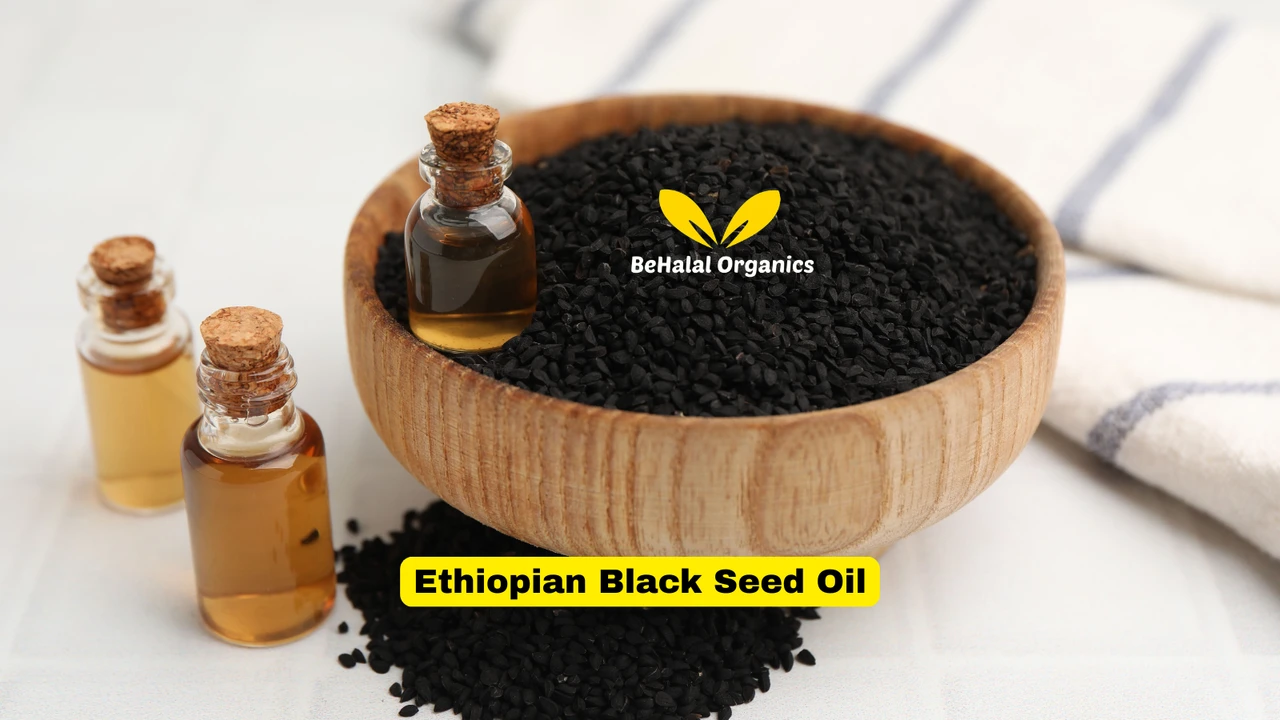
Ethiopian Black Seed Oil is a nutrient-rich oil extracted from the seeds of Nigella sativa, a flowering plant that has been used for centuries in traditional wellness practices across Africa, the Middle East, and Asia. Often referred to as black cumin seed oil or black seed oil, this natural product has gained worldwide recognition because of its unique blend of bioactive compounds and potential health-supporting properties. The oil is typically produced through a cold-press extraction process, which helps preserve its nutritional value and natural potency.
What makes Ethiopian Black Seed Oil particularly special is its reputation for containing higher concentrations of thymoquinone, the primary active compound responsible for many of its antioxidant and anti-inflammatory properties. Researchers continue to explore the health potential of thymoquinone, making Ethiopian varieties especially sought after among wellness enthusiasts. While black seed oil is produced in several regions around the world, Ethiopian black seeds are often considered premium due to their strong aroma, rich flavor profile, and naturally high active compound content.
Understanding Nigella Sativa
Nigella sativa is a small flowering plant native to parts of North Africa, the Middle East, and Southwest Asia. Its tiny black seeds have been used in traditional medicine for over 2,000 years and remain popular today as a natural wellness supplement. The seeds are packed with antioxidants, essential oils, amino acids, and beneficial fatty acids that contribute to their nutritional value.
Why Ethiopian Black Seeds Are Highly Valued
Ethiopian black seeds are often praised for their superior quality and potency. Many wellness experts and consumers believe that the climate and soil conditions in Ethiopia contribute to higher levels of beneficial compounds. This is one reason why Ethiopian Black Seed Oil is frequently preferred over other varieties by people looking for premium black seed products.
Nutritional Composition of Ethiopian Black Seed Oil
The remarkable reputation of Ethiopian Black Seed Oil comes largely from its impressive nutritional profile. Unlike many ordinary cooking oils, black seed oil contains a combination of active plant compounds that may help support overall wellness. Among these compounds, thymoquinone stands out as the most extensively studied. Researchers have identified it as a powerful antioxidant that may help protect cells from oxidative damage caused by free radicals. Oxidative stress is associated with aging and various chronic health conditions, which is why antioxidants are considered so important in modern nutrition.
In addition to thymoquinone, Ethiopian Black Seed Oil contains healthy fatty acids such as linoleic acid and oleic acid. These fats are known for supporting skin health, cardiovascular function, and overall wellness. The oil also contains naturally occurring vitamins, phytosterols, and other antioxidant compounds that work together to create its unique nutritional profile. Rather than acting through a single nutrient, Ethiopian Black Seed Oil provides a combination of beneficial components that may contribute to its growing popularity worldwide.
The Role of Thymoquinone
Thymoquinone is widely recognized as the star compound in black seed oil. Studies suggest it possesses antioxidant, antimicrobial, and anti-inflammatory properties that contribute to many of the oil's potential benefits. Scientists continue to investigate its role in supporting metabolic health, immune function, and cellular protection.
Essential Fatty Acids and Antioxidants
The oil contains valuable fatty acids that support skin hydration, cellular health, and overall wellness. Combined with its antioxidant content, these compounds help make Ethiopian Black Seed Oil a highly regarded natural supplement.
Traditional Uses of Ethiopian Black Seed Oil
Long before modern laboratories began studying black seed oil, communities across Africa and the Middle East relied on it as part of their traditional wellness practices. Historical records indicate that black seeds were valued for their versatility and were often used to support general health and vitality. In many cultures, black seed oil became a household staple passed down through generations, much like treasured family recipes or herbal remedies.
Traditional uses of Ethiopian Black Seed Oil have included supporting digestion, promoting respiratory comfort, maintaining healthy skin, and enhancing overall well-being. While modern science continues to investigate these traditional claims, the enduring popularity of black seed oil speaks to its longstanding role in natural health traditions. Its reputation has survived centuries, crossing cultural and geographical boundaries while remaining relevant in today's wellness industry.
Historical and Cultural Significance
Black seed oil has been respected in various traditional systems for centuries. Its historical significance continues to influence its popularity among modern consumers seeking natural wellness solutions.
Traditional Wellness Applications
People traditionally used black seed oil for general vitality, respiratory support, digestive comfort, and skin care. These uses remain among the most common reasons people incorporate it into their daily routines.
Top Health Benefits of Ethiopian Black Seed Oil
Supports Immune Function
One of the most frequently discussed benefits of Ethiopian Black Seed Oil is its potential ability to support healthy immune function. The oil contains antioxidant and bioactive compounds that may help the body defend itself against oxidative stress and environmental challenges. While no supplement can replace a balanced diet and healthy lifestyle, black seed oil is often included in wellness routines aimed at supporting overall immunity. Research continues to explore how thymoquinone and other compounds influence immune system activity.
Helps Fight Oxidative Stress
Every day, the body faces oxidative stress from pollution, processed foods, stress, and natural metabolic processes. Antioxidants help neutralize free radicals before they can cause significant cellular damage. Ethiopian Black Seed Oil is naturally rich in antioxidants, making it a popular supplement for those seeking additional antioxidant support. Think of antioxidants as the body's maintenance crew, constantly repairing and protecting important systems from wear and tear.
May Support Heart Health
Several studies suggest that black seed supplementation may support healthy cholesterol levels and cardiovascular wellness. Researchers continue to investigate its effects on lipid profiles, blood pressure, and overall heart health. Although black seed oil should not replace medical treatment, it may complement a heart-conscious lifestyle that includes healthy eating and regular exercise.
May Assist Blood Sugar Management
Emerging research indicates that black seed supplementation may help support healthy blood sugar levels when combined with proper medical care and dietary management. A recent meta-analysis found improvements in fasting blood glucose and HbA1c levels among individuals with type 2 diabetes who used black seed supplements. These findings are promising, though more research is still needed.
Supports Respiratory Wellness
Black seed oil has traditionally been used to support respiratory health. Some studies suggest it may help individuals experiencing respiratory discomfort, making it a popular choice among those seeking natural respiratory support. Researchers continue to evaluate its potential role in respiratory wellness programs.
Ethiopian Black Seed Oil for Skin and Hair
The beauty benefits of Ethiopian Black Seed Oil are among the reasons it has become increasingly popular in personal care products. Rich in fatty acids and antioxidants, the oil can help nourish the skin while supporting a healthy skin barrier. Many people apply it topically to help moisturize dry skin and promote a smoother complexion. Research also suggests that its anti-inflammatory and antimicrobial properties may contribute to its usefulness in managing certain skin concerns.
Hair care enthusiasts also value Ethiopian Black Seed Oil for its potential to support scalp health. A healthy scalp creates a better environment for healthy-looking hair. Some studies have reported improvements in hair density and thickness when black seed extracts were used consistently over time. While results vary between individuals, the oil remains a popular natural ingredient in shampoos, serums, and scalp treatments.
Benefits for Healthy Skin
- Supports skin hydration
- May help soothe irritation
- Provides antioxidant protection
- Supports skin barrier function
Benefits for Hair Growth and Scalp Care
- Helps nourish the scalp
- May support stronger-looking hair
- Commonly used in natural hair care routines
- Provides moisturizing benefits
How to Use Ethiopian Black Seed Oil
Ethiopian Black Seed Oil is available in several forms, including liquid oil, capsules, and topical formulations. Many people prefer liquid oil because it offers flexibility in dosage and application. Others choose capsules for convenience and ease of use. The appropriate choice depends on personal preferences and wellness goals.
For internal use, many users consume small amounts daily according to product instructions. The oil can also be mixed into smoothies, juices, or honey to make its strong taste more pleasant. For topical use, it is commonly applied directly to the skin or scalp. Regardless of the method, choosing a high-quality cold-pressed product is essential for maximizing potential benefits. Always follow product guidelines and consult a healthcare professional if you have any medical concerns.
Internal Use
Many people take black seed oil as a daily supplement to support overall wellness. Always follow label instructions and professional advice.
Topical Use
Apply a small amount directly to the skin or scalp. Perform a patch test before widespread use.
Potential Side Effects and Precautions
Although Ethiopian Black Seed Oil is generally considered safe for many people when used appropriately, it is important to understand that natural does not automatically mean risk-free. Some individuals may experience mild digestive discomfort, nausea, bloating, or allergic reactions. Topical use may occasionally cause skin irritation, redness, or rashes, especially in those with sensitive skin.
Black seed oil may also interact with certain medications, particularly those used to manage blood pressure, blood sugar, or blood clotting. Because it may influence these systems, individuals taking prescription medications should speak with a healthcare professional before adding black seed oil to their routine. Pregnant and breastfeeding women should also seek medical guidance before use. Responsible supplementation starts with understanding both the benefits and the potential risks.
Common Side Effects
| Side Effect | Description |
|---|---|
| Digestive discomfort | Mild nausea or bloating |
| Skin irritation | Redness, itching, or rash |
| Allergic reactions | Possible in sensitive individuals |
| Blood sugar changes | May affect glucose levels |
Drug Interactions and Safety Considerations
Consult a healthcare professional if you are taking medications for diabetes, blood pressure, or other chronic conditions before using black seed oil regularly.
How to Choose High-Quality Ethiopian Black Seed Oil
Not all black seed oils are created equal. Quality can vary significantly depending on sourcing, extraction methods, storage, and testing standards. When shopping for Ethiopian Black Seed Oil, look for products that are cold-pressed, stored in dark glass bottles, and sourced from reputable suppliers. Third-party testing and transparency regarding thymoquinone content are additional indicators of quality. Premium Ethiopian oils are often preferred because of their naturally high active compound levels.
Consumers should also pay attention to freshness. Like many natural oils, black seed oil can degrade when exposed to heat, light, and air. Choosing a trusted supplier helps ensure that you receive a product that maintains its nutritional integrity and potency.
Where to Buy Authentic Ethiopian Black Seed Oil
If you are looking for premium-quality Ethiopian Black Seed Oil, it is available at Behalal Organics. When purchasing black seed oil, always prioritize authenticity, cold-pressed extraction, proper packaging, and trusted sourcing. A high-quality product ensures you receive the maximum benefits associated with Ethiopian black seeds while maintaining safety and freshness.
Conclusion
Ethiopian Black Seed Oil has earned its reputation as one of the most respected natural wellness oils in the world. Derived from Nigella sativa seeds and prized for its high thymoquinone content, it offers a unique combination of antioxidants, essential fatty acids, and bioactive compounds that continue to attract scientific interest. Research suggests potential benefits for immune support, heart health, metabolic wellness, skin care, and respiratory function, although more large-scale human studies are still needed.
Like any supplement, Ethiopian Black Seed Oil should be used responsibly and as part of a balanced lifestyle. By choosing a high-quality product and understanding both its benefits and possible side effects, you can make informed decisions about incorporating this traditional oil into your wellness routine. For those seeking authentic Ethiopian Black Seed Oil, Behalal Organics provides a trusted source for this remarkable natural product.
FAQs
1. What makes Ethiopian Black Seed Oil different from regular black seed oil?
Ethiopian Black Seed Oil is often valued for its higher thymoquinone content, stronger aroma, and premium quality.
2. Can I take Ethiopian Black Seed Oil every day?
Many people use it daily, but it is best to follow product instructions and consult a healthcare professional if needed.
3. Is Ethiopian Black Seed Oil good for hair growth?
Research suggests it may support scalp health and improve hair appearance, though results vary by individual.
4. Can black seed oil help support immunity?
Its antioxidant and bioactive compounds may help support healthy immune function as part of a balanced lifestyle.
5. Are there any side effects of Ethiopian Black Seed Oil?
Possible side effects include digestive discomfort, skin irritation, allergic reactions, and interactions with certain medications.
DISCLAIMER
This blog has not been approved by your local health department and is not intended to provide diagnosis, treatment, or medical advice. The content provided on this blog is for informational purposes only. Please consult with a physician or other healthcare professional regarding any medical or health-related diagnosis or treatment options. Information on this blog should not be considered as a substitute for advice from a healthcare professional. The claims made about specific products throughout this blog are not approved to diagnose, treat, cure, or prevent disease.
Explore Popular Articles
-

Pure Bitter Melon Extract Explained: Uses, Research, and Safety
22nd Oct 2026Article Outline - H1: Pure Bitter Melon Extract Explained: Uses, Research, and Safety H2: 1. Wha
-

What to Know About Herbal Digestive Support with Turmeric and Botanicals
21st Oct 2026Article Outline - H1: What to Know About Herbal Digestive Support with Turmeric and Botanicals H
-
What Are Kola Nut Bitters With Garlic, Ginger, and Moringa?
20th Oct 2026Article Outline - H1: What Are Kola Nut Bitters With Garlic, Ginger, and Moringa? H2: Understand