
Why Ashwagandha Is Called the “King of Ayurvedic Herbs”
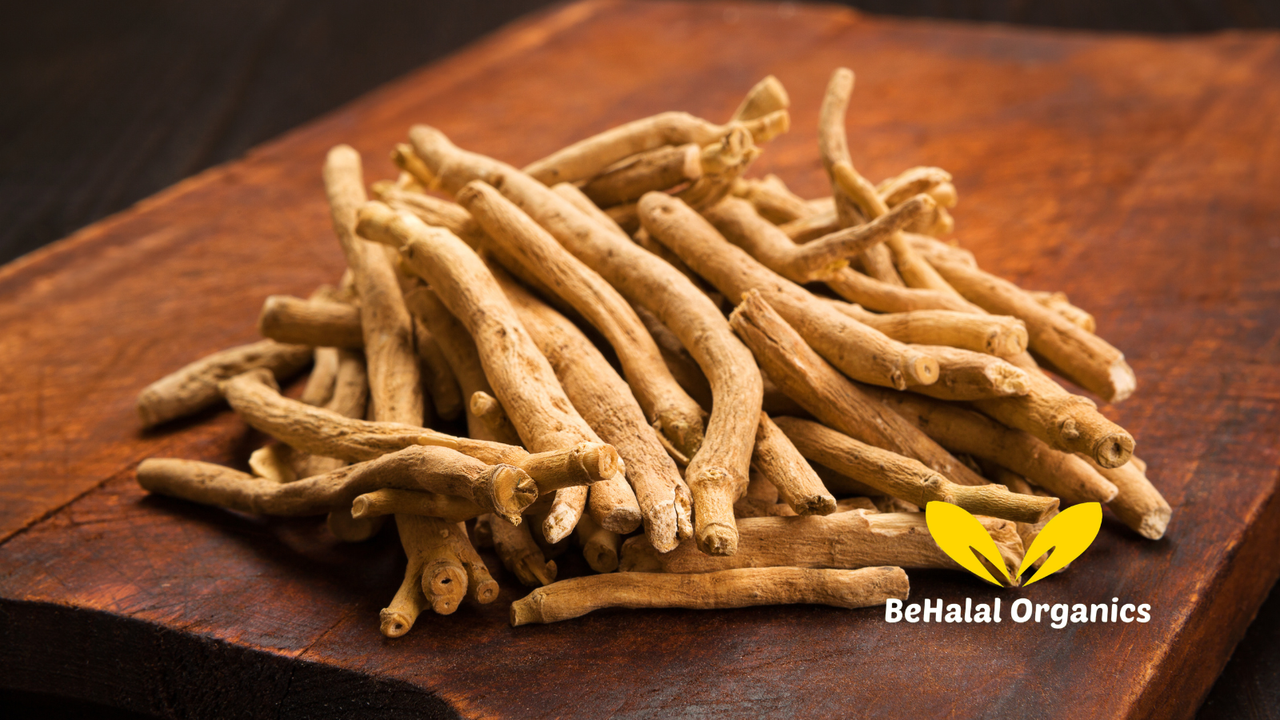
Understanding the Ancient Power of Ashwagandha
What Is Ashwagandha?
Ashwagandha has become one of the most talked-about natural wellness herbs in the world, but its story began thousands of years ago in the heart of Ayurvedic medicine. Scientifically known as Withania somnifera, this small shrub has been used for generations to support vitality, mental calmness, endurance, and overall balance in the body. The roots and leaves contain active compounds called withanolides, which are believed to contribute to many of its wellness-supporting properties. While modern health trends may make it look like a new discovery, Ayurveda has respected this herb for over 3,000 years.
People often compare Ashwagandha to a “natural shield” for the body. Imagine your body as a smartphone constantly running too many apps at once. Stress, poor sleep, anxiety, overthinking, and fatigue drain your internal battery every day. Ashwagandha is believed to help the body adapt to those pressures more effectively, which is why it is commonly classified as an adaptogen. Adaptogens are herbs believed to help the body manage physical and emotional stress more efficiently.
Today, Ashwagandha is found in powders, capsules, teas, gummies, wellness drinks, and even blended products like sea moss gel formulas. The growing popularity of natural health products has pushed Ashwagandha into global wellness conversations, especially among people looking for plant-based ways to support relaxation and energy naturally. Recent reviews published in scientific journals continue to explore Ashwagandha’s role in stress reduction, sleep quality, cognitive support, and emotional well-being.
The Ayurvedic Meaning Behind Its Name
The name “Ashwagandha” carries deep symbolic meaning in Sanskrit. “Ashwa” means horse, while “gandha” refers to smell. Traditionally, the herb was associated with the strength, stamina, and vitality of a horse. Ancient Ayurvedic practitioners believed that consuming Ashwagandha could help support endurance, resilience, and youthful energy. That connection to strength is one major reason it eventually earned the nickname “King of Ayurvedic Herbs.”
In Ayurveda, herbs are not judged only by one single benefit. Instead, healers valued remedies that could support multiple systems in the body at the same time. Ashwagandha stood out because it was traditionally used to support sleep, stress response, physical energy, immunity, and mental clarity simultaneously. That broad spectrum of support made it highly respected among Ayurvedic practitioners.
There is also a philosophical layer to Ayurveda that makes Ashwagandha special. Ayurveda focuses heavily on balance — balancing the mind, body, and internal energy systems. Ashwagandha was traditionally viewed as a grounding herb that could help restore harmony during periods of exhaustion or imbalance. In today’s fast-moving digital world, that ancient idea feels surprisingly relevant. Millions of people now battle burnout, emotional stress, poor sleep, and low energy daily. Ashwagandha’s growing popularity shows how ancient wellness traditions are blending into modern lifestyles once again.
The Historical Roots of Ashwagandha in Ayurveda
How Ancient Healers Used the Herb
Long before modern supplements existed, Ayurvedic healers relied on herbs like Ashwagandha as part of holistic wellness routines. Ancient texts described Ashwagandha as a Rasayana, a category of rejuvenating herbs believed to support longevity and vitality. It was often combined with milk, honey, or ghee in traditional preparations designed to nourish the body deeply.
Historical Ayurvedic practices used Ashwagandha in many ways depending on the individual’s needs. People experiencing weakness, fatigue, emotional stress, or low stamina were often given Ashwagandha formulations as part of broader wellness plans. Unlike modern quick-fix trends, Ayurveda focused on consistency and lifestyle balance. Herbs were combined with healthy eating habits, meditation, breathing exercises, and proper sleep routines.
The herb’s reputation grew because people believed it addressed both physical and mental exhaustion together. Ancient healers understood something that modern science is still studying closely today: chronic stress can affect nearly every system in the body. When the mind constantly feels overwhelmed, sleep quality, energy levels, focus, and immunity may all suffer. Ashwagandha became respected because it was traditionally used to support resilience during those difficult periods.
Even now, many wellness experts continue to discuss the importance of stress management as a foundation for better health. Modern research into cortisol, anxiety, sleep, and mental fatigue has helped explain why Ashwagandha remained relevant for centuries. Several newer clinical studies continue to examine its role in lowering stress markers and improving sleep quality.
Ashwagandha’s Place in Traditional Indian Wellness
In India, Ashwagandha has long been more than just an herb. It became part of cultural wellness traditions passed down across generations. Families often viewed Ayurvedic herbs as everyday tools for maintaining balance rather than emergency solutions used only during illness. Ashwagandha was respected as one of the most versatile herbs in that system.
Its use extended beyond physical vitality. Traditional wellness approaches also connected Ashwagandha to emotional steadiness and mental focus. This holistic approach is one reason why the herb continues attracting global interest today. Modern life often separates mental health from physical health, but Ayurveda traditionally treated them as deeply connected.
Interestingly, social media and wellness communities have revived many of these traditional practices. Platforms discussing natural living, herbal wellness, and holistic health frequently mention Ashwagandha alongside sea moss gel, herbal teas, and plant-based nutrition routines. Many people now blend Ashwagandha into smoothies, warm drinks, and wellness tonics as part of daily self-care habits.
For people exploring natural wellness products today, combining nutrient-rich options has become increasingly popular. Sea moss gel, for example, is often paired with herbs like Ashwagandha because both are associated with supporting overall wellness and vitality. High-quality sea moss gel products are available from Behalal Organics for people looking to add nutrient-rich wellness products into their routines.
Why Ashwagandha Earned the Title “King”
Adaptogenic Properties That Stand Out
One major reason Ashwagandha is called the “King of Ayurvedic Herbs” is because of its adaptogenic reputation. Adaptogens are natural substances believed to help the body respond more effectively to stress. Think of Ashwagandha as a shock absorber for the nervous system. Life constantly throws pressure at people — work deadlines, emotional struggles, financial stress, sleep deprivation, and overstimulation from technology. Adaptogens are believed to help the body maintain stability during those challenges.
Modern scientific research continues exploring this idea. A 2025 randomized clinical study found that Ashwagandha supplementation was associated with improvements in stress, mood, and sleep quality among participants experiencing mild to moderate stress. Another systematic review noted measurable reductions in cortisol, often referred to as the body’s primary stress hormone.
This matters because chronic stress affects more than emotions. High stress levels can influence sleep quality, focus, appetite, mood, and physical energy. That interconnected effect explains why many people feel exhausted even after resting. Ashwagandha’s popularity continues growing because people are searching for natural wellness solutions that support both mental calmness and physical resilience together.
The herb’s versatility also contributes to its royal reputation. Many wellness supplements focus on one area only — sleep, energy, or mood. Ashwagandha stands out because it is associated with multiple wellness benefits simultaneously. That broad support mirrors the Ayurvedic philosophy of balance rather than isolated symptom management.
Supporting Mind, Body, and Energy Together
Another reason Ashwagandha earned such a powerful title is its connection to total-body wellness. Ancient Ayurvedic traditions believed that true health was not simply the absence of sickness. Real wellness meant mental calmness, emotional stability, physical strength, and balanced energy working together harmoniously.
Modern lifestyles often destroy that balance. People drink excessive caffeine to fight exhaustion, scroll through phones late at night, and push themselves through stress without proper recovery. Over time, the body begins operating like an overheated engine. Ashwagandha’s popularity reflects a growing desire to slow down and support recovery naturally.
Recent wellness discussions frequently mention Ashwagandha for sleep support. Several newer studies continue investigating its role in improving sleep quality and relaxation. Online wellness communities also share personal experiences describing improved calmness, better nighttime routines, and enhanced focus after consistent use.
Still, it is important to approach supplements responsibly. Experts continue emphasizing that Ashwagandha is not magic. Healthy sleep habits, balanced nutrition, exercise, hydration, and stress management remain essential foundations for wellness. The herb works best as part of a healthy lifestyle rather than as a replacement for it.
Modern Science and the Growing Popularity of Ashwagandha
Recent Research on Stress and Cortisol
Scientific interest in Ashwagandha has exploded over the past few years. Researchers are especially interested in how the herb may influence cortisol levels and stress response pathways in the body. Cortisol is often called the “stress hormone” because the body releases it during stressful situations. While cortisol itself is important for survival, chronically elevated levels may contribute to fatigue, poor sleep, irritability, and reduced focus.
Recent clinical research has shown promising findings. A 2025 placebo-controlled study reported that Ashwagandha supplementation was linked with improved stress scores, better mood, and enhanced sleep quality among participants experiencing moderate stress. Another meta-analysis published in 2025 found evidence suggesting Ashwagandha may significantly reduce cortisol levels, although researchers also emphasized that more studies are still needed to fully understand its long-term effects.
This growing body of research explains why Ashwagandha products now dominate wellness shelves globally. Consumers are increasingly drawn toward plant-based wellness products that support emotional balance naturally. The adaptogen market itself continues expanding rapidly as people prioritize mental wellness and stress recovery in their daily routines.
Studies on Sleep, Mood, and Mental Clarity
Sleep support has become another major area of Ashwagandha research. Modern lifestyles have created a sleep crisis for millions of people worldwide. Constant screen exposure, work stress, anxiety, and irregular schedules make quality sleep increasingly difficult to achieve.
Researchers continue exploring how Ashwagandha may support relaxation and sleep quality. Some studies suggest it may help people fall asleep faster and experience more restful sleep patterns. Community discussions online frequently reflect similar experiences, with users describing calmer evenings and improved nighttime routines after incorporating Ashwagandha into their wellness habits.
The herb is also being discussed in conversations around cognitive support and focus. Stress and mental fatigue often cloud concentration and productivity. Some early research suggests Ashwagandha may help support mental clarity by influencing stress response pathways and reducing mental exhaustion.
What Researchers Are Still Investigating
Despite the excitement around Ashwagandha, researchers continue emphasizing caution and balance. Not every study produces identical results, and individual experiences may vary widely. Scientists are still studying long-term safety, ideal dosages, and how Ashwagandha interacts with different medical conditions or medications.
Some reports have also raised concerns about possible side effects or rare complications linked to certain supplements. Experts continue encouraging consumers to purchase high-quality products from trusted wellness brands and to consult healthcare professionals when necessary.
This balanced perspective matters. Natural wellness products can support healthy lifestyles, but they should still be used responsibly and thoughtfully.
Major Health Benefits of Ashwagandha
Stress and Anxiety Support
One of the biggest reasons people turn to Ashwagandha today is stress management. Modern life often feels like running on a treadmill that never stops. Emails arrive nonstop, notifications never sleep, and mental overload has become almost normal. Ashwagandha’s adaptogenic reputation makes it especially appealing for people looking for natural ways to support emotional balance.
Research continues suggesting that Ashwagandha may help reduce stress markers and support calmer mood states. While it is not a cure for anxiety disorders, many users describe feeling steadier, more relaxed, and less mentally overwhelmed during periods of high pressure.
Energy and Stamina Enhancement
Ironically, Ashwagandha is associated with both calmness and energy support. That combination may sound contradictory at first, but it reflects the herb’s adaptogenic nature. Instead of acting like a stimulant, Ashwagandha is believed to support balance. People struggling with stress-related exhaustion often report feeling more physically resilient after incorporating it consistently into wellness routines.
Athletes and fitness enthusiasts have also shown increasing interest in Ashwagandha. Some studies and wellness discussions suggest it may support recovery, endurance, and overall performance when paired with proper exercise and nutrition.
Sleep and Relaxation Benefits
Good sleep is the foundation of wellness, yet millions struggle to get enough restorative rest. Ashwagandha’s growing reputation in the sleep wellness space reflects how deeply stress affects sleep patterns today. People who feel mentally “wired but tired” often seek calming nighttime routines that encourage relaxation naturally.
Recent studies continue examining Ashwagandha’s role in sleep quality improvement. Many people now combine Ashwagandha with warm nighttime drinks, mindfulness routines, or herbal blends as part of evening self-care rituals.
Immune and Cognitive Support
Ashwagandha is also associated with broader wellness support, including immunity and cognitive function. Chronic stress can weaken focus, memory, and mental sharpness over time. Researchers are increasingly exploring how adaptogenic herbs may support cognitive resilience during stressful periods.
Its role in holistic wellness continues attracting attention because people are no longer looking only for quick energy boosts. They want sustainable balance, clearer thinking, emotional calmness, and healthier recovery habits.
Ashwagandha and Everyday Wellness
Why Busy Professionals Love It
Burnout has become one of the defining wellness challenges of modern life. Professionals balancing deadlines, meetings, side hustles, and personal responsibilities often feel mentally exhausted before the day even ends. Ashwagandha’s growing popularity among busy adults reflects a wider movement toward sustainable wellness routines instead of temporary fixes.
Many professionals now integrate Ashwagandha into smoothies, teas, capsules, or wellness drinks alongside nutrient-rich products like sea moss gel. Sea moss gel has become especially popular because it contains minerals often associated with overall wellness support. Combining herbal wellness routines with nutrient-dense foods has become one of the biggest natural health trends of recent years.
Fitness Enthusiasts and Recovery Support
Fitness communities have also embraced Ashwagandha enthusiastically. Recovery is now considered just as important as training itself. Sleep, stress management, and recovery routines play major roles in athletic performance and long-term wellness.
Ashwagandha’s connection to stress resilience and recovery makes it attractive for active lifestyles. Wellness influencers and online communities frequently discuss combining Ashwagandha with balanced nutrition, hydration, and restorative sleep habits for improved recovery routines.
Natural Wellness Trends in 2026
Natural wellness continues evolving rapidly in 2026. Consumers increasingly prefer plant-based products, adaptogenic herbs, and holistic health routines over overly processed wellness solutions. Ashwagandha sits at the center of this movement because it bridges ancient traditions with modern wellness goals.
Sea moss gel has also emerged as one of the most popular complementary wellness products in this space. Many wellness enthusiasts now combine sea moss gel with herbs like Ashwagandha to support energy, recovery, and daily nutrition naturally. Premium sea moss gel products are available from Behalal Organics for those interested in adding natural wellness products into their lifestyle.
Different Forms of Ashwagandha Available Today
Capsules, Powders, and Teas
Ashwagandha is available in many forms today, giving consumers flexibility depending on their lifestyle preferences. Capsules are convenient for busy schedules, while powders are often blended into smoothies, protein shakes, or herbal drinks. Teas and tinctures have also gained popularity among people who enjoy calming nighttime wellness rituals.
Each format offers a different experience. Powders may feel more traditional because Ayurvedic practices often involved herbal mixtures prepared with liquids or foods. Capsules, on the other hand, fit more easily into fast-paced modern routines.
Why Sea Moss Gel and Ashwagandha Are Trending Together
One growing wellness trend involves combining Ashwagandha with sea moss gel. Sea moss gel has become widely popular because of its mineral-rich profile and versatility in smoothies, wellness bowls, teas, and drinks. Together, these products appeal to consumers interested in holistic, plant-based wellness routines.
Many people now use sea moss gel as part of morning energy rituals while incorporating Ashwagandha into evening relaxation habits. This balanced approach reflects the larger wellness trend of supporting the body naturally throughout the day.
How to Use Ashwagandha Safely
Recommended Usage and Timing
Most research on Ashwagandha has examined doses commonly ranging between 300–600 mg daily, though exact recommendations vary depending on the product and formulation. Some people prefer taking it in the evening because of its calming reputation, while others use it earlier in the day as part of stress-management routines.
Consistency matters more than chasing instant results. Like many herbal wellness products, Ashwagandha is often associated with gradual support over time rather than dramatic overnight changes.
Possible Side Effects and Precautions
Although Ashwagandha is generally considered safe for many adults when used appropriately, it is still important to approach supplements carefully. Some individuals may experience digestive discomfort, drowsiness, or interactions with medications. Certain people with medical conditions should speak with healthcare professionals before using it.
Choosing high-quality products from trusted wellness brands also matters significantly. Poor-quality supplements may contain inconsistent ingredients or contamination risks. Consumers should prioritize reputable sources and transparent manufacturing practices.
Conclusion
Ashwagandha earned the title “King of Ayurvedic Herbs” because of its deep roots in ancient wellness traditions and its broad reputation for supporting balance in the body. For thousands of years, Ayurvedic healers valued it for resilience, vitality, emotional steadiness, and recovery support. Today, modern research continues exploring many of those same benefits, especially in areas like stress response, sleep quality, mood support, and mental clarity.
Its growing popularity reflects a larger shift toward holistic wellness and natural lifestyle habits. People are searching for ways to feel calmer, sleep better, recover more effectively, and support long-term well-being without relying entirely on temporary solutions. Ashwagandha’s versatility makes it stand out in that space.
Combined with healthy routines, balanced nutrition, and supportive wellness products like sea moss gel from Behalal Organics, Ashwagandha continues to hold its royal place in the world of natural health.
FAQs
1. Why is Ashwagandha called the King of Ayurvedic Herbs?
Ashwagandha earned this title because Ayurveda traditionally viewed it as one of the most powerful and versatile herbs for supporting vitality, resilience, stress balance, and overall wellness.
2. Can Ashwagandha help with stress?
Research suggests Ashwagandha may help support the body’s stress response and reduce cortisol levels in some individuals.
3. Is Ashwagandha safe to take daily?
Many adults use Ashwagandha daily in moderate amounts, but it is always best to follow product guidance and consult a healthcare professional if you have medical conditions or take medications.
4. What is the best time to take Ashwagandha?
Some people take it in the evening because of its calming reputation, while others use it during the day for stress support. Timing often depends on personal preference and wellness goals.
5. Can Ashwagandha and sea moss gel be used together?
Many wellness enthusiasts combine Ashwagandha with sea moss gel as part of holistic health routines focused on balance, nutrition, and energy support.
DISCLAIMER
This blog has not been approved by your local health department and is not intended to provide diagnosis, treatment, or medical advice. The content provided on this blog is for informational purposes only. Please consult with a physician or other healthcare professional regarding any medical or health-related diagnosis or treatment options. Information on this blog should not be considered as a substitute for advice from a healthcare professional.
Explore Popular Articles
-

Baobab Fruit Powder Benefits: What You Should Know
4th Sep 2026Article Outline H1: Baobab Fruit Powder Benefits: What You Should Know H2: What Is Baobab Fruit Po
-
When Is the Best Time to Take Fadogia Agrestis Powder?
3rd Sep 2026Article Outline H1: When Is the Best Time to Take Fadogia Agrestis Powder? H2: Understanding Fadog
-

Why You Should Add Black Seed Powder to Your Daily Routine
2nd Sep 2026Article Outline H1: Why You Should Add Black Seed Powder to Your Daily Routine H2: What Is Black S