
Baobab Fruit Powder Benefits: What You Should Know
Article Outline
- H1: Baobab Fruit Powder Benefits: What You Should Know
- H2: What Is Baobab Fruit Powder?
- H3: Where Does Baobab Come From?
- H3: How Baobab Fruit Becomes Powder
- H2: The Nutritional Profile of Baobab Fruit Powder
- H3: Vitamin C and Essential Nutrients
- H3: Dietary Fiber and Plant Compounds
- H2: Top Baobab Fruit Powder Benefits
- H3: May Support Digestive Health
- H3: May Support Immune Health
- H3: Provides Antioxidant Compounds
- H3: May Support Healthy Blood Sugar Management
- H3: May Support Hydration and Everyday Energy
- H2: What Does the Research Say About Baobab?
- H3: Understanding the Limits of Current Evidence
- H2: How to Use Baobab Fruit Powder
- H3: Easy Ways to Add It to Your Diet
- H4: Baobab Smoothies and Drinks
- H4: Baobab in Food and Recipes
- H2: How Much Baobab Powder Should You Take?
- H2: Possible Side Effects and Precautions
- H2: Who May Benefit From Baobab Fruit Powder?
- H2: How to Choose a Quality Baobab Product
- H2: Where to Buy Baobab Products
- H2: Conclusion
- H2: Frequently Asked Questions
- H2: What Is Baobab Fruit Powder?
Baobab Fruit Powder Benefits: What You Should Know
If you are always looking for simple ways to add more nutrient-rich foods to your daily routine, baobab fruit powder may be worth learning about. This naturally derived powder comes from the fruit of the African baobab tree, a tree that has been valued for generations across different parts of Africa. Today, baobab has found its way into smoothies, drinks, wellness recipes, and functional food products around the world. Its popularity is largely connected to its naturally occurring vitamin C, dietary fiber, minerals, and antioxidant plant compounds.
But what exactly can baobab fruit powder do for your health? Is it truly as beneficial as people claim, or is it simply another trendy superfood? The truth sits somewhere in the middle. Baobab is undeniably a nutrient-dense food with an interesting nutritional profile, but the strongest health claims still require more large-scale human research. That does not make baobab useless; it simply means we should appreciate it for what science currently supports instead of expecting it to perform miracles.
Research has consistently shown that baobab fruit contains significant amounts of fiber and vitamin C, although the exact nutritional composition can vary depending on where the fruit is grown, how it is processed, and the final product. Baobab also contains naturally occurring polyphenols and other bioactive compounds that have attracted scientific interest.
In this article, we will explore the potential baobab fruit powder benefits, how it works, how to use it, possible precautions, and what you should realistically expect when adding it to your diet.
What Is Baobab Fruit Powder?
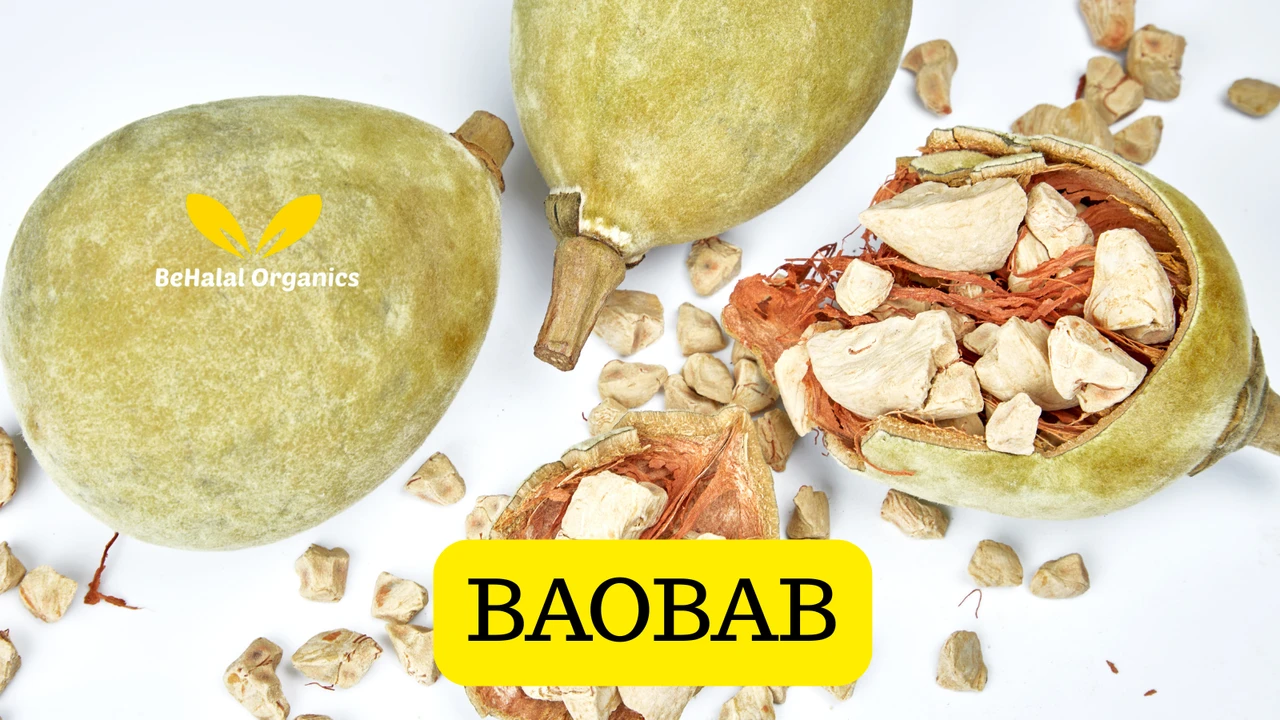
Baobab fruit powder is made from the fruit of the baobab tree, scientifically known as Adansonia digitata. The tree is native to Africa and is one of the continent's most recognizable trees because of its enormous trunk and unusual appearance. Some people even describe it as looking like a tree growing upside down, with its branches reaching toward the sky like exposed roots.
The baobab fruit itself has a hard outer shell. Inside, there is a naturally dry and powdery pulp surrounding the seeds. Unlike many fruits that must go through extensive dehydration before becoming powder, baobab pulp naturally dries inside the fruit shell as it matures. The pulp can then be separated from the seeds and processed into a fine powder.
Baobab powder has a slightly tangy, citrus-like taste. This natural tartness makes it easy to add to smoothies, juices, yogurt, oatmeal, and other foods. Its flavor can remind some people of a combination of pear, citrus, and mild caramel, although taste experiences vary.
One of the most interesting things about baobab is that it is not a newly discovered food. Communities across Africa have consumed different parts of the baobab tree for generations. Modern interest has simply introduced this traditional food to a wider global audience.
Where Does Baobab Come From?
The African baobab tree is deeply connected to the culture, food systems, and livelihoods of many communities. Different parts of the tree have traditionally been used as food or for practical purposes. The fruit pulp, seeds, leaves, and other parts of the tree have all been studied for their nutritional composition and traditional uses.
Baobab grows in several African regions, particularly in areas with dry and semi-arid climates. The tree is well adapted to challenging environmental conditions and is capable of surviving for long periods. This resilience is one reason baobab is often discussed not only as a nutritious food source but also as an important resource for rural communities.
Scientific reviews describe baobab as a multifunctional African tree with nutritional, economic, and environmental importance. The fruit pulp has attracted particular attention because of its vitamin C, fiber, mineral, and antioxidant content.
How Baobab Fruit Becomes Powder
The process of producing baobab powder is relatively straightforward when the fruit is harvested and handled properly. Once the baobab fruit reaches maturity, the hard shell is opened to access the dry pulp inside. The pulp is separated from the seeds and fibrous material before being milled into a fine powder.
Because the pulp is naturally dry, baobab powder does not always require the same intense drying process used for many other powdered fruits. However, processing and storage practices still matter. Heat, moisture, contamination, and poor storage conditions can affect the final quality of a product.
That is why choosing a reputable source is important. A quality baobab product should have clear labeling, proper storage instructions, and information about its ingredients. Ideally, the product should contain pure baobab fruit powder without unnecessary fillers or artificial ingredients.
The Nutritional Profile of Baobab Fruit Powder
The popularity of baobab is closely linked to its nutritional profile. Baobab fruit pulp contains a combination of naturally occurring carbohydrates, dietary fiber, vitamins, minerals, and bioactive plant compounds.
The exact amount of nutrients in baobab can vary. Growing conditions, geographical location, fruit maturity, processing methods, and storage can all influence the final nutritional composition. This is important because no two baobab powders are necessarily identical.
Still, research consistently identifies several nutrients that make baobab interesting from a nutritional perspective. These include vitamin C, dietary fiber, potassium, calcium, magnesium, iron, phosphorus, and antioxidant compounds.
Vitamin C and Essential Nutrients
One of the most widely discussed nutrients in baobab fruit is vitamin C. Vitamin C plays an important role in several normal body functions, including immune system support, collagen production, antioxidant protection, and iron absorption.
Scientific research has described baobab fruit pulp as particularly rich in vitamin C, although concentrations vary between samples and growing regions. A review of baobab food products reported that consuming 40 grams of baobab pulp could provide a substantial portion of recommended vitamin C intake in some populations. However, this should not be interpreted as a guarantee that every commercial powder provides the same amount.
Baobab also contains minerals that contribute to its reputation as a nutrient-dense food. Research has identified minerals such as potassium, calcium, magnesium, phosphorus, zinc, and iron in the fruit. These nutrients support different functions throughout the body, including normal muscle function, bone health, energy metabolism, and fluid balance.
Think of baobab as a supporting actor in your diet rather than the entire movie. A spoonful of baobab powder cannot replace a balanced diet, but it can contribute useful nutrients alongside fruits, vegetables, proteins, healthy fats, and whole grains.
Dietary Fiber and Plant Compounds
Another major reason people are interested in baobab is its dietary fiber content. Fiber is essential for a healthy eating pattern and supports normal digestion. Depending on the type of fiber and the overall diet, it may also help support fullness and healthy blood sugar responses.
Baobab contains both soluble and insoluble fiber. These two types of fiber play different roles in the digestive system. Soluble fiber interacts with water and forms a gel-like substance, while insoluble fiber contributes bulk to the diet and supports regular bowel movement.
Baobab also contains naturally occurring plant compounds, including phenolic compounds, flavonoids, proanthocyanidins, tannins, catechins, and carotenoids. These compounds have been studied because of their antioxidant activity and potential biological effects.
Top Baobab Fruit Powder Benefits
The nutritional profile of baobab creates several possible health benefits. However, it is important to separate nutritional benefits from guaranteed medical outcomes.
Eating a food that contains vitamin C does not mean it can cure every illness. Consuming a fiber-rich food does not mean it will automatically solve digestive problems. Baobab can be a useful addition to a healthy diet, but it should not replace professional medical care or prescribed treatment.
With that said, here are some of the most discussed potential benefits of baobab fruit powder.
May Support Digestive Health
One of the strongest nutritional reasons to include baobab in your diet is its fiber content. Dietary fiber supports the normal movement of food through the digestive system and contributes to healthy bowel function.
Many modern diets do not contain enough fiber-rich foods. People often rely heavily on refined carbohydrates and highly processed foods while eating fewer fruits, vegetables, legumes, and whole grains. Adding naturally fiber-rich foods can help improve the overall quality of the diet.
Baobab powder can be an easy addition to a fiber-conscious eating routine. You can stir it into smoothies, oatmeal, yogurt, or other foods. However, it is important to increase fiber gradually and drink enough fluids.
Adding too much fiber too quickly can sometimes lead to bloating, gas, or digestive discomfort. Your digestive system is a bit like a busy road: introducing too much traffic at once can create congestion. Start slowly and allow your body time to adjust.
May Support Immune Health
Baobab fruit is naturally associated with immune support because of its vitamin C content. Vitamin C contributes to the normal function of the immune system and also acts as an antioxidant in the body.
However, it is important to be realistic. No single food can make you immune to illness. Strong immune health depends on many factors, including sleep, nutrition, physical activity, stress management, hydration, and overall lifestyle.
Adding vitamin C-rich foods to your diet is one way to support your nutritional needs. Baobab can complement other sources of vitamin C, including citrus fruits, berries, peppers, and leafy vegetables.
If you enjoy baobab, incorporating it into your routine may be an easy way to increase dietary variety. Variety matters because different foods bring different nutrients and plant compounds to the table.
Provides Antioxidant Compounds
Your body constantly experiences normal metabolic processes that can produce unstable molecules known as free radicals. Antioxidants help protect cells from oxidative damage by interacting with these molecules.
Baobab contains naturally occurring antioxidant compounds, including vitamin C and various polyphenols. Scientific reviews have highlighted the antioxidant activity of baobab fruit and its rich concentration of bioactive plant compounds.
This does not mean baobab is a magical anti-aging powder. Antioxidant health is not about finding one superfood and eating it every day. It is more like building a strong team where different foods contribute different protective compounds.
Colorful fruits, vegetables, herbs, legumes, nuts, and other plant foods all contribute to a varied dietary pattern. Baobab can be one more player on that team.
May Support Healthy Blood Sugar Management
Some research has explored whether baobab may influence how the body responds to carbohydrates and blood glucose. The interest comes from baobab's fiber content and polyphenolic compounds.
Early research and reviews suggest potential effects on starch digestion and post-meal glucose responses. However, current evidence is still limited, and researchers have emphasized the need for larger and longer human clinical trials.
This is a crucial point. If you have diabetes or another blood sugar condition, baobab should not be viewed as a replacement for medication or medical advice.
Instead, you can think about baobab as a nutrient-rich food that may fit into a balanced eating pattern. Its fiber content may make it a useful addition to meals when used appropriately, but individual responses can vary.
May Support Hydration and Everyday Energy
Baobab has traditionally been used in drinks and food preparations, and its natural tangy taste makes it a refreshing ingredient. In some traditional settings, baobab pulp has been used in beverages designed to support hydration.
The fruit also contains carbohydrates, minerals, and other nutrients that contribute to its overall nutritional value. However, baobab powder itself should not be considered a replacement for water or medically formulated electrolyte products when those are needed.
For everyday use, adding baobab to a smoothie or drink can simply be a flavorful way to enjoy more variety in your diet. Some people enjoy mixing it with water and natural sweeteners, while others prefer combining it with fruit.
Energy levels are influenced by many factors, including sleep, calorie intake, nutrient status, hydration, and physical activity. Baobab is best viewed as a food that contributes nutrients rather than a guaranteed energy booster.
What Does the Research Say About Baobab?
Scientific interest in baobab has grown over the years, and research has confirmed that the fruit contains valuable nutrients and bioactive compounds. Reviews consistently describe baobab as a source of vitamin C, fiber, minerals, and antioxidant compounds.
The strongest evidence currently relates to the nutritional composition of the fruit. Scientists have measured its fiber content, vitamin C levels, mineral composition, and phytochemicals.
Research into specific health outcomes is more limited. Some laboratory and animal studies have produced promising results, and small human studies have explored potential effects on blood glucose and other metabolic markers. However, these findings should not be exaggerated.
A 2023 narrative review concluded that baobab contains several bioactive compounds with potential beneficial effects but also emphasized the need for more randomized clinical trials, particularly regarding glycemic control.
Understanding the Limits of Current Evidence
This is where many wellness articles become misleading. A study conducted in a laboratory is not the same as proof that a food will produce the same effect in humans.
Animal research can be valuable, but humans are more complex. Small human studies can provide interesting clues, but they may not be large enough to establish strong conclusions.
The best approach is to appreciate baobab for what we know. It is a nutritious fruit powder containing fiber, vitamin C, minerals, and bioactive plant compounds. These qualities make it a valuable food ingredient.
At the same time, claims that baobab can cure diabetes, eliminate disease, dramatically melt fat, or replace medical treatment are not supported by strong clinical evidence. Responsible wellness choices require both curiosity and caution.
How to Use Baobab Fruit Powder
One of the easiest things about baobab powder is its versatility. Because it has a naturally tangy flavor, it works well with both sweet and refreshing recipes.
You do not need to completely transform your diet to start using baobab. Small additions can make a difference in how enjoyable and sustainable a healthy eating routine feels.
Easy Ways to Add It to Your Diet
You can experiment with baobab powder in different foods and drinks. Popular options include:
- Smoothies
- Fresh juices
- Yogurt
- Oatmeal
- Overnight oats
- Homemade energy bites
- Fruit bowls
- Healthy baking recipes
Start with a small serving and adjust according to the product label and your taste preference.
Baobab Smoothies and Drinks
Smoothies are one of the easiest ways to enjoy baobab powder. Its citrus-like flavor pairs well with bananas, mangoes, berries, pineapple, and other fruits.
Try blending your favorite fruit with milk or a plant-based alternative, then add baobab powder according to the serving recommendation. You can also add ingredients such as chia seeds, oats, nut butter, or yogurt.
A baobab smoothie can be a simple breakfast or snack, especially when it contains a balanced combination of carbohydrates, protein, healthy fats, and fiber.
Baobab in Food and Recipes
Baobab powder can also be mixed into food. Add it to oatmeal for a tangy twist, stir it into yogurt, or include it in homemade snack recipes.
The key is to experiment. Some people prefer the bright flavor in cold drinks, while others enjoy it blended with naturally sweet foods.
Because baobab has a distinctive taste, starting with a small amount can help you discover what works best for you.
How Much Baobab Powder Should You Take?
There is no universal serving amount that is appropriate for every baobab product or every person.
Different products may have different concentrations and serving recommendations. The best approach is to follow the instructions on your specific product label.
If you are new to baobab, starting with a small amount can help you determine how your body responds. This is particularly important if you are not used to consuming high-fiber foods.
Avoid assuming that more is always better. Nutritional supplements and powders should complement a balanced diet rather than dominate it.
If you have a medical condition or take medication, consider speaking with a qualified healthcare professional before making significant changes to your supplement routine.
Possible Side Effects and Precautions
Baobab is generally consumed as a food, but individual tolerance can vary.
Because baobab contains dietary fiber, consuming large amounts suddenly may cause digestive discomfort in some people. Symptoms may include gas, bloating, or changes in bowel habits.
People with food allergies should carefully review product labels and ingredient lists. If you have a known sensitivity to a product ingredient, avoid consuming it.
Pregnant or breastfeeding individuals and people managing chronic medical conditions should speak with a healthcare professional before using new supplements regularly.
Most importantly, baobab should not be used as a replacement for prescribed medication or professional medical treatment.
Who May Benefit From Baobab Fruit Powder?
Baobab powder may appeal to people who want to add more nutrient-rich plant foods to their diet.
It can be particularly useful for individuals looking for:
- More dietary variety
- Naturally occurring vitamin C
- Additional fiber from whole-food ingredients
- Antioxidant-rich plant foods
- A convenient smoothie ingredient
- A tangy and refreshing flavor
Baobab may also appeal to people interested in African traditional foods and globally sourced natural ingredients.
However, you do not need baobab to be healthy. Think of it as an option rather than a requirement. A healthy diet can include many different fruits and plant foods.
How to Choose a Quality Baobab Product
Not every baobab product is created equal. Quality can depend on sourcing, harvesting, processing, packaging, and storage.
When shopping, look for a product with clear labeling and transparent ingredient information.
A good product should ideally:
- Clearly identify the ingredients
- Provide serving instructions
- Be properly packaged
- Have appropriate storage information
- Come from a reputable seller
- Avoid unnecessary fillers when you want pure baobab
Remember that nutritional values can vary between products. If vitamin or mineral content is important to you, check the product's nutrition information rather than relying on general claims online.
Where to Buy Baobab Products
If you are looking to add baobab to your wellness routine, choose products from a trusted source that provides clear information about ingredients and use.
You can explore Baobab products available on Behalal Organics and incorporate them into smoothies, drinks, and other everyday recipes.
When purchasing any natural wellness product, always read the product label carefully. Follow the recommended serving instructions and store the product according to the manufacturer's guidance.
Conclusion
Baobab fruit powder is a nutrient-rich food ingredient with a fascinating history and an equally interesting nutritional profile. It contains naturally occurring fiber, vitamin C, minerals, and antioxidant plant compounds that can complement a balanced diet.
The potential benefits of baobab include support for normal digestive health, immune function, antioxidant intake, and overall dietary variety. Research into its possible effects on blood sugar and other health outcomes is promising but still developing.
The most sensible way to enjoy baobab is to treat it as part of a healthy lifestyle rather than a miracle solution. Add it to smoothies, drinks, yogurt, or other foods you already enjoy.
If you are ready to explore this unique African superfruit, check out the Baobab products available on Behalal Organics and discover creative ways to make baobab part of your daily wellness routine.
Frequently Asked Questions
1. What is baobab fruit powder good for?
Baobab fruit powder is valued primarily for its nutritional content. It contains naturally occurring dietary fiber, vitamin C, minerals, and antioxidant plant compounds. It can be added to a balanced diet through smoothies, drinks, yogurt, oatmeal, and other recipes. Research supports its nutritional value, while more human studies are still needed to confirm some specific health claims.
2. Can I take baobab powder every day?
Many people use baobab as part of their regular diet, but the appropriate amount depends on the specific product and individual needs. Follow the serving instructions provided on the product label. If you are new to high-fiber foods, start with a smaller amount and monitor how your body responds.
3. Does baobab powder help with digestion?
Baobab contains dietary fiber, which contributes to normal digestive health and regular bowel function. However, individual responses may vary, and consuming too much fiber too quickly can cause digestive discomfort. Drink enough fluids and increase fiber gradually.
4. Is baobab good for the immune system?
Baobab contains vitamin C, a nutrient that contributes to normal immune system function. However, baobab should be part of an overall healthy lifestyle rather than being viewed as a guaranteed way to prevent illness.
5. Where can I buy baobab products?
You can explore Baobab products available on Behalal Organics. Always review the product description, ingredient information, serving recommendations, and storage instructions before purchasing.
DISCLAIMER
This blog has not been approved by your local health department and is not intended to provide diagnosis, treatment, or medical advice. The content provided on this blog is for informational purposes only. Please consult with a physician or other healthcare professional regarding any medical or health-related diagnosis or treatment options. Information on this blog should not be considered as a substitute for advice from a healthcare professional. The claims made about specific products throughout this blog are not approved to diagnose, treat, cure, or prevent disease.
Explore Popular Articles
-
What Is Mondia Whitei Powder? Uses, Traditional Benefits, and Preparation
15th Oct 2026Mondia Whitei powder is a plant-based product made from the dried and ground parts of Mondi
-
5 Simple Ways to Incorporate Black Seed Powder Into Your Diet
14th Oct 20265 Simple Ways to Incorporate Black Seed Powder Into Your Diet Black seed powder is a simple ingredie
-

Mondia Whitei Honey: Potential Benefits and Important Considerations
13th Oct 2026Mondia Whitei Honey is a topic of interest for people exploring traditional African botanicals, hone