
Traditional Uses of Sausage Fruit in African Medicine
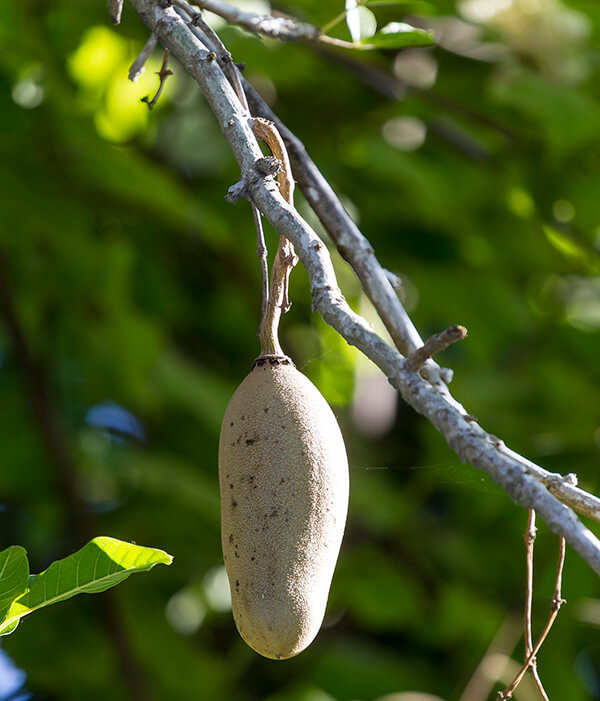
Across many African communities, sausage fruit has been valued for generations as more than just a striking tree fruit hanging from long stems. The fruit comes from the Kigelia africana, commonly known as the sausage tree, and it has played an important role in traditional healing practices across parts of West, East, and Southern Africa. Elders, herbalists, and traditional healers have long used different parts of the tree—including the fruit, bark, leaves, and roots—to prepare remedies for a wide range of everyday health concerns.
What makes sausage fruit especially fascinating is the way it sits at the intersection of medicine, culture, and spirituality. In many communities, healing was never viewed as purely physical. A person’s wellbeing was connected to family, community, nature, and spiritual balance. As a result, plants such as sausage fruit were often used not only for physical complaints but also in rituals meant to restore harmony and protection.
Today, interest in traditional African botanicals is growing worldwide. Researchers are studying the compounds found in Kigelia africana, while wellness consumers are exploring products made from the fruit. Yet the story of sausage fruit begins long before modern laboratories—it begins in African healing traditions passed down through generations.
What Is Sausage Fruit?
Botanical identity and origin

Sausage fruit comes from Kigelia africana, a tree native to tropical Africa. The tree belongs to the Bignoniaceae family and is widely recognized for its large hanging fruits, which can grow impressively long and heavy. The tree itself is often found near rivers, villages, and open woodland areas.
Traditional communities have used nearly every part of the tree. The bark may be prepared in decoctions, the leaves in poultices, and the fruit in various topical or herbal preparations. This whole-plant approach is common in many African herbal systems, where different plant parts are believed to offer different benefits.
Why it is called “sausage fruit”
The name comes from the fruit’s unusual appearance. Mature fruits hang from long rope-like stalks and resemble oversized sausages suspended from the branches. The appearance is so distinctive that travelers often remember the tree immediately after seeing it for the first time.
Historical Importance in African Healing Traditions
Role of traditional healers
Traditional healers held a respected position in many African societies. They were not only herbal experts but also counselors, midwives, and spiritual advisors. Sausage fruit was one of the plants that frequently appeared in their healing knowledge.
Knowledge about preparation methods was usually passed down orally. A healer might learn which part of the fruit to use, how long to dry it, and how to combine it with other herbs. These practices were often specific to a particular ethnic group or region.
Cultural and spiritual significance
In some communities, the sausage tree was associated with fertility, protection, and community wellbeing. The tree’s large fruit and abundant growth made it a symbol of productivity and life. Certain rituals incorporated parts of the tree during ceremonies related to birth, marriage, or protection from misfortune.
Traditional Uses for Women’s Health
Breast care practices

One of the most widely discussed traditional uses of sausage fruit relates to women’s breast care. In several African traditions, preparations made from the fruit were applied externally to support breast firmness and skin appearance.
These practices were typically topical rather than internal. The fruit might be dried, ground, and mixed with oils or other plant ingredients before being applied to the skin. It is important to note that these are traditional practices and beliefs, not established medical treatments.
Postpartum applications
After childbirth, some communities used herbal preparations containing sausage fruit as part of broader postpartum care. The goal was often to support recovery, comfort, and general wellbeing during the period following delivery.
Sausage Fruit for Skin Conditions
Traditional treatment for rashes
Skin care is another area where sausage fruit has a long history of traditional use. Herbalists sometimes prepared pastes or washes for rashes, irritations, and other minor skin concerns. The fruit was often combined with other local medicinal plants depending on the condition being treated.
Use on wounds and sores
In some regions, topical preparations were applied to sores, boils, and wounds as part of traditional wound care. The preparation methods varied widely, and healers often selected additional herbs based on local knowledge and availability.
Use for Joint and Muscle Discomfort
Herbal rubs and poultices

People engaged in farming, herding, and other physically demanding work frequently relied on herbal remedies for aches and stiffness. Sausage fruit was sometimes included in poultices and external rubs applied to sore muscles and joints.
Traditional massage preparations
In certain traditions, the fruit was infused into oils used for massage. The warming massage itself was considered an important part of the healing process, helping to improve comfort and relaxation.
Digestive and Internal Remedies
Bark, fruit, and leaf preparations
Traditional medicine systems often used combinations of bark, leaves, and fruit for various internal complaints. Preparations could include teas, decoctions, or mixtures with other herbs. Uses differed significantly between regions and healer traditions.
Traditional beliefs about detoxification
Some communities believed certain preparations helped cleanse the body or restore balance after illness. These ideas were rooted in traditional concepts of health and should not be interpreted as modern medical detox claims.
Modern Research on Sausage Fruit
Antioxidant compounds
Modern scientific interest in Kigelia africana has increased in recent years. Researchers have identified various plant compounds, including flavonoids, phenolic compounds, and other antioxidants, that may help explain some of the plant’s traditional popularity.
Anti-inflammatory investigations
Laboratory studies have explored the plant’s potential anti-inflammatory and antimicrobial properties. While these findings are promising, researchers continue to emphasize that more high-quality human studies are needed before firm medical conclusions can be made.
How Sausage Fruit Is Used Today
Powders and capsules

Today, sausage fruit is available in modern wellness formats such as powders and capsules. Many people choose these products because they are convenient and easier to incorporate into daily routines than traditional preparations.
If you are interested in trying sausage fruit supplements, Sausage Fruit Capsules are available on Behalal Organics, offering a convenient way to include this traditional African botanical in your wellness routine.
Wellness product trends
The growing popularity of African botanicals reflects a broader interest in traditional plant knowledge. Consumers are increasingly seeking products with cultural heritage and long histories of traditional use.
Safety Considerations
Traditional cautions
Traditional healers often emphasized that medicinal plants should be used with knowledge and care. Different preparations could have different strengths, and some remedies were intended only for external use.
When to seek professional advice
Talk to a healthcare professional before using sausage fruit products if you:
-
Are pregnant or breastfeeding.
-
Take prescription medications.
-
Have a chronic medical condition.
-
Plan to use herbal products regularly.
Traditional use does not automatically guarantee safety or effectiveness for every person.
Conclusion
Sausage fruit has a rich and fascinating history in African medicine. For generations, communities across the continent have used Kigelia africana for skin care, women’s health practices, muscle comfort, and various traditional remedies. Beyond its medicinal role, the tree has also carried cultural and spiritual significance, symbolizing fertility, protection, and wellbeing.
Modern research is beginning to explore some of the plant compounds that may contribute to its traditional reputation. While scientific evidence is still developing, the enduring use of sausage fruit highlights the depth of African herbal knowledge and the important role traditional medicine has played in community health for centuries.
For those interested in exploring this traditional botanical today, Sausage Fruit Capsules are available on Behalal Organics as a convenient modern option inspired by a long history of African herbal use.
Frequently Asked Questions (FAQs)
1. What is sausage fruit?
Sausage fruit is the large hanging fruit of Kigelia africana, commonly known as the sausage tree.
2. What was sausage fruit traditionally used for in Africa?
Traditional uses included skin care, women’s health practices, wound care, and herbal preparations for general wellbeing.
3. Is sausage fruit still used today?
Yes. It is available in modern forms such as powders, creams, and capsules.
4. Are sausage fruit capsules available on Behalal Organics?
Yes, sausage fruit capsules are available on Behalal Organics.
5. Does modern science support all traditional uses?
Not yet. Some laboratory studies are promising, but more human research is needed to confirm many traditional claims.
DISCLAIMER
This blog has not been approved by your local health department and is not intended to provide diagnosis, treatment, or medical advice. The content provided on this blog is for informational purposes only. Please consult with a physician or other healthcare professional regarding any medical or health-related diagnosis or treatment options. Information on this blog should not be considered as a substitute for advice from a healthcare professional. The claims made about specific products throughout this blog are not approved to diagnose, treat, cure, or prevent disease.
Explore Popular Articles
-

Pure Bitter Melon Extract Explained: Uses, Research, and Safety
22nd Oct 2026Article Outline - H1: Pure Bitter Melon Extract Explained: Uses, Research, and Safety H2: 1. Wha
-
What to Know About Herbal Digestive Support with Turmeric and Botanicals
21st Oct 2026Article Outline - H1: What to Know About Herbal Digestive Support with Turmeric and Botanicals H
-
What Are Kola Nut Bitters With Garlic, Ginger, and Moringa?
20th Oct 2026Article Outline - H1: What Are Kola Nut Bitters With Garlic, Ginger, and Moringa? H2: Understand