
Bitter Kola Nutrition Facts: Vitamins, Minerals & Compounds
Article Outline
- H1: Bitter Kola Nutrition Facts: Vitamins, Minerals & Compounds
- H2: What Is Bitter Kola?
- H3: Where Bitter Kola Comes From
- H2: Bitter Kola Nutrition at a Glance
- H3: Macronutrients and Basic Nutritional Composition
- H2: Vitamins Found in Bitter Kola
- H3: Vitamin C and B Vitamins
- H2: Minerals in Bitter Kola
- H3: Calcium, Magnesium, Potassium and Iron
- H2: The Phytochemicals That Make Bitter Kola Unique
- H3: Flavonoids, Tannins and Saponins
- H2: Kolaviron and Other Bioactive Compounds
- H2: Bitter Kola and Antioxidant Compounds
- H2: How Bitter Kola Compares With Other Nuts
- H2: Does Bitter Kola Contain Caffeine?
- H2: Why the Bitter Taste Matters
- H2: Bitter Kola Nutrition and Everyday Wellness
- H2: Raw Bitter Kola vs Bitter Kola Capsules
- H2: How to Add Bitter Kola to Your Routine
- H2: What Research Says About Bitter Kola
- H2: What the Current Evidence Does Not Prove
- H2: Choosing Quality Bitter Kola Supplements
- H2: Behalal Organics Bitter Kola Capsules
- H2: Safety, Dosage and Important Considerations
- H2: Conclusion
- H2: Frequently Asked Questions
- H2: What Is Bitter Kola?
Bitter Kola Nutrition Facts: Vitamins, Minerals & Compounds
Bitter kola is one of those traditional West African foods that can easily be underestimated. At first glance, it looks like a simple seed, and its famously sharp, bitter taste may not exactly make it seem like a nutritional superstar. Yet Garcinia kola, commonly called bitter kola or African wonder nut, contains a fascinating mixture of nutrients and naturally occurring plant compounds that have attracted both traditional users and modern researchers. If you have ever wondered what is actually inside bitter kola beyond its unmistakable bitterness, the answer goes much deeper than vitamins and minerals alone. Research has identified carbohydrates, protein, fats, minerals, vitamins, flavonoids, tannins, saponins, alkaloids, biflavonoids and several other phytochemicals in the seed, although the exact amounts can vary considerably depending on the sample, processing method and analytical technique used.
That variation is important because there is no single nutrition label that perfectly represents every bitter kola seed. One published analysis of dried bitter kola chips, for example, reported 12.7% protein, 6.27% fat, 6.27% crude fibre, 7.47% ash and 58.77% carbohydrate, while a major scientific review found substantial differences among earlier studies of the raw seed. In other words, bitter kola should not be treated like a standardized food such as rice or an apple where a single nutritional number tells the whole story. Its real nutritional interest lies in the combination of conventional nutrients and distinctive bioactive compounds. This article takes a closer look at the bitter kola nutrition facts, including its vitamins, minerals, phytochemicals and better-known compounds, while separating what scientific research has actually demonstrated from claims that still need stronger human evidence.
What Is Bitter Kola?
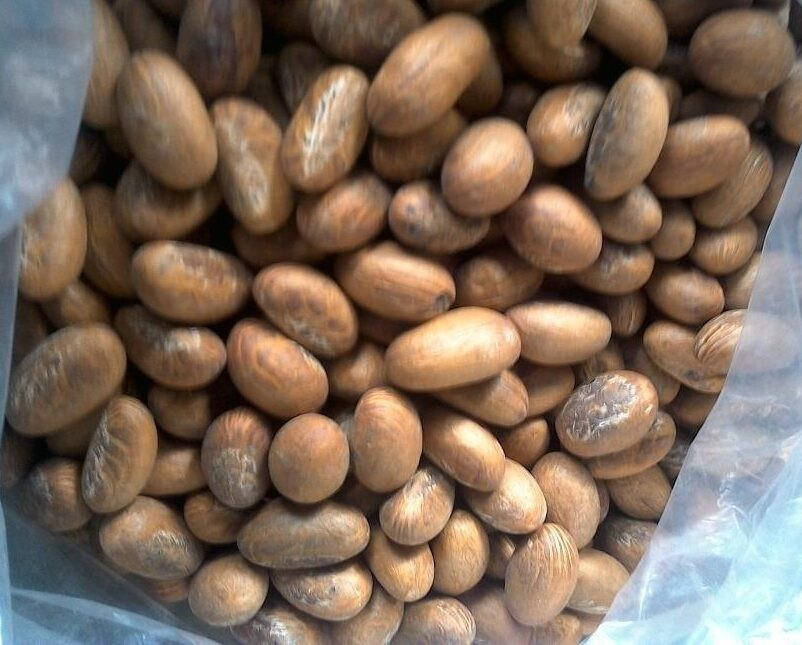
Bitter kola is the seed of Garcinia kola, a tree native to tropical regions of West and Central Africa. In Nigeria, the seed is widely known as orogbo, and it has a long history of cultural and traditional use. People commonly chew the fresh seed, particularly during social gatherings and traditional occasions, while others incorporate it into traditional wellness practices. Unlike conventional snack nuts that are generally chosen for their pleasant flavour, bitter kola has a distinctive sharpness that makes it immediately recognizable. That bitterness is not simply a culinary curiosity; it reflects the presence of a complex collection of naturally occurring plant chemicals that researchers continue to investigate.
The scientific interest surrounding bitter kola has grown because researchers have identified several classes of compounds in its seeds. A detailed review of Garcinia kola chemistry describes biflavonoids, benzophenones, benzofurans, benzopyrans, xanthones, phytosterols and vitamin E derivatives, among other constituents. This makes bitter kola different from a food whose value comes mainly from protein, carbohydrates or fat. Think of it as a small botanical package containing both basic nutrients and a chemical library of plant compounds. That does not mean every compound automatically produces a health benefit in humans, but it does explain why bitter kola has remained interesting to nutritional and pharmacological researchers.
Where Bitter Kola Comes From
Bitter kola grows naturally in tropical African environments, including parts of Nigeria, Cameroon and other sub-Saharan African countries. The tree belongs to the Clusiaceae family, and its seeds have traditionally been valued for both cultural and practical reasons. Scientific reviews describe Garcinia kola as an important West and Central African medicinal plant, while also emphasizing that many of its traditional applications still require rigorous clinical investigation.
This distinction between traditional use and clinical evidence is worth keeping in mind throughout any discussion of bitter kola. Traditional knowledge can point researchers toward interesting plants and compounds, but it is not automatically equivalent to proof that a food or supplement treats a medical condition. Bitter kola is particularly interesting because some of its compounds have demonstrated biological activity in laboratory and animal studies, yet researchers have highlighted the shortage of well-designed human clinical trials.
Bitter Kola Nutrition at a Glance
Bitter kola provides a mixture of macronutrients and micronutrients, although its nutritional profile depends heavily on whether you are looking at fresh seeds, dried seeds, chips, powder or an extract. One analysis of dried bitter kola chips found carbohydrates to be the largest macronutrient category at 58.77%, followed by protein at 12.7%, fat at 6.27% and crude fibre at 6.27%. The same study reported an energy value of approximately 3,000 kcal/kg, which works out to about 300 kcal per 100 grams of the analyzed dried material.
However, these figures should not be presented as a universal nutrition label for every bitter kola product. A comprehensive review of Garcinia kola found considerable disagreement among published studies and noted that the raw seed generally contains substantial moisture, while saccharides or nitrogen-free extracts make up a large portion of its composition. Processing changes the amount of water in the seed, and that alone can dramatically alter nutrient percentages when results are reported per 100 grams. So, when discussing bitter kola nutrition facts, it is more accurate to focus on the nutrients and compounds consistently identified in research rather than pretending every seed contains exactly the same quantities.
Macronutrients and Basic Nutritional Composition
The carbohydrate content of bitter kola appears to make up a significant portion of its basic nutritional composition, particularly after drying. Protein is present as well, although bitter kola is not generally considered a major protein source in the same way as legumes, meat, eggs or high-protein seeds. Fat is also present, and the seed contains fibre, which is relevant to normal digestive function. These nutrients make bitter kola more than just a collection of specialized phytochemicals; it is still a plant seed with a conventional nutritional foundation.
One interesting point from the scientific literature is that the nutritional composition of Garcinia kola can vary significantly between studies. Researchers have attributed some of these differences to factors such as plant variety, geographical origin, maturity, processing and analytical methodology. That is why it would be misleading to claim that bitter kola is exceptionally high in every nutrient simply because one laboratory analysis reported a particular concentration. Instead, the strongest takeaway is that bitter kola contains a broad nutritional profile alongside a particularly diverse collection of secondary plant metabolites.
Vitamins Found in Bitter Kola
Vitamins are another part of the bitter kola nutrition story, although they should be interpreted carefully. An analysis of dried bitter kola chips detected ascorbic acid, thiamine, niacin and riboflavin, corresponding to vitamin C and several B vitamins. The reported values in that particular study were approximately 18.23 mg/100 g of ascorbic acid, 0.27 mg/100 g of thiamine, 0.13 mg/100 g of niacin and 0.60 mg/100 g of riboflavin. These numbers demonstrate that bitter kola can contribute micronutrients, but they do not make the seed a substitute for a varied diet rich in fruits, vegetables, whole grains and other nutrient-dense foods.
Vitamin C is especially interesting because it is an essential nutrient involved in several normal physiological functions, including collagen formation and antioxidant activity. The B vitamins identified in bitter kola also have important roles in normal energy metabolism and cellular processes. But there is an important difference between containing a vitamin and being a major dietary source of that vitamin. A person would not normally rely on bitter kola alone to meet daily vitamin requirements, and the amount consumed as a supplement may be substantially smaller than the quantity used in laboratory nutritional analysis.
Vitamin C and B Vitamins
The presence of vitamin C in bitter kola contributes another layer to its nutritional profile. Vitamin C is widely recognized for its role in normal immune function, collagen synthesis and protection against oxidative damage. However, it is best to think of bitter kola as one possible contributor to dietary micronutrient intake rather than a replacement for familiar vitamin C-rich foods such as citrus fruits, peppers, guava and many other fruits and vegetables.
The reported presence of thiamine, riboflavin and niacin is equally interesting. These B vitamins participate in normal metabolic pathways that help the body use nutrients for energy and maintain normal cellular function. Still, the concentrations reported in bitter kola research differ from study to study, so using one laboratory result as a fixed nutritional standard would be inaccurate. This is one reason responsible nutrition content should distinguish between “contains” and “provides a clinically significant amount.”
Minerals in Bitter Kola
Minerals are among the more measurable nutritional components identified in bitter kola. The dried-chip analysis cited earlier detected iron, zinc, magnesium, calcium, potassium and phosphorus, with reported concentrations of approximately 9.37, 0.23, 23.33, 238.33, 26.67 and 323.33 mg per 100 grams, respectively. These findings show that bitter kola contains several minerals involved in normal body functions, although the nutritional significance depends on how much bitter kola is actually consumed and whether the material is fresh, dried, powdered or extracted.
Minerals are sometimes overlooked when people talk about herbal products because attention tends to focus on antioxidants or “active compounds.” Yet calcium, magnesium, potassium, iron and phosphorus are fundamental nutrients. They contribute to functions ranging from bone structure and muscle activity to oxygen transport and cellular energy processes. Bitter kola is therefore interesting not because it contains one magical nutrient, but because its seed brings together several categories of naturally occurring nutritional constituents.
Calcium, Magnesium, Potassium and Iron
The calcium value reported in one dried-chip study was relatively notable compared with several other minerals measured in the same sample. Calcium is essential for normal bones and teeth, while also participating in muscle contraction and nerve signaling. Magnesium contributes to numerous enzymatic reactions and is involved in normal muscle and nervous-system function. Potassium is an important electrolyte involved in fluid balance and normal muscle and nerve function.
Iron has a particularly familiar nutritional role because it is required for the formation of hemoglobin, the protein responsible for carrying oxygen in red blood cells. The reported iron content of bitter kola in the cited analysis was higher than its measured zinc content, although again, this should not be interpreted as a recommendation to use bitter kola as an iron supplement. Nutritional needs vary widely between individuals, and a person with confirmed iron deficiency should use a healthcare professional's advice rather than trying to correct the problem through an herbal product alone.
The Phytochemicals That Make Bitter Kola Unique
If vitamins and minerals explain part of bitter kola's nutritional identity, phytochemicals explain much of its scientific intrigue. Phytochemicals are naturally occurring chemicals produced by plants, and many have biological activities that researchers study in laboratory settings. Bitter kola contains several classes of these compounds, including flavonoids, tannins, saponins, alkaloids and biflavonoids.
The important point is that phytochemicals are not vitamins, minerals or macronutrients. They are secondary plant metabolites, and their presence does not automatically prove a particular health outcome in humans. Some compounds can show antioxidant, antimicrobial or anti-inflammatory activity in laboratory experiments, but the human body is far more complicated than a test tube. Researchers therefore need clinical trials to determine whether the same effects occur at realistic dietary doses. This is particularly important for bitter kola because some of its most interesting compounds have been studied extensively in cells and animals but much less extensively in people.
Flavonoids, Tannins and Saponins
Flavonoids are a broad group of plant compounds often associated with antioxidant activity. Bitter kola contains flavonoids, and one analysis of its dried chips reported approximately 58.33 mg/100 g. Tannins were also detected at a substantially higher reported level of approximately 233.33 mg/100 g, while saponins were reported at approximately 161.67 mg/100 g in that particular sample.
These numbers help illustrate why bitter kola cannot be described purely in terms of vitamins and minerals. Its phytochemical profile is substantial and chemically diverse. Tannins, for instance, are known for their astringent qualities, which may contribute to the characteristic sensation produced when chewing bitter plant materials. Saponins and flavonoids are found throughout the plant kingdom, and researchers continue to investigate their possible biological roles, but the presence of these compounds should not be turned into unsupported claims that bitter kola can cure or prevent specific diseases.
Kolaviron and Other Bioactive Compounds
One of the most talked-about compounds associated with bitter kola is kolaviron, a mixture of biflavonoids found in Garcinia kola seeds. Scientific literature identifies kolaviron as consisting primarily of biflavonoid components such as GB1, GB2 and kolaflavone. This compound has received significant attention because researchers have investigated it in experimental models involving oxidative stress, inflammation and other biological processes.
Kolaviron is fascinating, but it is also where exaggerated claims about bitter kola can easily begin. A critical review of Garcinia kola research found that many studies involving kolaviron relied on animal models and sometimes used doses that may not translate realistically to human consumption. The authors specifically emphasized the need for human clinical trials and better mechanism-of-action research before strong therapeutic conclusions can be made. So, while kolaviron is an important compound to know about, it should be described as a promising research compound, not as a proven treatment.
Bitter Kola and Antioxidant Compounds
The antioxidant story surrounding bitter kola is one of its most appealing features. Plants produce numerous compounds capable of interacting with free radicals and oxidative processes, and bitter kola contains several classes of compounds that have been investigated for these properties. The dried-chip study reported measurable oxygen radical absorption capacity along with flavonoids and other phytochemicals.
But there is a subtle distinction between antioxidant activity measured in a laboratory and an established health benefit in humans. A food may show antioxidant activity in a test tube without producing the same effect in the human body after digestion, absorption and metabolism. That is why scientific reviews of Garcinia kola remain cautious about translating experimental findings directly into medical claims. For everyday nutrition, the sensible approach is to appreciate bitter kola as one plant source of bioactive compounds while continuing to prioritize a diverse diet containing plenty of fruits, vegetables, whole foods and adequate protein.
How Bitter Kola Compares With Other Nuts
The word “kola” can make bitter kola sound similar to familiar edible nuts, but it is important not to assume they have identical nutritional profiles. Almonds, walnuts, peanuts and cashews are generally consumed in larger portions and are known for substantial amounts of fats, protein, fibre and minerals. Bitter kola is often consumed in much smaller quantities, particularly when used traditionally or in capsule form. As a result, comparing 100 grams of dried bitter kola with 100 grams of another nut can sometimes create a misleading picture of what an average person actually consumes.
Bitter kola's distinction is its combination of conventional nutrients and unusual phytochemicals. The scientific literature has identified compounds such as biflavonoids and benzophenones that are not what people usually associate with everyday snack nuts. So, if you are choosing between bitter kola and almonds, the better question is not “Which one is healthier?” but “What role does each one play in my diet?” Almonds can be a convenient source of protein, unsaturated fats and minerals, while bitter kola is more notable for its traditional use and diverse plant-compound profile.
Does Bitter Kola Contain Caffeine?
Caffeine is one area where online discussions about bitter kola can become confusing. Some sources associate bitter kola with stimulant-like effects, while others make sweeping claims about its caffeine content. The important thing is to distinguish bitter kola, Garcinia kola, from other kola species and from kola nut products used traditionally in beverages. Different plants can contain different stimulant compounds, so the names should not be treated as interchangeable.
The strongest nutritional research on Garcinia kola focuses on its phytochemicals, minerals, vitamins and other constituents rather than presenting it as a standardized caffeine source. A previous Behalal Organics article has described caffeine among compounds associated with bitter kola, but scientific reviews emphasize a much broader chemical profile and the considerable limitations in existing research. If stimulant sensitivity is a concern, it is sensible to discuss bitter kola use with a qualified healthcare professional rather than assuming that its effects are identical to coffee or conventional caffeinated kola products.
Why the Bitter Taste Matters
The name gives away the first clue: bitter kola is bitter. That intense taste is not accidental, and it is part of what makes the seed such an interesting botanical. The flavour and mouthfeel of plant foods are often influenced by their secondary metabolites, including compounds such as tannins and other phenolic substances. The presence of these compounds helps explain why bitter kola feels very different from sweet fruits or conventional snack nuts.
For traditional users, the bitterness has never necessarily been a disadvantage. In fact, it is part of the identity of the seed. Modern consumers who dislike the flavour have another option: encapsulated bitter kola powder. This is one reason products such as Behalal Organics' Bitter Kola Capsules can be appealing to people who want the convenience of a measured botanical serving without having to chew the raw seed.
Bitter Kola Nutrition and Everyday Wellness
A healthy diet is more like a mosaic than a single puzzle piece. You need different foods supplying different nutrients, and no single seed, fruit, powder or capsule can provide everything the body needs. Bitter kola can fit into that bigger picture because it contains macronutrients, micronutrients and a diverse collection of plant compounds. The goal should be to use it as part of a balanced lifestyle rather than treating it as a replacement for nutritious meals.
The scientific literature supports interest in Garcinia kola's chemical composition, but it also urges caution when translating laboratory findings into human health claims. That balanced perspective is actually good news for consumers because it keeps the focus where it belongs: understanding what you are taking, choosing a quality product and maintaining realistic expectations. If you enjoy bitter kola traditionally or prefer it in capsule form, it can be one component of a broader wellness routine that also includes good nutrition, physical activity, hydration and adequate sleep.
Raw Bitter Kola vs Bitter Kola Capsules
Raw bitter kola has a long cultural history, but modern lifestyles do not always make raw seeds the most convenient option. Fresh seeds can have a powerful taste and require preparation, while their nutritional composition can change depending on storage and processing. Capsules, by contrast, are designed to offer a more convenient way to consume powdered bitter kola without the intense bitterness. This can make a difference for people who want consistency and portability.
Behalal Organics currently offers Bitter Kola 100 Quick Release Capsules, made with 500 mg of bitter kola powder per vegetarian capsule. The product page states that the formulation contains bitter kola powder without binders, fillers, additives or dyes, and provides a recommended use of two to three capsules daily with water. As with any supplement, consumers should read the product label carefully and consider their individual circumstances before adding it to their routine.
How to Add Bitter Kola to Your Routine
If you are already familiar with bitter kola, you may prefer the traditional approach of consuming the raw seed. If the taste is too strong, capsules provide an easier alternative. The most important thing is to avoid the common supplement mindset that taking more automatically means getting more benefits. Plant compounds are biologically active substances, and responsible use matters.
For Behalal Organics' capsule product, the listed serving guidance is two to three capsules daily with water. However, individual needs can differ, and anyone taking prescription medication, managing a medical condition, pregnant or breastfeeding should seek professional medical advice before using herbal supplements. A simple routine is usually better than an overly complicated one: follow the product directions, stay within the recommended amount and pay attention to how your body responds.
What Research Says About Bitter Kola
Modern research has confirmed that Garcinia kola contains a remarkably diverse chemical profile. A comprehensive scientific review identified several classes of secondary metabolites, including biflavonoids, benzophenones, benzofurans, benzopyrans, xanthones and phytosterols. Researchers have also investigated compounds such as kolaviron and garcinol in experimental settings, which helps explain the growing scientific interest in this traditional African plant.
At the same time, the quality and relevance of the evidence vary. Some findings come from laboratory experiments, while others come from animal models rather than human clinical trials. The critical review of Garcinia kola specifically warns against assuming that experimental doses or effects automatically translate into practical human treatment. That means the most accurate description of bitter kola today is that it is a nutritionally and phytochemically interesting botanical with promising areas of research, rather than a proven cure for specific diseases.
What the Current Evidence Does Not Prove
This distinction deserves its own section because bitter kola is frequently discussed online using very strong health claims. Research into Garcinia kola has explored antioxidant, antimicrobial, anti-inflammatory, metabolic and other biological activities, but many of these findings come from laboratory or animal research. A scientific review published in Phytochemistry Reviews concluded that human clinical trials and mechanism-of-action studies are still needed to establish whether compounds from Garcinia kola can be translated into therapeutic applications.
So, bitter kola should not be marketed as a guaranteed treatment for diabetes, cancer, infertility, infections, hypertension or other medical conditions. Nor should a supplement be used as a substitute for prescribed treatment. The more responsible and scientifically honest message is much simpler: bitter kola contains interesting nutrients and bioactive plant compounds, and researchers are continuing to investigate their potential biological effects. That statement is both useful to consumers and consistent with the current evidence.
Choosing Quality Bitter Kola Supplements
If you decide to purchase bitter kola as a supplement, ingredient transparency should be high on your checklist. Look for a clearly identified botanical name, the amount of bitter kola per serving, a complete ingredient list and clear directions for use. A reputable product should also tell you whether additional binders, fillers, dyes or other ingredients have been included.
Behalal Organics lists its Bitter Kola Capsules as 500 mg per vegetarian capsule, with 100 capsules in the bottle. The product description states that it uses pure bitter kola powder and contains no binders, fillers, additives or dyes. Those details make it easier for consumers to understand exactly what they are purchasing. When shopping for any herbal supplement, transparency is far more useful than dramatic promises.
Behalal Organics Bitter Kola Capsules
If you want bitter kola without the strong taste of the raw seed, Behalal Organics Bitter Kola Capsules provide a convenient option. The current product is listed as 100 quick-release vegetarian capsules containing 500 mg of bitter kola powder per capsule. Behalal Organics describes the product as 100% pure bitter kola powder without binders, fillers, additives or dyes.
Shop Bitter Kola Capsules at Behalal Organics
The biggest advantage for many people is simply convenience. Instead of dealing with the intense bitterness of raw bitter kola, you can incorporate the capsule into your existing supplement routine. Behalal Organics currently lists the product at $24.95 for 100 capsules, although prices and availability can change.
Safety, Dosage and Important Considerations
Natural does not automatically mean appropriate for everyone. Bitter kola is a biologically active plant, and individual reactions can vary. Behalal Organics advises customers to consult a healthcare professional before using the product if they are pregnant, breastfeeding, taking medications or managing a medical condition. This is sensible advice because supplements can interact with medications or may not be suitable for particular individuals.
The product's current listed recommendation is two to three 500 mg capsules daily with water. Do not assume that exceeding the suggested amount will provide additional benefits. If you notice an unusual reaction after taking a supplement, stop using it and speak with a healthcare professional. Children should not be given herbal supplements unless a qualified healthcare professional specifically recommends them.
Conclusion
Bitter kola is much more than a famously bitter West African seed. Its nutritional profile includes carbohydrates, protein, fat, fibre, minerals and several vitamins, while its phytochemical profile contains compounds such as flavonoids, tannins, saponins, alkaloids and distinctive biflavonoids including kolaviron. One published analysis of dried bitter kola chips found measurable amounts of calcium, magnesium, potassium, phosphorus, iron, zinc, vitamin C, thiamine, niacin and riboflavin, although the exact nutritional composition varies according to the sample and processing method.
What makes bitter kola particularly interesting is the combination of ordinary nutrients and unusual plant compounds. Scientific research has identified a wide range of bioactive constituents, but researchers also emphasize that many proposed therapeutic effects remain based on laboratory or animal studies rather than strong human clinical evidence. That means bitter kola can be appreciated for what the evidence genuinely supports without turning it into a miracle cure.
If you enjoy bitter kola but do not enjoy its intense flavour, capsules offer a practical alternative. Behalal Organics currently makes Bitter Kola Capsules available in a 500 mg vegetarian capsule format, providing a convenient way to incorporate bitter kola powder into a daily wellness routine. As always, use supplements responsibly, follow the manufacturer's directions and speak with a healthcare professional when you have questions about interactions, pregnancy, breastfeeding or an existing medical condition.
Frequently Asked Questions
1. What nutrients are found in bitter kola?
Bitter kola contains a mixture of macronutrients and micronutrients. Research has identified carbohydrates, protein, fat, fibre, calcium, magnesium, potassium, phosphorus, iron and zinc, along with vitamin C and several B vitamins in analyzed samples. The exact quantities can vary depending on the form and processing method.
2. What compounds make bitter kola unique?
Bitter kola contains several interesting phytochemicals, including flavonoids, tannins, saponins, alkaloids and biflavonoids. Kolaviron is one of the best-known compounds associated with Garcinia kola and has been extensively investigated in experimental research.
3. Is bitter kola a good source of vitamins and minerals?
Bitter kola does contain several vitamins and minerals, but it should not be treated as a replacement for a varied, balanced diet. One study identified vitamin C, thiamine, niacin, riboflavin and minerals including calcium, magnesium, potassium, phosphorus and iron.
4. Where can I buy bitter kola capsules?
Behalal Organics currently offers 100 Bitter Kola Quick Release Capsules containing 500 mg of bitter kola powder per vegetarian capsule. The product is listed as containing no binders, fillers, additives or dyes.
Shop Bitter Kola at Behalal Organics
5. Is bitter kola scientifically proven to treat diseases?
Not at this point. Researchers have reported interesting biological activities from Garcinia kola and its compounds, but a critical scientific review notes that much of the evidence comes from laboratory and animal research and that more human clinical trials are needed. Bitter kola should therefore be viewed as a traditional botanical and dietary supplement, not as a proven treatment for disease.
DISCLAIMER
This blog has not been approved by your local health department and is not intended to provide diagnosis, treatment, or medical advice. The content provided on this blog is for informational purposes only. Please consult with a physician or other healthcare professional regarding any medical or health-related diagnosis or treatment options. Information on this blog should not be considered as a substitute for advice from a healthcare professional. The claims made about specific products throughout this blog are not approved to diagnose, treat, cure, or prevent disease.
Explore Popular Articles
-
5 Simple Ways to Incorporate Black Seed Powder Into Your Diet
14th Oct 20265 Simple Ways to Incorporate Black Seed Powder Into Your Diet Black seed powder is a simple ingredie
-

Mondia Whitei Honey: Potential Benefits and Important Considerations
13th Oct 2026Mondia Whitei Honey is a topic of interest for people exploring traditional African botanicals, hone
-

Sea Moss Powder with Elderberry: Benefits, Uses, and How to Take It
7th Oct 2026Sea Moss Powder with Elderberry: Benefits, Uses, and How to Take It Sea moss has become a familiar n