
Baobab for Women’s Health and Hormonal Balance
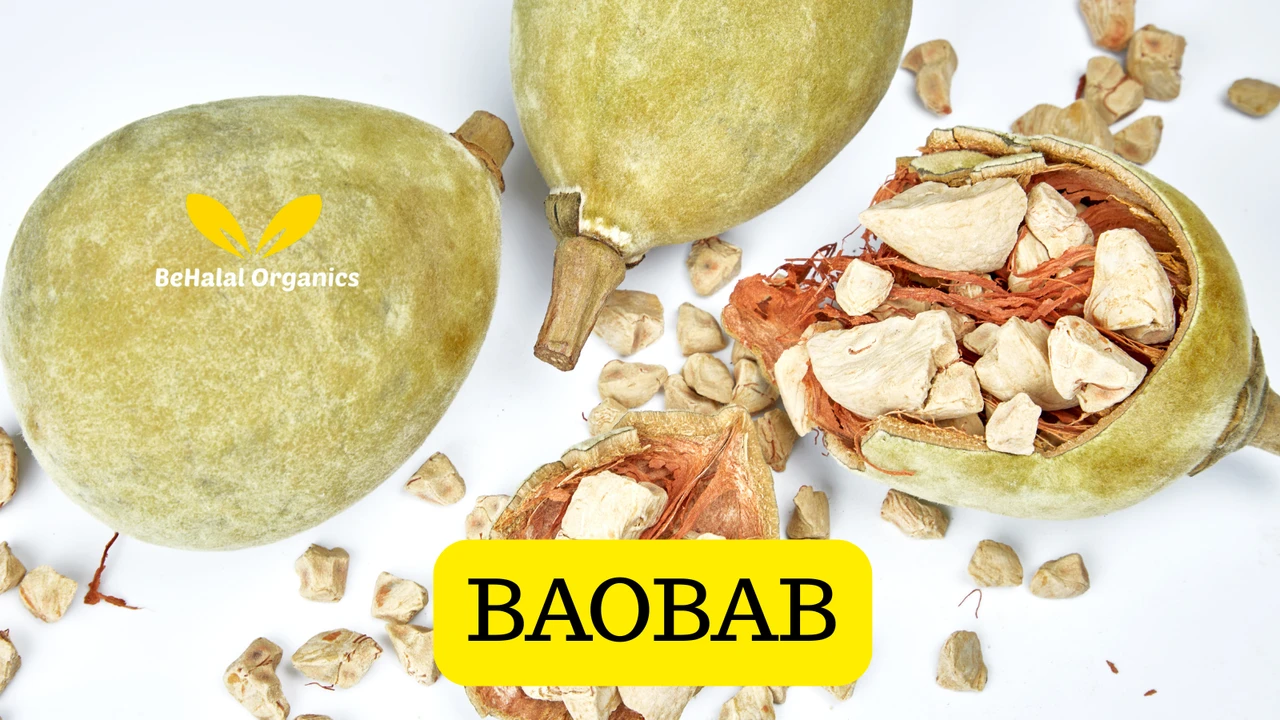
There is a reason more women are becoming interested in natural wellness solutions instead of relying only on quick fixes that barely address the root of the problem. Fatigue, mood swings, bloating, painful periods, stubborn weight gain, low energy, poor sleep, and skin breakouts often feel disconnected at first. But in many cases, hormones are sitting quietly behind the scenes, pulling the strings. That is where nutrient-rich superfoods like baobab are gaining serious attention. Across Africa, baobab has been valued for generations, but now modern wellness research is finally catching up to what many communities have known for centuries.
Baobab is more than just another trendy health ingredient. It is a nutrient-dense fruit from the iconic African baobab tree, scientifically known as Adansonia digitata. The fruit pulp contains impressive amounts of vitamin C, fiber, antioxidants, calcium, magnesium, and potassium. Recent studies published in 2025 highlighted baobab’s strong antioxidant activity and nutritional profile, especially its vitamin C and fiber content. These nutrients play important roles in supporting women’s overall wellness, energy levels, digestion, immune health, and hormonal balance.
Women today are juggling careers, businesses, family responsibilities, stress, and social pressures all at once. Hormones respond to every part of that lifestyle puzzle. Think of hormones like a carefully coordinated orchestra. When one instrument goes off-key, the entire performance feels chaotic. Baobab may not be magic, but its nutritional support can help the body function more smoothly and consistently over time.
Understanding Baobab and Why Women Are Paying Attention
What Makes Baobab a Superfruit?
The word “superfood” gets thrown around so often these days that it almost loses meaning. But baobab genuinely earns that title because of its remarkable nutritional density. Unlike highly processed supplements loaded with artificial ingredients, baobab is naturally packed with nutrients that the body can recognize and use efficiently. One of the standout features of baobab is its naturally high vitamin C content, which helps support collagen production, iron absorption, immune function, and stress response. According to recent nutritional studies, baobab pulp also contains significant levels of antioxidants and essential minerals.
Women often struggle with nutritional depletion without realizing it. Busy schedules can lead to skipped meals, poor food choices, excessive caffeine intake, and chronic stress. Over time, the body starts showing warning signs. Hair may thin, energy levels may crash midday, skin may appear dull, and periods may become irregular or more painful. Nutrient-rich foods become essential during these moments because the body cannot maintain hormonal balance without proper nutritional support.
Baobab is also naturally rich in dietary fiber, which supports digestion and blood sugar balance. Blood sugar swings are closely connected to hormonal issues because unstable glucose levels can affect insulin, cortisol, and even reproductive hormones. Imagine trying to build a stable house on shaky ground. That is what hormonal health feels like when blood sugar constantly spikes and crashes. Baobab’s fiber content helps create steadier internal balance.
Traditional African Uses of Baobab
Long before wellness influencers started adding baobab to smoothies, African communities were already using the fruit, leaves, and seeds in traditional diets and remedies. In many regions, baobab was valued as a nourishing food source during dry seasons because of its nutrient density and long shelf life. Women especially consumed baobab as part of daily meals to support strength, digestion, and overall vitality.
In countries across West and East Africa, baobab drinks have traditionally been used for hydration and energy support. Some communities also used baobab during pregnancy and postpartum recovery because of its mineral content. While traditional use is not the same as clinical proof, it often provides clues about the long-standing relationship between food and wellness practices.
Today, global research is beginning to validate many of these traditional beliefs. Studies continue exploring baobab’s antioxidant properties, gut health potential, and nutritional value. The growing interest in plant-based wellness solutions has pushed baobab from local African markets into international health stores and supplement brands worldwide.
The Nutritional Profile of Baobab
Vitamins and Minerals That Support Women
Women’s nutritional needs shift constantly through menstruation, pregnancy, postpartum recovery, and menopause. That is why nutrient diversity matters so much. Baobab contains a combination of nutrients that support several systems in the body at once rather than focusing on just one isolated issue.
Here is a quick breakdown of key nutrients found in baobab and why they matter:
| Nutrient | Potential Benefit for Women |
|---|---|
| Vitamin C | Supports immune health and stress response |
| Calcium | Helps maintain bone strength |
| Magnesium | Supports muscle relaxation and hormone balance |
| Potassium | Helps maintain fluid balance |
| Fiber | Supports digestion and blood sugar control |
| Antioxidants | Help reduce oxidative stress |
Recent research from Cameroon and Ghana highlighted baobab’s rich mineral profile and antioxidant capacity. This matters because oxidative stress has been linked to hormonal disruption, inflammation, and accelerated aging. Women dealing with chronic stress often experience higher oxidative stress levels, making antioxidant-rich foods especially important.
Antioxidants and Fiber Benefits
Many women focus heavily on external beauty products while overlooking internal nourishment. But healthy skin, stable energy, and balanced moods often begin in the gut and bloodstream. Baobab’s antioxidants help combat free radicals that contribute to inflammation and cellular stress. Meanwhile, the fiber content supports digestion and gut health, which are increasingly connected to hormone regulation.
Gut health and hormones are more connected than most people realize. The gut microbiome influences estrogen metabolism, nutrient absorption, and inflammation levels. Emerging studies on baobab are now exploring its role in gut and cardiometabolic health. A healthier gut environment may indirectly support better hormonal stability over time.
Think about your digestive system like a busy highway. When traffic flows smoothly, everything moves efficiently. But when digestion becomes sluggish or inflamed, it can create backups that affect energy, mood, skin, and hormonal balance. Baobab’s fiber helps keep that internal system moving more efficiently.
How Hormonal Imbalance Affects Women
Common Signs of Hormonal Imbalance
Hormonal imbalance does not always arrive dramatically. Sometimes it sneaks in slowly through subtle symptoms that women dismiss as “normal stress.” One month it is unusual fatigue. Then it becomes irregular periods, mood swings, bloating, acne, cravings, anxiety, or low libido. Eventually, the body starts sounding louder alarms.
Common symptoms women experience include:
- Irregular menstrual cycles
- Fatigue and burnout
- Weight fluctuations
- Sleep difficulties
- Mood changes
- Skin breakouts
- Hair thinning
- Digestive discomfort
The frustrating part is that hormones are interconnected. When cortisol becomes elevated due to stress, it can affect reproductive hormones. Blood sugar instability can influence insulin and estrogen balance. Poor sleep can disrupt hunger hormones and stress hormones simultaneously. It becomes a chain reaction.
Women are often expected to keep functioning normally despite feeling physically and emotionally drained. That pressure can make hormonal symptoms worse because chronic stress keeps the body in survival mode. Nutritional support alone may not solve every hormonal issue, but it can become part of a more supportive wellness routine.
Lifestyle Factors That Trigger Hormonal Issues
Modern lifestyles are not exactly hormone-friendly. Ultra-processed foods, sleep deprivation, excessive sugar, chronic stress, environmental toxins, and sedentary habits all place pressure on the endocrine system. Even social media burnout can contribute indirectly by increasing anxiety and mental exhaustion.
One of the biggest hormonal disruptors today is chronic stress. When stress remains constant, cortisol levels stay elevated. The body prioritizes survival instead of balance. Reproductive health, sleep quality, digestion, and energy production can all suffer in response.
This is why nutrient-dense foods matter so much. The body requires adequate vitamins, minerals, antioxidants, and fiber to regulate stress responses and maintain normal functions. Baobab cannot replace healthy habits, but it may support the body during periods of physical and emotional strain.
Baobab and Hormonal Balance
The Role of Vitamin C in Hormone Support
Vitamin C does more than support immunity. It also plays an important role in adrenal gland function and cortisol regulation. The adrenal glands are deeply involved in the body’s stress response. During periods of chronic stress, the demand for vitamin C increases because the body uses it rapidly.
Baobab’s naturally high vitamin C content makes it attractive for women trying to support energy and resilience naturally. Research continues to highlight baobab as a valuable vitamin C source. Stable stress responses can indirectly help support hormonal health because excessive cortisol often interferes with reproductive hormones.
Women constantly operating in “go-go-go” mode may notice they feel wired but exhausted at the same time. That pattern often reflects stress overload. Supporting the body nutritionally becomes incredibly important during those moments.
Fiber and Blood Sugar Regulation
Blood sugar balance is one of the most underrated parts of hormonal wellness. When blood sugar spikes sharply after meals, insulin levels also rise. Repeated insulin spikes may contribute to inflammation, cravings, energy crashes, and hormonal disruptions over time.
Baobab’s fiber content helps slow digestion and support steadier glucose responses. That may help women feel fuller for longer while reducing dramatic energy crashes. Stable blood sugar can also support mood stability and reduce cravings.
Imagine your energy levels like waves in the ocean. Processed sugary foods create violent crashes and spikes. Fiber-rich foods help create smoother, more manageable waves instead of emotional and physical rollercoasters.
Baobab and Stress Management
Stress management is not just about meditation apps and bubble baths. The body also needs nutritional resources to handle stress effectively. Magnesium, antioxidants, and vitamin C all contribute to stress resilience in different ways.
Baobab’s nutritional composition may help support the body during stressful periods by supplying nutrients involved in energy production and recovery. Some emerging studies are exploring baobab’s broader metabolic effects and antioxidant properties. While more human studies are still needed, the current nutritional evidence remains promising.
Baobab for Different Stages of Women’s Health
Baobab During Menstrual Cycles
Periods can feel like a monthly battle for many women. Cramps, bloating, fatigue, irritability, cravings, and low energy often disrupt daily routines. Nutritional deficiencies may intensify these symptoms, especially when women lose iron and minerals during menstruation.
Baobab’s vitamin C content may help support iron absorption from meals, while its minerals and antioxidants contribute to overall nourishment. Many women also appreciate fiber-rich foods during their cycle because digestion can become sluggish around menstruation.
Baobab for Fertility and Reproductive Wellness
Fertility health involves many interconnected factors, including stress levels, nutrient intake, sleep quality, inflammation, and metabolic health. Baobab is not a fertility treatment, but nutrient-rich foods can help support the body’s overall wellness environment.
Women preparing for pregnancy often focus on improving nutrition before conception. Antioxidants are especially important because oxidative stress may negatively affect reproductive health. Baobab’s antioxidant profile makes it an appealing addition to wellness-focused diets.
Baobab During Pregnancy and Postpartum
Pregnancy and postpartum recovery dramatically increase nutritional demands. Many women experience exhaustion and depletion during this period, especially while breastfeeding and recovering physically.
Because baobab contains nutrients like calcium, potassium, vitamin C, and fiber, some women incorporate it into balanced diets during postpartum wellness routines. However, pregnant women should always consult healthcare professionals before adding supplements or concentrated products.
Baobab and Menopause Support
Menopause often brings hot flashes, mood changes, fatigue, sleep disruption, and metabolic shifts. Nutrition becomes increasingly important during this stage because hormonal changes affect bone density, energy, and cardiovascular health.
Fiber-rich and antioxidant-rich foods may support overall wellness during menopause. Baobab’s nutrient profile aligns well with many wellness goals women prioritize during midlife and beyond.
Scientific Research on Baobab
Recent Studies on Nutritional Benefits
Scientific interest in baobab has grown significantly over the past few years. Multiple recent studies published in 2024 and 2025 highlighted baobab’s nutritional density, antioxidant properties, and mineral content. Researchers continue exploring how these properties may support metabolic and overall health.
Emerging Research on Metabolic and Gut Health
Recent clinical research protocols are now examining baobab’s potential effects on gut and cardiometabolic health. Scientists are especially interested in how baobab’s fiber and polyphenol content may influence inflammation and metabolic markers.
Although more human trials are still needed, the growing body of research reflects increasing scientific recognition of baobab’s wellness potential.
Best Ways to Use Baobab Daily
Baobab Powder vs Capsules
Baobab is available in several forms, but powder and capsules remain the most popular. Powder works well in smoothies, yogurt, oats, juices, and wellness drinks. Capsules offer convenience for women with busy schedules who want consistency without preparation.
| Form | Best For |
|---|---|
| Powder | Smoothies and recipes |
| Capsules | Easy daily supplementation |
| Drinks | Quick hydration support |
How to Add Baobab to Meals and Drinks
Some easy ways women use baobab include:
- Mixing powder into smoothies
- Adding it to yogurt bowls
- Stirring into oatmeal
- Blending into fresh juice
- Taking capsules daily with water
For women who prefer simplicity, Baobab Capsules available on Behalal Organics provide a convenient option that fits into busy lifestyles.
Why Many Women Choose Baobab Capsules
Convenience and Consistency
Consistency matters when it comes to wellness routines. Many women struggle to maintain healthy habits because life becomes hectic. Capsules remove the preparation barrier and make daily use easier.
Instead of carrying powders everywhere or measuring servings constantly, capsules offer quick convenience. This is especially helpful for women balancing work, parenting, business, and household responsibilities all at once.
Choosing Quality Products
Not all supplements are created equally. Quality sourcing, purity, and proper packaging matter significantly. Women looking for baobab supplements should prioritize trusted wellness brands that focus on quality ingredients.
Many women choose Baobab Capsules from Behalal Organics because they want a simple and natural way to support their wellness routines.
Conclusion
Women’s health is deeply interconnected. Hormones influence energy, mood, sleep, metabolism, skin, digestion, and reproductive wellness. Supporting hormonal balance often requires a combination of stress management, healthy nutrition, sleep, movement, and consistent self-care habits.
Baobab stands out because it delivers multiple nutritional benefits in one natural superfruit. Its fiber, antioxidants, vitamin C, and mineral content make it a valuable addition to wellness-focused lifestyles. While it is not a miracle cure, it offers meaningful nutritional support that aligns with many women’s health goals.
As modern research continues exploring baobab’s health properties, more women are rediscovering what African communities have valued for generations. Whether through powder, drinks, or capsules, baobab is becoming part of everyday wellness routines worldwide.
FAQs
1. Can baobab help with hormonal imbalance?
Baobab may support overall wellness through its nutrient profile, especially fiber, antioxidants, and vitamin C, which contribute to stress response and metabolic health.
2. Is baobab good for women during menstruation?
Many women use baobab as part of a balanced diet because it contains nutrients that support energy, digestion, and overall wellness during menstrual cycles.
3. How do women take baobab daily?
Women commonly use baobab in smoothies, yogurt, juices, oatmeal, or capsule form for convenience.
4. Are baobab capsules better than powder?
Neither is necessarily better. Capsules are more convenient, while powder offers flexibility for recipes and drinks.
5. Where can I buy baobab capsules?
You can shop for baobab capsules at Behalal Organics.
Explore Popular Articles
-
What Is Mondia Whitei Powder? Uses, Traditional Benefits, and Preparation
15th Oct 2026Mondia Whitei powder is a plant-based product made from the dried and ground parts of Mondi
-
5 Simple Ways to Incorporate Black Seed Powder Into Your Diet
14th Oct 20265 Simple Ways to Incorporate Black Seed Powder Into Your Diet Black seed powder is a simple ingredie
-

Mondia Whitei Honey: Potential Benefits and Important Considerations
13th Oct 2026Mondia Whitei Honey is a topic of interest for people exploring traditional African botanicals, hone