
Why Fenugreek Is Becoming a Popular Natural Wellness Supplement
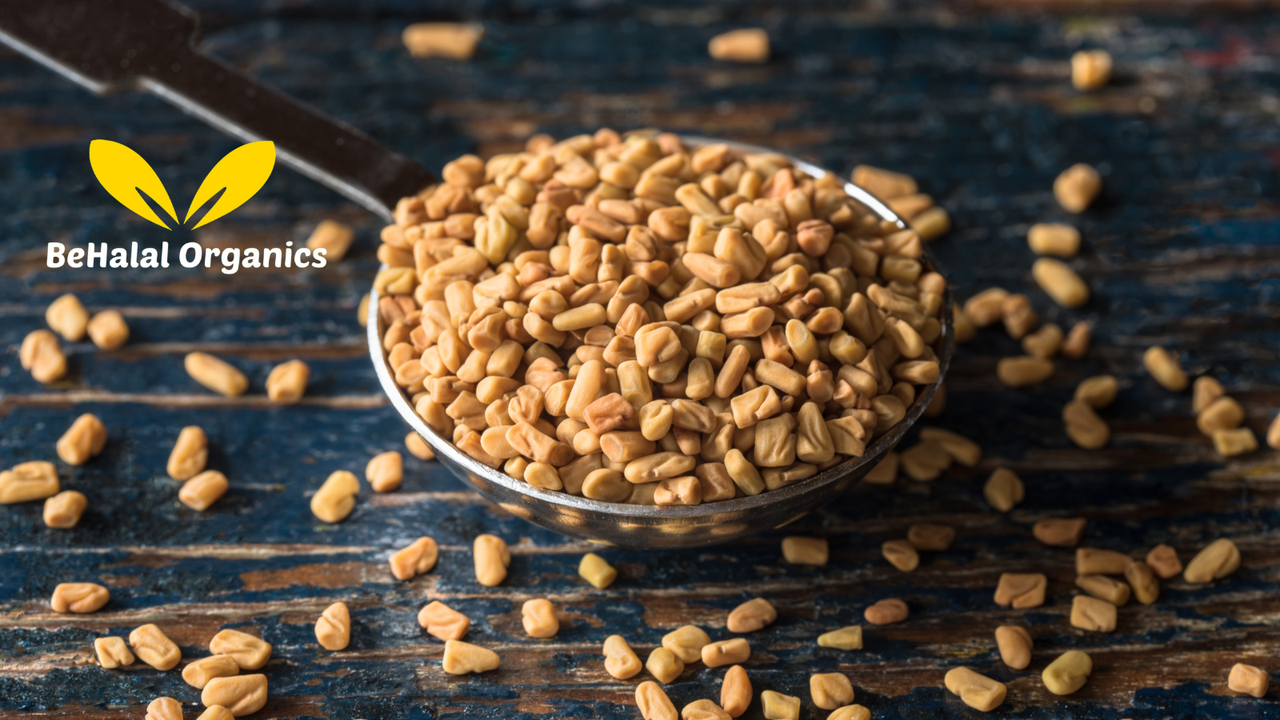
Fenugreek has quietly moved from traditional kitchens and herbal medicine cabinets into the spotlight of the modern wellness industry. Once mostly known as a flavorful spice used in Indian, Middle Eastern, and North African dishes, fenugreek is now appearing in capsules, powders, teas, protein blends, hair products, and fitness supplements around the world. Health-conscious consumers are increasingly turning toward natural wellness solutions, and fenugreek has become one of the herbs attracting serious attention because of its wide range of potential benefits.
Recent studies and growing online discussions suggest that people are exploring fenugreek for blood sugar support, digestive health, hormonal balance, energy, fitness performance, lactation support, and even hair and skin wellness. Researchers continue to investigate its bioactive compounds and their effects on the body, especially in areas linked to metabolism and inflammation.
Before diving into the full article, here’s the complete outline.
Article Outline
- H1: Why Fenugreek Is Becoming a Popular Natural Wellness Supplement
- H2: What Is Fenugreek?
- H3: The Ancient Origins of Fenugreek
- H3: Nutritional Composition of Fenugreek
- H2: Why Natural Wellness Supplements Are Trending
- H3: The Shift Toward Plant-Based Health Solutions
- H3: Consumer Interest in Traditional Remedies
- H2: Key Health Benefits Driving Fenugreek’s Popularity
- H3: Fenugreek and Blood Sugar Support
- H3: Fenugreek for Digestive Wellness
- H3: Heart Health and Cholesterol Management
- H3: Fenugreek and Hormonal Balance
- H4: Benefits for Men
- H4: Benefits for Women
- H2: Fenugreek in the Fitness and Sports Industry
- H3: Energy, Endurance, and Muscle Performance
- H3: Why Athletes Are Paying Attention
- H2: Fenugreek for Skin, Hair, and Beauty
- H3: Traditional Beauty Uses
- H3: Modern Cosmetic Applications
- H2: Different Ways to Use Fenugreek
- H3: Capsules, Powders, Teas, and Seeds
- H3: How to Add Fenugreek to Your Diet
- H2: Side Effects and Safety Considerations
- H3: Who Should Avoid Fenugreek?
- H2: Why Fenugreek Is Likely Here to Stay
- H2: Conclusion
- H2: FAQs
- H2: What Is Fenugreek?
What Is Fenugreek?
Fenugreek, scientifically known as Trigonella foenum-graecum, is a medicinal herb that has been used for thousands of years across Asia, the Mediterranean, and parts of Africa. The plant produces small golden-brown seeds with a slightly bitter taste and a unique aroma that many people compare to maple syrup. While fenugreek has long been a staple spice in cooking, modern wellness culture has transformed it into a highly sought-after supplement.
The growing popularity of fenugreek is tied to the increasing demand for natural alternatives to synthetic wellness products. People are searching for ingredients that feel closer to nature and have historical roots in traditional healing systems. Fenugreek fits perfectly into that movement because it bridges both culinary and medicinal use. It is not just marketed as a trendy herb; it already has centuries of traditional use supporting its reputation.
The Ancient Origins of Fenugreek
Fenugreek’s history stretches back to ancient Egypt, where it was reportedly used for medicinal and culinary purposes. Traditional Ayurvedic and Chinese medicine also used fenugreek for digestive health, energy support, and women’s wellness. In many cultures, mothers consumed fenugreek after childbirth because it was believed to help support breast milk production.
Today, wellness brands are essentially repackaging an ancient herb for modern lifestyles. That familiarity appeals to consumers who are skeptical of heavily processed supplements. People often feel more comfortable trying something that has been traditionally used for generations rather than a newly invented laboratory formula.
Nutritional Composition of Fenugreek
Fenugreek seeds contain fiber, protein, iron, magnesium, and several plant compounds that researchers believe contribute to its wellness benefits. According to recent nutrition data, one tablespoon of fenugreek seeds contains about 3 grams of fiber and notable amounts of iron and magnesium.
The herb is also rich in compounds like saponins, alkaloids, flavonoids, and diosgenin. These natural compounds are the reason scientists continue studying fenugreek’s possible impact on metabolism, inflammation, and hormonal balance. Unlike many wellness trends that fade after social media hype disappears, fenugreek has actual nutritional depth supporting its popularity.
Why Natural Wellness Supplements Are Trending
The wellness industry has experienced a dramatic shift over the last few years. Consumers are paying closer attention to ingredient labels, sourcing methods, and long-term health effects. Instead of relying solely on synthetic supplements, many people are exploring herbs, adaptogens, and functional foods that feel more holistic and sustainable.
Fenugreek benefits from this larger cultural shift. It represents everything modern wellness consumers are searching for: plant-based origins, traditional use, multiple health applications, and growing scientific interest. Social media influencers, nutrition experts, herbal practitioners, and fitness enthusiasts are all contributing to the herb’s growing visibility.
The Shift Toward Plant-Based Health Solutions
Plant-based wellness has expanded beyond food. Consumers now want herbal teas, botanical capsules, natural protein blends, and functional ingredients that align with a healthier lifestyle. Fenugreek naturally fits into these categories because it can be used in foods, drinks, supplements, and even beauty products.
Many people also feel exhausted by the endless cycle of highly marketed miracle supplements. Fenugreek feels different because it has an earthy, traditional image rather than a futuristic one. It carries the perception of authenticity, and in today’s wellness culture, authenticity sells.
Consumer Interest in Traditional Remedies
Another reason fenugreek is gaining momentum is the renewed respect for traditional remedies. People are revisiting ingredients their grandparents once used and discovering that modern science is beginning to validate some of those practices.
Online communities and wellness forums are filled with discussions about fenugreek experiences, from digestion and energy to hormonal support and fitness performance. Some users describe improved wellness routines after adding fenugreek consistently into their diets, though individual experiences vary widely.
Key Health Benefits Driving Fenugreek’s Popularity
Fenugreek’s growing reputation comes from the fact that it is associated with several different areas of wellness instead of just one. That versatility makes it attractive to a broad audience. Someone interested in blood sugar support may use it for completely different reasons than someone focused on fitness or hormonal health.
Fenugreek and Blood Sugar Support
One of the most researched areas involving fenugreek is blood sugar management. Several studies and meta-analyses have explored how fenugreek seeds may influence glucose metabolism and insulin sensitivity. Researchers continue examining how compounds in fenugreek interact with metabolic pathways connected to diabetes and blood sugar control.
Some wellness experts believe the high fiber content in fenugreek may help slow carbohydrate absorption, which could contribute to steadier blood sugar levels. Recent reports also mention potential improvements in insulin sensitivity when fenugreek is consumed consistently alongside a healthy lifestyle.
This is one reason fenugreek appeals to modern consumers. Blood sugar concerns are no longer limited to older adults or diagnosed diabetics. Younger wellness enthusiasts are becoming proactive about metabolic health, and fenugreek has entered that conversation as a natural option worth exploring.
Fenugreek for Digestive Wellness
Digestive health has become one of the biggest wellness trends globally. From probiotics to fermented foods, consumers are increasingly aware of the connection between digestion and overall well-being. Fenugreek’s fiber-rich profile makes it especially appealing in this category.
Traditionally, fenugreek has been used to support digestion and soothe stomach discomfort. Many people soak the seeds overnight or brew them into tea to include them in daily wellness routines. The fiber content may also help support feelings of fullness, which explains why fenugreek is sometimes discussed in weight management conversations.
A recent wellness report even included fenugreek among spices associated with weight-management support, although experts emphasize that no herb alone can replace healthy lifestyle habits.
Heart Health and Cholesterol Management
Heart wellness is another reason fenugreek supplements are becoming more mainstream. Emerging studies suggest fenugreek may influence cholesterol levels, including LDL and HDL cholesterol markers.
That possibility attracts health-conscious adults looking for natural ways to support cardiovascular wellness. With heart disease remaining a major global health concern, supplements associated with cholesterol support naturally attract attention. Fenugreek is increasingly included in wellness discussions alongside ingredients like garlic, turmeric, and flaxseed.
The appeal lies in prevention. Many consumers are not waiting until they develop major health issues before improving their routines. Instead, they are building wellness habits early, and fenugreek is becoming part of that preventive lifestyle approach.
Fenugreek and Hormonal Balance
Hormonal wellness is one of the biggest drivers behind fenugreek’s rising popularity. Both men and women are exploring the herb for different reasons connected to hormones, energy, mood, and reproductive health.
Benefits for Men
Fenugreek has become increasingly visible in men’s wellness and sports supplements. Some studies suggest fenugreek extracts may influence testosterone-related markers, exercise performance, and stamina.
Fitness enthusiasts are particularly interested because fenugreek is often marketed as a natural performance-support ingredient. Men looking for alternatives to harsh stimulants or synthetic hormone boosters may find fenugreek appealing because it sounds more balanced and plant-based.
That said, experts continue emphasizing the need for more large-scale research. While some studies and user experiences appear promising, results are not universal, and supplements affect individuals differently.
Benefits for Women
Fenugreek has a long-standing association with women’s wellness. Traditionally, it has been used to support lactation, menstrual comfort, and overall hormonal balance. Modern wellness brands frequently market fenugreek capsules and teas toward postpartum mothers and women seeking natural wellness support.
Some studies suggest fenugreek may help with menstrual discomfort and breast milk production, though healthcare professionals still encourage caution and professional guidance during pregnancy and breastfeeding.
Women are also interested in fenugreek because many wellness discussions frame it as a “whole-body” herb rather than a single-purpose supplement. That broad wellness image makes it attractive to consumers who prefer holistic approaches.
Fenugreek in the Fitness and Sports Industry
Walk into any modern supplement store and you will likely find fenugreek somewhere near the protein powders and performance boosters. The herb has become increasingly popular among gym-goers, athletes, and people focused on endurance training.
Energy, Endurance, and Muscle Performance
Recent fitness-related studies have explored fenugreek’s possible role in muscle strength, stamina, and workout recovery. One recent trial reported improvements in strength and endurance markers among resistance-training participants using a fenugreek extract supplement.
This growing interest comes at a time when many athletes are moving away from overly aggressive stimulant-based supplements. Consumers want cleaner ingredients and more sustainable energy support. Fenugreek’s natural image gives it a competitive advantage in the crowded sports nutrition market.
People are increasingly viewing wellness and fitness as interconnected rather than separate goals. Fenugreek fits into both categories, which expands its appeal dramatically.
Why Athletes Are Paying Attention
Athletes today care about more than muscle size. They also focus on recovery, hormonal health, inflammation, sleep quality, and long-term sustainability. Fenugreek’s reputation for supporting multiple aspects of wellness makes it attractive to that audience.
Online fitness communities frequently discuss fenugreek experiences, with some users mentioning increased energy, mood improvements, or better workout endurance.
Of course, experiences vary widely, and fenugreek should never be treated as a miracle performance enhancer. The real reason athletes are paying attention is because the herb aligns with the broader “natural performance optimization” movement.
Fenugreek for Skin, Hair, and Beauty
Fenugreek is no longer limited to health supplements. Beauty brands have started incorporating fenugreek into shampoos, hair masks, skincare products, and herbal beauty blends.
Traditional Beauty Uses
For generations, people used fenugreek pastes and oils in homemade beauty routines. In many cultures, fenugreek was applied to the scalp or skin because it was believed to nourish hair and improve skin appearance.
That traditional use matters because modern consumers are increasingly interested in beauty rituals rooted in cultural heritage rather than purely commercial beauty trends.
Modern Cosmetic Applications
Today, fenugreek appears in hair serums, herbal conditioners, and skincare products targeting hydration and scalp wellness. Online beauty communities frequently discuss fenugreek for hair thickness and scalp care, although scientific evidence in this area remains limited.
The beauty industry thrives on storytelling, and fenugreek offers a compelling narrative. It feels ancient yet modern, simple yet multifunctional. That combination is marketing gold in today’s wellness economy.
Different Ways to Use Fenugreek
One reason fenugreek continues growing in popularity is its versatility. Unlike some supplements that only exist in capsule form, fenugreek can be incorporated into daily life in several ways.
Capsules, Powders, Teas, and Seeds
Consumers can find fenugreek in:
| Form | Common Use |
|---|---|
| Capsules | Convenient daily supplementation |
| Powder | Smoothies, drinks, recipes |
| Whole Seeds | Soaking, teas, cooking |
| Tea | Herbal wellness beverages |
| Extracts | Sports and wellness supplements |
This flexibility allows users to choose the format that best fits their lifestyle. Someone focused on convenience may prefer capsules, while another person may enjoy adding fenugreek powder into smoothies or traditional recipes.
How to Add Fenugreek to Your Diet
Fenugreek can be surprisingly easy to include in meals. The seeds are commonly added to curries, soups, spice blends, and herbal teas. Some people soak the seeds overnight before consuming them in the morning.
Others prefer modern supplement forms because they provide standardized serving sizes and reduce the herb’s naturally bitter taste. Wellness companies have capitalized on this by creating flavored powders, gummies, and capsules designed for everyday use.
At Behalal Organics, consumers can also explore natural wellness supplements designed to support healthier lifestyles through plant-based ingredients and holistic wellness solutions.
Side Effects and Safety Considerations
Despite its growing popularity, fenugreek is not suitable for everyone. Like many herbal supplements, it can cause side effects or interact with medications. Experts often recommend speaking with a healthcare professional before starting regular supplementation, especially for people with existing medical conditions.
Some reported side effects include digestive discomfort, allergic reactions, and the famous maple syrup-like body odor associated with fenugreek consumption.
Who Should Avoid Fenugreek?
Pregnant women are generally advised to avoid high doses of fenugreek because of potential safety concerns. People with peanut or chickpea allergies may also need caution because fenugreek belongs to the legume family.
Consumers should also remember that “natural” does not automatically mean “risk-free.” Responsible supplementation always matters, especially when herbs can affect metabolism, hormones, or medications.
Why Fenugreek Is Likely Here to Stay
Some wellness trends disappear almost as quickly as they arrive. Fenugreek feels different because it already has deep historical roots, cultural relevance, nutritional value, and growing scientific attention. It is not just surviving on influencer hype alone.
The herb also fits perfectly into multiple booming industries at once: natural wellness, sports nutrition, women’s health, digestive wellness, beauty, and functional foods. Very few ingredients have that level of versatility.
Consumers are becoming more intentional about their health choices. They want ingredients that feel authentic, multifunctional, and connected to long-standing wellness traditions. Fenugreek checks all those boxes. As research continues evolving and wellness brands keep innovating new product formats, fenugreek’s popularity will likely continue climbing.
Conclusion
Fenugreek’s rise in the wellness world is not happening by accident. The herb combines ancient tradition with modern consumer interests in natural health, functional nutrition, and holistic wellness. People are increasingly drawn toward ingredients that support multiple aspects of well-being without feeling overly artificial or heavily processed.
From blood sugar support and digestive wellness to fitness performance and hormonal balance, fenugreek has earned attention across several health categories. Scientific research is still evolving, but the growing body of studies, consumer experiences, and market demand all point toward one reality: fenugreek has become far more than just a kitchen spice.
As more people prioritize preventive wellness and plant-based lifestyles, fenugreek’s role in the supplement industry will likely continue expanding. Whether used in teas, capsules, powders, or recipes, this ancient herb has found a powerful new place in modern health culture.
FAQs
1. What is fenugreek mainly used for?
Fenugreek is commonly used for blood sugar support, digestive wellness, hormonal balance, lactation support, and fitness-related supplementation.
2. Is fenugreek safe to take daily?
Many people use fenugreek daily, but safety depends on dosage, health conditions, and medications. Consulting a healthcare professional is recommended before long-term use.
3. Does fenugreek really help with blood sugar?
Some studies suggest fenugreek may support healthy blood sugar management and insulin sensitivity, although more large-scale research is still needed.
4. Why does fenugreek make people smell like maple syrup?
Fenugreek contains compounds that can produce a sweet maple syrup-like odor in sweat and urine. This effect is widely reported by users.
5. Can fenugreek help with fitness and muscle performance?
Some studies and user reports suggest fenugreek may support endurance, stamina, and strength during resistance training.
DISCLAIMER
This blog has not been approved by your local health department and is not intended to provide diagnosis, treatment, or medical advice. The content provided on this blog is for informational purposes only. Please consult with a physician or other healthcare professional regarding any medical or health-related diagnosis or treatment options. Information on this blog should not be considered as a substitute for advice from a healthcare professional.
Explore Popular Articles
-

Pure Bitter Melon Extract Explained: Uses, Research, and Safety
22nd Oct 2026Article Outline - H1: Pure Bitter Melon Extract Explained: Uses, Research, and Safety H2: 1. Wha
-
What to Know About Herbal Digestive Support with Turmeric and Botanicals
21st Oct 2026Article Outline - H1: What to Know About Herbal Digestive Support with Turmeric and Botanicals H
-
What Are Kola Nut Bitters With Garlic, Ginger, and Moringa?
20th Oct 2026Article Outline - H1: What Are Kola Nut Bitters With Garlic, Ginger, and Moringa? H2: Understand