
How Abere Seeds Supports Healthy Blood Sugar Levels
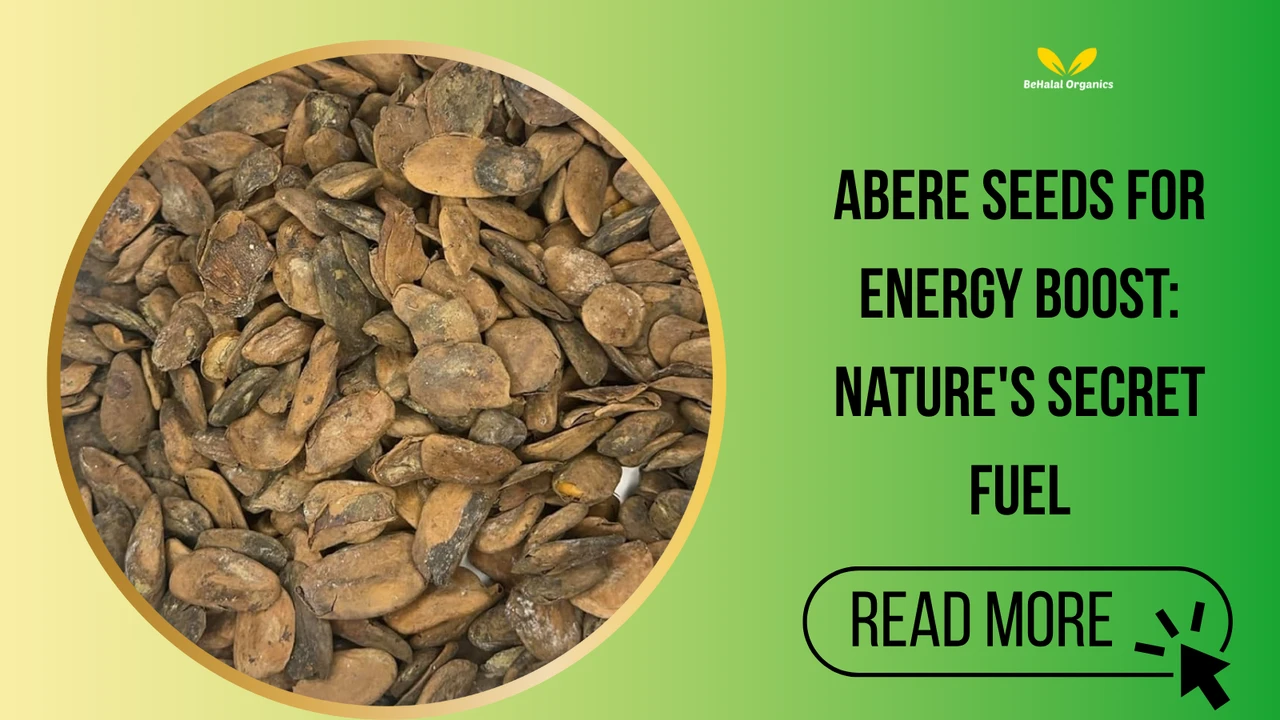
If you've been searching for a natural way to support your blood sugar, chances are you've come across the name "Abere seed" somewhere along the line — maybe from a friend, a herbal seller, or an older relative who swears by it. Abere, known botanically as Hunteria Umbellata, is one of those plants that has quietly been part of traditional medicine in West Africa for generations, long before it started showing up in bottled tinctures and capsules.
In this article, we're going to break down what Abere seed actually is, why it's linked to blood sugar support, how it's traditionally used, and what you genuinely need to know before adding it to your routine.
What Is Abere Seed (Hunteria Umbellata)?
Hunteria Umbellata is a flowering plant found across parts of West Africa, particularly in Nigeria, where it grows in forest zones and is harvested for its seeds. Depending on the region, it goes by different local names — Abere, Nsukakara, Erin, or Osu — but it's the same plant at the core of it all.
The seeds are the part traditionally used. They're typically dried, ground, or extracted into a liquid form (a tincture) to make them easier to consume and to help the body absorb the active compounds more efficiently.
For decades, local herbalists have prepared Abere seed as a remedy for various health concerns, but its most well-known and widely discussed use today is in supporting healthy blood sugar levels — which is why it's become such a talked-about ingredient in natural health circles.
Why Is Abere Seed Linked to Blood Sugar Support?
To understand why Abere seed has this reputation, it helps to understand a little about what happens in the body when blood sugar isn't well managed.
When you eat, your body breaks food down into glucose, which enters your bloodstream. Insulin, a hormone produced by the pancreas, helps move that glucose into your cells to be used as energy. When this process doesn't work as smoothly as it should — whether because the body isn't producing enough insulin or isn't using it effectively — glucose builds up in the blood instead of being used properly. Over time, this can lead to the kind of blood sugar imbalance associated with conditions like type 2 diabetes.
Hunteria Umbellata seeds contain natural plant compounds, including alkaloids, that traditional practitioners and some early research have associated with supporting the body's ability to manage glucose. The general belief, passed down through traditional use, is that these compounds may help support healthier insulin response and assist the body in keeping blood sugar within a more balanced range.
It's important to be upfront here: while there is a long history of traditional use and a growing amount of interest from researchers, Hunteria Umbellata is not a scientifically confirmed cure for diabetes, and it hasn't gone through the same rigorous, large-scale clinical trials that pharmaceutical diabetes medications have. What it has is generations of traditional use and a body of preliminary interest that keeps drawing attention to it — which is exactly why so many people are curious enough to try it as a natural support option.
How Abere Seed Is Traditionally Prepared and Used
Traditionally, the seeds are either:
- Dried and ground into a powder, which can be mixed into water or taken directly
- Boiled to make a decoction, a kind of herbal tea
- Extracted into a tincture, which is now the most common and convenient modern form, since tinctures are easier to dose consistently and tend to have a longer shelf life
Tinctures have become popular because they take away the guesswork of preparing the raw seed at home. A well-made tincture concentrates the seed's natural compounds into a liquid form that's simple to measure out and take daily.
Whichever form is used, the underlying principle traditional users hold onto is consistency — Abere seed isn't typically seen as a quick fix, but as something taken regularly over time as part of an overall approach to managing blood sugar.
What to Realistically Expect
If you're considering Abere seed or a Hunteria Umbellata tincture, it helps to go in with the right expectations:
- It's a support, not a replacement. If you're on prescribed diabetes medication, Abere seed should not be used as a substitute without your doctor's guidance. Never stop or adjust prescribed medication on your own.
- Consistency matters more than quantity. Traditional use emphasizes steady, regular intake rather than taking a large amount all at once.
- Results vary from person to person. Factors like diet, activity level, how advanced a person's blood sugar issue is, and overall health all play a role in how someone responds.
- It works best alongside lifestyle changes. Reducing refined sugar and processed carbohydrates, staying hydrated, eating more fiber, and getting regular movement all support whatever benefit the seed may offer — none of these replace the other.
A Word of Caution
Natural doesn't automatically mean risk-free. Abere seed, like any herbal remedy, should be approached with some care:
- Pregnant or breastfeeding women should avoid it unless specifically advised by a qualified healthcare provider.
- People currently on diabetes medication or other prescription drugs should speak to a doctor first, since combining herbal remedies with certain medications can sometimes cause unwanted interactions, including blood sugar dropping too low.
- It isn't recommended for children without professional medical guidance.
- Anyone with an existing health condition should check with a healthcare provider before starting any new herbal product, including this one.
This isn't meant to scare you away from trying it — it's meant to help you use it responsibly, the same way you'd approach any supplement that affects something as important as your blood sugar.
Final Thoughts
Abere seed, or Hunteria Umbellata, carries with it generations of traditional trust in West African herbal medicine, and its growing popularity today comes from real people sharing real experiences of it supporting their blood sugar management journey. It's not a miracle overnight fix, and it shouldn't be treated as one — but for many people looking for a natural addition to their routine alongside a healthier lifestyle and proper medical care, it's a plant worth understanding and considering.
As with anything that affects your health, the smartest approach is an informed one: know what you're taking, understand how it's traditionally used, and loop your doctor in if you're managing an existing condition.
Frequently Asked Questions
1. Is Abere seed the same as Hunteria Umbellata? Yes. Abere is simply the common local name used in parts of Nigeria for the plant scientifically known as Hunteria Umbellata. Other regions may know it by different names, but it refers to the same seed.
2. Can Abere seed cure diabetes? No. Abere seed is traditionally used to support healthy blood sugar levels, but it is not a proven cure for diabetes. Diabetes is a medical condition that requires proper diagnosis and management from a healthcare provider. Abere seed may be used as a natural support alongside professional medical care, not as a replacement for it.
3. How long does it take before I notice a difference? This varies from person to person, depending on factors like current blood sugar levels, diet, consistency of use, and overall health. Some people report noticing changes within a few weeks of consistent use, while for others it may take longer. Patience and consistency are key.
4. Can I take Abere seed tincture alongside my prescribed diabetes medication? You should not combine it with prescribed medication without first speaking to your doctor. Herbal remedies can sometimes interact with medications, and your doctor is best positioned to advise you based on your specific health situation.
5. Are there any side effects to watch out for? As with most herbal products, individual reactions can vary. Some people may experience mild digestive discomfort when starting out. If you notice anything unusual or concerning after use, discontinue and consult a healthcare provider. It's always best to start with the recommended amount rather than assuming more will work faster.
DISCLAIMER
This blog has not been approved by your local health department and is not intended to provide diagnosis, treatment, or medical advice. The content provided on this blog is for informational purposes only. Please consult with a physician or other healthcare professional regarding any medical or health-related diagnosis or treatment options. Information on this blog should not be considered as a substitute for advice from a healthcare professional. The claims made about specific products throughout this blog are not approved to diagnose, treat, cure, or prevent disease.
Explore Popular Articles
-
What Is Mondia Whitei Powder? Uses, Traditional Benefits, and Preparation
15th Oct 2026Mondia Whitei powder is a plant-based product made from the dried and ground parts of Mondi
-
5 Simple Ways to Incorporate Black Seed Powder Into Your Diet
14th Oct 20265 Simple Ways to Incorporate Black Seed Powder Into Your Diet Black seed powder is a simple ingredie
-
Mondia Whitei Honey: Potential Benefits and Important Considerations
13th Oct 2026Mondia Whitei Honey is a topic of interest for people exploring traditional African botanicals, hone