
Fresh Ginger vs Dried Ginger: Which Is Better?
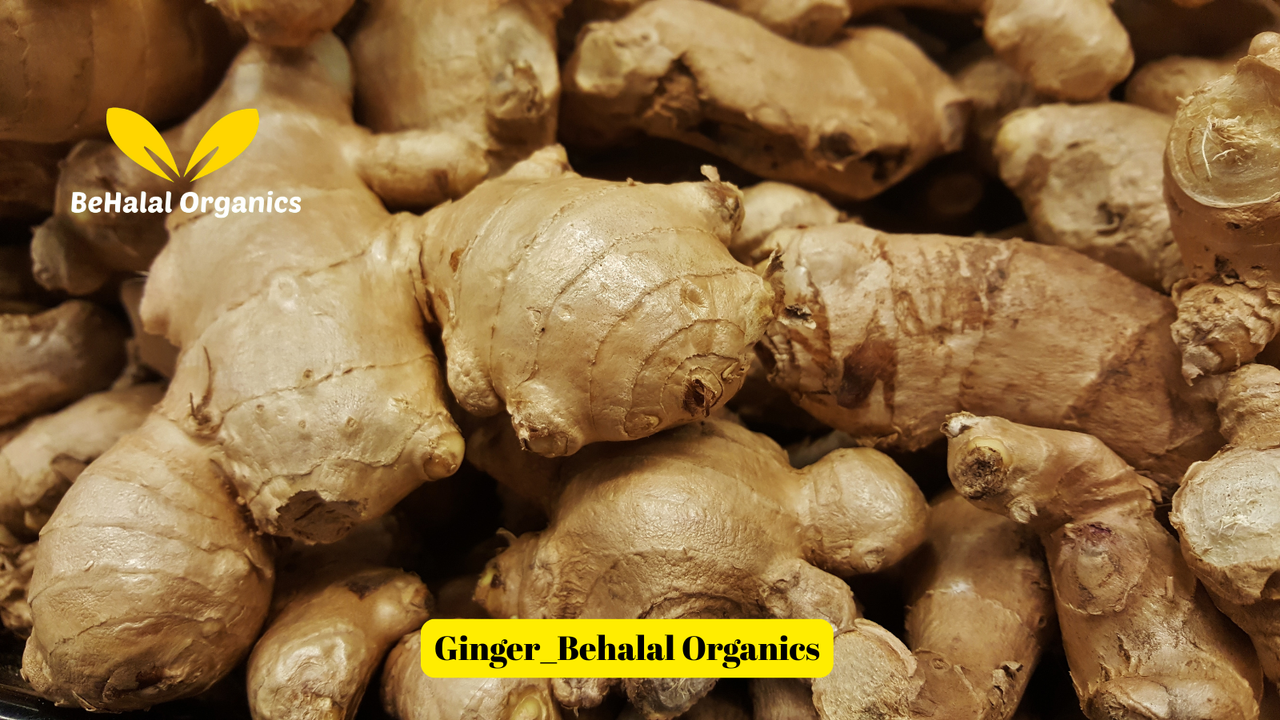
Understanding Ginger and Its Importance
Ginger has been treasured for centuries across Asia, Africa, and the Middle East for both culinary and medicinal purposes. This humble root is packed with naturally occurring compounds that contribute to its distinctive flavor and impressive health-supporting properties. Whether added to tea, blended into smoothies, used in soups, or taken as a supplement, ginger remains one of the most widely used natural ingredients in the wellness world.
The popularity of ginger continues to grow because people are increasingly searching for natural ways to support digestion, immunity, and overall wellness. Modern research has helped explain why traditional cultures valued ginger for so long. Scientists have identified bioactive compounds such as gingerols, shogaols, and zingerone, which contribute to ginger's antioxidant and anti-inflammatory properties. Studies suggest these compounds may help support digestive comfort, reduce occasional nausea, and promote healthy inflammatory responses.
One question that often arises is whether fresh ginger or dried ginger is the better choice. The answer is not as straightforward as many people think. Both forms offer unique advantages, and understanding their differences can help you choose the right option for your specific health goals.
What Makes Ginger a Powerful Natural Remedy?
Ginger contains hundreds of natural compounds, but the most important are gingerols and shogaols. These compounds act like the "active workforce" inside ginger, providing many of its health-supporting effects. Fresh ginger contains higher levels of gingerols, while dried ginger contains increased levels of shogaols due to the drying process.
Think of fresh and dried ginger as two versions of the same athlete. They belong to the same team, but they excel in different events. Fresh ginger shines when it comes to digestive support and nausea relief, while dried ginger often demonstrates stronger anti-inflammatory activity because of its higher shogaol concentration.
As more people become interested in holistic wellness, ginger supplements, capsules, teas, and powders have become increasingly popular. This growth reflects a broader shift toward natural health solutions that fit into modern lifestyles without requiring complicated routines.
Fresh Ginger Explained
Nutritional Profile of Fresh Ginger
Fresh ginger is the raw rhizome harvested directly from the plant. It contains water, fiber, essential oils, vitamins, minerals, and a rich concentration of gingerols. These gingerols are responsible for the sharp, spicy flavor that fresh ginger is known for.
Fresh ginger also contains volatile oils that give it a bright, refreshing aroma. These oils can contribute to its digestive-supporting properties and make fresh ginger especially appealing in beverages, soups, stir-fries, and herbal preparations. Because fresh ginger contains more moisture, its flavor tends to be lighter and more vibrant compared to dried ginger.
One of the biggest advantages of fresh ginger is its versatility. You can grate it into meals, steep it into tea, blend it into juices, or add it to marinades. This flexibility makes it easy to incorporate into everyday meals while enjoying both its flavor and wellness benefits.
Key Health Benefits of Fresh Ginger
Fresh ginger is particularly valued for digestive health. Many people turn to fresh ginger tea when experiencing occasional digestive discomfort, bloating, or nausea. Research continues to support ginger's traditional use for promoting digestive comfort and supporting normal gastrointestinal function.
Fresh ginger is also commonly used during travel, pregnancy-related nausea (with medical guidance), and general stomach discomfort. Its gingerol content appears to play a significant role in these benefits. The fresh form's naturally occurring oils may further contribute to its soothing effects on the digestive system.
Another advantage is its antioxidant activity. Antioxidants help the body combat oxidative stress, which can affect overall health and wellness. When consumed regularly as part of a balanced lifestyle, fresh ginger can become a valuable component of a health-conscious diet.
Dried Ginger Explained
How Dried Ginger Is Made
Dried ginger begins as fresh ginger. Through drying or heating processes, moisture is removed from the root, resulting in a more concentrated product. During this transformation, significant chemical changes occur. The gingerols naturally present in fresh ginger gradually convert into compounds known as shogaols.
This conversion is important because shogaols are believed to possess stronger biological activity in certain areas than gingerols. Research has shown that drying and heating can significantly increase shogaol levels while reducing gingerol concentrations.
The result is a form of ginger that has a warmer, deeper, and more concentrated flavor profile. Dried ginger is commonly found as powder, capsules, extracts, and herbal blends.
Nutritional Profile of Dried Ginger
Because moisture is removed during drying, dried ginger becomes more concentrated. This means smaller amounts can deliver substantial levels of active compounds. Dried ginger is rich in shogaols and other beneficial phytochemicals that contribute to its unique properties.
The drying process also extends shelf life significantly. Unlike fresh ginger, which may spoil within weeks, dried ginger powder can remain usable for months when stored properly. This makes it a convenient option for people who want a longer-lasting ginger product.
Its concentrated nature also makes dried ginger an attractive ingredient for supplements. Many manufacturers use dried ginger extracts in capsules because they provide consistency and convenience.
Key Health Benefits of Dried Ginger
Dried ginger is especially known for its anti-inflammatory potential. Studies indicate that shogaols may exhibit stronger biological activity than gingerols in certain situations. Researchers have observed that drying significantly increases shogaol content, potentially enhancing some of ginger's wellness-supporting properties.
Many people choose dried ginger to support joint comfort, seasonal wellness, and overall health maintenance. Traditional medicine systems have long favored dried ginger for warming the body and supporting circulation.
Because it is concentrated, dried ginger can also be easier to consume consistently. A capsule or measured powder serving provides predictable amounts without requiring preparation or cooking.
Fresh Ginger vs Dried Ginger Comparison
Active Compounds and Potency
The biggest difference between fresh and dried ginger lies in their active compounds.
| Feature | Fresh Ginger | Dried Ginger |
|---|---|---|
| Primary Compound | Gingerols | Shogaols |
| Flavor | Bright and fresh | Warm and concentrated |
| Moisture Content | High | Low |
| Shelf Life | Shorter | Longer |
| Common Uses | Tea, cooking, juices | Capsules, powders, herbal blends |
Research confirms that drying transforms gingerols into shogaols, fundamentally changing ginger's chemical profile.
Digestive Health Benefits
When it comes to digestion, fresh ginger often takes the lead. The gingerols and aromatic oils found in fresh ginger appear particularly effective for supporting digestive comfort and reducing occasional nausea. Many herbal practitioners recommend fresh ginger tea as a first-line natural option for digestive support.
That does not mean dried ginger lacks digestive benefits. It still supports digestion, but many people find fresh ginger gentler and more soothing for daily use.
Anti-Inflammatory Effects
For inflammation-related wellness goals, dried ginger may offer an advantage. Studies indicate that shogaols exhibit stronger biological activity than gingerols in some contexts. Since dried ginger contains significantly more shogaols, it is often favored in supplements designed for joint health and inflammatory support.
This is one reason many ginger capsules rely on dried ginger extracts rather than fresh ginger alone.
Immune Support
Both forms can contribute to immune wellness due to their antioxidant and anti-inflammatory properties. Fresh ginger is often preferred during cold seasons because of its refreshing taste and ability to blend easily into teas. Dried ginger, meanwhile, offers concentrated compounds that support overall wellness.
Rather than choosing one over the other, many health-conscious individuals use both forms depending on their needs.
Scientific Research on Fresh and Dried Ginger
Gingerols vs Shogaols
Scientific research has revealed fascinating differences between gingerols and shogaols. Fresh ginger is naturally rich in gingerols, while drying and heating convert these compounds into shogaols. Researchers have documented substantial increases in shogaol levels after drying treatments.
Some studies suggest that shogaols may demonstrate stronger antioxidant and anti-inflammatory activity than gingerols. This does not make dried ginger universally superior, but it highlights how processing changes ginger's functional properties.
What Studies Reveal
Current research suggests that neither fresh nor dried ginger is categorically better. Each offers distinct benefits based on its chemical composition. Fresh ginger excels in digestive support and nausea relief, while dried ginger may provide enhanced anti-inflammatory potential because of increased shogaol content.
The smartest approach is to match the form of ginger to your wellness goals rather than assuming one is always superior.
Which Form of Ginger Should You Choose?
Best for Nausea and Digestion
Fresh ginger is often the preferred option for digestive comfort, stomach support, and occasional nausea. Its vibrant flavor and gingerol content make it particularly effective in teas and fresh preparations.
Best for Joint Pain and Inflammation
Dried ginger may be the stronger choice when seeking concentrated anti-inflammatory compounds. The increased shogaol content makes dried ginger especially attractive for wellness supplements focused on joint comfort and mobility support.
Best for Daily Wellness
For overall wellness, combining both forms may provide the broadest range of benefits. Fresh ginger can be enjoyed in meals and beverages, while dried ginger capsules offer consistency and convenience.
Ginger Capsules vs Fresh Ginger
Convenience and Consistency
One challenge with fresh ginger is consistency. The potency can vary depending on freshness, growing conditions, and preparation methods. Capsules solve this issue by providing standardized servings that are easy to incorporate into a daily routine.
For busy professionals, students, and parents, swallowing a capsule often feels more practical than peeling, slicing, and preparing fresh ginger every day.
Why Many People Prefer Ginger Supplements
High-quality ginger capsules deliver concentrated ginger compounds in a convenient format. They are portable, easy to store, and ideal for individuals who may not enjoy ginger's strong flavor.
If you're looking for a convenient way to enjoy the benefits of ginger daily, Ginger Capsules available from Behalal Organics can be an excellent addition to a wellness routine. They provide an easy alternative for people who want the advantages of ginger without the preparation time required for fresh root.
How to Add More Ginger to Your Daily Routine
Adding ginger to your lifestyle does not have to be complicated.
You can:
- Drink fresh ginger tea in the morning.
- Add grated ginger to smoothies.
- Use ginger in soups and stir-fries.
- Sprinkle dried ginger powder into oatmeal.
- Take ginger capsules for convenience.
- Combine ginger with honey and lemon during colder months.
Consistency matters more than perfection. Small daily habits often deliver better results than occasional large servings.
Conclusion
The debate between fresh ginger and dried ginger is not about finding a single winner. Both forms offer valuable health-supporting properties, but they excel in different areas. Fresh ginger contains higher levels of gingerols and is often preferred for digestive support, nausea relief, and culinary applications. Dried ginger contains increased levels of shogaols, making it a powerful option for inflammation support and supplement formulations.
The best choice depends on your goals. If you love cooking and enjoy herbal teas, fresh ginger may be ideal. If convenience and concentrated wellness support are your priorities, dried ginger capsules can fit seamlessly into your routine. For many people, incorporating both forms offers the most comprehensive approach to enjoying the remarkable benefits of this ancient superfood.
FAQs
1. Is dried ginger stronger than fresh ginger?
Dried ginger contains higher levels of shogaols, which may have stronger biological activity in certain areas, especially anti-inflammatory support.
2. Which ginger is better for digestion?
Fresh ginger is generally preferred for digestive comfort and occasional nausea support.
3. Can I use fresh ginger and dried ginger together?
Yes. Many people use fresh ginger in meals and beverages while taking dried ginger supplements for convenience.
4. Are ginger capsules effective?
Quality ginger capsules provide a concentrated and convenient way to consume ginger regularly and may help support overall wellness when used as directed.
5. Where can I buy quality ginger capsules?
You can find quality Ginger Capsules through Behalal Organics, alongside a variety of natural wellness products designed to support a healthy lifestyle.
Explore Popular Articles
-

Yemen Sidr Honey Benefits: What Makes It So Special?
28th Aug 2026What Is Yemen Sidr Honey? Yemen Sidr honey is one of the most sought-after varieties of honey in the
-

Soursop Benefits for the Body: What You Need to Know
27th Aug 2026Soursop Benefits for the Body: An Introduction What if one tropical fruit could bring together refre
-
Ashwagandha Benefits: 15 Reasons to Add It to Your Wellness Routine
26th Aug 2026Article Outline H1: Ashwagandha Benefits: 15 Reasons to Add It to Your Wellness Routine H2: What I