
Kolanut Nutrition Facts: Vitamins, Minerals, Caffeine, and Active Compounds
What Is Kolanut and Why It Matters
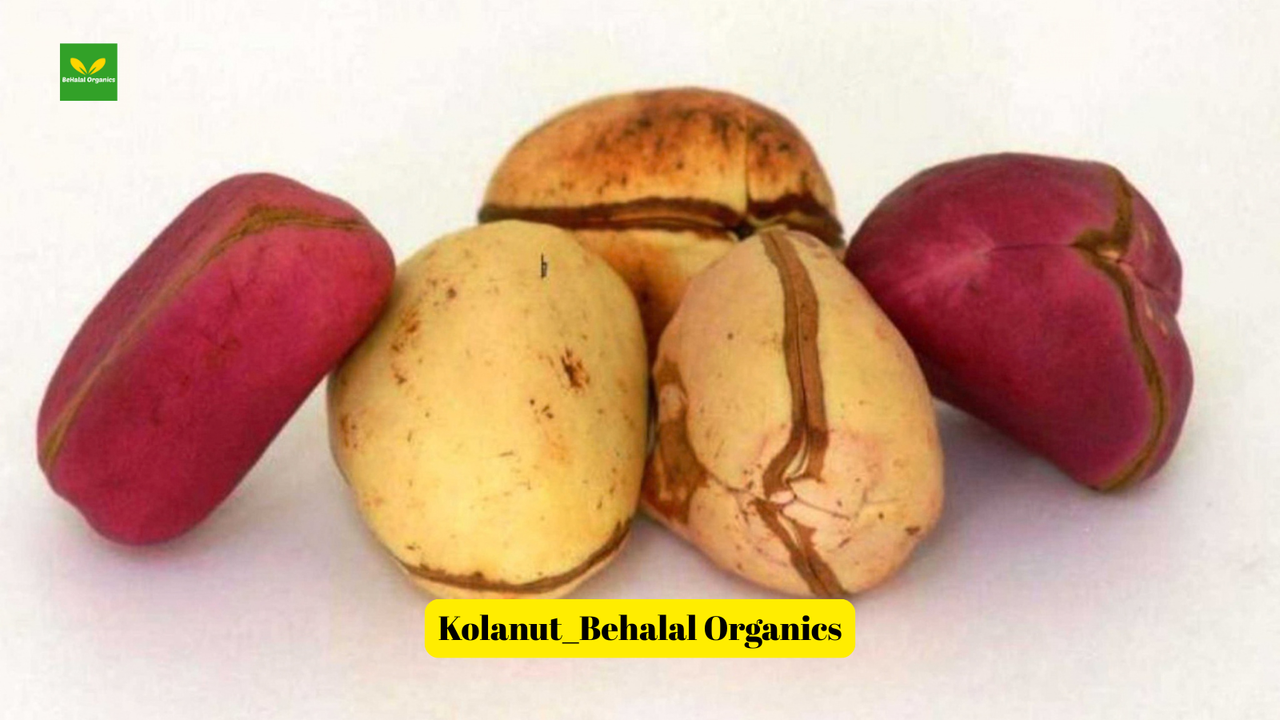
Kolanut is one of the most culturally significant and biologically fascinating nuts in West Africa. Derived from the evergreen kola tree (usually Cola nitida or Cola acuminata), this bitter nut has been consumed for centuries not only for its ceremonial importance but also for its stimulating and medicinal properties. In many African cultures, kolanut symbolizes hospitality, unity, and respect. But beyond cultural tradition lies a nutritional profile that has increasingly attracted attention from nutritionists, herbalists, and modern supplement manufacturers.
What makes kolanut particularly interesting is its combination of natural stimulants, micronutrients, and phytochemicals. The nut contains a powerful blend of caffeine, theobromine, antioxidants, and essential minerals. These compounds work together to stimulate the nervous system, improve alertness, and support overall metabolic activity. This is one of the reasons kolanut extracts historically played a role in the formulation of early cola beverages.
From a nutritional perspective, kolanut is relatively low in fat but contains carbohydrates, fiber, and small amounts of protein. A 100-gram serving of fresh kolanut provides roughly 146 calories, along with carbohydrates, fiber, and trace micronutrients. While it is not typically consumed in large quantities as a food, it is widely used in powdered or capsule form for its stimulating compounds.
Today, kolanut is increasingly available as herbal supplements, extracts, and powders. For example, kolanut capsules are available at Behalal Organics, making it easier for people to benefit from the nut’s natural energy-boosting compounds without chewing the raw nut. This modern format allows consumers to enjoy the traditional benefits of kolanut while maintaining convenience and dosage control.
The Nutritional Profile of Kolanut
Kolanut may look like a simple seed, but nutritionally it behaves more like a complex botanical powerhouse. Its composition includes macronutrients, vitamins, minerals, and a wide range of bioactive plant compounds. Together, these elements contribute to its stimulating and health-supporting effects.
Researchers studying dried kolanut have found that it contains carbohydrates, proteins, small amounts of fats, and significant levels of caffeine and polyphenols. Carbohydrates typically make up the majority of the nut’s dry weight, which partly explains why it can provide quick bursts of energy when consumed.
Macronutrients in Kolanut
Kolanut is not typically consumed for its macronutrient value, yet it still provides measurable amounts of carbohydrates, protein, and fiber. These nutrients contribute to its energy-supporting properties.
Calories, Carbohydrates, Protein, and Fat
The macronutrient composition of kolanut varies slightly depending on the species and processing method. However, most nutritional analyses show that the nut contains mostly carbohydrates with minimal fat.
| Nutrient | Amount per 100g |
|---|---|
| Calories | ~146 kcal |
| Carbohydrates | ~32 g |
| Protein | ~2.7 g |
| Fat | ~0.4 g |
| Fiber | ~1.9 g |
These values demonstrate that kolanut is a relatively low-fat botanical seed that provides moderate carbohydrate energy. While the protein content is modest, the presence of fiber and carbohydrates helps sustain energy levels when the nut is consumed.
Unlike many nuts such as almonds or walnuts, kolanut is not rich in healthy fats. Instead, its true nutritional power lies in its alkaloids and phytochemicals.
Vitamins Found in Kolanut
Although kolanut is primarily valued for its stimulant compounds, it also contains several vitamins that support metabolic processes and antioxidant protection.
Vitamin C and B-Complex Vitamins
One of the most notable vitamins present in kolanut is Vitamin C, also known as ascorbic acid. Vitamin C plays a crucial role in immune defense, collagen production, and antioxidant protection. Even though kolanut does not provide extremely high amounts, the presence of this vitamin contributes to the nut’s overall health benefits.
In addition to Vitamin C, kolanut contains small amounts of B-complex vitamins, including:
-
Thiamine (Vitamin B1)
-
Riboflavin (Vitamin B2)
-
Niacin (Vitamin B3)
These vitamins are essential for converting food into usable energy. They help support nervous system function and cellular metabolism, which complements the stimulating effects of caffeine in kolanut.
Because B vitamins help regulate energy metabolism, their presence enhances kolanut’s reputation as a natural energy booster.
Essential Minerals in Kolanut
Minerals play a critical role in maintaining electrolyte balance, nerve signaling, bone strength, and oxygen transport in the body. Kolanut contains several essential minerals that contribute to these physiological processes.
Potassium, Magnesium, Calcium, and Iron
Laboratory analyses have identified several important minerals in kolanut, including potassium, magnesium, phosphorus, calcium, and iron. These minerals are essential for overall health and metabolic activity.
| Mineral | Typical Amount (per 100g dried) |
|---|---|
| Potassium | 300–650 mg |
| Magnesium | 30–150 mg |
| Phosphorus | 50–200 mg |
| Calcium | 50–80 mg |
| Iron | 2–4 mg |
Potassium is particularly important because it helps regulate blood pressure and muscle function. Magnesium contributes to hundreds of biochemical reactions in the body, while iron plays a key role in oxygen transport through hemoglobin.
These minerals may not be present in extremely high quantities, but together they support metabolic balance and cellular function.
Caffeine Content in Kolanut
How Much Caffeine Does Kolanut Contain
One of the defining characteristics of kolanut is its high caffeine content. In fact, the nut is one of the richest natural sources of caffeine among plant foods.
Studies show that kolanut typically contains 1.5% to 3.5% caffeine, depending on the species and growing conditions. This means that 100 grams of dried kolanut can contain 1,500 to 3,500 milligrams of caffeine, which is significantly higher than the caffeine found in many beverages.
For comparison:
| Source | Approximate Caffeine |
|---|---|
| Coffee (1 cup) | 95 mg |
| Black tea | 40–50 mg |
| Kolanut (100 g dried) | 1500–3500 mg |
Because of this high caffeine concentration, kolanut has historically been used as a stimulant in traditional medicine and energy formulations.
How Kolanut Caffeine Affects the Body
Caffeine works by stimulating the central nervous system. When consumed, it blocks adenosine receptors in the brain, preventing feelings of fatigue and increasing alertness.
The caffeine in kolanut may provide several physiological effects:
-
Increased mental alertness
-
Reduced fatigue
-
Improved concentration
-
Enhanced physical endurance
Unlike synthetic caffeine, the caffeine in kolanut is often accompanied by other natural compounds such as theobromine and polyphenols. These compounds can slightly modify how caffeine is absorbed and metabolized in the body.
Because of its stimulating properties, kolanut has long been used by farmers, traders, and travelers in West Africa to stay awake and energized during long hours of work.
Active Compounds and Phytochemicals in Kolanut
Kolanut’s nutritional value extends beyond vitamins and minerals. The seed contains several powerful phytochemicals that influence its physiological effects.
Theobromine and Theophylline
The two most important secondary stimulants in kolanut are theobromine and theophylline. These compounds belong to a group of natural chemicals known as methylxanthines.
Theobromine is also found in cocoa and chocolate. It acts as a mild stimulant and has relaxing effects on smooth muscles and blood vessels. In kolanut, theobromine content may range from small amounts up to about 1%.
Theophylline, another compound present in small quantities, can help relax the airways and improve breathing. This property partly explains why traditional herbalists sometimes used kolanut preparations for respiratory conditions.
Tannins, Catechins, and Antioxidants
Kolanut also contains several antioxidant compounds, including tannins, catechins, and polyphenols. These compounds help neutralize harmful free radicals in the body.
Polyphenols such as catechin and epicatechin are particularly important because they may support cardiovascular health and reduce oxidative stress.
Tannins give kolanut its characteristic bitter taste. While they can contribute to digestive benefits in small amounts, excessive consumption may interfere with nutrient absorption, particularly iron.
These phytochemicals contribute to kolanut’s reputation as both a stimulant and a medicinal plant.
Health Benefits Linked to Kolanut Nutrients
Energy and Mental Alertness
The most widely recognized benefit of kolanut is its ability to increase energy levels. The combination of caffeine, theobromine, and B-vitamins creates a powerful stimulant effect that can improve alertness and concentration.
Many people compare kolanut’s energizing properties to coffee, but the experience is often described as smoother and longer lasting. Because of its natural stimulant profile, kolanut has historically been used to combat fatigue during long journeys or physically demanding tasks.
Some herbalists also suggest that the nut may support mood elevation and mental clarity.
Digestive and Metabolic Support
Kolanut has traditionally been used as a digestive aid. The bitter compounds in the nut may stimulate digestive enzymes and promote better digestion.
Certain studies also suggest that caffeine may increase metabolic rate and fat oxidation. This has led to the inclusion of kolanut extract in some weight-management supplements.
Additionally, tannins in kolanut may help soothe certain digestive issues when consumed in small quantities.
Kolanut Powder and Capsules as Supplements
Modern health and wellness trends have transformed kolanut from a traditional chewable seed into a convenient dietary supplement. Today, kolanut is commonly available in powder, extract, and capsule form.
Capsules are particularly popular because they allow for controlled dosage and eliminate the strong bitterness associated with chewing raw kolanut.
For example, kolanut capsules are available at Behalal Organics, providing a convenient way to experience the nut’s natural energy-boosting properties. These supplements typically contain standardized kolanut extract, ensuring consistent caffeine levels and easier consumption.
Consumers often choose kolanut capsules for:
-
Natural energy support
-
Mental focus
-
Metabolism enhancement
-
Herbal wellness routines
Potential Side Effects and Safety Considerations
Despite its benefits, kolanut should be consumed in moderation. Because of its high caffeine content, excessive intake may cause side effects similar to other stimulants.
Possible side effects include:
-
Insomnia
-
Increased heart rate
-
Anxiety
-
Digestive discomfort
Individuals who are sensitive to caffeine should be cautious when consuming kolanut products. Pregnant women, people with heart conditions, or those taking stimulant medications should consult a healthcare professional before using kolanut supplements.
Moderation is key when enjoying the benefits of this powerful natural stimulant.
Conclusion
Kolanut is far more than a traditional African seed used in ceremonies. Nutritionally, it is a complex botanical rich in caffeine, antioxidants, vitamins, and essential minerals. Its high caffeine content—often ranging from 1.5% to 3.5%—makes it one of the most potent natural stimulants found in plants.
Beyond caffeine, kolanut contains beneficial compounds such as theobromine, catechins, tannins, and polyphenols that contribute to its physiological effects. These compounds may support energy production, mental alertness, digestive function, and metabolic health.
While kolanut has been chewed traditionally for centuries, modern supplements have made it easier to enjoy its benefits. Products like kolanut capsules available at Behalal Organics provide a convenient and standardized way to incorporate this powerful botanical into a wellness routine.
Used responsibly and in moderation, kolanut remains one of nature’s most fascinating natural stimulants.
FAQs
1. What nutrients are found in kolanut?
Kolanut contains carbohydrates, fiber, small amounts of protein, vitamins such as Vitamin C and B-complex vitamins, and minerals like potassium, magnesium, calcium, and iron.
2. How much caffeine is in kolanut?
Kolanut typically contains 1.5%–3.5% caffeine, meaning 100 grams of dried kolanut may contain 1,500–3,500 mg of caffeine.
3. Is kolanut good for energy?
Yes. The caffeine and theobromine in kolanut stimulate the central nervous system, helping improve alertness, reduce fatigue, and boost energy levels.
4. Can kolanut help with digestion?
Traditionally, kolanut has been used as a digestive aid because its bitter compounds can stimulate digestive enzymes and improve gut activity.
5. Where can I buy kolanut capsules?
Kolanut capsules and other herbal supplements can be purchased from wellness stores and herbal marketplaces such as Behalal Organics.
DISCLAIMER
This blog has not been approved by your local health department and is not intended to provide diagnosis, treatment, or medical advice. The content provided on this blog is for informational purposes only. Please consult with a physician or other healthcare professional regarding any medical or health-related diagnosis or treatment options. Information on this blog should not be considered as a substitute for advice from a healthcare professional. The claims made about specific products throughout this blog are not approved to diagnose, treat, cure, or prevent disease.
Explore Popular Articles
-

20 Reasons Abere Seeds Are a Powerful Natural Remedy
10th Apr 2026Abere seeds are quietly becoming one of the most powerful natural remedies people are rediscovering
-

15 Signs Your Body Needs Detox and How to Fix Them Naturally
9th Apr 2026Understanding Detox: What It Really Means Detox has become one of the most talked-about wellness top
-

Sea Moss Nutritional Value: Vitamins, Minerals, and Health Benefits
8th Apr 2026Sea moss has quickly become one of the most talked-about natural superfoods in the wellness space —