
How to Use Spirulina in Daily Meals
Introduction to Spirulina
If superfoods had a hall of fame, spirulina would definitely have a front-row seat. This tiny blue-green algae packs a serious nutritional punch, and the best part? It’s incredibly easy to add to your daily meals. Whether you’re blending smoothies, sprinkling powder into food, or taking capsules on busy days, spirulina fits effortlessly into modern lifestyles.
In this guide, we’ll break down exactly how to use spirulina in daily meals without stress or confusion. Plus, if you’re looking for high-quality options, spirulina powder, smoothies, and capsules are available at Behalal Organics.
What Is Spirulina and Why Is Everyone Talking About It?
Spirulina is a natural algae that grows in fresh and saltwater. For centuries, it has been used as a nutrient-dense food source. Today, health-conscious people love it because it’s simple, plant-based, and incredibly powerful.
Think of spirulina as nature’s multivitamin—only greener and more versatile.
Nutritional Profile of Spirulina
Vitamins and Minerals
Spirulina contains iron, magnesium, potassium, calcium, and B vitamins. These nutrients support energy levels, muscle function, and overall wellness.
Protein and Amino Acids
Surprisingly, spirulina is made up of about 60–70% protein. That’s huge, especially for vegetarians and vegans looking for plant-based protein sources.
Antioxidants and Chlorophyll
Spirulina is rich in antioxidants like phycocyanin, which helps fight oxidative stress. It also contains chlorophyll, known for its detoxifying properties.
Health Benefits of Adding Spirulina to Daily Meals
Boosting Energy Naturally
Feeling tired all the time? Spirulina supports energy production at a cellular level—without the crash that comes from caffeine.
Supporting Immune Health
Thanks to its antioxidants and nutrients, spirulina helps strengthen the immune system, making your body more resilient.
Aiding Digestion and Gut Health
Spirulina supports healthy gut bacteria and can help improve digestion when taken consistently.
Supporting Weight Management
High protein and nutrient density mean spirulina helps you feel full longer, reducing unnecessary snacking.
Different Forms of Spirulina You Can Use
Spirulina Powder
This is the most versatile form. You can mix it into foods, drinks, and even baked recipes.
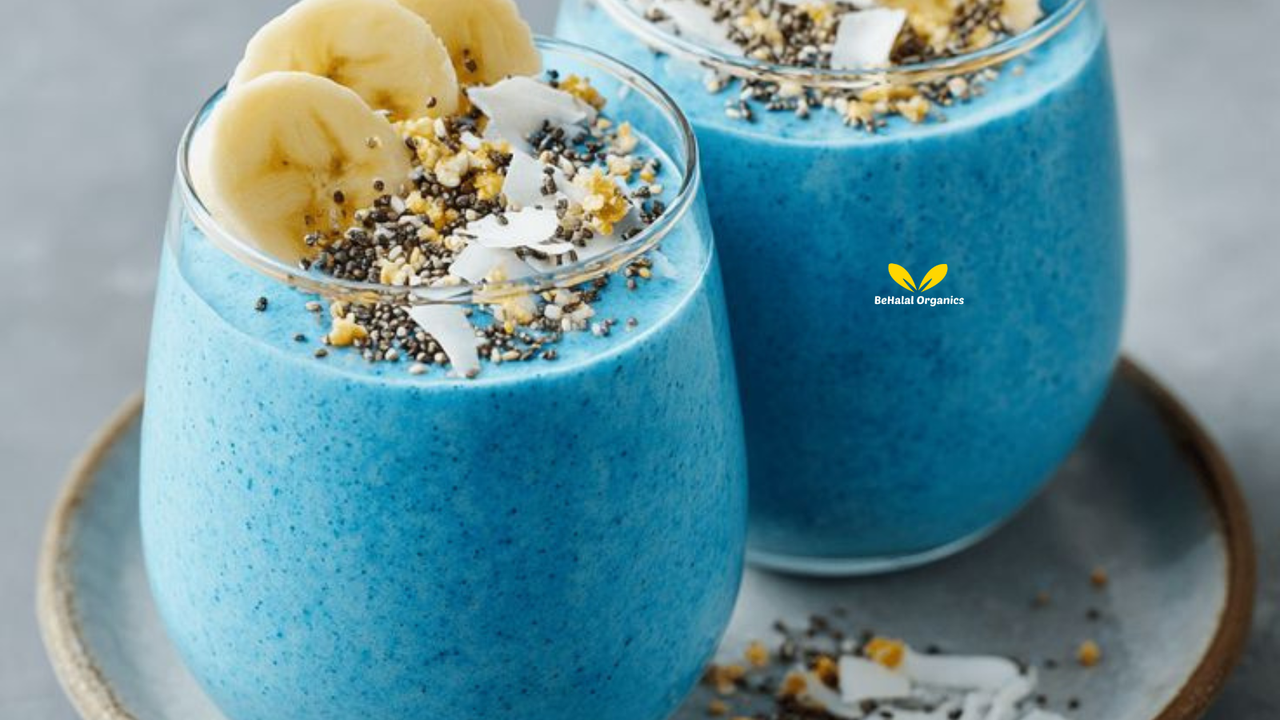
Spirulina Smoothies
Pre-mixed or homemade spirulina smoothies are perfect for quick nutrition on busy mornings.
Spirulina Capsules
Capsules are ideal if you don’t enjoy the taste or want a no-fuss option.
Which Form Is Best for Beginners?
If you’re new, capsules are the easiest. Once comfortable, powder and smoothies allow more creativity.
How to Use Spirulina Powder in Daily Meals
Adding Spirulina to Breakfast
Stir a small amount of spirulina powder into oatmeal, yogurt, or smoothies. Start with half a teaspoon and build up.
Spirulina in Lunch and Dinner Recipes
You can add spirulina powder to soups, sauces, salad dressings, or even homemade energy balls. Think of it like a green seasoning.
Cooking Tips to Preserve Nutrients
Avoid high heat. Spirulina is best added after cooking to maintain its nutritional value.
How to Make Spirulina Smoothies at Home
Best Fruits That Pair Well with Spirulina
Banana, pineapple, mango, and berries help balance spirulina’s earthy taste.
Simple Spirulina Smoothie Recipes
A basic recipe:
-
Banana
-
Pineapple
-
Almond milk
-
½ teaspoon spirulina powder
Blend and enjoy.
Smoothies for Energy, Detox, and Immunity
Add ginger for detox, dates for energy, or citrus fruits for immune support.
Using Spirulina Capsules for Convenience
When and How to Take Spirulina Capsules
Take capsules with water, preferably in the morning or before meals.
Who Should Choose Capsules Over Powder
Busy professionals, travelers, or anyone sensitive to taste will love capsules.
Daily Dosage: How Much Spirulina Should You Take?
Recommended Dosage for Beginners
Start with 500 mg to 1 gram daily and increase gradually.
Dosage for Active Adults
Active individuals can take 2–5 grams daily, depending on needs.
Best Time of Day to Take Spirulina
Morning is ideal. It supports energy and focus throughout the day.
Common Mistakes to Avoid When Using Spirulina
-
Taking too much too fast
-
Mixing with very hot foods
-
Skipping consistency
Slow and steady always wins.
Why Choose Behalal Organics Spirulina Products
Behalal Organics offers high-quality spirulina in powder, smoothie, and capsule forms. Their products are carefully sourced and designed to fit into everyday wellness routines.
How to Store Spirulina Properly
Keep spirulina in a cool, dry place away from sunlight. Always seal tightly after use.
Who Should Be Careful When Taking Spirulina
Pregnant women, people on medication, or those with autoimmune conditions should consult a healthcare provider before use.
Conclusion
Spirulina doesn’t have to be complicated. Whether you’re blending it into smoothies, sprinkling powder into meals, or taking capsules on busy days, this superfood fits effortlessly into daily life. With consistent use and quality products like those from Behalal Organics, spirulina can become a simple yet powerful part of your wellness journey.
Frequently Asked Questions (FAQs)
1. Can I take spirulina every day?
Yes, spirulina is safe for daily use when taken in recommended amounts.
2. Does spirulina taste bad?
It has an earthy taste, but fruits and smoothies easily mask it.
3. Is spirulina better in powder or capsule form?
Both are effective. Powder offers flexibility, while capsules offer convenience.
4. How long before I see results from spirulina?
Some people notice changes in energy within 1–2 weeks.
5. Where can I buy quality spirulina products?
Spirulina powder, smoothies, and capsules are available at Behalal Organics.
DISCLAIMER
This blog has not been approved by your local health department and is not intended to provide diagnosis, treatment, or medical advice. The content provided on this blog is for informational purposes only. Please consult with a physician or other healthcare professional regarding any medical or health-related diagnosis or treatment options. Information on this blog should not be considered as a substitute for advice from a healthcare professional. The claims made about specific products throughout this blog are not approved to diagnose, treat, cure, or prevent disease.
Explore Popular Articles
-
Shilajit Explained: Nutritional Value, Health Benefits, and Best Ways to Consume
7th Apr 2026What Is Shilajit? If you’ve been exploring natural supplements lately, chances are you’ve come acros
-
Slippery Elm Bark Explained: Nutritional Value, Health Benefits, and Best Ways to Consume
3rd Apr 2026Slippery Elm Bark is quietly becoming one of the most sought-after herbal remedies in the wellness s
-
Elderberry Explained: Nutritional Value, Benefits, and Best Ways to Consume
2nd Apr 2026What Is Elderberry? Elderberry is one of those natural remedies that has quietly stood the test of t