
Ashwagandha for Total Body Wellness: How This Ancient Herb Supports Modern Health
What Is Ashwagandha? Understanding the Ancient Ayurvedic Herb
Origins and Traditional Uses in Ayurveda
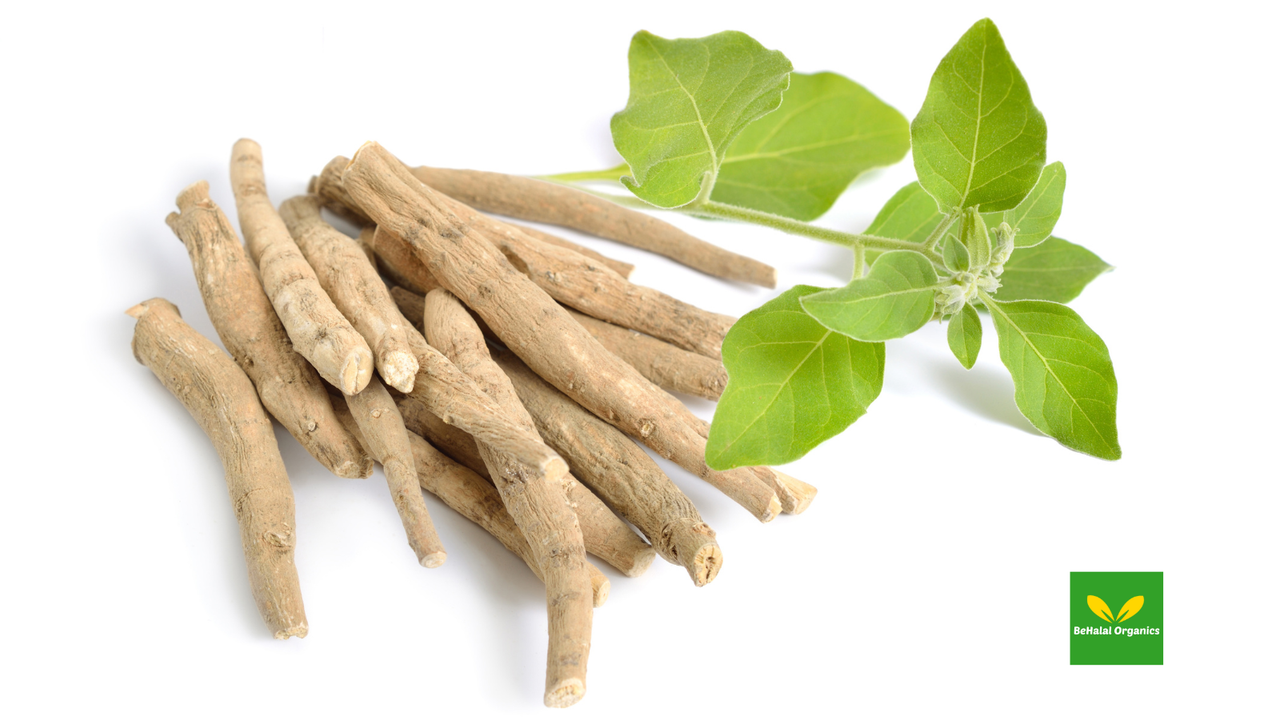
For thousands of years, Ashwagandha (Withania somnifera) has been one of the most respected herbs in traditional Ayurvedic medicine. Often called “Indian ginseng” or “winter cherry,” this powerful plant has been used as a natural rejuvenator and vitality tonic across generations. Ancient healers believed that Ashwagandha could strengthen the body, sharpen the mind, and help people maintain balance in both physical and mental health.
In Ayurvedic philosophy, Ashwagandha is categorized as a “Rasayana” herb, meaning it promotes longevity, vitality, and overall wellness. Practitioners traditionally recommended it to help the body cope with fatigue, stress, low immunity, and aging. Imagine your body as a complex system constantly facing pressure from work, environment, and lifestyle. Ashwagandha works like a natural support system that helps the body adapt to those pressures.
Historically, people used Ashwagandha root powder mixed with milk or warm water to boost energy and resilience. Warriors in ancient India even consumed it before battle to enhance stamina and strength. While that might sound like folklore, modern science is now validating many of these ancient claims.
Today, Ashwagandha is no longer confined to traditional medicine systems. It has become one of the most popular herbal supplements in the global wellness industry, used for stress management, sleep support, immunity, and overall health optimization.
Key Active Compounds in Ashwagandha
What makes Ashwagandha so powerful lies in its bioactive compounds, particularly a group called withanolides. These naturally occurring plant chemicals are believed to be responsible for many of the herb’s therapeutic benefits.
Withanolides act as adaptogens, substances that help the body respond more effectively to stress. They influence several biological systems, including hormonal balance, immune regulation, and inflammation control. Research shows these compounds can reduce oxidative stress and modulate inflammatory pathways within the body.
In addition to withanolides, Ashwagandha also contains alkaloids, saponins, and sitoindosides, all of which contribute to its antioxidant and immune-supporting properties. Scientists have discovered that these compounds can interact with the body’s stress-response systems, particularly the hypothalamic-pituitary-adrenal (HPA) axis, which regulates cortisol and other stress hormones.
Think of Ashwagandha as a natural balancing agent. Instead of targeting just one organ or system, it works across multiple pathways to promote equilibrium in the body. That’s one of the reasons it’s widely described as a “whole-body wellness herb.”
Why Ashwagandha Is Trending in Modern Wellness
The Rise of Adaptogenic Herbs
In today’s fast-paced world, stress has become almost unavoidable. Long working hours, digital overload, poor sleep habits, and environmental factors all contribute to chronic stress levels. As a result, many people are searching for natural solutions that help their bodies handle these pressures more effectively.
This is where adaptogenic herbs come into play. Adaptogens are plants that support the body’s ability to adapt to stress and maintain balance. Ashwagandha is considered one of the most powerful adaptogens known to modern herbal science.
Adaptogens don’t work like stimulants or sedatives. Instead, they help regulate the body’s stress response system. If cortisol levels rise too high, adaptogens may help reduce them. If energy levels drop too low, they can help support vitality.
Health experts increasingly recognize adaptogens as tools for managing burnout, fatigue, anxiety, and hormonal imbalance. That’s why Ashwagandha has become a staple in modern wellness routines—from athletes to busy professionals.
Scientific Research Supporting Ashwagandha
Modern research continues to validate many of the traditional uses of Ashwagandha. Clinical trials have demonstrated that the herb may significantly reduce stress levels and cortisol, the hormone responsible for the body’s stress response.
In one randomized clinical study involving stressed adults, participants who took Ashwagandha extract for eight weeks experienced significant reductions in perceived stress scores and cortisol levels, along with improved sleep quality.
Other studies show Ashwagandha may improve quality of life, physical fitness, and energy levels, especially in older adults who take standardized root extract supplements.
Research also highlights its anti-inflammatory, antioxidant, and neuroprotective properties, which may support cardiovascular health, immune function, and brain performance.
This growing body of evidence is why Ashwagandha is now widely recommended as part of a holistic approach to wellness rather than just a traditional remedy.
How Ashwagandha Supports Total Body Wellness
Stress Reduction and Cortisol Balance
Stress is one of the biggest threats to modern health. When the body remains under constant stress, cortisol levels stay elevated. Over time, this can lead to fatigue, poor sleep, weight gain, weakened immunity, and hormonal imbalance.
Ashwagandha works by helping regulate the HPA axis, the system responsible for controlling stress hormones. Studies show that Ashwagandha supplementation can reduce cortisol levels by up to 28% in some clinical trials, helping the body return to a more balanced state.
Lower cortisol doesn’t just mean feeling calmer. It can also support improved energy levels, better mood stability, and healthier metabolic function.
Many people who incorporate Ashwagandha into their daily routine report feeling more resilient to everyday stress. Instead of feeling overwhelmed by challenges, they notice a greater sense of mental calm and emotional balance.
Improved Sleep Quality and Relaxation
Sleep problems are another major health issue affecting millions of people worldwide. Stress, anxiety, and irregular schedules often disrupt the body’s natural sleep cycles.
Ashwagandha may help improve sleep by reducing stress hormones and supporting the activity of neurotransmitters associated with relaxation. Clinical research has shown that people taking Ashwagandha supplements often experience better sleep quality and improved overall restfulness.
Think of Ashwagandha as a gentle reset button for the nervous system. Instead of forcing sedation like some sleep medications, it encourages the body to naturally shift into a state of relaxation.
Over time, better sleep can lead to improved immune health, sharper focus, balanced hormones, and stronger emotional resilience.
Ashwagandha and Immune System Support
Anti-Inflammatory and Antioxidant Properties
A healthy immune system depends on the body’s ability to regulate inflammation and fight oxidative stress. Ashwagandha contains powerful antioxidants that help neutralize harmful free radicals in the body.
Scientific studies show that Ashwagandha can reduce inflammatory markers such as cytokines and immune signaling molecules, which play a role in chronic disease and immune dysfunction.
By supporting immune balance, Ashwagandha may help the body defend itself against infections, fatigue, and environmental stressors. This is particularly valuable in today’s world where immune health has become a major focus of preventive wellness.
Many herbal experts describe Ashwagandha as a “fortifying herb” because it strengthens the body’s natural defenses while also supporting recovery from stress.
Brain Health and Cognitive Performance
Memory, Focus, and Mental Clarity
The brain is one of the organs most affected by chronic stress and inflammation. When stress hormones remain elevated, cognitive performance can decline. Concentration becomes difficult, memory weakens, and mental fatigue sets in.
Ashwagandha may help protect brain cells by reducing oxidative stress and supporting neural regeneration. Studies suggest it can enhance cognitive performance, memory, and focus through its effects on neurotransmitter activity and neuroprotective compounds.
Researchers have also observed that Ashwagandha may help support neurogenesis, the process by which new brain cells form. This is particularly important for maintaining long-term cognitive health.
In simple terms, Ashwagandha doesn’t just calm the mind—it may also help strengthen it.
Energy, Strength, and Physical Performance
Athletic Recovery and Endurance
Another fascinating benefit of Ashwagandha lies in its ability to support physical performance. Athletes and fitness enthusiasts increasingly use the herb to enhance endurance, recovery, and muscle strength.
Clinical research suggests Ashwagandha supplementation may improve cardiorespiratory endurance and VO₂ max, which measures how efficiently the body uses oxygen during exercise.
Better oxygen utilization means improved stamina and energy levels during physical activity. At the same time, Ashwagandha’s anti-inflammatory effects may support faster recovery after intense workouts.
For people dealing with fatigue or burnout, this herb may act like a natural energy stabilizer rather than a stimulant.
Different Ways to Take Ashwagandha
Capsules, Powders, and Extracts
Ashwagandha is available in several forms, including powders, teas, tinctures, and capsules. Among these, capsules are one of the most convenient and consistent ways to consume the herb.
Capsules typically contain standardized extracts that provide a controlled amount of active compounds like withanolides. This makes it easier for users to get consistent benefits without worrying about measuring doses.
For individuals looking for a high-quality and convenient option, Ashwagandha capsules are available at Behalal Organics, making it easier to incorporate this ancient herb into a daily wellness routine.
High-quality supplements often undergo testing to ensure purity, potency, and safety, which is essential when choosing herbal products.
Potential Side Effects and Safety Considerations
Although Ashwagandha is generally considered safe for most healthy adults, it’s important to use it responsibly. Some individuals may experience mild side effects such as digestive discomfort, drowsiness, or headaches.
Certain groups—including pregnant women, people with thyroid conditions, or those taking medications—should consult a healthcare professional before using Ashwagandha.
Like any supplement, quality and dosage matter. Choosing reputable products helps reduce the risk of contamination or inconsistent potency.
Conclusion
Ashwagandha stands out as one of the most remarkable herbs bridging ancient wisdom and modern science. From reducing stress and improving sleep to supporting immunity, brain health, and physical performance, this powerful adaptogen offers a wide range of benefits for overall wellness.
What makes Ashwagandha unique is its ability to support multiple systems in the body simultaneously. Rather than targeting a single symptom, it helps the body restore balance, resilience, and vitality.
As modern lifestyles continue to place heavy demands on our physical and mental health, natural solutions like Ashwagandha are becoming increasingly valuable. Whether you’re looking to manage stress, improve energy levels, or enhance your overall wellness routine, incorporating this time-tested herb can be a powerful step toward better health.
For those seeking a convenient option, Ashwagandha capsules are available at Behalal Organics, making it easy to enjoy the benefits of this ancient adaptogenic herb in your daily wellness routine.
FAQs
1. What is Ashwagandha mainly used for?
Ashwagandha is commonly used to reduce stress, improve sleep, boost immunity, and enhance energy levels. It is widely known as an adaptogenic herb that helps the body cope with physical and mental stress.
2. How long does it take for Ashwagandha to work?
Most people begin noticing benefits such as improved sleep and reduced stress within 4 to 8 weeks of consistent use.
3. Can Ashwagandha improve sleep?
Yes. Studies show Ashwagandha may help improve sleep quality by lowering cortisol levels and promoting relaxation.
4. Is it safe to take Ashwagandha every day?
For most healthy adults, Ashwagandha can be taken daily in recommended doses. However, long-term use should be discussed with a healthcare professional.
5. Where can I buy Ashwagandha capsules?
High-quality Ashwagandha capsules are available at Behalal Organics, providing a convenient way to include this powerful herb in your daily wellness routine.
DISCLAIMER
This blog has not been approved by your local health department and is not intended to provide diagnosis, treatment, or medical advice. The content provided on this blog is for informational purposes only. Please consult with a physician or other healthcare professional regarding any medical or health-related diagnosis or treatment options. Information on this blog should not be considered as a substitute for advice from a healthcare professional. The claims made about specific products throughout this blog are not approved to diagnose, treat, cure, or prevent disease.
Explore Popular Articles
-

20 Reasons Abere Seeds Are a Powerful Natural Remedy
10th Apr 2026Abere seeds are quietly becoming one of the most powerful natural remedies people are rediscovering
-

15 Signs Your Body Needs Detox and How to Fix Them Naturally
9th Apr 2026Understanding Detox: What It Really Means Detox has become one of the most talked-about wellness top
-

Sea Moss Nutritional Value: Vitamins, Minerals, and Health Benefits
8th Apr 2026Sea moss has quickly become one of the most talked-about natural superfoods in the wellness space —