
Are Pumpkin Seeds Good for You? Nutritional Facts Explained
What Are Pumpkin Seeds?
Origin and Common Uses
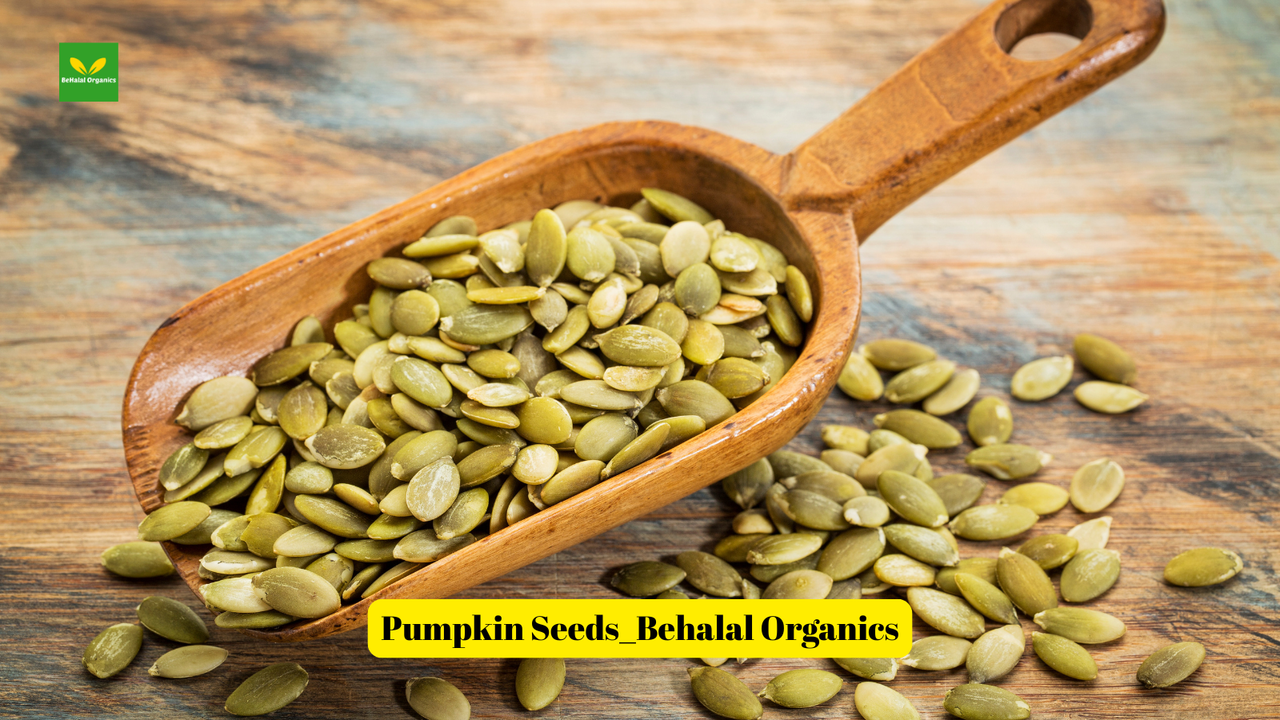
Pumpkin seeds, often referred to as pepitas, are flat, oval-shaped edible seeds found inside pumpkins. While most people associate pumpkins with festive decorations or seasonal dishes, the seeds themselves are a powerhouse of nutrition that deserves attention year-round. These seeds have been consumed for centuries across different cultures, especially in regions of Central and South America, where they were valued not just as food but also for their medicinal properties. Today, pumpkin seeds are widely used in snacks, baking, and even health supplements due to their impressive nutritional profile.
What makes pumpkin seeds stand out is their versatility. You can eat them raw, roasted, salted, or unsalted, and they can easily be incorporated into both sweet and savory dishes. Whether sprinkled over salads, blended into smoothies, or eaten straight from the pack, they offer a convenient way to boost your nutrient intake. If you’re someone who is constantly searching for simple ways to eat healthier, pumpkin seeds might just be the underrated superfood you’ve been overlooking.
Forms of Pumpkin Seeds Available
When it comes to availability, pumpkin seeds come in several forms, each offering slightly different benefits. The most common types include whole seeds (with shells), shelled seeds (pepitas), raw seeds, and roasted seeds. Shelled pumpkin seeds are particularly popular because they are easier to eat and digest, making them a preferred option for many health-conscious individuals.
Raw pumpkin seeds are often considered the healthiest option because they retain all their natural nutrients without exposure to high heat. Roasted seeds, on the other hand, offer a richer flavor and crunch, making them a more enjoyable snack for some people. However, roasting at high temperatures can slightly reduce certain nutrient levels. Regardless of the form you choose, incorporating pumpkin seeds into your diet can provide a wide range of health benefits.
Nutritional Profile of Pumpkin Seeds
Macronutrients Breakdown
Pumpkin seeds are incredibly nutrient-dense, meaning they pack a lot of nutrition into a small serving. A typical 28-gram (1-ounce) serving of pumpkin seeds contains approximately:
| Nutrient | Amount |
|---|---|
| Calories | 150-170 kcal |
| Protein | 7-9 grams |
| Fat | 13-15 grams |
| Carbohydrates | 3-5 grams |
| Fiber | 1-2 grams |
One of the standout features of pumpkin seeds is their high protein content, which makes them an excellent plant-based protein source. This is especially beneficial for vegetarians and vegans looking to meet their daily protein needs. Additionally, the fats found in pumpkin seeds are mostly healthy unsaturated fats, which are essential for heart health and overall well-being.
Vitamins and Minerals Content
Beyond macronutrients, pumpkin seeds are loaded with essential vitamins and minerals. They are particularly rich in magnesium, zinc, iron, and phosphorus, all of which play critical roles in maintaining good health. Magnesium, for instance, supports muscle and nerve function, while zinc is essential for immune health and wound healing.
Pumpkin seeds also contain antioxidants such as vitamin E and carotenoids, which help protect the body from oxidative stress. These nutrients work together to support various bodily functions, making pumpkin seeds a truly well-rounded addition to your diet.
Health Benefits of Pumpkin Seeds
Heart Health Support
Role of Magnesium
One of the most significant benefits of pumpkin seeds is their ability to support heart health. Magnesium, a mineral found abundantly in pumpkin seeds, plays a key role in regulating blood pressure and maintaining a steady heartbeat. Many people do not get enough magnesium in their diets, which can lead to various cardiovascular issues. By adding pumpkin seeds to your meals, you can naturally increase your magnesium intake and support a healthier heart.
Healthy Fats and Cholesterol
Pumpkin seeds are rich in healthy fats, particularly omega-3 and omega-6 fatty acids. These fats help reduce bad cholesterol (LDL) levels while increasing good cholesterol (HDL). This balance is crucial for preventing heart disease and maintaining overall cardiovascular health. Including pumpkin seeds as part of a balanced diet can contribute to better cholesterol levels and improved heart function over time.
Immune System Boost
Your immune system is your body’s defense against illness, and pumpkin seeds can help keep it strong. Thanks to their high zinc content, these seeds play a vital role in supporting immune function. Zinc helps the body produce and activate immune cells, making it easier to fight off infections and diseases.
In addition to zinc, pumpkin seeds contain antioxidants that help reduce inflammation and protect the body from harmful free radicals. This combination of nutrients makes them an excellent choice for boosting overall immunity, especially during times when your body needs extra support.
Improved Sleep Quality
If you’ve been struggling with sleep, pumpkin seeds might offer a natural solution. They contain tryptophan, an amino acid that the body converts into serotonin and melatonin—hormones that regulate sleep. Eating a small portion of pumpkin seeds before bedtime can help promote relaxation and improve sleep quality.
Magnesium also plays a role in sleep regulation by calming the nervous system and reducing stress levels. Together, these nutrients create a powerful combination that supports better rest and recovery.
Weight Management Benefits
Despite being calorie-dense, pumpkin seeds can actually support weight management when consumed in moderation. Their high protein and fiber content help keep you feeling full for longer, reducing the likelihood of overeating. This makes them an excellent snack option for those trying to maintain or lose weight.
Instead of reaching for processed snacks, choosing pumpkin seeds can provide sustained energy and essential nutrients without unnecessary additives. The key is portion control—small amounts can go a long way in supporting your health goals.
Pumpkin Seeds for Men and Women
Benefits for Men
Pumpkin seeds are particularly beneficial for men’s health, especially when it comes to prostate health. They contain compounds that may help reduce the risk of prostate-related issues. Zinc, in particular, plays a crucial role in maintaining prostate function and overall reproductive health.
Benefits for Women
For women, pumpkin seeds offer benefits such as improved bone health and hormonal balance. The magnesium and calcium content support strong bones, while the healthy fats help regulate hormones. They may also help reduce symptoms of menopause, such as hot flashes and mood swings.
Pumpkin Seeds and Disease Prevention
Anti-Inflammatory Properties
Chronic inflammation is linked to many diseases, including heart disease and diabetes. Pumpkin seeds contain anti-inflammatory compounds that help reduce inflammation in the body. Regular consumption can contribute to better long-term health and reduced risk of chronic conditions.
Antioxidant Effects
Antioxidants are essential for protecting the body against damage caused by free radicals. Pumpkin seeds are rich in these compounds, which help slow down aging and reduce the risk of certain diseases. Including them in your diet is a simple way to boost your antioxidant intake.
How to Eat Pumpkin Seeds
Raw vs Roasted
Both raw and roasted pumpkin seeds have their benefits. Raw seeds retain more nutrients, while roasted seeds offer better flavor and texture. Choosing between the two often comes down to personal preference.
Creative Ways to Add to Your Diet
You can easily incorporate pumpkin seeds into your meals by:
- Adding them to smoothies
- Sprinkling over salads
- Mixing into yogurt or oatmeal
- Using them in baking recipes
Possible Side Effects and Risks
While pumpkin seeds are generally safe, consuming them in excess can lead to digestive issues such as bloating or discomfort. They are also high in calories, so overeating can contribute to weight gain. Moderation is key to enjoying their benefits without unwanted side effects.
Recommended Daily Intake
A small handful (about 28 grams) per day is generally considered a healthy portion. This amount provides a good balance of nutrients without excessive calorie intake.
Conclusion
Pumpkin seeds are more than just a snack—they are a nutrient-dense superfood packed with protein, healthy fats, vitamins, and minerals. From supporting heart health and boosting immunity to improving sleep and aiding weight management, their benefits are both wide-ranging and impressive. Incorporating pumpkin seeds into your daily routine is a simple yet effective way to enhance your overall health. With so many ways to enjoy them, there’s no reason not to make them a regular part of your diet.
FAQs
1. Can I eat pumpkin seeds every day?
Yes, eating pumpkin seeds daily in moderate amounts is safe and beneficial for most people.
2. Are pumpkin seeds good for weight loss?
Yes, their protein and fiber content help keep you full, making them helpful for weight management.
3. Do pumpkin seeds help with sleep?
Yes, they contain tryptophan and magnesium, which support better sleep quality.
4. Are roasted pumpkin seeds healthy?
Yes, though raw seeds may retain slightly more nutrients, roasted seeds are still very healthy.
5. Can children eat pumpkin seeds?
Yes, in small amounts, pumpkin seeds are safe and nutritious for children.
DISCLAIMER
This blog has not been approved by your local health department and is not intended to provide diagnosis, treatment, or medical advice. The content provided on this blog is for informational purposes only. Please consult with a physician or other healthcare professional regarding any medical or health-related diagnosis or treatment options. Information on this blog should not be considered as a substitute for advice from a healthcare professional. The claims made about specific products throughout this blog are not approved to diagnose, treat, cure, or prevent disease.
Explore Popular Articles
-
Are Pumpkin Seeds Good for You? Nutritional Facts Explained
24th Mar 2026What Are Pumpkin Seeds? Origin and Common Uses Pumpkin seeds, often referred to as pepitas, are flat
-

Boswellia Serrata Benefits: The Ultimate Guide to Natural Pain Relief and Inflammation Support
19th Mar 2026What Is Boswellia Serrata? Origin and Historical Use Boswellia serrata, often called Indian frankinc
-

Why Mango and Pineapple Sea Moss Gel Is the Ultimate Immunity Booster
18th Mar 2026What Is Sea Moss and Why Is It So Popular? Sea moss has rapidly evolved from a lesser-known ocean pl