
Abere Seeds and Blood Sugar: What Traditional Medicine Says

Introduction to Abere Seeds
What Are Abere Seeds?

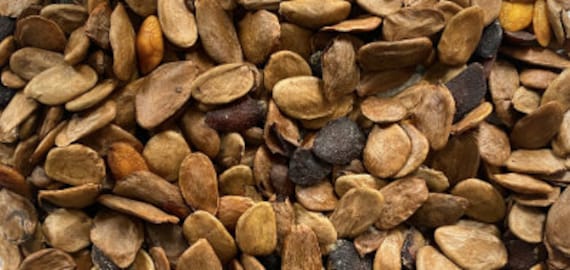
Abere seeds come from the plant scientifically known as Hunteria umbellata. In many parts of Nigeria, especially among the Yoruba people, these seeds are widely recognized for their role in traditional herbal practices.
Small but mighty—that’s the best way to describe them. They may look ordinary at first glance, but in traditional medicine, Abere seeds have been valued for generations.
Botanical Background and Origin
Hunteria umbellata is a tropical tree native to West Africa. It thrives in forest regions and has long been part of indigenous herbal knowledge systems. The seeds are the most commonly used part of the plant.
For centuries, local herbalists have turned to Abere as part of natural wellness practices, especially for metabolic concerns.
Other Names for Abere Seeds
Depending on the region, Abere seeds may be called:
-
Erin in Yoruba
-
Osu in Igbo (in some contexts)
-
Abere (widely used local name)
Different names, same respect in traditional medicine.
Abere in Traditional African Medicine
Historical Use in Yoruba Herbal Practices
In Yoruba traditional medicine, herbs are not just plants—they are part of a complete health philosophy. Abere seeds have historically been included in herbal mixtures intended to support internal balance.
Elders often describe Abere as a “cleansing” seed, believed to help regulate the body’s internal systems.
Cultural Importance of Abere
Abere isn’t just about health; it’s about heritage. In many communities, knowledge about its use is passed down through generations.
Imagine sitting beside a grandmother who explains which herbs to soak and how long to leave them overnight. That’s how Abere knowledge has survived, through lived experience.
Abere in Local Herbal Preparations
Traditionally, Abere seeds are:
-
Soaked in water overnight
-
Ground into powder
-
Combined with other supportive herbs
These preparations are often used as part of broader herbal protocols.
Understanding Blood Sugar and Its Challenges
What Is Blood Sugar?
Blood sugar, or blood glucose, refers to the amount of sugar circulating in your bloodstream. It’s your body’s fuel. But too much or too little? That’s where problems begin.
Think of it like fuel in a car. Too little and the engine stalls. Too much and things start to malfunction.
Causes of Blood Sugar Imbalance
Common contributors include:
-
High intake of refined carbohydrates
-
Sedentary lifestyle
-
Stress
-
Genetic predisposition
Modern lifestyles have made blood sugar imbalance increasingly common.
Lifestyle and Dietary Factors
Fast food. Sugary drinks. Skipped meals. Poor sleep.
All these can disrupt how your body processes glucose. That’s why many people are turning back to traditional herbs like Abere in search of natural support.
Traditional Claims About Abere and Blood Sugar
How Herbalists Use Abere for Blood Sugar
In traditional practice, Abere seeds are often recommended for individuals concerned about fluctuating sugar levels.
Herbal practitioners believe Abere may help the body maintain balance when used alongside proper diet and lifestyle habits.
Anecdotal Evidence from Communities
You’ll often hear stories like:
“After using soaked Abere water consistently, I felt lighter and more balanced.”
These are personal testimonies—not scientific conclusions—but they show why Abere remains popular.
Common Preparation Methods
The most common traditional preparation includes:
-
Breaking one seed.
-
Soaking it in clean water overnight.
-
Drinking the infused water the next morning.
Simple. Accessible. Rooted in tradition.
Possible Nutritional and Phytochemical Properties
Natural Compounds Found in Abere
While traditional medicine relies heavily on experience, modern interest has sparked curiosity about Abere’s plant compounds.
Seeds of Hunteria umbellata are believed to contain:
-
Alkaloids
-
Flavonoids
-
Antioxidant compounds
These naturally occurring substances are often associated with metabolic support in various plants.
Antioxidant Potential
Oxidative stress plays a role in metabolic imbalance. Plants rich in antioxidants are often studied for their potential to support overall wellness.
Abere’s antioxidant content is one reason researchers are paying closer attention.
How Plant Compounds May Support Metabolism
Plant compounds can interact with the body in complex ways. Some herbs traditionally used for blood sugar support are believed to:
-
Influence glucose absorption
-
Support insulin sensitivity
-
Promote overall metabolic balance
However, scientific validation is still evolving.
How Abere Seeds Are Traditionally Consumed
Soaking and Infusion
This is the most popular method. Soaking allows the active components to infuse into water, creating a mild herbal drink.
Powder Form
Some people prefer grinding Abere seeds into powder and mixing with warm water.
Combining with Other Herbs
In traditional formulas, Abere may be blended with:
-
Bitter leaf
-
Neem
-
Other indigenous herbs
Herbal synergy is a common concept in African traditional medicine.
Modern Curiosity and Research Interest
Growing Interest in Herbal Blood Sugar Support
As more people seek natural wellness solutions, herbs like Abere are gaining attention beyond local communities.
People want options. They want balance. They want something that feels closer to nature.
The Need for Scientific Validation
While traditional knowledge is valuable, clinical research is essential for confirmation.
Responsible use means:
-
Not abandoning prescribed medications
-
Not self-diagnosing
-
Not replacing medical care without guidance
Tradition and science can complement each other.
Safety Considerations and Responsible Use
Consulting Health Professionals
If you are managing blood sugar concerns, always consult a healthcare professional before introducing herbal supplements.
Herbs can interact with medications.
Avoiding Overdependence on Herbal Remedies
Abere is not a magic solution. Think of it as a potential supportive tool—not a replacement for balanced nutrition and medical care.
Proper Dosage Awareness
Traditional use often emphasizes moderation. More does not always mean better.
Where to Find Quality Abere Seeds
Importance of Trusted Sources
Quality matters. Poor storage or contamination can reduce effectiveness and safety.
Always choose reputable suppliers.
Availability at Behalal Organics
Abere seeds are available at Behalal Organics, a trusted source for natural and herbal wellness products.
When purchasing herbal products, look for:
-
Clean packaging
-
Clear labeling
-
Trusted brand reputation
That way, you know exactly what you’re getting.
Conclusion
Abere seeds hold a respected place in traditional African medicine, especially in discussions around blood sugar balance. Passed down through generations, these seeds represent cultural wisdom and natural wellness practices.
While traditional use suggests supportive potential, modern science continues to explore their full properties. If you’re curious about incorporating Abere into your routine, do so responsibly, consult professionals, and source from trusted providers like Behalal Organics.
Sometimes, the smallest seeds carry the biggest stories.
FAQs
1. Can Abere seeds cure diabetes?
No herbal product should be considered a cure. Abere seeds are traditionally used to support wellness, not replace medical treatment.
2. How long should Abere seeds be soaked?
Traditionally, one broken seed is soaked overnight (6–8 hours) before drinking the infused water.
3. Are there side effects of Abere seeds?
Side effects are not widely documented, but it’s important to consult a healthcare professional, especially if you are on medication.
4. Can Abere seeds be taken daily?
Traditional use often suggests moderate, consistent use, but medical guidance is strongly recommended.
5. Where can I buy authentic Abere seeds?
You can purchase quality Abere seeds from trusted suppliers such as Behalal Organics.
DISCLAIMER
This blog has not been approved by your local health department and is not intended to provide diagnosis, treatment, or medical advice. The content provided on this blog is for informational purposes only. Please consult with a physician or other healthcare professional regarding any medical or health-related diagnosis or treatment options. Information on this blog should not be considered as a substitute for advice from a healthcare professional. The claims made about specific products throughout this blog are not approved to diagnose, treat, cure, or prevent disease.
Explore Popular Articles
-
Abere Seeds and Blood Sugar: What Traditional Medicine Says
25th Feb 2026Introduction to Abere Seeds What Are Abere Seeds? 4 Abere seeds come from the plant
-
The Growing Global Market for Elderberry
24th Feb 2026Introduction to Elderberry and Its Rising Popularity Have you noticed how elderberry seems to be eve
-
The Science Behind Herbal Libido Boosters: Do Natural Ingredients Really Work?
20th Feb 2026Understanding Libido – What Really Drives Sexual Desire? Let’s start with the basics. What exactly i